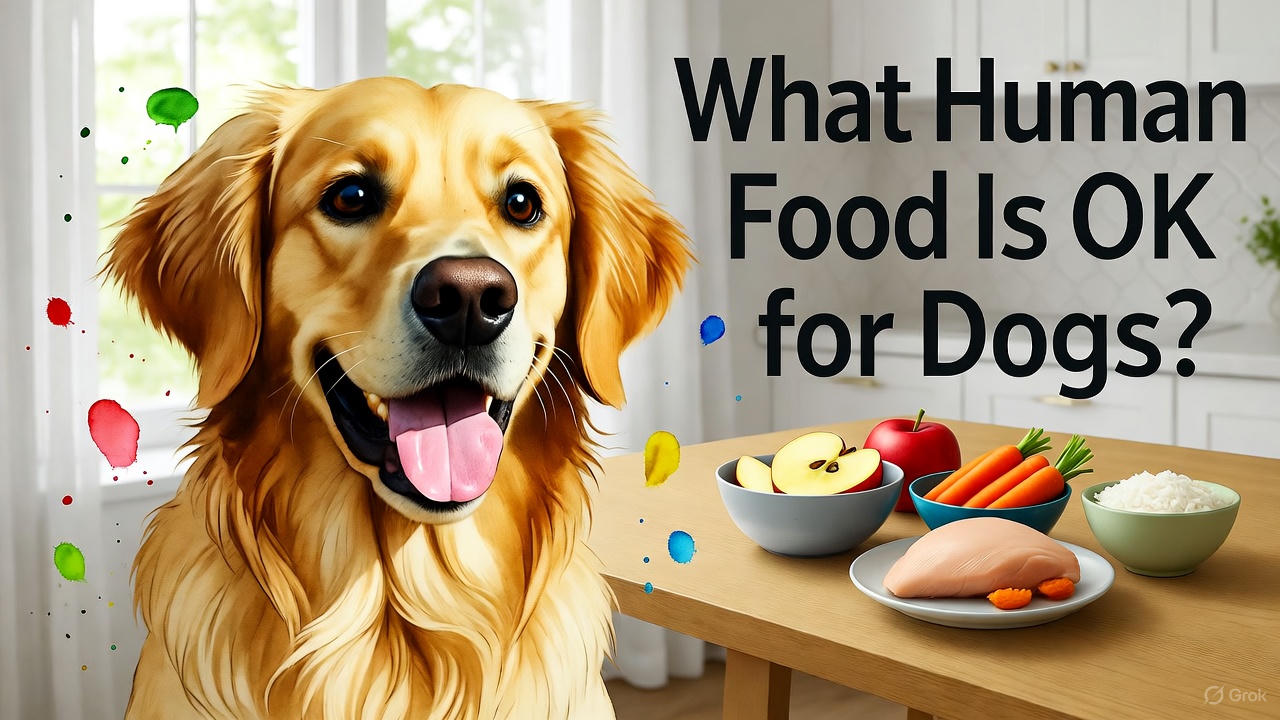
Do you know what Human Food Is Safe for Dogs From the Kitchen? Ultimate List (2026)
Discover what human food is OK for dogs. Learn about safe, healthy foods your dog can eat, what to avoid, and how to feed responsibly.
Hy! My loving pet fellow’s hope you are well today we are discussing what Human food which are we using in our daily life is better for our lovely puppy and which is unsafe for them.Here am sharing my thoughts and authentic research about this caring topic so please read carefully these guidelines because this is our puppy life question.so let’s start with a friendly concept.As loving dog owners, we often want to share our favorite snacks with our furry companions. After all, those adorable eyes make it hard to say no! But not all human foods are safe for dogs — in fact, some can cause serious health issues.
So, what human food is OK for dogs?
In this detailed guide, we’ll explore safe human foods for dogs, their health benefits, feeding tips, and which foods you should avoid completely. Whether you’re a new dog parent or a long-time pet lover, this article will help you make informed, healthy choices for your canine friend.
RELATED

Why Knowing Safe Human Foods for Dogs Matters
Dogs have different digestive systems than humans. Their bodies don’t process certain ingredients — like chocolate, onions, or grapes — the same way we do. That’s why understanding which human foods are safe for dogs is crucial.
Feeding the wrong food can cause problems such as:
- Upset stomach
- Vomiting or diarrhea
- Toxic reactions
- Long-term organ damage
On the other hand, healthy human foods can provide:
- Essential vitamins and minerals
- Natural antioxidants
- Protein and healthy fats
- A fun and tasty treat alternative
Safe Human Foods Dogs Can Eat
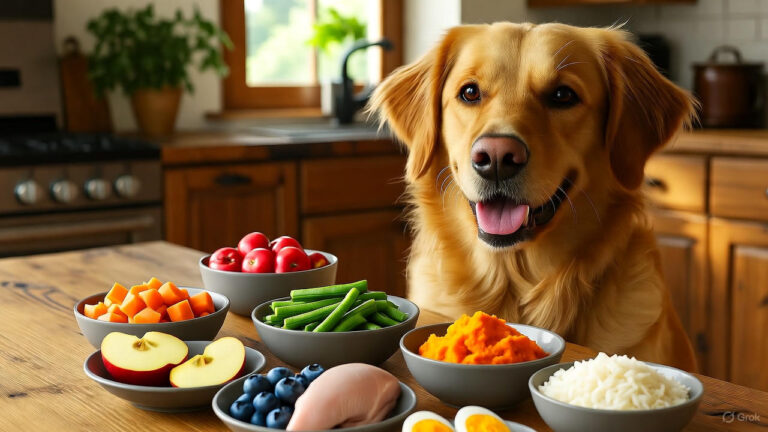
Here’s a list of human foods that are safe for dogs and even beneficial in moderation.
1. Apples
Apples are rich in vitamin A, vitamin C, and fiber, making them an excellent low-fat snack.
Tip: Remove the seeds and core before feeding because apple seeds contain cyanide, which is harmful to dogs.
2. Bananas
Bananas are packed with potassium, fiber, and natural sugars. They’re a great energy booster and help maintain muscle and nerve health.
Serve in moderation due to their sugar content — too much can lead to weight gain.
3. Carrots
Raw or cooked, carrots are safe and promote good dental health by helping clean your dog’s teeth. They’re rich in beta-carotene, which supports eye health.
4. Peanut Butter (Unsalted, No Xylitol)
Dogs love peanut butter! It’s a great source of healthy fats, protein, and vitamin E.
However, always check the label — it should not contain xylitol, a sweetener toxic to dogs.
5. Plain Cooked Chicken
Chicken is one of the best protein sources for dogs. It supports muscle development and is gentle on the stomach.
Avoid seasoning or frying — just boil or grill plain chicken for a healthy treat.
6. Rice
Plain white or brown rice can help soothe an upset stomach. It’s easy to digest and provides energy.
Mix it with boiled chicken for a simple, healthy meal.
7. Pumpkin
Pumpkin is rich in fiber and beta-carotene, promoting digestive health and firm stool. Use plain, unsweetened pumpkin — not pie filling.
8. Eggs
Cooked eggs are a wonderful source of protein, iron, and fatty acids.
Avoid raw eggs, as they can carry bacteria like salmonella.
9. Green Beans
Green beans are low in calories and high in fiber, making them a perfect weight-loss snack for dogs.
Serve them plain — no salt, garlic, or butter.
10. Oatmeal
Oatmeal provides fiber, vitamins, and minerals, and is especially beneficial for dogs with sensitive stomachs.
Always cook it and avoid sugar or flavorings.
11. Blueberries
Blueberries are antioxidant powerhouses that help fight aging and boost immunity. You can give them fresh or frozen as a cool treat in summer.
12. Watermelon
Hydrating and refreshing, watermelon is safe for dogs in moderation. Remove the seeds and rind before serving. It’s rich in vitamins A, B6, and C.
13. Sweet Potatoes
Sweet potatoes are packed with fiber, beta-carotene, and vitamins. They help support digestion and skin health.
Serve cooked, not raw.
14. Yogurt (Plain, Unsweetened)
Yogurt contains probiotics that support gut health.
Use plain, unsweetened yogurt and avoid artificial sweeteners like xylitol.
15. Cucumbers
Cucumbers are low in calories and high in hydration. Perfect for overweight dogs or as a crunchy snack in hot weather.
16. Fish (Salmon, Tuna, Sardines)
Cooked fish is rich in omega-3 fatty acids, which support skin, coat, and brain health.
Avoid raw fish or bones — they can cause choking or infection.
17. Cheese (In Moderation)
Most dogs can eat small amounts of cheese as a treat. Choose low-fat options like mozzarella or cottage cheese.
Avoid if your dog is lactose intolerant.
18. Peas
Peas are loaded with vitamins B, C, and K and are a good source of plant protein. Add boiled peas to your dog’s meal for a healthy boost.
19. Broccoli
Broccoli can be a healthy snack when fed in small amounts. It’s rich in fiber and vitamin C but should not exceed 10% of your dog’s daily diet.
20. Strawberries
Strawberries contain antioxidants and vitamin C and can even help whiten your dog’s teeth.
However, feed them in small portions due to their natural sugar content.
Human Foods Dogs Should Avoid Completely
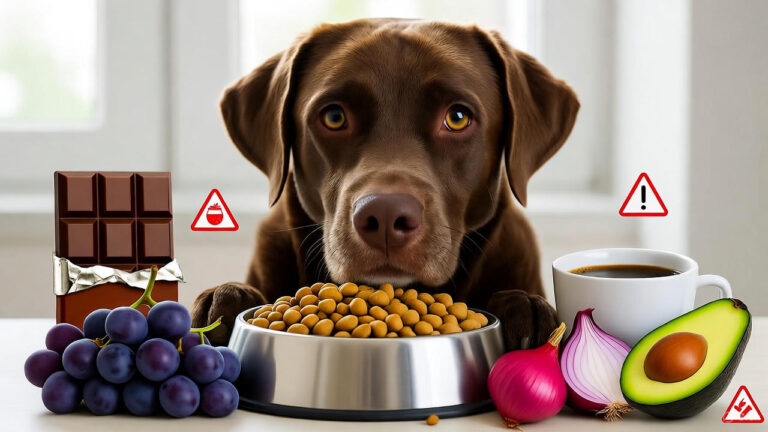
Now that you know the safe ones, here’s a quick list of dangerous human foods for dogs:
| 🚫 Food | ❌ Why It’s Dangerous |
|---|---|
| Chocolate | Contains theobromine, toxic to dogs |
| Grapes & Raisins | Can cause kidney failure |
| Onions & Garlic | Damage red blood cells |
| Avocado | Contains persin, harmful to dogs |
| Alcohol | Extremely toxic even in small amounts |
| Xylitol (found in sugar-free gum) | Causes liver failure and low blood sugar |
| Caffeine | Can cause restlessness, heart issues |
| Macadamia Nuts | Leads to weakness and tremors |
| Raw Dough or Yeast | Expands in stomach, causing pain and bloating |
Portion Control: How Much Human Food Is OK for Dogs?
Even safe foods can be harmful in excess. The key is moderation.
Here’s how to safely include human food in your dog’s diet:
- Treats should not exceed 10% of your dog’s daily calories.
- Start small — introduce one food at a time.
- Watch for allergic reactions such as itching, vomiting, or diarrhea.
- Always serve foods plain, without salt, sugar, or spices.
Homemade Treat Ideas Using Safe Human Foods
If you want to go the extra mile, try these simple and healthy homemade dog treats:
Banana Oat Cookies
Ingredients: Mashed banana, oats, and a spoon of peanut butter
Method: Mix, shape into small balls, and bake at 180°C for 10–12 minutes.
Chicken & Rice Bowl
Boil plain chicken and brown rice, mix with carrots or peas — a perfect meal for sensitive stomachs.
Apple & Yogurt Frozen Cubes
Blend apple slices with plain yogurt and freeze them for a cool summer snack.
Pro Tip: Always Consult Your Vet
Even though these foods are generally safe, every dog is different. Breed, size, age, and health conditions all play a role in what your dog can or cannot eat.
If you’re unsure, talk to your veterinarian before introducing any new food.
Health Benefits of Feeding Dogs Safe Human Food
In moderation, dog-safe human foods can:
- Improve digestion and bowel movement
- Strengthen immune system
- Promote shiny coats and healthy skin
- Reduce inflammation and allergies
- Provide natural energy without artificial fillers
Just make sure that human foods supplement your dog’s diet, not replace it entirely.
RELATED

Frequently Asked Questions (FAQs)
1. Can dogs eat eggs every day?
Yes, but not raw. Feed cooked eggs occasionally — too much can cause stomach upset.
2. Is milk safe for dogs?
Most adult dogs are lactose intolerant, so milk can cause gas or diarrhea. A small amount is fine if tolerated.
3. Can dogs eat bread?
Plain bread is safe in small quantities, but avoid flavored or sweetened types.
4. Is rice good for dogs every day?
Yes, especially if your dog has digestive issues. However, it should not be the main part of the diet.
5. Can dogs eat raw meat?
Raw diets are controversial — while some owners use them, raw meat can contain bacteria. Always consult your vet first.
Conclusion: Feed Smart, Love More
So, what human food is OK for dogs?
The answer: quite a few — as long as you know which ones are safe and serve them responsibly.
Fruits like apples and bananas, veggies like carrots and peas, and proteins like cooked chicken and fish can make your dog’s diet more nutritious and enjoyable.
Avoid toxic foods like chocolate, grapes, onions, and anything with xylitol.
By understanding what your furry friend can and cannot eat, you’ll not only keep them healthy and happy but also strengthen the bond you share.