10 Rare and Beautiful Purple Birds in Nature
Introduction
Nature never stops amazing us with its colorful creations. Among the most fascinating are the purple birds—creatures that carry an aura of mystery, royalty, and elegance. Unlike blue or red birds, purple-feathered birds are rarely found in the wild, which makes spotting one a truly magical experience.
In this post, we’ll explore 10 of the rarest and most beautiful purple birds in nature, their unique characteristics, habitats, and why they are so special. Whether you’re a bird enthusiast, wildlife photographer, or simply a nature lover, these birds are sure to leave you in awe.
1. Purple Gallinule (Porphyrio martinicus)
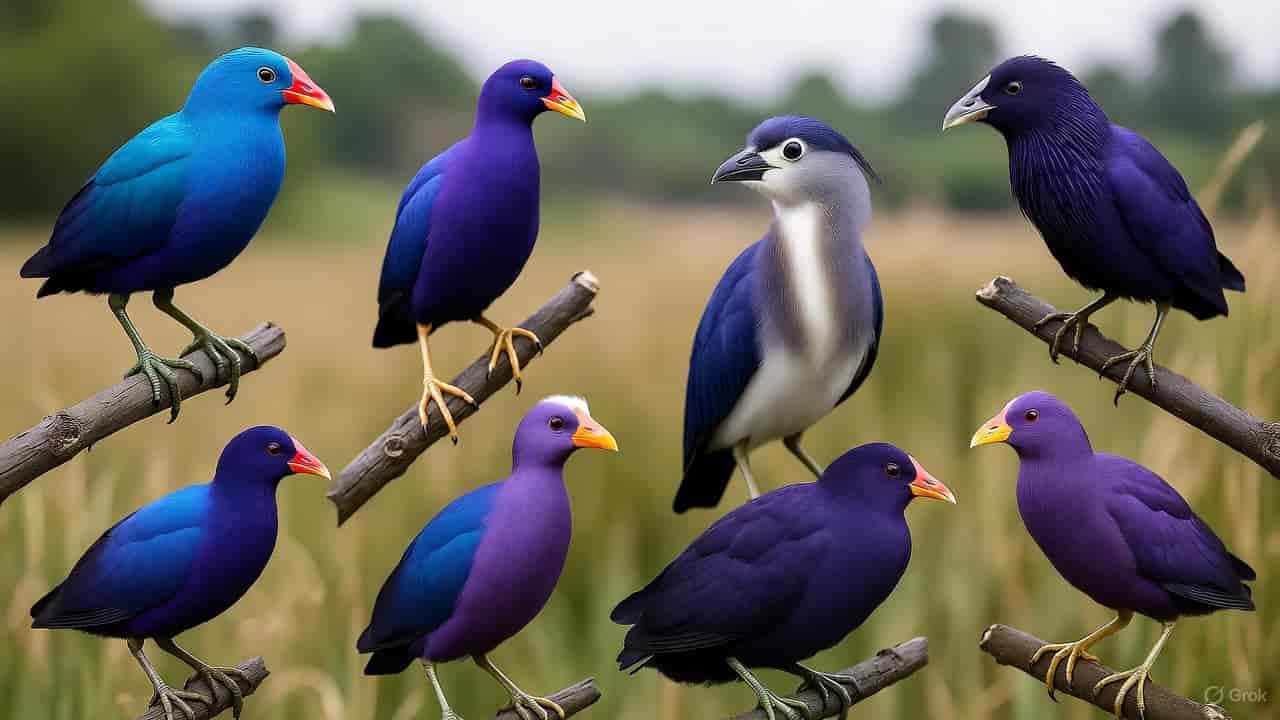
The Purple Gallinule is a dazzling bird with a royal mix of purple, green, and turquoise feathers. Found in warm wetlands of the Americas, this bird walks gracefully on floating vegetation thanks to its long yellow legs.
What makes it stand out is its iridescent plumage, which reflects a spectrum of colors under the sun. The Purple Gallinule feeds on seeds, insects, and small aquatic animals.
Habitat: Freshwater marshes and swamps
Region: Southern United States, Central, and South America
Fun Fact: It’s often nicknamed “The Marsh Hen with a Crown.”
2. Violet-Backed Starling (Cinnyricinclus leucogaster)
Known for its shimmering purple and violet feathers, the Violet-Backed Starling is a small yet stunning bird native to sub-Saharan Africa. Males shine with metallic purple on their back and head, while females sport a more modest brownish tone.
These starlings are social and often seen in flocks. They feed mainly on fruits and insects, playing a vital role in seed dispersal.
Habitat: Open woodland, savannas, and forest edges
Region: Africa
👉Related :Violet-backed Starling
purple birds, rare purple birds, violet-backed starling, purple martin, purple finch, purple honeycreeper, purple gallinule, purple bird species, purple hummingbird, purple roller bird, varied bunting, african purple bird
Fun Fact: Also known as the
Plum-colored Starling due to its radiant plumage.
3. Purple Martin (Progne subis)
The Purple Martin is North America’s largest swallow and a favorite among birdwatchers. Males boast glossy blue-purple feathers, while females have a lighter gray tone.
They are migratory birds that travel thousands of miles between North and South America each year. Purple Martins are cavity nesters, often living in man-made birdhouses.
Habitat: Open fields, near lakes, and urban areas
Region: North America
👉 Related:How to Train your Lovely Bird
Fun Fact: Purple Martins help control insect populations by eating mosquitoes and flies.
4. Varied Bunting (Passerina versicolor)
The Varied Bunting looks like a living rainbow, but its main highlight is its deep purple plumage mixed with red and blue hues. These birds are small but extremely eye-catching.
They’re found mainly in desert scrublands and thorny areas across the southwestern United States and Mexico. Their diet consists mainly of seeds and insects.
Habitat: Desert canyons and brushy areas
Region: Southwestern USA and Mexico
Focus Keyword: Varied Bunting bird
Fun Fact: Males turn their brightest color during the breeding season to attract mates.
5. Purple Grenadier (Uraeginthus ianthinogaster)
This exotic finch species from East Africa has a brilliant purple chest and face with contrasting brown wings. The Purple Grenadier is one of the most attractive small birds in Africa.
They thrive in dry scrublands and grasslands and are often found near water sources. Their gentle “tsee-tsee” calls make them easy to recognize.
Habitat: Semi-arid grasslands and shrublands
Region: Ethiopia, Kenya, Somalia, Tanzania
Low Competition Keyword: African purple finch
Fun Fact: Males are vividly colored while females are lighter with a hint of violet.
6. Purple Honeycreeper (Cyanerpes caeruleus)
The Purple Honeycreeper is a tropical gem found in the rainforests of South America. It’s small, sleek, and known for its bright purple plumage and slender curved beak designed for sipping nectar.
This bird feeds mainly on nectar, fruits, and small insects, making it a vital pollinator.
Habitat: Rainforests and forest edges
Region: Trinidad, Venezuela, Brazil, Colombia
Focus Keyword: Purple Honeycreeper bird
Fun Fact: Males are a deep purple-blue, while females have turquoise-green plumage.
7. Purple Roller (Coracias naevius)
The Purple Roller is a large and majestic bird of prey found across sub-Saharan Africa. Unlike the vibrant Lilac-breasted Roller, the Purple Roller has a more subtle mix of brown and lilac-purple feathers.
It’s often seen perched on telephone wires or trees, scanning the ground for insects, small reptiles, or frogs.
Habitat: Dry savannas, woodlands, and grasslands
Region: Africa
👉 Related:How to Train your Lovely Bird
Fun Fact: Its rolling flight display during courtship is breathtaking to watch.
8. Common Grackle (Quiscalus quiscula)
Although the Common Grackle may appear black at first glance, its feathers shimmer with hues of purple and blue under sunlight. These birds are intelligent, social, and often found in large flocks.
They thrive in urban areas, farmland, and forests. Their bold appearance and loud calls make them easy to spot.
Habitat: Fields, forests, and urban areas
Region: North America
Focus Keyword: Common Grackle purple bird
Fun Fact: Their iridescent plumage helps them appear larger to predators.
9. Costa’s Hummingbird (Calypte costae)
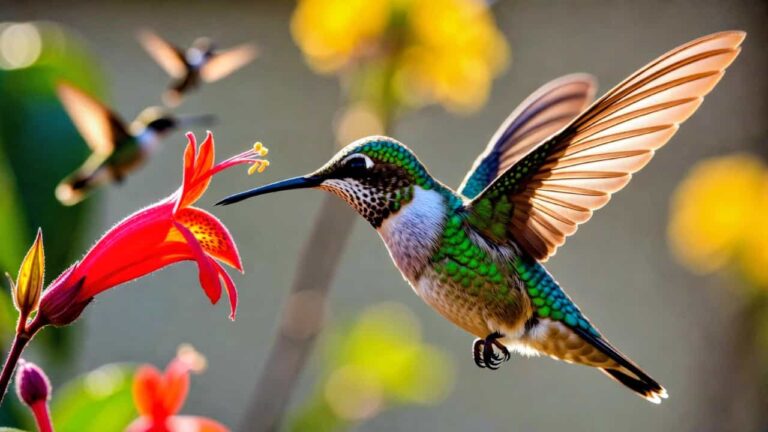
The Costa’s Hummingbird is a tiny but dazzling bird native to the deserts of the American Southwest. The male’s vibrant purple crown and throat feathers make it one of the most beautiful hummingbirds in the world.
Despite its small size, it has a powerful and fast flight. It mainly feeds on nectar and small insects.
Habitat: Desert scrub and arid regions
Region: California, Arizona, Nevada, Mexico
Low Competition Keyword: Purple hummingbird species
Fun Fact: The male performs impressive courtship dives, showing off its glittering purple feathers.
10. Purple Finch (Haemorhous purpureus)
Despite its name, the Purple Finch has more of a reddish-purple hue, but it’s still considered one of the most elegant purple-toned birds in North America.
These birds love seeds and berries and are frequent visitors to backyard feeders. Males are more colorful than females, who are brown and white.
Habitat: Coniferous forests, gardens, and suburban areas
Region: North America
👉 Related :Purple Finch
Fun Fact: Their sweet, warbling song is often described as one of the happiest bird songs.
Why Are Purple Birds So Rare?
Purple pigment is uncommon in nature. Most “purple” birds don’t actually produce purple pigment; instead, they have microscopic feather structures that reflect and scatter light, making them appear purple. This phenomenon, called structural coloration, is also what makes peacock feathers and butterfly wings shimmer with iridescence.
How to Attract Purple Birds to Your Backyard
If you want to see purple birds up close, here are a few tips:
- Provide Nectar Feeders: Perfect for honeycreepers and hummingbirds.
- Add Fruit Trees or Berry Bushes: Birds like the Purple Finch and Starling love berries.
- Install Birdhouses: Especially for Purple Martins.
- Avoid Chemical Pesticides: They harm insects that birds rely on for food.
- Add a Bird Bath: Clean, shallow water attracts all kinds of birds.
Conservation and Protection
Many purple bird species face habitat loss due to deforestation and climate change. Supporting bird conservation projects and planting native trees can help maintain their populations.
Organizations like BirdLife International and Audubon Society work globally to protect these birds and their habitats. Even small actions, like creating bird-friendly spaces at home, can make a difference.
Conclusion
Purple birds remind us how magical and diverse nature truly is. From the tiny Costa’s Hummingbird to the majestic Purple Roller, each bird carries a story of beauty and resilience.
Spotting one is rare—but knowing their names, habitats, and conservation status makes the experience even more meaningful. Next time you’re out in nature, look closely—you might just glimpse a flash of purple wings under the sunlight.
Frequently Asked Questions (FAQs)
1. Are there really purple birds in nature?
Yes! While pure purple pigments are rare, many birds like the Purple Martin and Violet-Backed Starling appear purple due to light reflection on their feathers.
2. Where can I find purple birds?
Purple birds are mostly found in tropical regions, rainforests, wetlands, and savannas across Africa, Asia, and the Americas.
3. Why are purple birds so rare?
Because most birds don’t produce purple pigment naturally—structural light reflection creates the purple effect instead.
4. Can I keep a purple bird as a pet?
Most purple birds are wild and protected under wildlife conservation laws. Instead, you can attract them to your garden by planting native flowers or adding feeders.
5. Which purple bird is easiest to spot in North America?
The Purple Martin and Purple Finch are among the most commonly seen purple-toned birds across North America.