

20 Amazing Cat Facts You Didn’t Know (Fun & Surprising)
Cats, besides being among the world’s most loved and adored pets, have demonstrated loyalty to humans for centuries. Their innocent appearance, gentle nature, and sweet disposition—along with their unique personalities—often reveal surprising traits that many people only discover after getting to know them.
If you own a pet cat or are planning to adopt one, this guide will explain several interesting yet important facts that will help you take better care of your feline companion. I will walk you through cats’ physical characteristics, their vocalizations, sleep patterns, eye behavior, and various body and paw movements that can help you build a stronger bond with your beloved cat.
Read Also: Before You Buy: How to Choose a Healthy Parakeet from a Pet Store
Interesting Facts About Cat Sounds

Cats are experts at expressing themselves in many ways, especially through meowing and purring. You may be surprised to learn that while we often think cats simply play around and casually make sounds, the reality is quite different. In many cases, the frequency of a cat’s which is (25 to 150Hz), purring can be comparable to the vibration frequency of a running vehicle’s engine.
From a scientific perspective, it has also been proven that a cat’s purring is not just a random sound. Along with expressing emotions, it may also have healing properties. Research suggests that the vibrations produced by purring can contribute to stress relief and even support physical recovery. It is not merely a sign of happiness; it is sometimes considered therapeutic.Apart from this, cats also make sounds like hissing, growling and chattering. Chattering occurs upon seeing prey, which is an expression of their predatory nature.
Furthermore, when a cat makes soft and gentle sounds, it is usually a sign of comfort, affection, and contentment. On the other hand, different tones or louder sounds may indicate displeasure, discomfort, or a need for attention.
Physical Characteristics of Cats: Anatomy, Speed, and Flexibility

Cats are among nature’s best-engineered predators. Their physical structure, highly developed senses, flexible skeletal framework, and powerful muscles make them exceptional hunters. Their strong hind legs and flexible spine give them the remarkable ability to jump up to six times their body length. According to experts, a cat’s spine contains approximately 53 vertebrae, whereas the human spine has only 33. This is the primary reason cats possess extraordinary flexibility.
In addition, when we examine their running speed, cats can reach speeds of up to 30 miles per hour, a capability that greatly enhances their hunting efficiency. Another priceless gift of nature to cats is their paws, which possess remarkable functionality. Their paws contain retractable claws that extend only during hunting and retract while resting. This feature allows them to maintain a strong grip, execute swift attacks, and move silently.
If we study the structure of their paws, we find that they have soft pads that absorb shock. This is why cats are not easily frightened by jumping from considerable heights. Scientists have confirmed that cats possess a “Righting Reflex,” which enables them to twist their bodies mid-air and land on their feet. This ability has earned them the nickname “nine lives,” although this is merely a saying; in reality, there is a scientific explanation behind it.
When discussing the physical abilities of cats, another fascinating fact comes to light: their remarkable sense of balance. Their excellent balance is due to the vestibular system located in their inner ear, which plays a crucial role in maintaining body stability. Because of this advanced balance system, cats can walk easily even on the narrowest surfaces.
If your beloved pet cat manages to reach a very high spot in your beautiful home, it is simply a demonstration of its natural abilities. To ensure proper care, we should provide them with a scratching post so they can sharpen their claws and get regular exercise.
Interesting Sleeping Facts About Cats

Cats spend nearly 70 percent of their lives sleeping. On average, they sleep between 12 to 16 hours a day. Sleep is essential for them because it helps preserve their energy and maintain their overall well-being. As we know, cats are obligate carnivores, and hunting requires significant bursts of energy. Therefore, they conserve their strength through adequate rest.
In terms of sleep patterns, cats experience two types of sleep: light sleep and deep sleep. During light sleep, they remain alert and can wake up quickly in response to sudden sounds or movement.
Cats are naturally crepuscular animals, which means they are most active during dawn and dusk. Their peak activity times are typically early morning and evening. If your cat wakes up at night, this behavior is generally normal.
Cats have a unique sleeping habit: they often curl up into a ball while resting. This curled-up position helps them retain body heat and protect their vital organs, keeping them safe and comfortable while they sleep.
However, a lack of sleep can lead to health problems. That is why it is important to provide cats with a quiet and comfortable place where they can rest properly, so they remain healthy and energetic during their active hours.
Cats’ Vision: Amazing Facts About Their Eyes
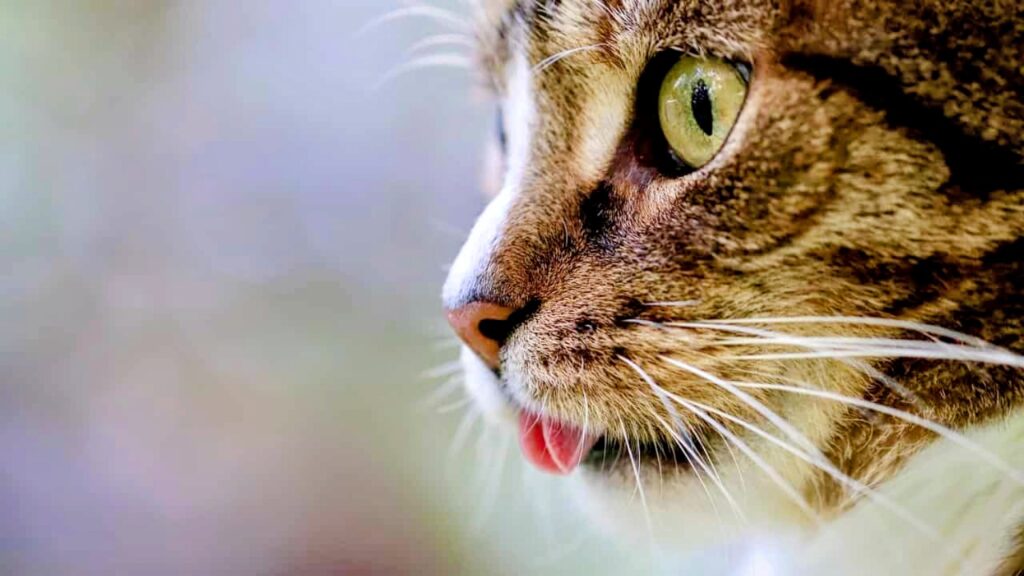
Cats can see up to six times better than humans, making their eyes one of nature’s most remarkable creations. Each cat’s eye has three eyelids—the upper, lower, and a third called the nictitating membrane, which helps keep the eyes moist and protected.
In terms of vision, cats have a field of view of approximately 200 degrees, which is wider than humans’ 180-degree range. However, cats cannot taste sweet flavors because their taste buds lack the receptors for detecting sweetness.
To maintain their excellent eyesight, it is important to keep a cat’s eyes clean and monitor them for any issues. If you notice any problems, consult a veterinarian promptly to ensure your cat’s eyes remain healthy.
Cats in Ancient Egypt: Sacred Animals
The domestication of cats began approximately 10,000 years ago in ancient Egypt. In those times, cats were considered sacred and were highly revered. They are believed to have descended from the African wildcat and were even associated with divine symbols.
Today, there are over 600 million domestic cats worldwide. Interestingly, a cat’s genetics share about 95.6% similarity with tigers, highlighting their close evolutionary relationship with these magnificent big cats.
Cats’ Senses and Fascinating facts about their Behavior
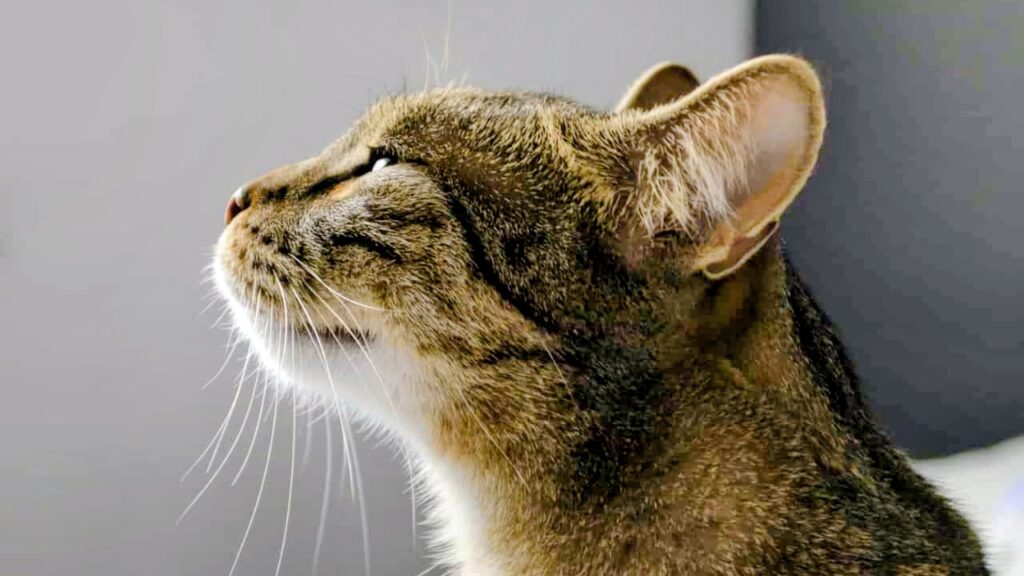
When it comes to their senses, cats have extremely sharp abilities. Their noses contain a special organ called the Jacobson’s organ, which helps them detect and analyze scents. However, cats cannot taste sweetness because their taste buds lack the receptors for it.
Regarding behavior, cats communicate through body language, scratching, and subtle vocal cues. These behaviors help them express emotions, establish territory, and interact with humans and other animals.
Best Tips for Cats’ Health
When it comes to cats’ health, they are generally at a lower risk for heart diseases. However, proper care is essential to keep them healthy. Regular check-ups and vaccinations are extremely important. Additionally, providing them with a balanced diet at the right time, a clean and comfortable environment, and attention to their overall well-being ensures that your pet cat remains healthy, happy, and energetic.
Other Fun and Interesting Facts About Cats
If you think you know everything about cats, you might be surprised by some of their lesser-known abilities. Cats are truly fascinating creatures. For instance, did you know that cats have 473 Taste bids in their bodies? Believe it or not, cats have even been to space! Experiencing zero-gravity conditions proved just how adaptable and resilient these amazing animals are.Some cats are also polydactyl, meaning they have extra toes on their paws, which makes them even more unique and agile.
Conclusion
After all the discussion above, it is clear that cats are truly fascinating creatures. Once you get to know a cat, you will naturally begin to appreciate them. The facts we’ve shared show just how remarkable these small, adorable, and friendly animals are.
If you are a cat owner, it is very important to understand their sounds, behaviors, and physical abilities, as this helps build a strong and loving bond between you and your pet. Not only will this allow you to keep your cat healthy and happy, but it also proves that cats are not just ordinary pets—they can be loyal and devoted companions. The key is to understand their needs and care for them properly.