20 Best Techniques to Encourage parrots for Talking
Parrots are among the most intelligent and expressive birds in the world, famous for their remarkable ability to mimic human speech. Many parrot owners dream of hearing their feathered companion say simple words—or even hold short “conversations.” However, teaching a parrot to talk is not a matter of chance. It requires patience, consistency, proper techniques, and a supportive environment.In this detailed guide, we explore the 20 best techniques to encourage parrots for talking, based on proven training principles, behavioral science, and real parrot-owner experiences. Whether you own an African Grey, Budgie, Amazon, Cockatoo, or Macaw, these methods will help stimulate vocal learning and improve speech clarity. You will learn how repetition, positive reinforcement, daily routines, diet, mental stimulation, and social interaction play a crucial role in effective parrot speech training.Not all parrots learn at the same pace, and some may never speak fluently—but every parrot can benefit from communication-focused training. Beyond entertainment, speech training strengthens your bond, provides mental enrichment, and supports your parrot’s emotional well-being. If you are searching for how to teach a parrot to speak using ethical, stress-free, and practical methods, this guide offers a complete roadmap.
Techniques to Encourage Parrots for Talking
RELATED
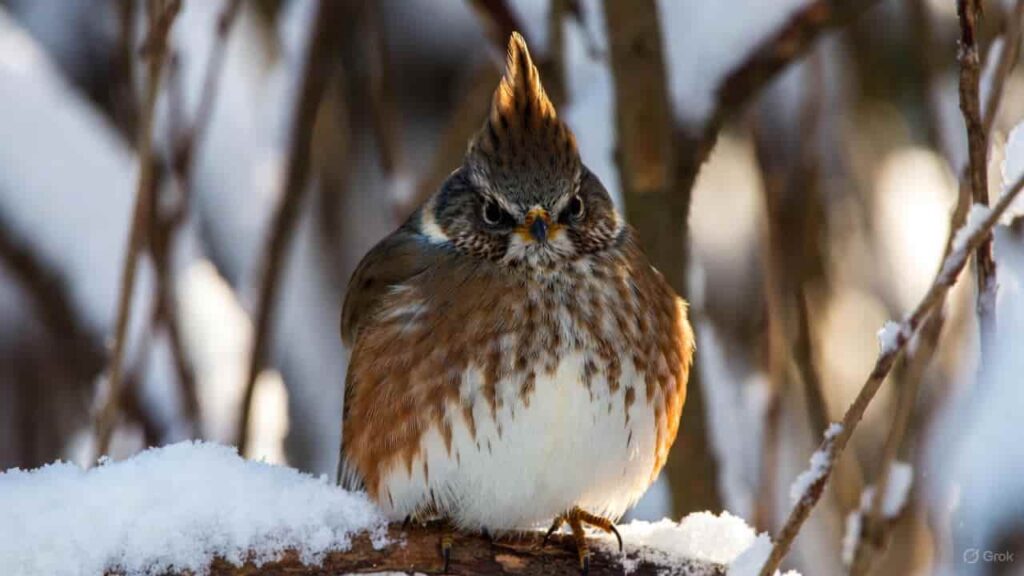
Parrots have long fascinated us with their uncanny ability to mimic human speech. If you’re a bird enthusiast or a new parrot owner, you’ve probably dreamed of hearing your feathered friend say “hello” or even crack a joke. But encouraging parrots to talk isn’t just about luck—it’s a blend of patience, consistency, and the right strategies. In this comprehensive guide, we’ll dive into the 20 best techniques to encourage parrots for talking, drawing from expert advice and real-world experiences. Whether you have an African Grey, a Budgie, or a Cockatoo, these methods can help unlock your parrot’s vocal potential.
Before we jump in, let’s set the stage. Parrots don’t “talk” in the human sense; they mimic sounds they hear frequently. Species like African Greys are renowned for their vocabulary, sometimes learning hundreds of words, while others like Macaws might focus more on sounds and phrases. The key is creating an environment where your parrot feels safe, engaged, and motivated. Remember, not all parrots will become chatterboxes—factors like age, species, and individual personality play a role. Young birds, especially those hand-raised, tend to pick up speech faster. However, even older parrots can learn with the right approach.
Teaching a parrot to talk also offers benefits beyond entertainment. It strengthens your bond, provides mental stimulation, and can even help monitor your bird’s health—if they’re suddenly quiet, it might signal an issue. But patience is crucial; some parrots take weeks or months to utter their first word. Rushing the process can lead to frustration for both you and your bird. Instead, focus on positive reinforcement and fun interactions.
In the sections below, we’ll explore each technique in detail, including step-by-step tips, common mistakes to avoid, and why it works. We’ll incorporate related ideas like parrot training tips, how to teach a parrot to speak, and effective parrot speech training to make this guide even more helpful. By the end, you’ll have a toolkit to turn your silent companion into a conversationalist. Let’s get started!
Technique 1: Start with Basic Repetition
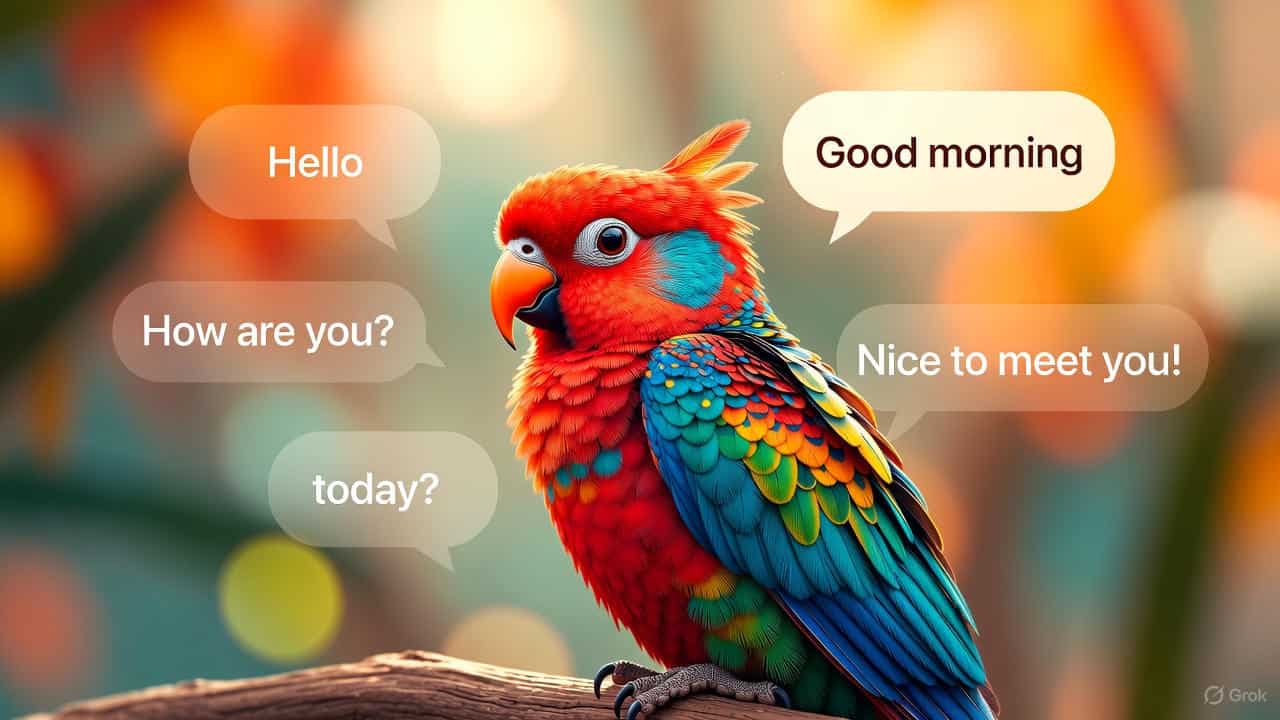
One of the foundational parrot training tips is simple repetition. Parrots learn by hearing sounds over and over, so choose easy words like “hello” or your bird’s name and repeat them clearly during daily interactions. For instance, say “good morning, Polly” every time you uncover the cage.
Why does this work? Parrots are natural mimics, and consistent exposure builds associations. However, avoid monotony—vary your tone slightly to keep it engaging. A common mistake is speaking too quickly; slow down and enunciate. Over time, your parrot might surprise you by echoing back.
To enhance this, pair repetition with treats. When your bird attempts a sound, reward immediately. This ties into positive reinforcement, a core element of how to teach a parrot to speak. Studies show that birds respond best to enthusiastic voices, so amp up your energy. If you’re consistent for 10-15 minutes daily, you’ll see progress. Moreover, integrate this with playtime to make learning fun rather than a chore.
External resources can help refine your approach. For more on repetition in bird training, check out this guide from the ASPCA on parrot care.
Technique 2: Create a Quiet Learning Environment
Noise pollution can hinder your efforts in effective parrot speech training. Parrots thrive in calm settings where they can focus on your voice without distractions like blaring TVs or loud music. Designate a quiet room for sessions, perhaps during evenings when the household is winding down.
This technique is essential because parrots are sensitive to their surroundings. A serene space reduces stress, allowing them to absorb sounds better. Additionally, dim the lights slightly to mimic a relaxed atmosphere, but ensure good visibility.
One pitfall is inconsistency—don’t switch rooms often, as familiarity breeds comfort. Instead, build a routine: 20-minute sessions twice a day. Combine this with eye contact to strengthen the bond. As your parrot gets comfortable, gradually introduce mild background noise to build resilience.
For those wondering how to make a parrot talk faster, this sets the foundation. It’s low-effort but high-impact, especially for shy birds.
Technique 3: Use Positive Reinforcement Rewards
Rewards are a game-changer in the 20 best techniques to encourage parrots for talking. Offer treats like sunflower seeds or fruits immediately after your parrot makes an attempt at speech. This creates a positive association, encouraging more tries.
The science behind it? It’s operant conditioning, where behaviors are shaped by consequences. However, timing is key—reward within seconds, or the connection fades. Vary rewards to prevent boredom; mix nuts with praise.
Avoid overfeeding, which can lead to health issues. Instead, use verbal praise like “good job!” alongside treats. This technique pairs well with others, amplifying results. In fact, many owners report breakthroughs after consistent rewarding.
Technique 4: Incorporate Daily Routines
Weave speech training into everyday activities for seamless learning. Greet your parrot by name during feeding or say “bye-bye” when leaving the room. This embeds words into context, making them meaningful.
Why integrate routines? Parrots learn best through association. For example, saying “dinner time” before meals helps them link words to actions. Furthermore, it turns training into a natural habit, reducing the need for dedicated sessions.
A common error is inconsistency—stick to the same phrases. Over weeks, your bird might anticipate and mimic them. This is particularly effective for parrot speech development, as it mimics how wild parrots communicate in flocks.
Technique 5: Play Recorded Audio
Technology can aid your efforts. Record your voice saying simple phrases and play them back during the day. Apps or devices like parrot-specific toys can loop these sounds.
This works because repetition from multiple sources reinforces learning. Nevertheless, don’t rely solely on recordings—live interaction is vital for emotional connection. Start with short clips, 5-10 minutes, to avoid overwhelming your bird.
Pro tip: Use high-quality audio to ensure clarity. Many find this boosts ways to train parrots to mimic speech, especially for busy owners.
Technique 6: Engage in One-on-One Time
Dedicate exclusive time for just you and your parrot. Sit close, make eye contact, and chat casually. This builds trust, a prerequisite for talking.
Personal attention fosters security, encouraging vocalization. In addition, it allows you to observe your bird’s moods and adjust accordingly. If they’re stressed, postpone training.
Avoid multitasking during these sessions. Instead, use toys to keep it interactive. This technique is underrated in bird talking techniques, yet it yields profound results.
For deeper insights, explore The Parrot Society UK’s training resources.
Technique 7: Mimic Their Sounds First
Turn the tables by imitating your parrot’s natural calls. This reciprocity sparks interest, prompting them to mimic you back.
It’s effective because it speaks their language, building rapport. However, be accurate in your imitations to avoid confusion. Gradually introduce human words.
This playful approach reduces pressure, making training enjoyable. It’s a staple in advanced parrot vocal training.
Technique 8: Introduce New Words Gradually
Don’t overwhelm with too many words at once. Start with 5-10 basics, mastering them before adding more.
Patience here prevents frustration. Moreover, review old words regularly to reinforce memory. Track progress in a journal.
This methodical build-up is key to successful parrot talking methods.
Technique 9: Use Visual Cues
Pair words with actions or objects. Point to a toy while saying “ball” to create visual associations.
Visuals enhance auditory learning, as parrots are observant. Additionally, it helps with contextual understanding.
Common mistake: Inconsistent cues. Stick to the same gestures.
Technique 10: Encourage Social Interaction
Expose your parrot to family or friends who speak clearly. Group settings can stimulate mimicry.
Social exposure mimics flock dynamics, boosting confidence. Nevertheless, supervise to prevent overstimulation.
This broadens their “vocabulary sources,” aiding parrot mimicry training.
Technique 11: Monitor Diet for Brain Health
A nutrient-rich diet supports cognitive function. Include omega-3s from seeds and vitamins from fruits.
Good nutrition fuels learning. For instance, vitamin A deficiency can impair focus.
Consult a vet for tailored advice. This underlies all techniques for teaching birds to talk.
Technique 12: Provide Mental Stimulation Toys
Interactive toys keep parrots engaged, indirectly promoting speech through play.
Stimulation prevents boredom, which stifles learning. Rotate toys weekly.
Pairs well with rewards for holistic parrot communication skills.
Technique 13: Practice in Short Bursts
Keep sessions brief, 10-15 minutes, to maintain attention.
Short bursts respect their span, leading to better retention. Furthermore, end on a high note.
Ideal for beginner parrot training.
Technique 14: Record and Playback Progress
Film sessions to track improvements and playback to your bird.
Self-hearing can motivate. However, use sparingly to avoid dependency.
Useful for analyzing parrot speech patterns.
Technique 15: Address Health Issues Promptly
Regular check-ups ensure no underlying issues hinder talking, like respiratory problems.
Health is foundational. Sick birds won’t learn.
Link to Avian Vet Association for expert tips.
Technique 16: Vary Your Tone and Pitch
Experiment with high pitches, as parrots often mimic them easier.
Variety keeps it interesting. Additionally, match their natural range.
Enhances fun ways to teach parrots words.
Technique 17: Create a Reward System Chart
Track successes with a visual chart, rewarding milestones.
Motivates both you and the bird. Simple yet effective.
Technique 18: Join Parrot Communities
Online forums offer shared experiences and tips.
Community support refines your methods. Nevertheless, verify advice.
Boosts community-driven parrot training.
Technique 19: Be Patient and Consistent
Consistency trumps all. Daily effort yields results.
Patience avoids burnout. Remember, progress is gradual.
Core to the 20 best techniques to encourage parrots for talking.
Technique 20: Celebrate Small Wins
Acknowledge every attempt, no matter how garbled.
Celebration reinforces positivity. In conclusion, this builds confidence.
20 best techniques to encourage parrots for talking Wrapping up, these 20 best techniques to encourage parrots for talking provide a roadmap to success. From repetition to social interaction, each builds on the last. Incorporate parrot training tips like positive rewards and quiet environments for best results. Remember, the journey is as rewarding as the outcome—your bond will deepen immensely.
If you’re consistent, patient, and attentive, your parrot could soon be chatting away. For more inspiration, explore external resources like those linked above. Happy training!
Frequently Asked Questions (FAQs)
RELATED
1. Can all parrots learn to talk?
Not all parrots will talk clearly, but many species can mimic words to some extent. African Greys, Amazons, Budgies, and Cockatoos are among the best talkers. Individual personality, age, and environment play a major role in speech development.
2. At what age should I start teaching my parrot to talk?
You can start speech training at any age, but young parrots—especially hand-raised ones—tend to learn faster. That said, older parrots can still learn new words with patience and consistent training.
3. How long does it take for a parrot to start talking?
Some parrots may speak their first word within weeks, while others may take several months. There is no fixed timeline. Consistency, repetition, and positive reinforcement are more important than speed.
4. What words should I teach my parrot first?
Start with short, clear, and frequently used words such as “hello,” “hi,” your parrot’s name, or “good morning.” Simple words with emotional meaning are easier for parrots to mimic.
5. Do male parrots talk better than females?
In some species, males are slightly more vocal, but both male and female parrots are capable of learning speech. Training quality matters far more than gender.
6. How often should I practice speech training with my parrot?
Daily practice is ideal. Short sessions of 10–15 minutes, one or two times per day, are more effective than long, infrequent sessions. Always end training on a positive note.
7. Can recorded audio really help parrots learn to talk?
Yes, recorded audio can support learning through repetition, especially when you are not present. However, live interaction is far more effective and should remain the primary method.
8. Why has my parrot suddenly stopped talking?
A sudden drop in vocalization may indicate stress, environmental changes, boredom, or health issues. If silence continues, consult an avian veterinarian to rule out medical concerns.