Discover 7 fascinating migratory birds that travel epic distances with the seasons every year. From Arctic Terns to Bar-headed Geese – amazing migration stories!
Have you ever looked up at the sky during spring or fall and wondered about those flocks of birds heading off into the distance? It’s one of nature’s most incredible spectacles – the annual migration of birds across continents and oceans. These journeys aren’t just random flights; they’re driven by the changing seasons, the search for food, breeding grounds, and better weather. In this article, we’ll dive deep into the world of migratory birds, exploring seven fascinating species that embark on these epic trips every year. From tiny songbirds to majestic raptors, each one has its own unique story of survival and adaptation.
Migratory birds have captivated humans for centuries. Ancient cultures tracked their arrivals and departures as signs of seasonal shifts, and today, birdwatchers and scientists alike study them to understand climate patterns and ecosystem health. But why do birds migrate? It’s all about resources. As winter approaches in the north, food becomes scarce, and temperatures drop. So, these clever creatures head south to warmer climates where insects, fruits, and fish are plentiful. Come spring, they return north to breed in areas with longer days and abundant nesting sites. This back-and-forth isn’t easy – it involves navigating thousands of miles, dodging predators, and battling weather. Yet, millions of migratory birds pull it off annually, showcasing evolution’s brilliance.
In the following sections, we’ll spotlight seven standout migratory birds. We’ll cover their physical traits, migration routes, behaviors, challenges they face, and why they’re so fascinating. Whether you’re a seasoned birder or just curious about wildlife, these stories will inspire you to appreciate the skies a little more. Plus, we’ll touch on how human activities impact these journeys and what we can do to help. Let’s get started!
1. The Arctic Tern: Nature’s Ultimate Traveler

When it comes to migratory birds, few can rival the Arctic Tern for sheer endurance. This small seabird, with its sleek white plumage and black cap, undertakes the longest migration of any animal on Earth. Every year, Arctic Terns travel from their breeding grounds in the Arctic Circle all the way to the Antarctic and back – a round trip that can exceed 50,000 miles. That’s like circling the globe twice! Imagine flying that far on wings that span just about 30 inches.
What makes the Arctic Tern’s journey so remarkable? For starters, they follow the sun. By migrating pole to pole, they experience almost constant daylight, maximizing feeding time. During the northern summer, they nest in places like Greenland or Alaska, laying eggs in shallow scrapes on the ground. Come autumn, as the days shorten, they set off southward, hugging coastlines and crossing vast oceans. They stop over in places like the North Atlantic to refuel on fish and krill. By the time they reach Antarctica, it’s summer there too, with plenty of marine life to sustain them.
However, this epic voyage isn’t without risks. Storms over the open sea can be deadly, and pollution from plastic waste threatens their food sources. Climate change is altering ocean currents, which could disrupt their feeding patterns. Despite these challenges, Arctic Terns are resilient. They’ve evolved lightweight bodies and efficient flight techniques, gliding on wind currents to conserve energy. In fact, studies show they can live up to 30 years, meaning a single bird might rack up over a million miles in its lifetime.
Bird enthusiasts often flock to spots like the Farne Islands in the UK or Svalbard in Norway to witness these birds during migration. If you’re interested in learning more, consider how migratory birds like the Arctic Tern highlight the interconnectedness of our planet’s ecosystems. Their paths cross international borders, reminding us that conservation efforts need global cooperation.
Adding to their allure, Arctic Terns are fiercely protective parents. During breeding season, they’ll dive-bomb intruders, including humans, to defend their nests. This behavior, while aggressive, ensures the survival of their chicks in harsh environments. As we move on to our next bird, keep in mind how the Arctic Tern’s story sets the bar high for seasonal wanderers.
RELATED

2. The Barn Swallow: A Graceful Aerial Acrobat
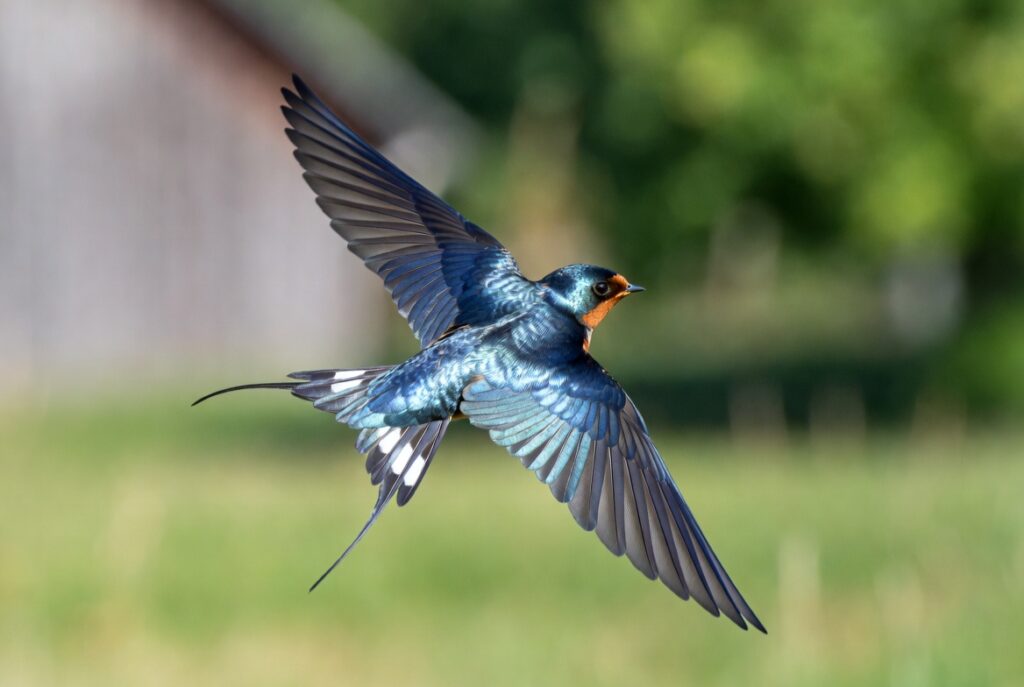
Shifting our focus to a more familiar sight, the Barn Swallow is one of those migratory birds that graces farms and countrysides worldwide. With its deep blue back, rusty throat, and long forked tail, this bird is a picture of elegance in flight. Every year, Barn Swallows migrate from North America and Europe to wintering grounds in South America, Africa, or Southeast Asia. Their journey covers up to 7,000 miles one way, often in large flocks that twist and turn like living ribbons in the sky.
Why do Barn Swallows migrate? Like many insect-eaters, they follow their food. In summer, they thrive in temperate regions where flying insects abound. They build mud nests under eaves or bridges, raising multiple broods of chicks. As autumn chills set in and insects dwindle, they head south to tropical areas teeming with bugs. Their migration route often follows river valleys and coastlines, providing stopover sites for rest and refueling.
Interestingly, Barn Swallows are masters of navigation. They use the sun, stars, and Earth’s magnetic field to find their way. Young birds learn the routes by following adults, imprinting the paths for life. However, habitat loss from urbanization poses a big threat. Fewer barns and open fields mean fewer nesting spots, and pesticide use reduces insect populations. Conservation groups are working to install artificial nests and promote eco-friendly farming to help these birds.
In cultural lore, Barn Swallows symbolize good luck and the arrival of spring. Sailors once believed seeing them meant land was near. Today, they’re a favorite among birdwatchers for their acrobatic hunting – swooping low over fields to catch flies mid-air. If you’ve ever watched one skim a pond’s surface for a drink while flying, you know the thrill.
Moreover, their social behavior adds to the fascination. They often migrate in mixed flocks with other swallows, creating spectacular aerial displays. As we transition to our next feathered traveler, think about how Barn Swallows embody the joy of seasonal change.
3. The Ruby-Throated Hummingbird: A Tiny Powerhouse
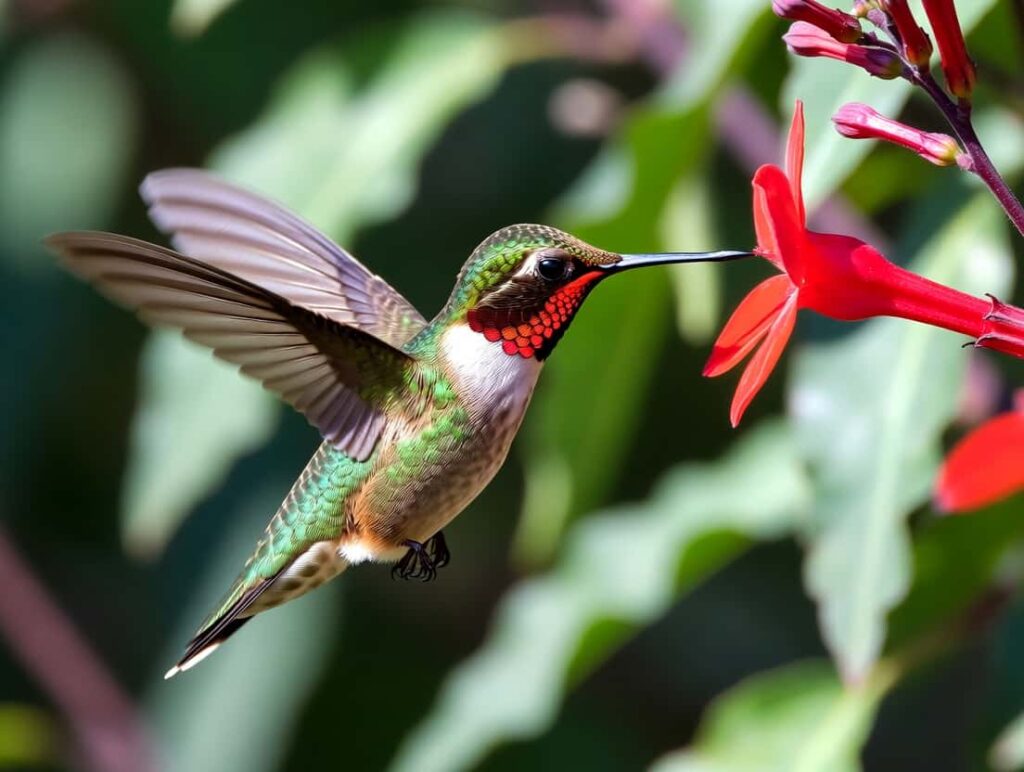
Now, let’s talk about a bird that’s small in size but huge in determination – the Ruby-Throated Hummingbird. This jewel-like creature, with its iridescent green back and the male’s vibrant red throat, is the only hummingbird that breeds east of the Mississippi River in North America. Each fall, these migratory birds embark on a non-stop flight across the Gulf of Mexico to winter in Central America or Mexico – a 500-mile ocean crossing that takes about 20 hours.
How does such a tiny bird, weighing less than a nickel, manage this feat? They bulk up beforehand, doubling their body weight with fat stores. Their wings beat up to 53 times per second, allowing hovering and backward flight. During migration, they follow nectar-rich flowers, sipping from feeders and gardens along the way. In spring, they return north, timing their arrival with blooming plants.
However, this journey is perilous. Hurricanes can blow them off course, and habitat fragmentation from development reduces stopover sites. Climate shifts might mismatch their arrival with flower blooms, leading to starvation. Despite this, Ruby-Throated Hummingbirds are adaptable, often using backyard feeders provided by humans.
Fascinatingly, males perform elaborate courtship dives, plummeting from heights to impress females. Their metabolism is so high they must eat every 10-15 minutes when active. Bird lovers can help by planting native flowers like bee balm or salvia.
In addition, studying these birds reveals insights into aerodynamics and energy efficiency. Engineers even draw inspiration from their flight for drone designs. As we proceed to the next bird, consider the sheer willpower packed into this little package.
4. The Osprey: The Fish-Hunting Raptor
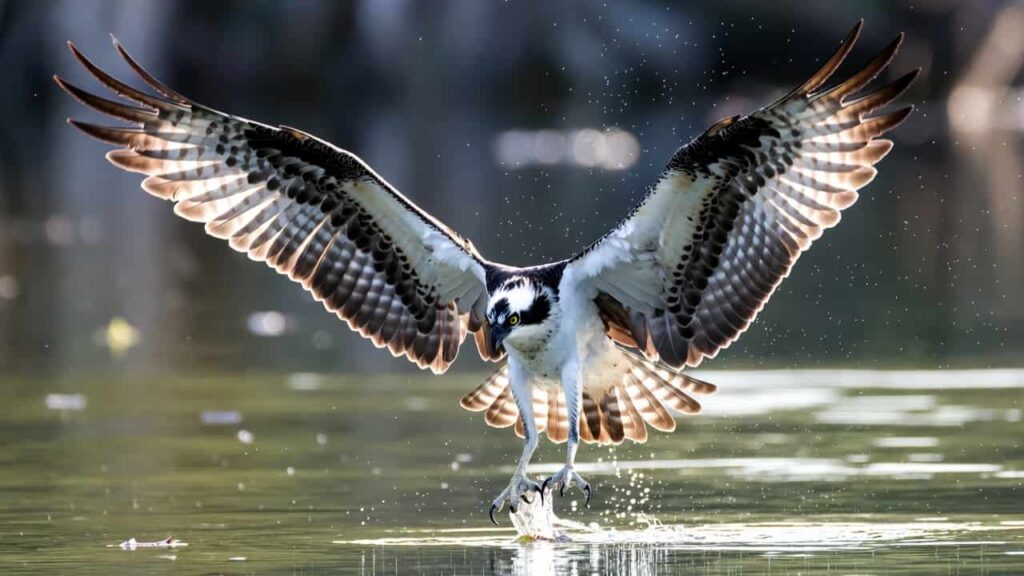
Turning to a larger predator, the Osprey is a striking migratory bird known for its fishing prowess. With a wingspan up to six feet, white underparts, and a dark eye stripe, it resembles a sea eagle. Ospreys breed in North America, Europe, and Asia, then migrate to South America, Africa, or Australia for winter – journeys spanning 4,000 miles or more.
Their migration is tied to fish availability. In summer, they nest near lakes and rivers, building massive stick platforms. They plunge feet-first into water to catch fish, with reversible outer toes for grip. Come fall, as waters cool and fish move deeper, Ospreys head south to warmer coasts.
Notably, Ospreys faced near-extinction from DDT pesticides in the mid-20th century, but bans and reintroduction programs have boosted populations. Today, threats include power line collisions and plastic entanglement. Conservation successes show how we can aid migratory birds.
Ospreys are monogamous, often returning to the same nest year after year. Bird cams worldwide let us watch their family life. For more on raptor conservation, check out this resource from the Audubon Society – it’s a great starting point.
Furthermore, their global distribution makes them indicators of environmental health. As we move forward, let’s see how another bird handles high-altitude challenges.
5. The Sandhill Crane: An Ancient Wanderer
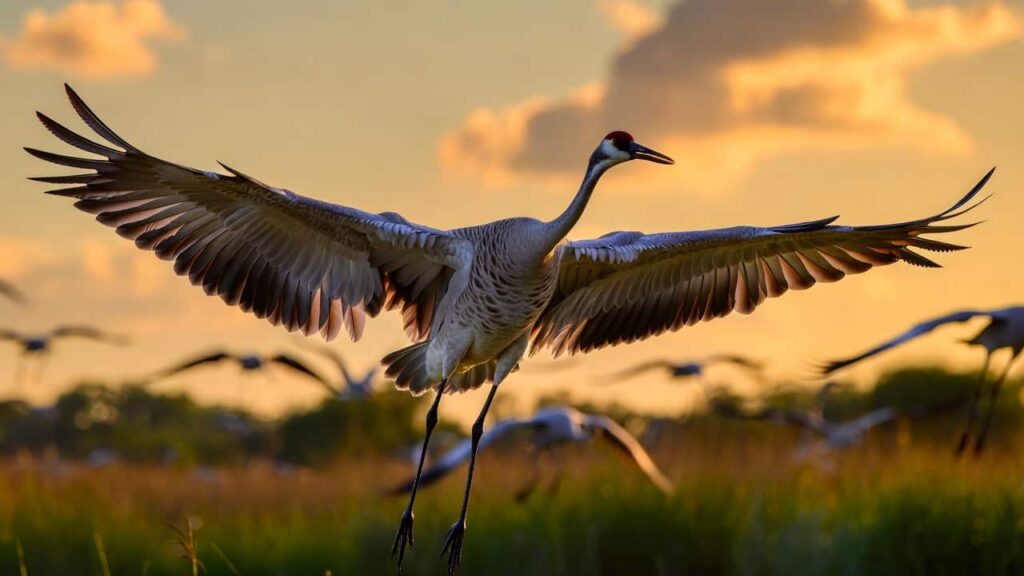
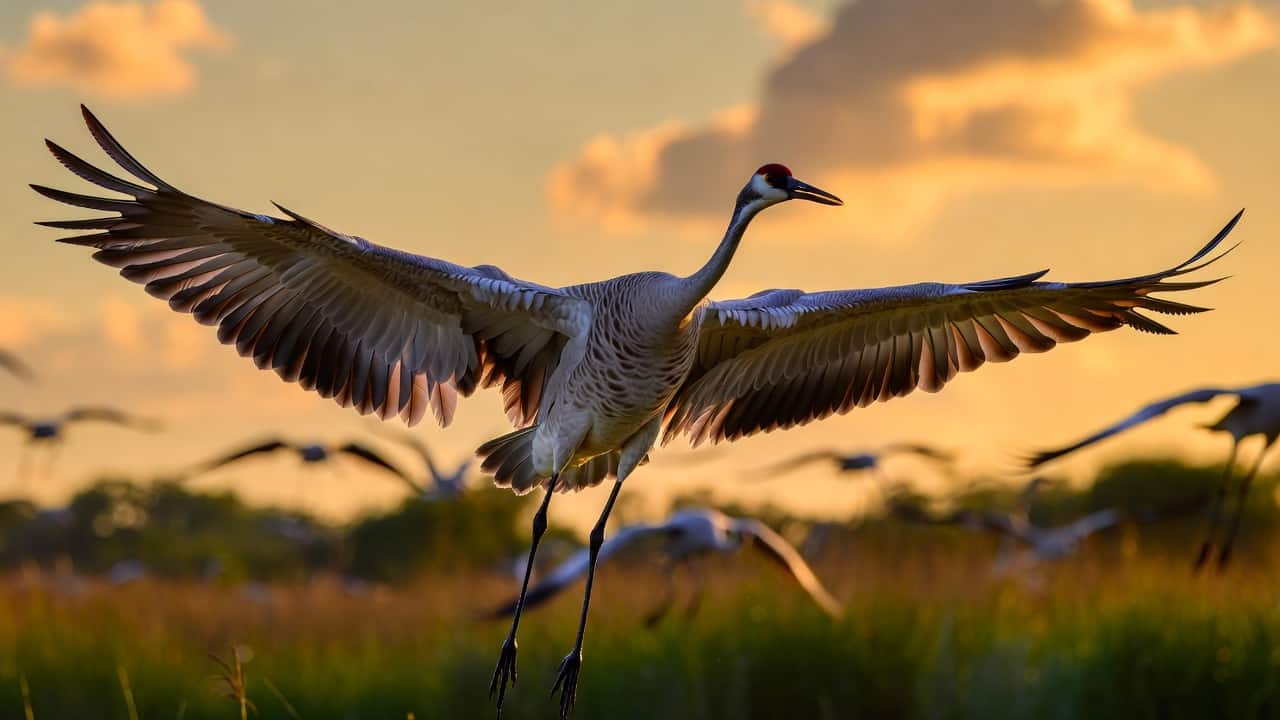
Among migratory birds, the Sandhill Crane stands out for its prehistoric vibe. Tall and gray with a red crown, these cranes migrate from breeding grounds in Canada and Alaska to wintering spots in the southern U.S. and Mexico. Flocks of thousands create unforgettable sights and sounds – their bugling calls echo across wetlands.
Their migration follows the Central Flyway, stopping at places like Platte River in Nebraska for staging. Here, they rest and feed on leftover grains, building energy for breeding. Sandhill Cranes dance elaborate courtship rituals, leaping and bowing.
However, wetland drainage for agriculture threatens their habitats. Hunting in some areas adds pressure, though regulated. Ancient fossils show they’ve migrated for millions of years, adapting to ice ages.
Bird festivals celebrate their arrivals, boosting local economies. Their family bonds are strong – chicks stay with parents through migration.
In essence, Sandhill Cranes connect us to Earth’s deep history. Next, we’ll explore a songbird’s melodic migrations.
6. The Willow Warbler: A Songful Nomad
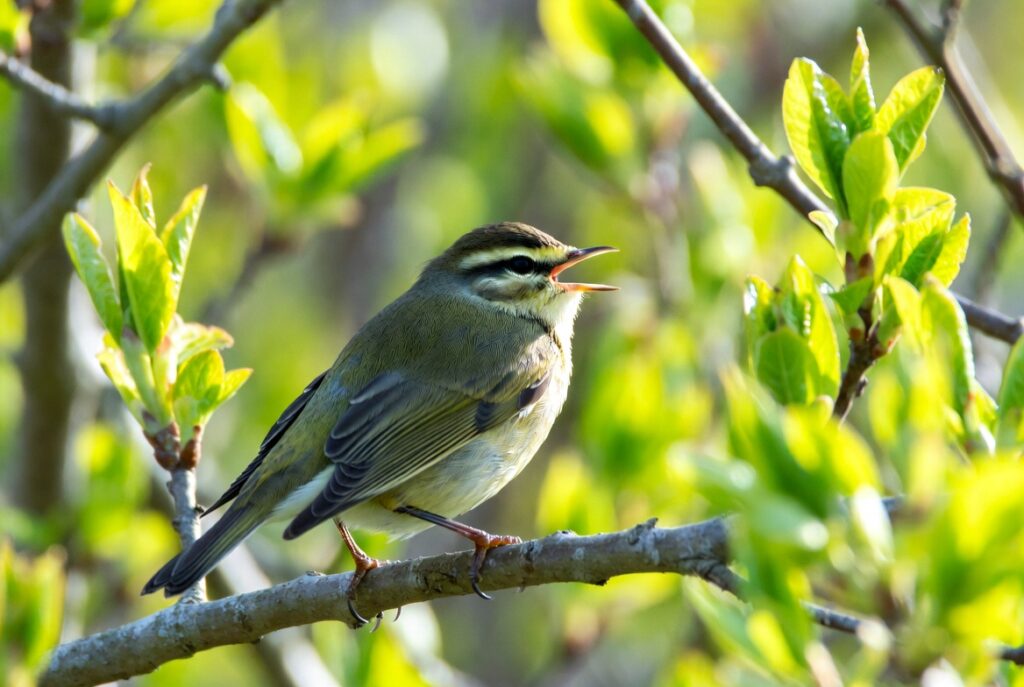
The Willow Warbler, a small olive-green bird with a sweet song, is one of Europe’s most abundant migratory birds. Breeding in northern forests from Scandinavia to Siberia, they fly to sub-Saharan Africa for winter – up to 8,000 miles.
Their journey crosses deserts and seas, relying on fat reserves. They navigate using stars and magnetic cues. Willow Warblers sing to claim territories, with variations by region.
Climate change speeds their migrations, potentially mismatching with insect hatches. Habitat loss in Africa from deforestation is a concern.
Despite being common, they’re vital for insect control. Bird ringers track them to study populations.
Moreover, their adaptability to various woodlands shows resilience. As we near our last bird, note the diversity in migration strategies.
7. The Bar-Headed Goose: High-Flying Mountaineer
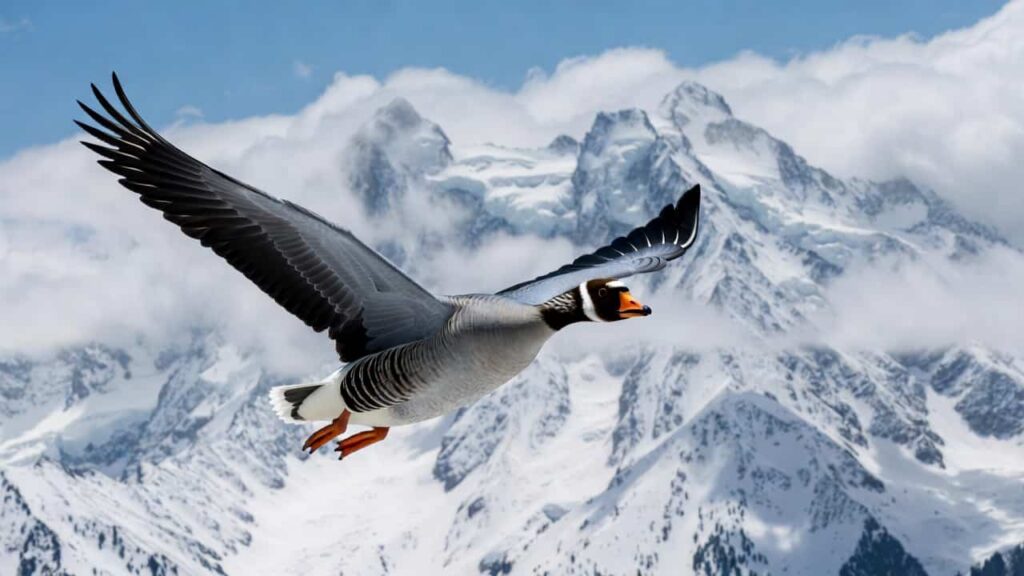
Finally, the Bar-Headed Goose amazes with its ability to fly over the Himalayas. This gray goose with black bars on its head breeds in Central Asia’s high plateaus, then migrates to India for winter – crossing peaks up to 29,000 feet.
They’ve evolved larger lungs and efficient oxygen use for thin air. Their migration is rapid, often non-stop over mountains.
Threats include hunting and wetland loss. Conservation in India protects wintering sites.
Their flights inspire aviation research on high-altitude performance.
In conclusion, these seven migratory birds – from the globe-trotting Arctic Tern to the mountaineering Bar-Headed Goose – illustrate nature’s wonders. Each faces challenges, but with awareness and action, we can ensure their journeys continue. Next time you see a flock overhead, remember the incredible stories behind their flights. Whether planting gardens or supporting conservation, every effort helps these seasonal travelers thrive.
RELATED

Frequently Asked Questions About Migratory Birds
Some of the most impressive migratory birds include the Arctic Tern (longest migration), Ruby-throated Hummingbird (non-stop Gulf crossing), Bar-headed Goose (flies over Himalayas), Osprey, Barn Swallow, Sandhill Crane, and Willow Warbler — all featured in our guide on 7 fascinating birds that migrate with the seasons every year.
The Arctic Tern holds the record for the longest migration, traveling up to 50,000–60,000 miles round-trip each year between the Arctic and Antarctic.
Ruby-throated Hummingbirds double their body weight with fat before crossing the Gulf of Mexico (500+ miles non-stop) and use energy-efficient flight techniques along with natural nectar sources.
Yes! The Bar-headed Goose is famous for migrating directly over the Himalayas, reaching altitudes of up to 29,000 feet — one of the highest migrations of any bird species.
Birds migrate to find better food, breeding grounds, and milder weather. In winter, insects and plants disappear in northern regions, so they fly to warmer areas where resources are abundant.
The Osprey is a spectacular fish-hunting raptor that dives feet-first into water to catch fish. It migrates long distances between breeding and wintering grounds.
Yes, Sandhill Cranes often migrate in huge flocks of thousands. Their famous spring staging at the Platte River in Nebraska is one of the greatest wildlife spectacles in the world.
Barn Swallows travel up to 6,000–7,000 miles one way from North America/Europe to South America, Africa, or southern Asia, depending on the population.
Birds use a combination of the sun, stars, Earth’s magnetic field, landmarks, and even smell to navigate during their seasonal migrations.
Yes. Changing temperatures can cause timing mismatches between migration and food availability, habitat loss, and more extreme weather events during long journeys.
The Willow Warbler is known for its beautiful, descending song. Millions migrate from Europe/Asia to Africa every year, filling forests with their lovely calls.