
What Can Dogs Eat? 19 Healthy Foods Your Pup Will Love
Healthy Foods your dog can enjoy! Discover 19 nutritious human foods that boost your pup’s health and happiness — vet-approved and easy to serve.
Hy pet fellow’s! Here am sharing my personal experience and research tips for my loving pet colleges .As a loving dog-owner, you want the best for your four-legged friend—delicious meals, treats, and snacks that are healthy, safe and enjoyable. While commercial dog foods are formulated to meet nutritional needs, many pet-parents like to give additional “human” foods to their dogs as treats or meal toppers. The key is safe, wholesome, and in moderation.
In this article you’ll find 19 foods that are generally safe for dogs (when prepared properly) along with notes on how to serve them, the benefits, and cautions. Before making significant changes, consult with your vet—especially if your dog is young, elderly, has underlying health issues, or is on a special diet.
Important General Guidelines
- Always introduce any new food gradually, monitor for digestive upset (vomiting, diarrhea, gas) or allergic reaction.
- Avoid added seasonings, sauces, salt, onions, garlic, large amounts of fat, bones that can splinter, and ingredients known to be toxic (e.g., chocolate, grapes/raisins, xylitol sweetener).
- Human foods should complement and not replace a balanced dog food diet unless advised by a veterinary nutritionist.
- Treats and extras should generally compose no more than 10 % of your dog’s daily calorie intake (or per your vet’s guidance).
- Make sure foods are served in appropriate portion sizes, and prepared in a dog-safe way: e.g., cooked plain, no added fat, skin removed where appropriate, fruit/veg chopped if needed to prevent choking.
Now let’s dive into the list of 19 healthy and safe foods for dogs, with explanations, preparation tips and cautions.
1. Cooked, Skinless, Boneless Chicken Breast
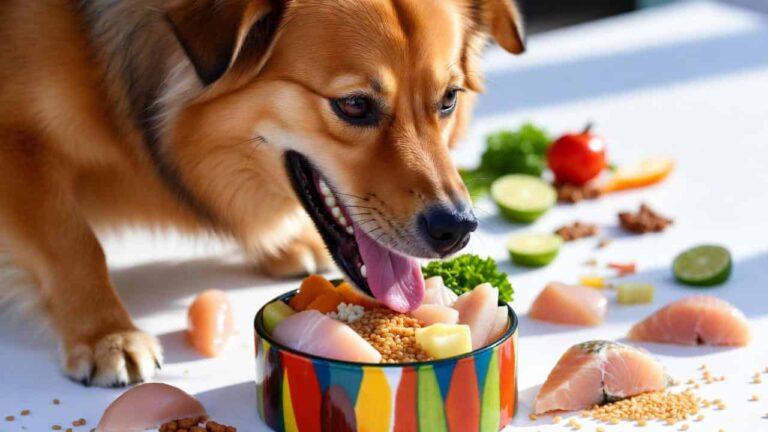
Lean poultry is a great source of protein for dogs. Using chicken breast that is cooked plain (no salt, spices, onions/garlic) makes it an excellent treat or topper.
Benefits: High-quality animal protein, supports muscle maintenance.
Serving tips: Boil or bake plain chicken breast, slice into bite-sized pieces.
Caution: Remove skin and bones. Bones may splinter and cause choking or internal injury. Also avoid heavily seasoned chicken (salt/sauces).
Recommendation: Use as a training reward, mixed in with dog’s regular food, or occasional treat.you can also visit AKC guide on safe human foods for dogs.
2. Plain Pumpkin (cooked or canned, no spices)
Plain pumpkin (not pumpkin pie mix with sugars/spices) is an excellent dog-friendly food.
Benefits: High in fibre and moisture, can support digestive health (help with mild constipation or loose stools). For example, experts note pumpkin is a safe holiday “extra” for dogs if plain.
Serving tips: Use plain canned pumpkin (100% pumpkin, no additives) or cook fresh pumpkin and mash. Offer a small spoonful mixed into food.
Caution: Avoid pumpkin pie mix or desserts with sugar, butter, spices—those can upset your dog’s stomach.
Note: Great if your dog shows occasional digestive sluggishness—but if problems persist, consult a vet.
3. Carrots (raw or lightly steamed)
Carrots are generally safe, crunchy, and low-calorie—making them good for most dogs, especially ones that need lower-calorie treats.
Benefits: Source of beta-carotene, fibre, good for teeth (chewing raw carrots can help)
Serving tips: Wash well, peel if needed, cut into manageable sticks or chunks; small breeds may need smaller pieces. Light steaming softens them.
Caution: Very large chunks may be a choking hazard; always supervise.
Tip: Use as training treats, or as part of snack mix with other safe vegetables.
4. Green Beans (plain, cooked or raw)
Green beans are another safe vegetable option.
Benefits: Low calorie, fibre-rich, vitamins; can be a good filler if your dog is on a weight-management plan.
Serving tips: Serve raw (washed) or lightly steamed/boiled with no added salt or seasoning. Trim ends as needed.
Caution: Do not serve in heavily seasoned dishes or mixed with bacon/cheese/butter.
Tip: Some pet foods use green beans as “safe filler” for weight-loss formulas—making them a familiar taste.
5. Plain Sweet Potato (cooked, no seasoning)
Sweet potatoes are nutrient-rich and dog-friendly when prepared properly.
Benefits: Rich in fibre, vitamins A and C, good for digestive health.
Serving tips: Peel, cube, bake or steam until soft. Cool before giving. Avoid adding butter, sugar, marshmallows, salt.
Caution: High in carbohydrates—so for dogs with weight issues or diabetes, adjust portions accordingly.
Tip: Great as a special snack or puree mixed into meals.
6. Apples (cored, no seeds)
Apples make for a crunchy, sweet treat dogs often enjoy.
Benefits: Fiber, vitamin C, hydrating (because high water content)
Serving tips: Wash well, remove core/seeds (apple seeds contain small amounts of cyanogenic compounds if broken) and cut into slices.
Caution: Do not offer the core/pips, and ensure the pieces are small enough to avoid choking. Also avoid sweetened apple products or dips (which may contain additives or xylitol).
Tip: Portion modestly due to natural sugars.
7. Plain Cooked Fish (e.g., salmon or white fish)
Fish can offer valuable omega-3 fatty acids and protein for dogs.
Benefits: Good source of healthy fats (especially salmon), supports skin/coat and joint health.
Serving tips: Use boneless, skinless fish, bake or steam plain. Remove all bones. Serve small portions appropriate to dog size.
Caution: Ensure fish is cooked thoroughly (raw fish may contain parasites/bacteria). Avoid fish seasoned with onion/garlic/spices. Some fish are high in mercury—use lower-mercury species and moderate servings.
Tip: Use as a special treat or meal alternate once in a while.
8. Plain Yogurt (unsweetened, low-fat)
Many dogs tolerate plain yogurt and can benefit from probiotics (depending on the product).
Benefits: Calcium, protein, potentially beneficial bacteria; good for digestive health if your dog tolerates dairy.
Serving tips: Choose plain, unsweetened, no artificial sweeteners (especially watch out for xylitol!). Offer a spoonful (size varies by dog size) mixed into regular food.
Caution: Some dogs are lactose intolerant; if you notice gas, diarrhea, vomiting, stop offering. Also some yogurts contain xylitol or heavy sugar—check label.
Tip: Use as an occasional topper or treat.
9. Peanut Butter (unsalted, no xylitol)
Peanut butter is a well-loved dog treat—but there are important caveats.
Benefits: Protein, healthy fats, flavor strong appeal to dogs
Serving tips: Choose natural peanut butter with minimal ingredients: peanuts, maybe salt. Crucially avoid any that contains xylitol (a sugar substitute extremely toxic to dogs). Offer it in moderation— for example a small smear or a dog-toy filled with peanut butter.
Caution: High in fat and calories; excessive use may lead to weight gain or pancreatitis. Some dogs may have peanut allergy.
Tip: Use as training reward or occasional treat—avoid daily large amounts.
RELATED

10. Eggs (cooked, plain)
Eggs are a great protein source for dogs when prepared properly.
Benefits: High-quality protein, vitamins, good amino acid profile
Serving tips: Cook the egg fully (boiled or scrambled plain, no butter/oil, no salt) and chop before serving.
Caution: Raw eggs are not recommended due to risk of Salmonella and possible interference with biotin absorption. Also, watch portion size to avoid imbalance.
Tip: Use occasionally as a booster of meal variety.
11. Oatmeal (plain, cooked, no sugar)
Oatmeal can be a safe grain option for dogs (unless your dog has a grain sensitivity).
Benefits: Fiber (especially for older dogs), slow-release carbs, may help dogs with low energy or weight maintenance.
Serving tips: Cook plain oats in water (not milk, unless your dog tolerates dairy), cool before giving, and serve a small portion mixed in with their food.
Caution: Avoid flavored instant varieties with sugar, raisins, etc. Use plain steel-cut or rolled oats. Portion size is key because calories add up.
Tip: Good “mix-in” for dog meals occasionally during cooler weather or as part of breakfast variation.
12. Broccoli (lightly steamed, plain)
Broccoli is safe for dogs in small amounts and provides vitamins and fiber.
Benefits: Vitamin C, fiber, phytonutrients
Serving tips: Cut into small pieces, lightly steam (or raw if dog tolerates) and serve modestly. Do not add salt or butter.
Caution: Too much broccoli may cause gastric irritability (due to isothiocyanates) in some dogs—so keep portions modest (e.g., less than 10% of meal).
Tip: Use as a crunchy snack or chopped into meals.
13. Blueberries (fresh or frozen)
Blueberries are one of the “super-foods” safe for dogs when fed properly.
Benefits: Antioxidants, fibre, vitamins, low calorie (good for treats)
Serving tips: Offer a few fresh or frozen blueberries as a treat, or mix into food. Ensure your dog doesn’t gulp them too fast (risk of choking) if small dog—cut if necessary.
Caution: As with all treats—moderation. Some dogs may not like the texture or may ignore them.
Tip: Use as a low-calorie reward during training sessions.
14. Cottage Cheese (plain, low-fat)
Cottage cheese can be a safe, protein-rich addition if your dog tolerates dairy.
Benefits: Protein, calcium, soft texture (good for older dogs with dental issues)
Serving tips: Buy plain, low-fat cottage cheese (no added flavors, grapes, onions, garlic). Serve a spoonful mixed with food occasionally.
Caution: Dogs with lactose intolerance may have digestive upset; cheese still has fat/sodium—so keep portions small.
Tip: Excellent for mixing into meals or hiding medication for a dog who hates pills.
15. Plain Rice (white or brown)
Rice is a digestible carbohydrate that can be used in special cases (e.g., upset stomach) and also as a mix-in for regular feeding in moderation.
Benefits: Easily digestible, gentle on stomach, source of energy
Serving tips: Cook plain rice in water (no salt/butter). Let cool, and mix with other foods or serve small amounts as part of meal.
Caution: Rice is calorie-dense relative to volume; if used too often or in large amounts without adjusting other parts of diet, weight gain may result. Brown rice has more fiber—but some dogs digest white rice more easily when recovering from GI issues.
Tip: Useful for “bland diet” days (e.g., chicken + rice) when vet recommends. Should not be sole diet component long-term without oversight.
16. Pumpkin Seeds (hulled, plain, in moderation)
Pumpkin seeds (also called pepitas) can have benefits for dogs when prepared right.
Benefits: Source of zinc, healthy fats, fiber. They are sometimes used for parasite prevention (but consult your vet first).
Serving tips: Use plain, hulled seeds, roasted without salt, chopped or ground and sprinkled in small amounts onto dog’s food.
Caution: High in fat—so use sparingly. Avoid salted or flavored seeds. Some dogs may prefer texture ground.
Tip: Good super-snack addition for adult dogs—not ideal for very small or very young dogs unless finely chopped.
17. Watermelon (seedless, no rind)
Watermelon is a hydrating, refreshing summer treat for dogs.
Benefits: High water content (helps hydration), vitamins A & C, low calorie relative to volume
Serving tips: Remove rind and seeds; cut into small cubes appropriate to your dog’s size.
Caution: The rind is hard to digest and the seeds could lead to intestinal blockage; too much watermelon may cause loose stools due to high water/fiber.
Tip: Offer as a cool treat on hot days—just a few pieces.
18. Sardines (in water, no salt)
Small oily fish like sardines (in water, no salt, no bones) are a nutrient-dense treat for dogs.
Benefits: Rich in omega-3 fatty acids (good for skin, coat, joints, heart), calcium if bones are soft and edible (but better to be boneless to avoid risk).
Serving tips: Choose canned sardines in water (not oil, or if oil, drained), no added salt or spice. Remove all large bones or choose boneless. Offer small portion (e.g., half a sardine or one full for small dogs).
Caution: Because of richness and strong flavor, serve modestly; some dogs may not like the smell; too many fishy treats may upset digestion. Also rotate with other proteins.
Tip: Use as occasional “special” treat or mix-in for regular food.
19. Plain Pumpkin Puree + Canned Tuna (in water, no salt) Mix
This is a combination treat/meal-add-on rather than a standalone food—but worth including as an innovative “safe human-food” dog dish.
Benefits: Combines the digestive benefits of pumpkin with the protein and healthy fatty acids of tuna.
Serving tips: Mix a small amount of plain canned tuna (in water, drained) with plain canned pumpkin. Ensure no added salt or seasoning. Serve as a topper over your dog’s regular food in small quantity.
Caution: Tuna is higher in mercury; therefore use smaller amounts and less frequently. Also monitor total daily calorie intake. As always, avoid any seasoning, salt, garlic, onion in the mix.
Tip: Make sure the tuna is split and boneless, and offers variety; do not rely solely on tuna for protein (rotate with other meats).
RELATED

Why these foods make good “safe human-food” choices
- They provide nutrients (protein, healthy fats, fibre, vitamins, minerals) that can augment a dog’s diet in a healthy way.
- They avoid many of the common human-food hazards such as onions, garlic, chocolate, grapes/raisins, xylitol, high salt, excessive fat. For instance, xylitol (a sugar substitute) is extremely dangerous for dogs.
- They allow you to share variety with your dog in a controlled and healthy way, strengthening the bond while maintaining responsible feeding.
- Many also address specific concerns: digestive health (pumpkin, rice), hydration (watermelon), omega-3 fats (fish, sardines), low-calorie treats (carrots, blueberries, green beans).
When to Avoid or Use Caution
- If your dog has food allergies (common ones include beef, dairy, wheat, chicken in some dogs) — introduce new foods slowly and watch for scratching, ear infections, upset stomach.
- Dogs with pancreatic issues, kidney disease, diabetes, or weight issues will need extra caution in feeding extras—even “healthy” ones. For example, high fat foods may be off-limits for a dog prone to pancreatitis.
- If your dog is on a veterinary therapeutic diet, mixing in human foods may interfere with the diet’s balance—check with your vet.
- Over-feeding treats/extras can lead to overweight, nutrient imbalance, or GI upset. Always adjust overall calories accordingly.
- When preparing foods, ensure they are plain and safe: no added onion/garlic (very toxic), no bones that can splinter, no large chunks that pose choking risk, cooked where appropriate.
Feeding Safety Checklist
- Wash fresh fruits/vegetables thoroughly and peel if needed.
- Remove seeds, cores, rinds when necessary (e.g., apples, watermelon) to avoid choking or toxic seeds.
- Cook meats/fish plain (no seasoning, no butter, salt, onion/garlic, or high fat sauces).
- Cut foods into size appropriate for your dog’s breed/size.
- Introduce one new food at a time, wait 24-48 hours, and observe for any adverse reaction.
- Keep a log of what you feed so you can track how your dog responds.
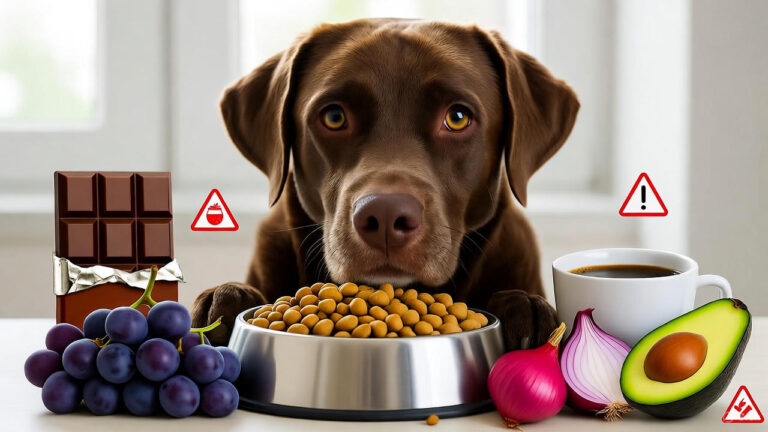
- Keep a list of foods your dog should never eat: chocolate, grapes/raisins, onions, garlic, xylitol, macadamia nuts, heavily seasoned fatty foods, bones that can splinter, raw dough, etc.
- Consult your veterinarian if you’re unsure about a food, or if your dog shows any signs of illness after eating something new (vomiting, lethargy, diarrhea, difficulty breathing, swelling, etc).
Conclusion
Feeding your dog human-foods in addition to their regular diet can be a great way to enhance their meals, reward training, and boost variety—but it comes with responsibility. The 19 foods listed above offer safe, nutritious options when prepared properly and given in moderation. With proper care, you can confidently treat your dog to something special that supports their health and happiness.
Remember: food is only part of the equation—regular exercise, routine veterinary check-ups, mental stimulation and lots of love are key to your dog’s wellbeing.Visit for more ASPCA safe foods list for pets
What Can Dogs Eat? 19 Healthy Foods Your Pup Will Love – FAQ
Yes! Apples are safe and healthy when seeds, core, and stem are removed (they contain trace cyanide). They’re rich in fiber, vitamins A & C, and help freshen breath.
Yes, in moderation. Bananas are packed with potassium, vitamins, and fiber. They’re soft and great for senior dogs, but high in sugar so don’t overdo it.
Absolutely! Blueberries are a superfood for dogs – loaded with antioxidants, vitamins, and fiber. They’re low-calorie and most pups love them frozen too.
Yes – raw or cooked. Carrots are excellent for dental health, low in calories, high in vitamin A and fiber. They make a perfect crunchy treat.
Yes, plain cooked chicken (no bones, skin, or seasoning) is a fantastic lean protein source. It’s one of the most common ingredients in dog food.
Yes – fully cooked eggs are safe and nutritious (protein, vitamins, minerals). Avoid raw eggs because of salmonella risk.
Yes, but only xylitol-free peanut butter and in small amounts. It’s a great source of protein and healthy fats.
Yes! Plain canned or cooked pumpkin (not pie filling) is excellent for digestion, rich in fiber, and helps with both diarrhea and constipation.
Yes – cooked, boneless salmon is safe and provides omega-3 fatty acids for shiny coat and healthy joints.
Yes, cooked and plain. Sweet potatoes are loaded with vitamin A, fiber, and antioxidants. Never feed raw.
Yes – raw, steamed, or canned (no salt). They’re super low-calorie, high-fiber, and make a great weight-loss snack.
Yes, plain unsweetened yogurt (especially Greek) is safe and provides probiotics for gut health and calcium. Avoid flavored or sweetened varieties.