Do You Now These Foods can kill your Dog? See Safe Alternatives.
Introduction
Every pet owner loves to share food with their furry companion. When your dog looks at you with those adorable eyes, it’s hard to say no. But did you know that some foods we eat daily can be toxic or even deadly for dogs? While some human foods like carrots or eggs are safe, others can cause vomiting, organ failure, or worse. In this article, you’ll learn exactly which foods are dangerous for dogs, why they are harmful, and what to do if your pet accidentally eats them.Let’s dive in and protect your pet from hidden food dangers.
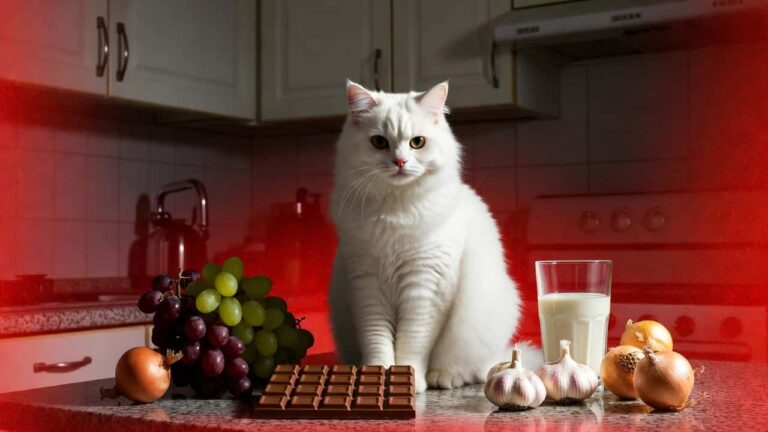
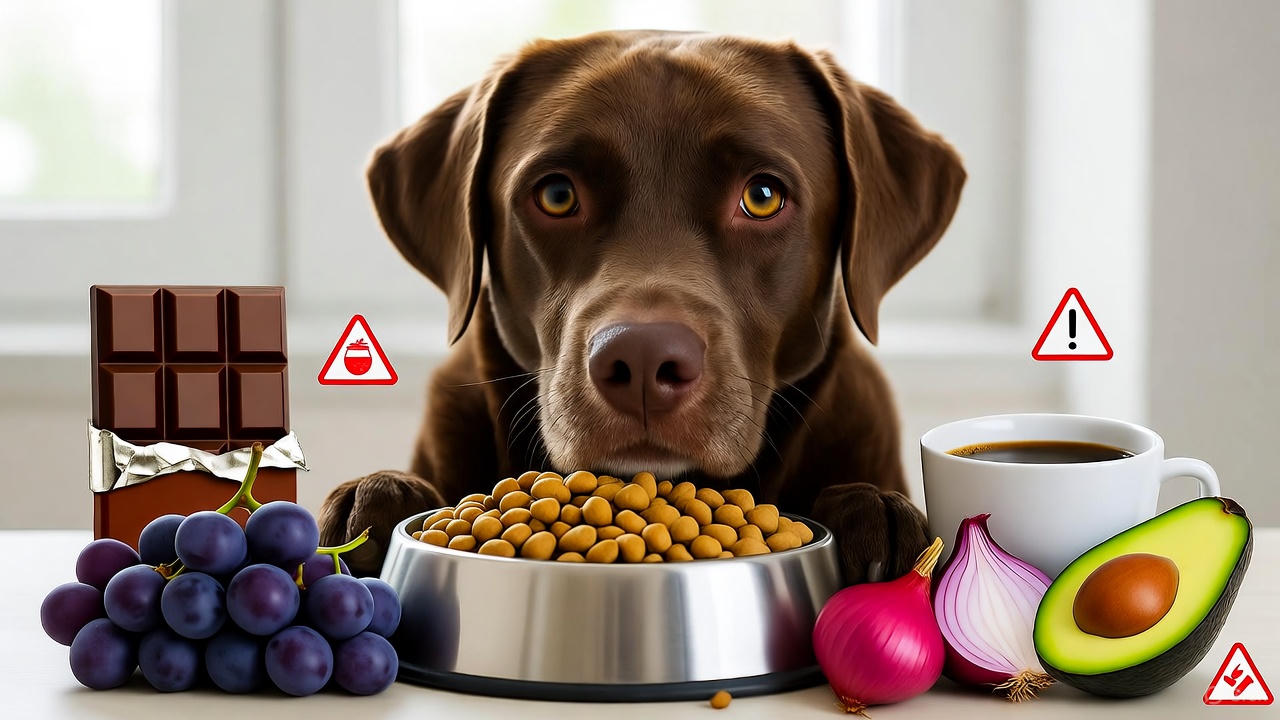
1. Chocolate — The Most Common Dog Poison
Chocolate may be delicious for humans, but it’s highly toxic to dogs.
It contains two dangerous compounds: theobromine and caffeine, both of which affect your dog’s nervous system and heart.
Why it’s harmful:
Dogs process theobromine much slower than humans. Even a small amount can lead to vomiting, restlessness, muscle tremors, or seizures.
Symptoms of chocolate poisoning:
- Vomiting and diarrhea
- Rapid heartbeat
- Excessive thirst or urination
- Tremors and seizures
What to do:
If your dog eats chocolate, contact a veterinarian immediately. Try to identify the type (dark, milk, or white chocolate) and how much was eaten — dark chocolate is the most dangerous.
🍇 2. Grapes and Raisins — Small but Deadly
Many dog owners are unaware that grapes and raisins are extremely toxic to dogs. Even a small number can cause sudden kidney failure.
Why they’re harmful:
The exact toxic substance in grapes is still unknown, but even one grape can cause serious illness.
Symptoms to watch for:
- Loss of appetite
- Lethargy
- Vomiting and diarrhea
- Abdominal pain
- Decreased or no urine output
What to do:
Never feed grapes or raisins to your dog, and keep them out of reach. If eaten, go to the vet immediately — early treatment can save your dog’s kidneys.
🧅 3. Onions and Garlic — Hidden in Many Foods
Onions, garlic, leeks, and chives belong to the Allium family, and all are toxic to dogs.
Even a small amount can damage red blood cells, leading to anemia.
Why they’re harmful:
These foods contain thiosulfate, a compound dogs cannot digest properly. It damages their blood cells and reduces oxygen flow.
Symptoms:
- Weakness and fatigue
- Pale gums
- Loss of appetite
- Vomiting and diarrhea
- Breathing difficulty
Tip:
Be careful with leftover foods, especially soups, gravies, and sauces — they often contain onion or garlic powder.
☕ 4. Caffeine — Too Much Energy Can Kill
Caffeine is present in coffee, tea, energy drinks, and even some chocolates.
For dogs, caffeine can be life-threatening.
Why it’s harmful:
It stimulates the heart and nervous system too strongly. Dogs can’t handle caffeine like we do.
Symptoms:
- Hyperactivity
- Increased heart rate
- Tremors or seizures
- Vomiting
Prevention:
Never leave coffee mugs or energy drinks where your dog can reach them. Even a few licks can be dangerous for small breeds.
🍷 5. Alcohol — Not a Joke for Dogs
Even small amounts of alcohol can cause serious problems for dogs, including liver damage, vomiting, and breathing difficulty.
Why it’s harmful:
Alcohol affects dogs the same way it affects humans — but dogs are much smaller, so even a few drops can cause alcohol poisoning.
Symptoms:
- Vomiting
- Disorientation
- Slow breathing
- Coma (in severe cases)
Important:
Don’t think it’s funny to give a dog “a sip.” Alcohol and dogs never mix — keep it far away.
🥑 6. Avocado — The Hidden Danger
Avocados are healthy for humans but toxic for dogs due to a compound called persin.
Why it’s harmful:
Persin can cause vomiting, diarrhea, and heart issues in dogs, especially if they eat the pit, peel, or leaves.
What to do:
Keep avocados out of your dog’s diet completely. Even guacamole isn’t safe because it often contains onions or garlic too.
🍞 7. Raw Dough and Yeast — Expanding Trouble
Raw bread dough can expand in your dog’s stomach and cause painful bloating or even a rupture.
Why it’s harmful:
When yeast ferments inside the stomach, it produces gas and alcohol, leading to discomfort and alcohol poisoning.
Symptoms:
- Swollen belly
- Lethargy
- Vomiting
- Unsteady walking
If your dog eats dough, rush to the vet immediately.
🍖 8. Cooked Bones — More Dangerous Than Raw Ones
It’s a common myth that giving bones to dogs is healthy.
Cooked bones can splinter and cause choking or internal injuries.
Safer alternative:
Give raw bones or dog-safe chew toys made for dental health. Always supervise your dog while chewing.
🍬 9. Xylitol — The Silent Killer
- Xylitol is a sugar substitute found in gum, candy, peanut butter, and some baked goods.
- Why it’s harmful:
- Xylitol causes a rapid drop in blood sugar and can lead to liver failure within hours.
- Symptoms:
- Vomiting
- Weakness
- Seizures
- Collapse
- Always check ingredient labels — even “sugar-free” items can be deadly for dogs.
🍟 10. Salty and Fried Foods — Bad for Heart and Stomach
Foods high in salt and fat, like chips or fried chicken, can cause dehydration, pancreatitis, and heart issues.
What to do instead:
Choose dog-friendly treats or make homemade snacks using boiled chicken, rice, or vegetables.
🧊 11. Dairy Products — Not Always Friendly
Many dogs are lactose intolerant, meaning they can’t digest milk or cheese properly.
Symptoms after eating dairy:
- Gas and bloating
- Diarrhea
- Stomach cramps
If you want to give a treat, look for lactose-free dog treats instead.
🩺 What to Do If Your Dog Eats a Toxic Food
If your dog eats something from this list:
- Stay calm — panic won’t help.
- Identify the food and estimate how much was eaten.
- Call your vet immediately — bring the food packaging if possible.
- Do not try home remedies like inducing vomiting unless told by a vet.
Early treatment can make a life-saving difference.
🌿 Safe and Healthy Alternatives
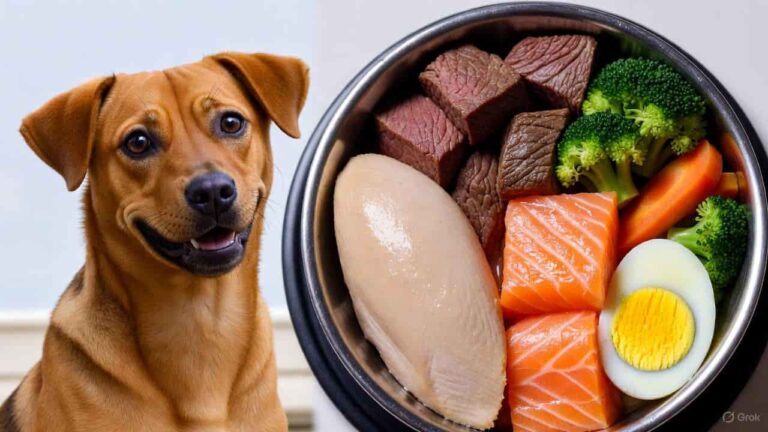
Instead of human foods, try these dog-safe snacks:
- Boiled chicken
- Carrots and cucumbers
- Apples (without seeds)
- Pumpkin
- Cooked eggs
Want a full list? Check our guide on 19 Best Foods for Dogs.
💬 Conclusion
Your dog trusts you to keep them safe — and that includes choosing the right food.
While it’s tempting to share your meal, even small bites of toxic foods can harm your pet. Always double-check what’s safe and what’s not.
By avoiding the foods listed above, you’re taking a big step toward giving your dog a longer, healthier, and happier life.
🐾 Key Takeaways
- Never feed dogs chocolate, grapes, onions, or alcohol.
- Always read labels for hidden ingredients like xylitol or garlic powder.
- When in doubt, ask your vet before sharing any food.
- Prevention is always better than treatment.