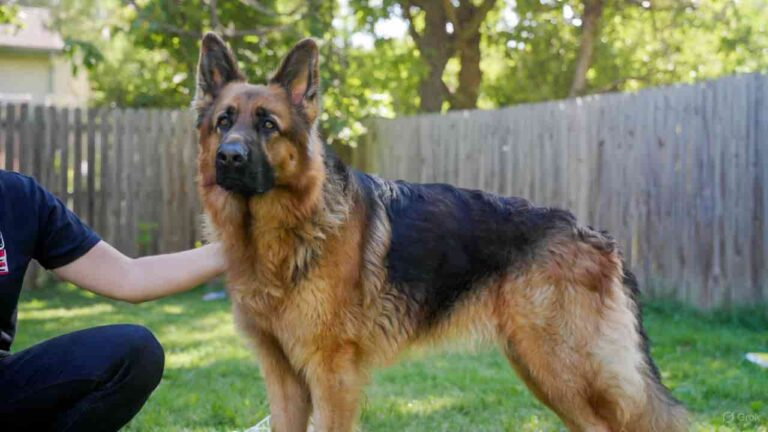

2025 Dog Training for Beginners: Simple, Effective Steps to a Well-Trained Pet.
Introduction
Training your dog is one of the most rewarding experiences of being a pet owner. A well-trained dog is obedient, happy, and healthy. Whether you’ve adopted a new puppy or have an older companion, this complete dog training guide for beginners will help you create a stronger bond, reduce behavior issues, and ensure your dog grows with discipline and confidence.
Why Dog Training Matters
Dog training isn’t just about commands — it’s communication.
When your dog understands you, your home becomes more peaceful, and your pet feels secure.
Benefits of proper dog training:
- ✅ Prevents aggression and anxiety
- ✅ Improves obedience and manners
- ✅ Builds mutual trust and confidence
- ✅ Ensures safety indoors and outdoors
- ✅ Strengthens your emotional connection
- When to Start Training
The best time to start is between 8 to 10 weeks of age. Puppies learn faster and respond better to positive reinforcement.
Older dogs can still learn — it just takes consistency and patience.
| Dog Age | Best Training Focus |
|---|---|
| 8–12 weeks | Name recognition & basic commands |
| 3–6 months | Potty & crate training |
| 6+ months | Leash training & advanced obedience |
Step-by-Step Dog Training Guide
Step 1: Build Trust First
Before you start training, let your dog feel comfortable around you.
Feed them, play with them, and call their name softly. Trust is the foundation of successful training.
Step 2: Choose a Quiet Environment
Avoid noisy surroundings. Start training indoors or in a calm backyard.
Dogs focus better when they aren’t distracted by other sounds or pets.
Step 3: Positive Reinforcement Only
Dogs learn faster when rewarded for good behavior.
Use treats, praise, and toys to motivate them.
Never use punishment — it breaks trust and causes fear.
Reward examples:
- Treats 🍖
- Verbal praise (“Good boy!”)
- Favorite toy 🎾
- Gentle petting 🤗
Step 4: Teach Basic Commands
Every dog should know these 5 essential commands 👇
| Command | Why It’s Important | How to Teach |
|---|---|---|
| Sit | Builds discipline | Hold a treat above their nose; say “Sit.” Reward when they sit. |
| Stay | Teaches patience | Ask your dog to sit, show your palm, and say “Stay.” Reward for waiting. |
| Come | Ensures safety | Call your dog gently and say “Come.” Reward when they return. |
| Down | Calms behavior | Lower a treat to the floor and say “Down.” Reward when they lie down. |
| Leave It | Prevents danger | Show a treat, say “Leave it,” and reward when they ignore it. |
Potty Training Made Easy
One of the biggest challenges for new dog owners is potty training.
But with patience and a schedule, your pup will learn quickly!
Follow these tips:
- Take your dog out every 2–3 hours, especially after eating or waking.
- Use the same outdoor spot for potty.
- Say a command like “Go potty!” every time.
- Reward immediately after success.
- Clean accidents without scolding.
Dogs learn through consistency. Within a few weeks, they’ll know where to go.
Leash Training Tips
Walking your dog without pulling the leash makes every outing fun.
Steps to leash train:
- Start indoors first with a short leash.
- Walk slowly and stop when your dog pulls.
- Praise and treat when they walk beside you.
- Be patient — avoid tugging or yelling.
Pro Tip: Use a harness instead of a collar to prevent neck strain.
Advanced Training Ideas
Once your dog knows the basics, you can teach fun tricks!
- 🤝 Shake Hands
- 🔄 Roll Over
- 🎾 Fetch
- 🗣️ Speak on Command
- 🚶 Heel (walk calmly beside you)
These tricks keep your dog mentally sharp and physically active.
Fixing Common Bad Behaviors
| Problem | Possible Cause | Simple Fix |
|---|---|---|
| Excessive Barking | Anxiety or boredom | Give toys & teach “Quiet” command |
| Chewing | Teething or stress | Offer chew toys & limit access |
| Jumping on Guests | Overexcitement | Ignore until calm, reward calm greetings |
| Digging | Lack of activity | Increase walks or make a digging zone |
| Aggression | Fear or poor socialization | Consult a certified trainer or vet |
Sample Daily Training Routine
| Time | Activity |
|---|---|
| 7:00 AM | Morning walk + potty time |
| 8:00 AM | Breakfast & “Sit”/“Stay” commands |
| 12:00 PM | Play or fetch session |
| 5:00 PM | Leash training walk |
| 8:00 PM | Relaxation & basic trick practice |
10–15 minutes per session is enough. End every session on a positive note.
Must-Have Dog Training Tools
- 🦴 Training treats
- 🐾 Clicker
- 🦮 Leash & harness
- 🧩 Puzzle toys
- 🛏️ Crate for crate training
Keep training sessions fun — your dog should look forward to them!