
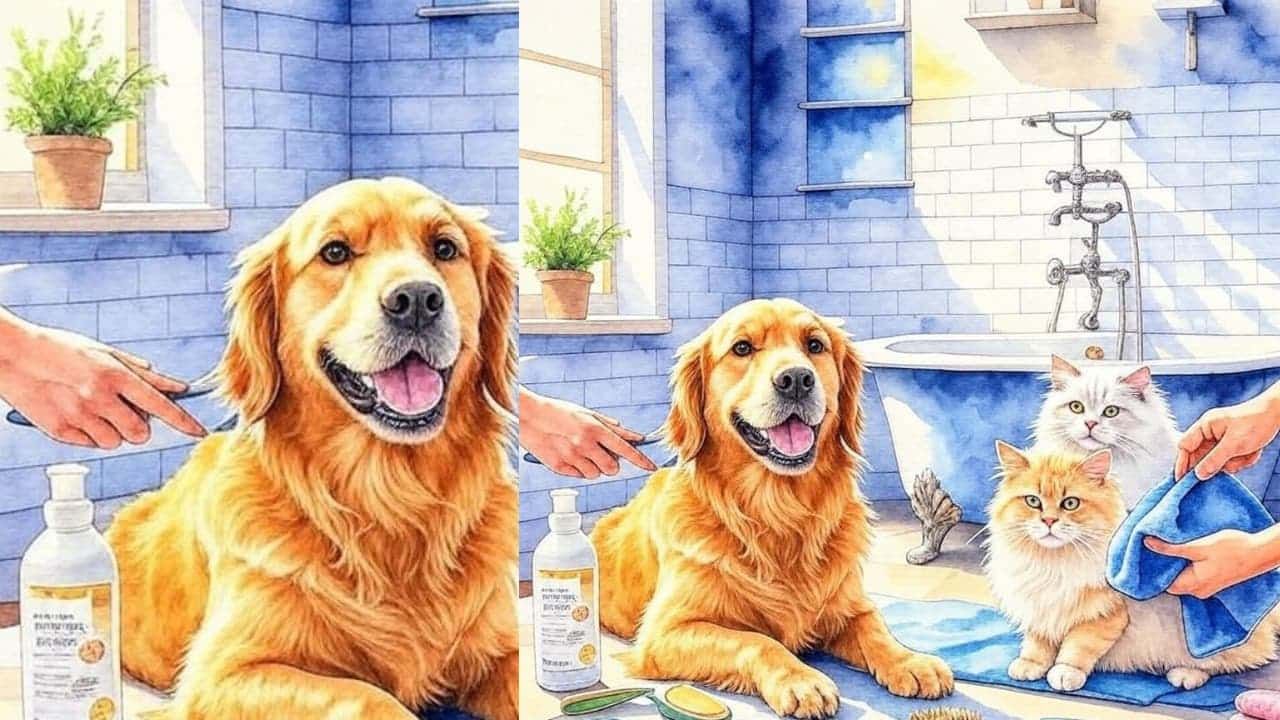
How to Groom Your Pet at Home (2025): Step-by-Step Care for a Healthy & Happy Pet
Introduction
Every pet deserves to look and feel their best! Regular grooming keeps your pet clean, comfortable, and healthy. It also helps you spot health issues early — like fleas, ticks, or skin problems.
Whether you have a dog, cat, or rabbit, this ultimate pet grooming guide will teach you how to groom your pet at home step-by-step — no expensive salon needed!
Why Pet Grooming Is Important
Pet grooming isn’t only about appearance — it’s about health, hygiene, and happiness.
Here’s why regular grooming matters:
- ✅ Removes dirt, loose hair, and dead skin
- ✅ Prevents fleas, ticks, and infections
- ✅ Keeps fur shiny and skin healthy
- ✅ Reduces shedding
- ✅ Strengthens your bond with your pet
Grooming also gives you a chance to examine your pet’s body closely, ensuring no hidden health issues go unnoticed.
Essential Pet Grooming Tools
Before you start, gather the right grooming tools.
A small investment will make a big difference! Tool Use 🧴 Pet Shampoo Keeps fur clean & soft 🧹 Grooming Brush or Comb Removes tangles & loose fur ✂️ Pet Scissors/Clippers For trimming fur safely 🪮 Nail Clipper/Grinder Prevents overgrown nails 🧻 Towels & Dryer For drying after bath 👂 Ear Cleaner Removes wax and dirt 👁️ Pet Wipes Quick cleaning in between baths
Step-by-Step Pet Grooming Routine
Step 1: Brushing Your Pet
Brushing is the foundation of grooming. It keeps fur soft and removes tangles.
Benefits of regular brushing:
- Improves blood circulation
- Distributes natural oils
- Prevents mats and tangles
- Reduces hair shedding
How often to brush: Pet Type Frequency Short-haired dogs 2–3 times a week Long-haired dogs Daily Cats Every alternate day Rabbits Weekly
Tip: Always brush gently in the direction of hair growth. Never pull tangles — use a detangling spray instead.
Step 2: Bathing Your Pet
Bathing helps remove dirt, odor, and allergens from your pet’s coat.
Bathing frequency:
- Dogs: Every 3–4 weeks
- Cats: Every 4–6 weeks
- Small pets: Only when necessary
How to bathe your pet safely:
- Brush before bathing to remove tangles.
- Use lukewarm water — not hot or cold.
- Apply a pet-safe shampoo (never human shampoo).
- Massage gently and rinse thoroughly.
- Towel-dry, then use a pet blow dryer on low heat.
Pro Tip: Reward your pet after the bath with treats — they’ll look forward to it next time!
Step 3: Trimming Fur
If your pet’s fur grows long or uneven, regular trimming helps prevent matting and overheating.
Safe trimming tips:
- Always use pet clippers, not human scissors.
- Trim around paws, eyes, and tail gently.
- Keep movements slow and calm.
- If unsure — trim less, not more.
💡 Tip: You can find electric pet trimmers online that are quiet, rechargeable, and perfect for beginners.
Step 4: Nail Care
Long nails can cause pain, injury, or walking problems.
How to trim safely:
- Use a pet nail clipper.
- Avoid cutting the pink area (called the “quick”) — it’s sensitive and bleeds easily.
- If you’re nervous, trim only the tip.
- Reward your pet afterward.
For cats, scratching posts naturally keep nails short.
Step 5: Ear Cleaning
Ear infections are common in pets — especially floppy-eared dogs.
How to clean:
- Use a vet-approved ear cleaner.
- Gently wipe the ear with a cotton pad (never use earbuds).
- If you notice redness, discharge, or a foul smell, consult a vet immediately.
Step 6: Eye Cleaning
Your pet’s eyes should always look bright and clear.
Use a soft, damp cloth to wipe away any discharge or tear stains daily.
Avoid:
- Harsh tissues
- Perfumed wipes
- Touching the eyeball directly
Step 7: Dental Care
Bad breath and tartar can lead to serious health problems.
Brush your pet’s teeth 2–3 times a week using pet toothpaste and brush.
Quick dental care tips:
- Use finger brushes for small pets.
- Avoid human toothpaste (it’s toxic for pets).
- Add dental chews or water additives for better hygiene.
Bonus Tips for a Spa-Like Experience
- Play soft music during grooming to calm your pet 🎶
- Use treats throughout the process for positive association 🍖
- Groom at the same time each week to build a routine ⏰
- Keep sessions short (10–15 minutes) to avoid stress 😌
Common Pet Grooming Mistakes to Avoid
Mistake Why It’s Bad What to Do Instead Using human shampoo Irritates pet skin Use pet-specific shampoo Bathing too often Removes natural oils Bathe only when needed Cutting nails too deep Causes bleeding Trim gradually Skipping ear cleaning Leads to infections Clean weekly Ignoring brushing Causes mats & shedding Brush regularly
Seasonal Grooming Tips
Summer:
- Trim long fur to prevent heat stress
- Use flea & tick repellents
- Keep pets hydrated
Winter:
- Avoid over-bathing (dry skin risk)
- Use pet moisturizer or conditioner
- Dry thoroughly after walks in rain/snow
Rainy Season:
- Clean paws after walks
- Watch for fungal infections
- Keep bedding dry
Grooming Benefits Beyond Beauty
Regular grooming:
- Builds trust between you and your pet
- Helps early detection of lumps, rashes, or injuries
- Reduces stress and anxiety
- Makes pets more comfortable and confident
A clean pet is a happy pet — and a happy pet means a happy home .
Must-Have Grooming Kit Checklist
- Pet brush or comb
- Pet shampoo & conditioner
- Nail clipper or grinder
- Towel & dryer
- Ear cleaner
- Toothbrush & pet toothpaste
- Detangling spray
- Grooming gloves
Keep everything organized in one basket — your PetPlums Grooming Kit!