Best Pets for Kids: Gentle, Safe, and Easy to Handle.
Choosing the perfect pet for your child is an exciting moment — but it’s also a big responsibility. Every parent wants a pet that is gentle, safe, loving, and easy to handle, especially when it comes to children. The right pet not only brings joy and companionship but also teaches kids about empathy, patience, and care.
However, not every animal is suitable for a child’s home. Some pets require too much maintenance, while others may not have the right temperament for small children. Therefore, it’s important to pick wisely based on your child’s age, your lifestyle, and the pet’s nature.
In this guide, you’ll discover the best pets for kids — including small animals, birds, and traditional family favorites — that are known for being friendly, gentle, and easy to care for.
1. Dogs – The Classic Family Friend
Why Dogs Are Great for Kids
Dogs have been humanity’s companions for centuries. They are loyal, affectionate, and often very protective of children. For many families, a dog becomes not just a pet but a lifelong best friend.
Gentle and Kid-Friendly Breeds
Some dog breeds are particularly gentle and tolerant around kids. For example:
- Labrador Retriever: Known for their patience and loyalty. They love to play and are highly trainable.
- Golden Retriever: Friendly, social, and excellent with children of all ages.
- Beagle: Small in size, energetic, and affectionate.
- Cavalier King Charles Spaniel: Gentle, calm, and perfect for indoor families.
Care Level
While dogs require attention, regular walks, and basic training, they’re great teachers for kids. Feeding, grooming, and walking a dog together can build responsibility and empathy.
Transition tip: If you have limited time, choose a breed with low grooming needs. On the other hand, if your family enjoys outdoor activities, a high-energy dog will fit right in.
2. Cats – Independent Yet Affectionate Companions
Why Cats Are Ideal for Families
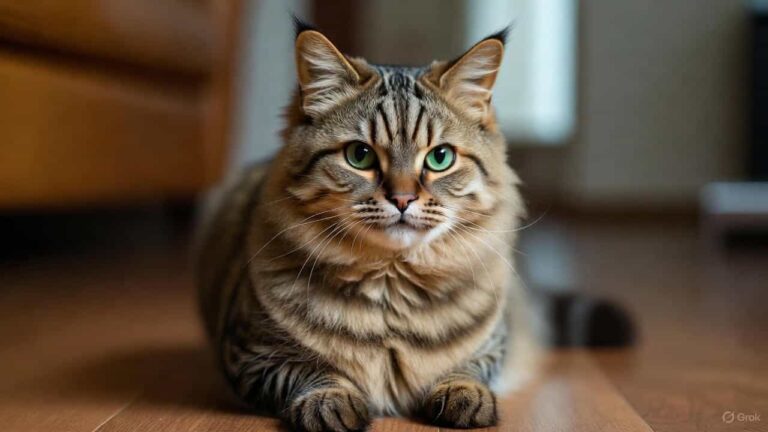
Cats are among the most popular pets for kids because they’re loving yet low-maintenance. Unlike dogs, cats don’t require constant attention. They’re perfect for families with smaller spaces or busy routines.
Best Cat Breeds for Children
- Ragdoll: Calm, cuddly, and often loves being carried.
- British Shorthair: Independent but affectionate; great for quieter homes.
- Maine Coon: Gentle giants that adore family interaction.
- Birman: Playful but not aggressive, ideal for kids.
Care Tips
Cats mostly groom themselves, but brushing once a week keeps their coat shiny. Always teach kids to handle cats gently — avoid pulling tails or startling them.
Transition phrase: Moreover, cats provide emotional comfort and can easily adapt to both apartments and large houses.
3. Guinea Pigs – Tiny, Gentle, and Social
A Perfect First Pet
When it comes to gentle pets for kids, guinea pigs are unbeatable. They’re small, friendly, rarely bite, and enjoy being gently handled. They even make cute squeaking sounds when happy!
Why They’re Great for Kids
- Easy to tame and hold
- Social creatures that enjoy companionship
- Great for teaching basic care routines like feeding and cage cleaning
Basic Care Needs
Guinea pigs need a spacious cage, clean bedding, and daily fresh vegetables. Since they’re social, it’s better to keep two together. Kids can learn responsibility through simple daily care.
Transition phrase: In addition, guinea pigs rarely show aggression, making them one of the safest small pets for children under 10.
4. Rabbits – Soft, Quiet, and Sweet
The Gentle Hoppers
Rabbits are among the most adorable pets for kids. Their soft fur, calm personality, and curious nature make them easy to love. However, it’s important that kids learn to hold them properly because rabbits can be delicate.
Best Rabbit Breeds for Kids
- Mini Rex: Calm and cuddly
- Holland Lop: Playful and small
- Lionhead: Friendly and interactive
- Dutch Rabbit: Gentle and great with families
Care Level
Rabbits need a safe, clean enclosure, fresh water, and hay daily. They also need space to hop and exercise. They can be litter trained and even recognize their names over time.
Transition phrase: However, rabbits do not like rough handling, so younger kids should always be supervised while playing with them.
5. Fish – Colorful, Peaceful, and Easy to Care For
A Great Low-Interaction Pet
For families wanting a calm and low-maintenance option, fish are a fantastic choice. Watching fish swim can be relaxing and educational for children.
Best Fish for Kids
- Goldfish: Classic and hardy for beginners.
- Betta Fish: Beautiful colors and easy tank setup.
- Guppies: Small, peaceful, and multiply quickly.
- Tetras: Schooling fish that look amazing together.
Care Needs
A clean tank, balanced food, and weekly water changes are enough to keep fish healthy. You can start with a small aquarium and gradually upgrade.
Transition phrase: As a result, fish are ideal for teaching kids routine maintenance and responsibility without direct handling.
6. Turtles – Calm, Quiet, and Fascinating
Why Turtles Are Great Pets
Turtles are calm, low-energy, and can live for decades. They don’t bite when handled properly and are fun to watch. Kids learn patience because turtles move at their own pace — literally!
Care Level
They require an aquarium with water and a dry basking area. Regular feeding and water cleaning are necessary. Popular options include Red-Eared Sliders and Box Turtles.
Transition phrase: However, parents should handle setup and hygiene since turtles can carry bacteria if not cleaned properly.
7. Birds – Cheerful, Talkative, and Social
Best Birds for Kids
Birds can be wonderful pets for slightly older children. They’re colorful, smart, and sometimes talkative. Common beginner-friendly species include:
- Budgerigar (Budgie): Playful, small, and easy to train.
- Cockatiel: Gentle and affectionate, often whistling tunes.
- Lovebirds: Cute pairs that form strong bonds.
Care Requirements
Birds need a clean cage, daily food, and interaction. They love toys, mirrors, and gentle human contact.
Transition phrase: In addition, birds encourage children to develop patience and communication skills through gentle training.
8. Hamsters – Small and Easy to Handle
Why Kids Love Hamsters
Hamsters are among the best small pets for kids because they’re affordable, quiet, and adorable. They can live comfortably in small cages and are fun to watch, especially when they run on their wheel.
Care Tips
Provide a cozy cage, tunnels, water bottle, and balanced diet. Hamsters are nocturnal, so they’re more active at night. Teach kids to handle them gently when awake.
Transition phrase: Although hamsters are tiny, they teach big lessons in care and gentleness.
9. Reptiles – Unique but Easy to Maintain
Kid-Friendly Reptiles
Some children love animals that are a little different! Certain reptiles are surprisingly calm and easy to maintain.
Popular options include:
- Leopard Gecko: Gentle and safe to handle.
- Bearded Dragon: Friendly and tolerates gentle handling.
Care Needs
They require a terrarium with heat and light but minimal cleaning compared to mammals. Reptiles don’t shed fur, making them suitable for kids with allergies.
Transition phrase: Moreover, reptiles can help children appreciate diverse animal species and respect all forms of life.
Teaching Kids to Handle Pets Safely
No matter what pet you choose, safety and education come first. Young children must always be taught how to handle pets gently and respectfully.
Here are some essential tips:
- Always supervise playtime. Never leave small children alone with any pet.
- Teach calm behavior. No loud yelling or chasing — it can frighten pets.
- Learn body language. Teach kids how to read signs of fear or discomfort in animals.
- Create a routine. Feeding, cleaning, and playtime should be consistent.
- Encourage responsibility. Assign small, age-appropriate tasks like feeding or refilling water.
Transition phrase: As children grow, caring for pets becomes more natural and rewarding.
How to Choose the Right Pet for Your Family
Selecting the best pet depends on a few important factors. Before adopting, ask yourself:
- How much time can your family spend with the pet?
- What is your living space — apartment or house?
- Are there allergies or sensitivities?
- Do you prefer low-maintenance or interactive animals?
- How old is your child, and what’s their comfort level?
Example:
If you have a small apartment, cats or fish are ideal. If you have a backyard and active kids, dogs or rabbits are perfect.
Transition phrase: Therefore, matching the pet’s needs with your lifestyle ensures a happy and healthy relationship for years.
Benefits of Pets for Children
Having pets offers countless physical and emotional benefits for kids:
- Emotional growth: Pets teach compassion and empathy.
- Responsibility: Feeding and cleaning build discipline.
- Stress relief: Playing with pets reduces anxiety and promotes happiness.
- Physical activity: Walking or playing keeps kids active.
- Bonding: Pets create strong family connections and lasting memories.
Transition phrase: As a result, pets are not just companions — they are teachers, friends, and family members.
Pets to Avoid for Small Children
While all animals deserve love, not every species is suitable for kids. Avoid pets that:
- Require complex care (like snakes or exotic parrots)
- Have fragile bodies (like small turtles or frogs)
- Are aggressive or unpredictable
- Need large or expensive enclosures
Transition phrase: Therefore, always research carefully before bringing any animal home.
Conclusion: The Perfect Pet for Every Child
Finding the best pet for your kids isn’t just about choosing the cutest animal — it’s about finding one that fits your family’s lifestyle, space, and commitment level.
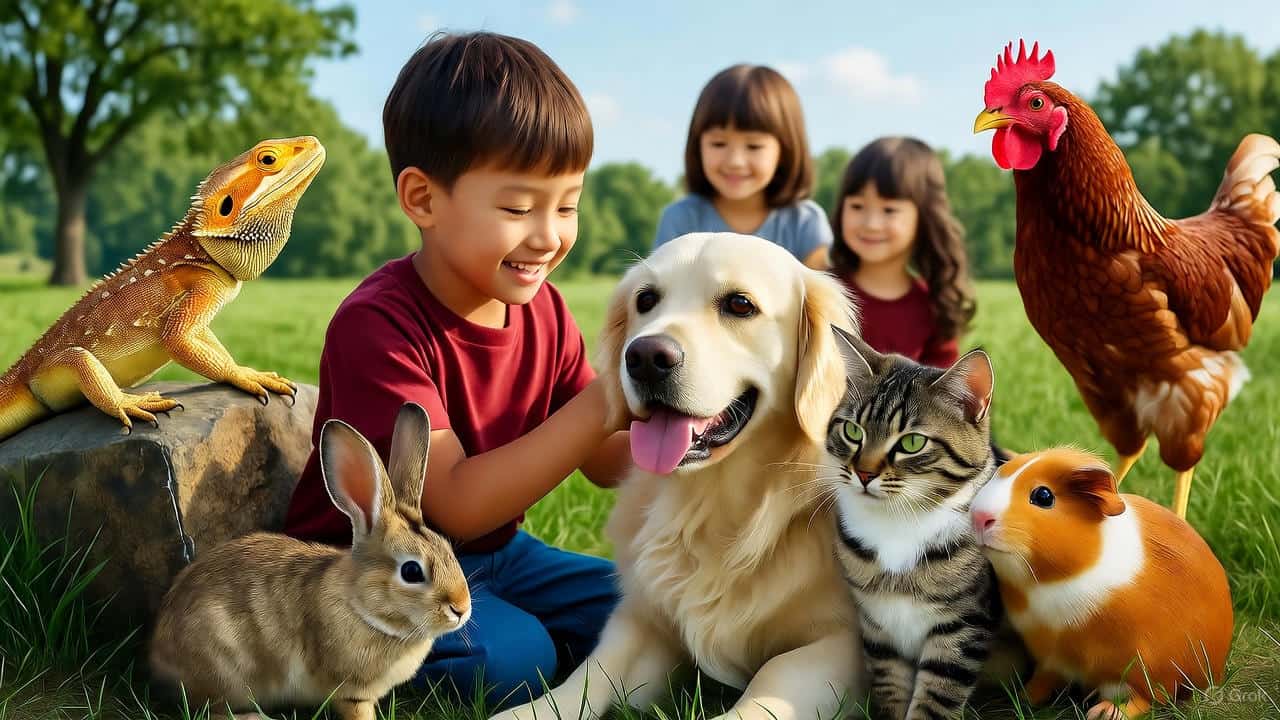
Dogs and cats remain the top family choices, while guinea pigs, rabbits, fish, and turtles make excellent beginner pets. The goal is to ensure both the pet and the child build a safe, loving, and long-lasting bond.
In summary:
A gentle, easy-to-handle pet can bring smiles, laughter, and life lessons that your children will remember forever.
So, take your time, choose wisely, and get ready to welcome a new friend into your family — one paw, fin, or feather at a time.