
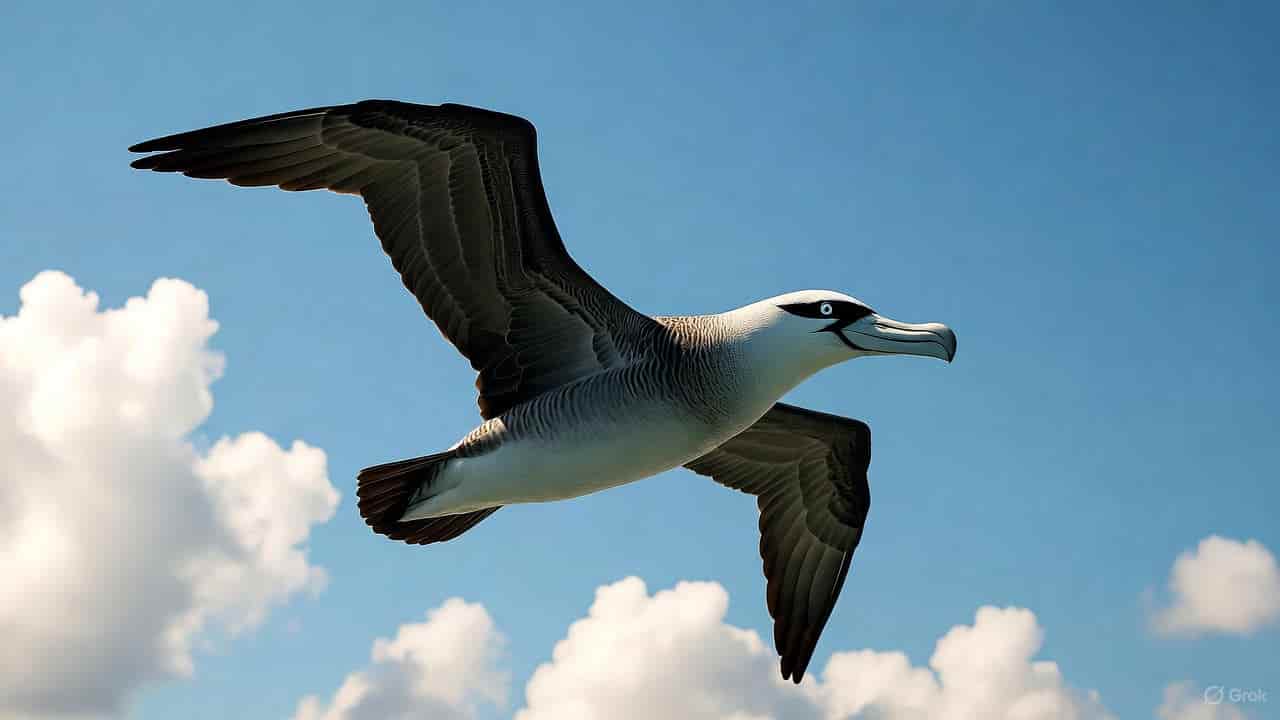
What Is the Most Loyal Bird? Discover Why the Albatross Is the Symbol of True Love and Faithfulness (2025)
When we think of loyalty in the animal kingdom, dogs usually take center stage. However, there’s another creature that deserves just as much recognition for its remarkable devotion—the albatross. Known as one of the most loyal birds in the world, this majestic seabird symbolizes love, faithfulness, and lifelong partnership.
In this article, you’ll discover why the albatross is celebrated as the most loyal bird, how its behavior stands out among other bird species, and what we can learn about love and commitment from this extraordinary creature.
Understanding the Albatross: The Ocean’s Graceful Giant
The albatross is not your average bird. With wingspans stretching up to 11 feet, it’s one of the largest flying birds on Earth. Found mostly across the Southern Ocean and the North Pacific, these birds are built for life in the open sea.
What makes them fascinating is not just their physical grace but their deep emotional intelligence and unique bonding behavior. Unlike many birds that change partners every breeding season, albatrosses often mate for life, demonstrating a level of loyalty that rivals even humans.
The Meaning of Loyalty in the Animal Kingdom
Before diving deeper, it’s important to understand what “loyalty” means in the context of animal behavior. In animals, loyalty refers to consistent social or mating bonds formed over long periods—often for the purpose of raising young or ensuring survival.
In birds, loyalty usually manifests as:
- Returning to the same nesting site each year
- Staying with one mate through multiple breeding seasons
- Sharing parenting responsibilities equally
The albatross not only meets but exceeds all these conditions. It’s not just loyal; it’s emotionally devoted.
Why the Albatross Is Considered the Most Loyal Bird
1. Lifelong Pair Bonding
One of the most incredible traits of the albatross is its ability to form lifelong monogamous bonds. Once an albatross chooses a mate, they stay together for decades—sometimes more than 50 years!
These pairs perform intricate courtship dances that can last for years before they finally settle down to breed. Once bonded, they remain faithful, reuniting every breeding season no matter how far they’ve flown apart.
🐣 Fun Fact: Scientists have tracked albatrosses traveling thousands of miles apart for months—yet they always return to the exact same nesting site and their same partner.
2. Shared Parenting Duties
Unlike many animals where one partner takes on most of the work, albatross parents share everything equally. Both the male and female take turns incubating the egg and feeding the chick.
This cooperation not only strengthens their bond but also ensures higher survival rates for their young. It’s a pure example of partnership and teamwork, making the albatross a symbol of balanced love.
3. Emotional Intelligence and Recognition
Albatrosses recognize their partners through unique calls and dances. These behaviors help strengthen their connection and ensure they can identify one another even after long separations.
They express affection through synchronized movements, gentle beak tapping, and soft vocalizations—an emotional language that scientists say reflects trust and mutual respect.
4. Faithfulness Across Distance and Time
While some birds might “cheat” or change partners when separated, albatrosses remain remarkably faithful. Even when they are apart for years, they never seek another mate.
This unwavering devotion sets them apart from almost every other bird species. Their loyalty is not based on convenience—it’s a choice and a bond that lasts a lifetime.
The Cultural Symbolism of the Albatross
Throughout history, the albatross has been admired by sailors, poets, and cultures worldwide as a symbol of eternal love, loyalty, and guidance.
- In literature, Samuel Taylor Coleridge’s poem “The Rime of the Ancient Mariner” immortalized the albatross as a sign of good luck and respect for nature.
- In Maori culture (New Zealand), the albatross, or Toroa, symbolizes freedom and long journeys.
- In modern symbolism, the bird often represents faithfulness, spiritual connection, and endurance through life’s storms.
No wonder it’s often called “the guardian of the sea”—a loyal spirit that follows the same winds and waters for decades.
How Scientists Study Albatross Loyalty
To understand albatross loyalty, researchers have tracked these birds using satellite technology and banding techniques.
Studies reveal that:
- Most albatross species have over 90% mate fidelity.
- They often return to the same nesting colony year after year.
- Pairs that lose a mate take years to remarry, if they ever do.
These findings confirm what bird lovers already suspected—the albatross is one of the most loyal species on Earth.
Courtship Rituals: The Dance of Devotion
If you ever get the chance to witness an albatross courtship dance, it’s unforgettable.
The ritual includes:
- Bill clapping: A rhythmic tapping of beaks.
- Sky-pointing: Stretching their necks upward with outstretched wings.
- Coordinated vocal calls: Musical sounds that are unique to each pair.
These behaviors aren’t random—they’re essential in building trust and ensuring compatibility. It’s like the albatross equivalent of dating before marriage!
Once bonded, they perform these dances every time they reunite, reaffirming their love and loyalty year after year.
The Long-Distance Love Story
Imagine being apart from your partner for an entire year, traveling thousands of miles across oceans, and still coming back to them at the exact same spot.
That’s everyday life for the albatross.
These birds spend most of their lives gliding over open oceans, sometimes flying over 75,000 miles a year. Yet, when the breeding season arrives, they return faithfully to their nesting grounds—often to the very same patch of land—to reunite with their lifelong mate.
It’s a living testament to the saying:
“True love knows no distance.”
What Humans Can Learn From the Albatross
The story of the albatross goes beyond biology—it’s a life lesson.
Here’s what we can take from their example:
- Commitment matters. True partnership means choosing loyalty even when it’s not easy.
- Communication is key. Like the albatross’s dance, relationships thrive on constant reaffirmation and understanding.
- Patience pays off. Their years-long courtship shows that deep connections take time.
- Distance can strengthen love. Separation doesn’t weaken loyalty; it tests and deepens it.
In a world where instant gratification often replaces patience, the albatross reminds us of the beauty of steadfast love.
Albatross Conservation: Protecting the Symbol of Loyalty
Sadly, albatross populations face many threats today—mainly from ocean pollution, climate change, and fishing nets.
Each year, thousands of albatrosses die after getting caught in longline fishing gear or ingesting plastic waste.
To protect these magnificent birds, organizations like:
- BirdLife International
- The Albatross Task Force
- World Wildlife Fund (WWF)
…are working tirelessly to raise awareness and implement safer fishing practices.
Supporting these efforts not only helps the albatross survive but also preserves a timeless symbol of loyalty for future generations.
Other Birds Known for Loyalty (But Not as Much as the Albatross)
While the albatross tops the list, a few other species also deserve honorable mentions:
- Swans – Elegant and graceful, they’re also known for lifelong pair bonds.
- Bald Eagles – Often mate for life and return to the same nesting spot every year.
- Lovebirds – Their name says it all; they form close pair bonds and are inseparable.
- Penguins – Especially emperor penguins, who reunite each season and share parenting duties.
- Doves – A universal symbol of peace and faithfulness.
However, none of these birds exhibit the distance-defying devotion that defines the albatross.
Interesting Facts About the Albatross
- The wandering albatross has the largest wingspan of any living bird—up to 11 feet.
- They can glide for hours without flapping their wings.
- They can sleep while flying!
- An albatross can live for more than 60 years.
- Some species spend 95% of their lives at sea, returning only to breed.
These facts make it clear that albatrosses are not only loyal but also built for endurance and resilience.
The Albatross: A Lesson in Lifelong Devotion
When we say “loyalty,” we often think of emotional connection and faithfulness over time. The albatross embodies these traits perfectly.
From their unwavering partnership to their resilience across thousands of miles, they are nature’s purest expression of enduring love.
In a way, the albatross is not just the most loyal bird—it’s a mirror to humanity’s best qualities: love, patience, and commitment.
FAQ Section: Common Questions About Albatross Loyalty
Q1: What makes the albatross the most loyal bird?
A1: The albatross forms lifelong bonds with its mate and reunites each year to breed. They stay faithful even when separated for long periods.
Q2: Do albatrosses ever change partners?
A2: Rarely. Most pairs stay together for life, and if one dies, the surviving bird may take years to find another partner—or never does.
Q3: How long do albatrosses live?
A3: Many albatrosses live between 40 and 60 years, with some even reaching over 70.
Q4: Are all albatross species monogamous?
A4: Yes, nearly all known albatross species practice monogamy and show high mate fidelity.
Q5: Where can I see albatrosses in the wild?
A5: You can spot them around New Zealand, Australia, South Africa, Chile, and parts of the North Pacific near Hawaii and Alaska.
Q6: Why are albatrosses endangered?
A6: Threats like plastic pollution, overfishing, and climate change have drastically affected their numbers. Conservation programs aim to protect them.
Final Thoughts
The albatross teaches us that loyalty is not about proximity—it’s about connection, trust, and endurance. Whether soaring above stormy seas or reuniting with their lifelong partner, these birds remind us that true love never drifts away.
If there’s ever been a bird that symbolizes eternal faithfulness, it’s the albatross—the ocean’s most loyal guardian.