The Viral Story: “I Love You” From the Heart
Introduction: The Power of Love Between a Human and Her Parrot
Have you ever seen a parrot express emotions so deeply that it feels almost human? This heartwarming story of a happy parrot who couldn’t stop saying “I love you” after being reunited with her human mom will melt your heart.
After six long days apart, this intelligent little bird’s reaction proves one thing beyond any doubt — parrots can feel, remember, and love just like us.
In this post, we’ll explore not just this adorable reunion, but also the science behind why parrots bond so strongly with their owners, how they express affection, and what makes them one of the most emotionally intelligent pet birds in the world.
The Viral Story: “I Love You” From the Heart
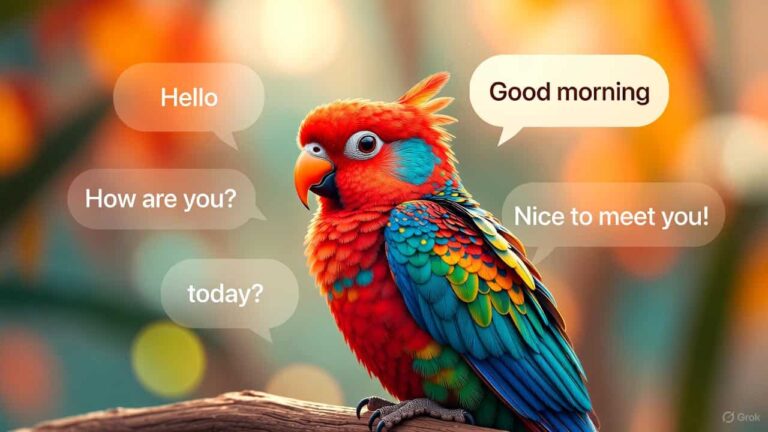
The video begins with a quiet home. The parrot’s human mom opens the door, setting down her luggage after being away for almost a week. Before she can even take off her shoes, a high-pitched and joyful voice fills the air —
“I love you! I love you! I love you!”
The parrot’s feathers fluff up, her eyes widen, and she starts bouncing with excitement. She rushes toward her mom, wings slightly open, chirping and repeating those three magical words again and again.
It’s pure love — unfiltered and sincere.
The owner laughs and tears up at the same time, hugging her beloved parrot. It’s a beautiful reminder that animals, too, miss their loved ones deeply.
This clip, shared on social media, quickly went viral with millions of views. People around the world were moved to see how emotionally expressive parrots truly are.
Why Parrots Are So Emotionally Intelligent
Parrots are not ordinary birds. They’re highly intelligent creatures capable of understanding tone, recognizing faces, and even forming long-term emotional connections.
According to avian experts, parrots have the intelligence level of a 4–6-year-old human child. That means they can learn words, associate them with meanings, and understand emotions connected to those words.
When a parrot says “I love you,” it’s not always simple mimicry. If it’s repeated in a meaningful context — like when their owner shows affection — the bird begins to associate the phrase with love, comfort, and happiness.
This explains why our little feathered friend in the story didn’t just mimic words — she expressed genuine affection.
The Bond Between Parrots and Their Owners
Many parrot owners describe their birds as more than pets — they’re family.
Parrots are flock animals by nature. In the wild, they rely on close-knit groups for safety and companionship. When they live in human homes, they see their owners as part of their flock.
That’s why bonding time — talking, playing, feeding, and training — is so important for parrots.
When the owner in our story left for six days, the parrot likely felt a strong emotional absence. Birds don’t fully understand travel or work schedules — they only feel that their favorite person is missing.
So, when her mom finally returned, the parrot’s heart overflowed with joy, leading to that emotional “I love you” moment.
What Happens When You Leave Your Parrot Alone for Too Long?
Leaving a parrot alone for extended periods can cause stress, boredom, or even depression. These intelligent birds need mental stimulation and social interaction every single day.
Some signs that a parrot misses its owner include:
- Repeating phrases they associate with their human
- Reduced appetite
- Feather plucking or chewing
- Excessive screaming or quietness
- Pacing or restlessness
In our story, the parrot’s excitement on reunion showed the opposite of distress — it revealed pure relief and happiness.
To avoid loneliness, it’s always best to leave familiar voices or music playing when you’re away and provide toys or puzzles that stimulate your bird’s mind.
Can Parrots Really Understand What “I Love You” Means?
Yes — to a certain degree. Parrots may not grasp the full emotional complexity of “love,” but they clearly associate it with positive feelings and affection.
When their owner often says “I love you” during petting, feeding, or cuddling time, parrots learn to link those words with safety and happiness.
That’s why, when the parrot said “I love you” upon her mom’s return, she wasn’t just copying sounds — she was expressing her joy in the most familiar and affectionate way she knew.
The Emotional Impact of the Viral Video
Millions of viewers commented with phrases like:
- “This melted my heart!”
- “Animals love more purely than we ever could.”
- “I wish my parrot was this sweet!”
It’s no surprise why this video went viral. In an age of quick content, this simple yet emotional clip reminded everyone about the bond between humans and animals — something technology can never replace.
The happiness of this parrot wasn’t scripted; it was real emotion captured on camera. And that authenticity resonated deeply with pet lovers worldwide.
The Science Behind Talking Parrots
So how do parrots learn to talk?
Unlike most birds, parrots have a special organ called the syrinx, which allows them to mimic sounds and human speech with incredible precision.
They also have a well-developed vocal learning system, enabling them to repeat and associate phrases with actions or emotions.
Interestingly, studies show that parrots can even develop regional accents based on where they live and the people they interact with most.
That means your parrot might sound just like you — same tone, same rhythm, and same emotional cues!
Popular Talking Parrot Breeds That Can Say “I Love You”
If this story made you dream of having your own talking bird, here are a few parrot breeds famous for their speech and emotional intelligence:
1. African Grey Parrot
Known as the Einstein of birds, African Greys can learn hundreds of words and understand context better than any other parrot species.
2. Amazon Parrots
Playful and friendly, Amazon parrots have great vocal clarity and love to sing or talk when they’re happy.
3. Cockatoos
They’re affectionate and highly expressive — perfect for owners who enjoy close bonds.
4. Budgerigars (Budgies)
Don’t be fooled by their size! Budgies are tiny chatterboxes that can learn dozens of phrases with regular interaction.
5. Eclectus Parrots
Known for their beautiful colors and calm personalities, they’re wonderful companions who bond deeply with their humans.
How to Teach Your Parrot to Say “I Love You”
If you want to experience that magical “I love you” moment with your bird, here’s how you can do it:
- Use the phrase regularly: Say “I love you” during happy interactions — feeding, playing, or cuddling.
- Use a consistent tone: Parrots learn faster when the tone is the same each time.
- Add positive reinforcement: Reward your bird with treats or praise whenever it tries to mimic the words.
- Keep sessions short: 5–10 minutes a day is enough. Long sessions can make parrots bored.
- Be patient: Every bird learns at its own pace. Consistency is key.
Before long, your parrot will not only say “I love you” but truly feel it during your bonding time.
Emotional Benefits of Owning a Parrot
Living with a parrot isn’t just fun — it’s emotionally rewarding. Studies show that interacting with pets can lower stress, reduce loneliness, and even improve heart health.
Parrots, in particular, provide unique companionship because they talk back, show affection, and recognize you as part of their family.
They don’t just live in your house — they share your daily life, emotions, and routines.
A Lesson in Love: What This Parrot Taught the World
In a world full of distractions, this story reminded us to slow down and cherish the simple bonds that make life beautiful.
The parrot didn’t care about gifts or distance — she just wanted her mom back. Her repeated “I love you” was her way of saying, I missed you more than you’ll ever know.
Animals love unconditionally. They don’t fake emotions or hide feelings. That’s why their love feels so pure and honest.
Final Thoughts: Never Underestimate a Parrot’s Heart
This story of the happy parrot who couldn’t stop saying “I love you” is a beautiful reminder that love knows no species.
Whether it’s a dog wagging its tail, a cat curling up on your lap, or a parrot whispering words of love — every pet has its own way of saying, “You mean the world to me.”
So the next time you look into your pet’s eyes, remember — they feel, they miss, and they love, just like you do.
Frequently Asked Questions (FAQ)
1. Do parrots really love their owners?
Yes. Parrots form strong emotional bonds with their owners. They express affection through words, cuddling, or gentle gestures like preening your hair or clothes.
2. Why do parrots mimic human words?
Parrots mimic sounds as part of their natural communication. In captivity, they copy their owners’ voices because they see them as part of their flock.
3. How long can a parrot remember its owner?
Most parrots can remember their owners for years, even after long separations. They recognize voices, faces, and even emotions.
4. Can parrots feel sadness when owners are away?
Absolutely. Parrots are emotional beings and can experience sadness or loneliness when left alone for extended periods.
5. What’s the best way to comfort a parrot when you return home?
Spend time talking gently, offering treats, and allowing your bird to sit on your shoulder. This helps them feel secure and reconnected.