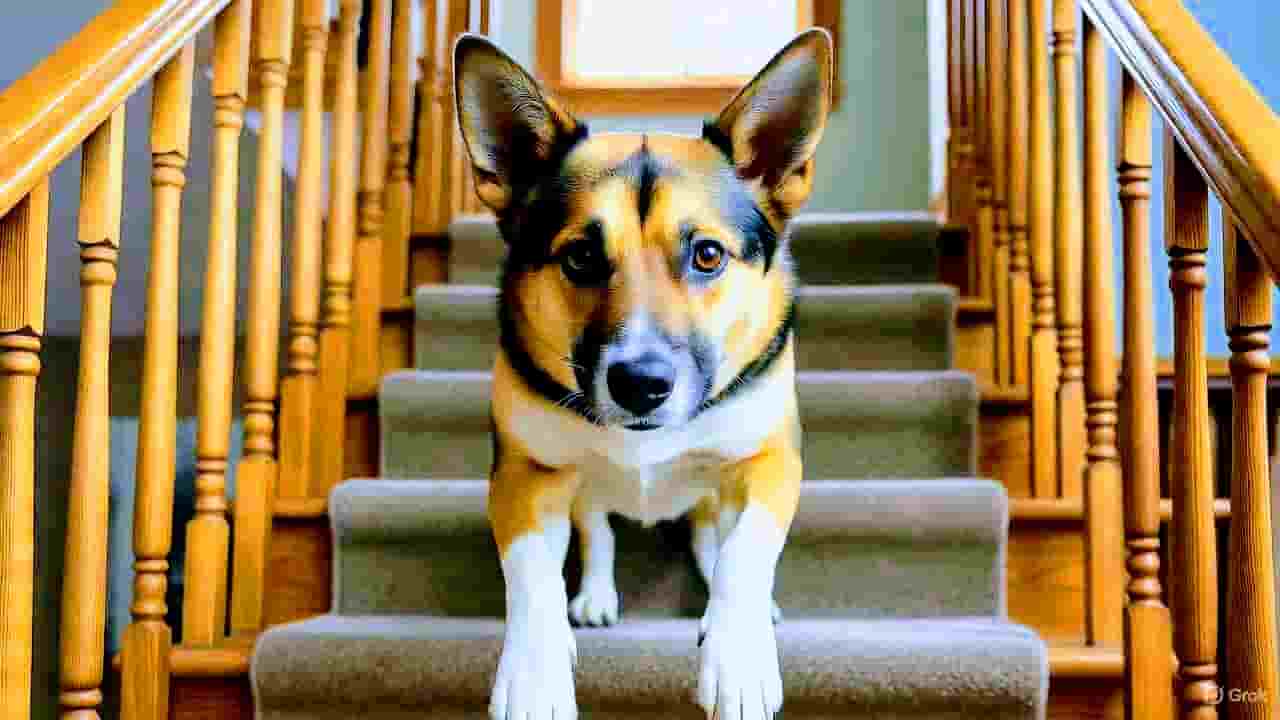
Laughter at ‘Weird’ Way Family Dog Has Gone Up Stairs for Past 6 Years
Introduction: When Weird Becomes Wonderful
Every pet owner has a story that makes them laugh every time they think about it. Whether it’s a cat that insists on sleeping in the sink or a parrot that imitates phone rings, animals have a way of turning ordinary moments into pure comedy.
One particular family recently went viral after sharing a hilarious video of their dog’s “weird” way of going up the stairs — something the dog has done for the past six years. The video spread across social media platforms like wildfire, drawing thousands of laughs, comments, and heart emojis.
But behind the laughter lies a fascinating insight into why dogs develop unique habits, how they express their individuality, and what makes these quirks so endearing.
Let’s dive deeper into this funny yet heartwarming story and explore what your dog’s weird habits might mean.
The Viral Video: Six Years of Pure Joy
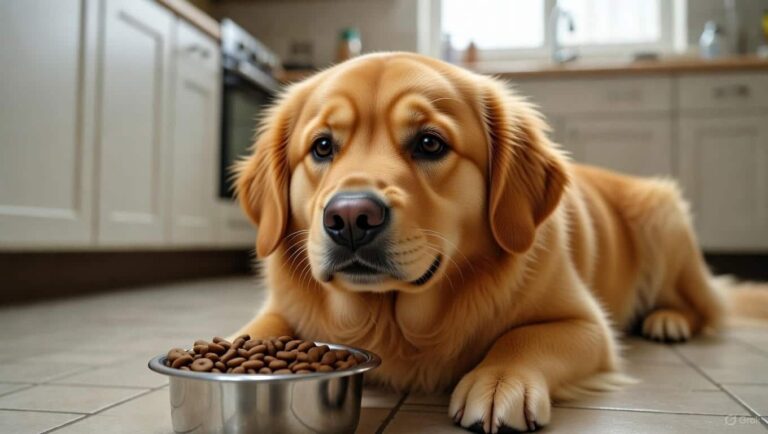
The video, posted on TikTok and later shared on Instagram Reels, features a golden retriever named Max who has a unique technique for going upstairs.
Instead of walking up like a normal dog, Max hops up each stair backward, wagging his tail enthusiastically as if performing a personal victory dance.
His owners initially thought it was just a one-time funny moment when he was a puppy. But six years later, Max still prefers his backward stair routine.
And the internet can’t get enough of it.
Comments flooded in:
- “That’s his stairway to heaven!”
- “This dog is pure comedy gold!”
- “Six years and still committed to the bit — respect!”
Clearly, people love animals who embrace their quirks unapologetically.
Why Do Dogs Develop ‘Weird’ Habits?
While Max’s stair-hopping might seem random, animal behaviorists say it’s actually quite common for dogs to develop repetitive, unique behaviors.
Here are some of the main reasons dogs might adopt unusual habits like this:
1. Learned Behavior Through Repetition
Sometimes dogs simply learn a pattern that sticks.
If a behavior once earned attention, laughter, or treats, they might repeat it — even years later.
Max’s family laughed the first few times he climbed stairs backward, and that positive reaction likely reinforced the habit.
2. Personality Expression
Dogs, much like humans, have personalities. Some are goofy, others are cautious, and some love performing. A “weird” habit might just be a dog expressing their individuality.
3. Physical Comfort or Preference
Believe it or not, dogs sometimes choose certain movements because it feels comfortable to them. Maybe the angle of the stairs feels better when approached a certain way, or a previous injury influenced how they move.
4. Attention-Seeking Behavior
Dogs crave human interaction. If your laughter or cheers follow a certain act, they might interpret it as praise — and repeat it just to get your attention again.
5. Instinctual Playfulness
Play is deeply rooted in canine behavior. Going up stairs backward might just feel like a game for Max — something fun that keeps him energized and joyful.
When ‘Weird’ Is Perfectly Normal
Every dog owner can relate: one day you catch your dog doing something completely odd — maybe spinning in circles before sitting down, or barking at the TV whenever a doorbell rings — and you wonder, “Is my dog okay?”
The truth is, most “weird” dog behaviors are perfectly normal and harmless.
According to pet experts, dogs use habits and routines to express comfort, joy, or excitement. As long as a behavior isn’t causing harm or distress, there’s no reason to worry.
In Max’s case, climbing the stairs backward became a trademark move — part of his personality that everyone in the family adores.
The Internet’s Love for Funny Dog Moments
Social media has given us countless viral dog moments — from talking huskies to dancing pugs. But why do these clips spread so fast?
Because laughter connects us.
A video like Max’s reminds people that joy often hides in the simplest moments. Dogs don’t worry about being perfect; they just live in the moment, teaching us to do the same.
Viral dog content often includes:
- Funny habits (like walking backward)
- Unexpected intelligence (opening doors or mimicking humans)
- Relatable emotions (guilt, joy, excitement)
These moments not only entertain but also deepen our understanding of the emotional intelligence of dogs.
What Your Dog’s Stair Behavior Might Say About Them
If your dog has a funny way of climbing stairs, it might say something interesting about their personality or comfort level.
Let’s explore a few possibilities:
1. Confidence Level
Confident dogs often take stairs boldly, even playfully. A cautious dog might move slowly or look back for reassurance.
Max’s backward hopping? That’s confidence and playfulness rolled into one!
2. Physical Adaptation
Older dogs or breeds with shorter legs (like Dachshunds or Corgis) may develop unique ways to navigate stairs to reduce pressure on joints.
3. Attention-Seeking
If your dog notices that a particular action makes you laugh or react, they’ll likely keep doing it. It’s their way of bonding with you.
4. Stress Relief or Excitement
Repetitive actions can help dogs manage energy or excitement. Climbing stairs in a funny way might be their way of burning off joy.
Understanding Canine Quirks: Every Dog Is Different
Just like humans, dogs have unique personalities. Some love routine; others crave new adventures.
When you embrace your dog’s weird habits, you’re actually encouraging their emotional confidence.
Here’s how to respond positively to your dog’s quirks:
- Laugh and enjoy it: Dogs feel your energy. Your joy reinforces their happiness.
- Avoid over-correcting harmless habits: If it’s not harmful, let them be themselves.
- Capture the moment: Videos and photos of your dog’s weird habits make amazing memories (and possibly viral content!).
Dog Behavior Experts Weigh In
Animal behaviorist Dr. Emily Carter explains that behaviors like Max’s are often “harmless expressions of personality or habit.”
“Dogs remember the reactions they get from their owners. If laughter or excitement follows, they associate the act with love and attention. It becomes a positive feedback loop,” Carter notes.
Veterinarian Dr. Samir Khan adds,
“Unless the behavior is causing injury or distress, there’s no reason to discourage it. In fact, it can strengthen the pet-owner bond.”
So, next time your dog does something unusual, remember — it’s their unique way of communicating joy.
How to Tell if a Dog’s ‘Weird’ Behavior Is a Problem
While most odd behaviors are cute and harmless, it’s good to know when to seek help.
If your dog’s actions suddenly change or seem compulsive, it might signal discomfort, anxiety, or pain.
Signs to Watch Out For:
- Sudden change in movement or posture
- Whining while performing the habit
- Avoidance of stairs or specific areas
- Signs of fatigue or stiffness
If any of these occur, consult a vet. Otherwise, enjoy the show — your dog’s weirdness is their charm.
Celebrating the Funny Side of Pet Life
The family behind Max’s viral video says the laughter he brings never gets old.
“He’s been doing this for six years, and we still laugh every single time,” said Max’s owner. “He makes even boring days funny.”
That’s the beauty of living with pets — they find ways to make ordinary moments extraordinary.
Their joy, silliness, and unfiltered love remind us that life is better when we don’t take everything too seriously.
The Psychology Behind Laughter and Pets
Humor strengthens the bond between humans and animals. When you laugh with your pet (not at them), you build mutual trust.
Dogs are sensitive to human emotions. They can sense when you’re happy, stressed, or sad. So when you laugh at their antics, it often makes them feel appreciated and loved.
Laughter, in this way, becomes a form of emotional communication — a sign that everything is good in their little world.
Tips for Encouraging Healthy, Fun Dog Behavior
If you love your dog’s goofy moments, here are a few ways to keep them happy and active:
- Play regularly — games like fetch or hide-and-seek keep their minds sharp.
- Give verbal praise — let them know when they make you laugh.
- Record funny moments — not only for memories but also for training insights.
- Encourage safe play — weird habits are fun as long as they’re harmless.
- Share the joy — upload videos responsibly and spread positive pet content online.
Key Takeaways
- Every dog has unique quirks — and that’s what makes them special.
- A dog’s weird way of doing things often reflects personality and comfort.
- Laughter strengthens the pet-owner bond.
- Most unusual behaviors are harmless unless they cause pain or anxiety.
- Cherish your dog’s individuality — it’s part of their charm!
Frequently Asked Questions (FAQ)
1. Why does my dog climb stairs in a weird way?
It’s usually harmless! Dogs often develop habits based on comfort, personality, or attention-seeking behavior. As long as they’re not in pain, it’s just part of who they are.
2. Should I stop my dog from going upstairs backward?
No need — unless it’s unsafe or causing strain. Most dogs perform these habits happily without issue.
3. Can dogs remember their habits for years?
Absolutely. Dogs remember routines and responses from humans. Positive reinforcement can make habits last a lifetime.
4. Are funny dog behaviors a sign of intelligence?
Yes, in a way! Creative problem-solving, attention-seeking, and expressive play often indicate emotional intelligence.
5. How can I make my dog’s habits go viral online?
Focus on authenticity — people love genuine moments. Use clear lighting, relatable captions, and trending hashtags like #DogTok or #FunnyPets.