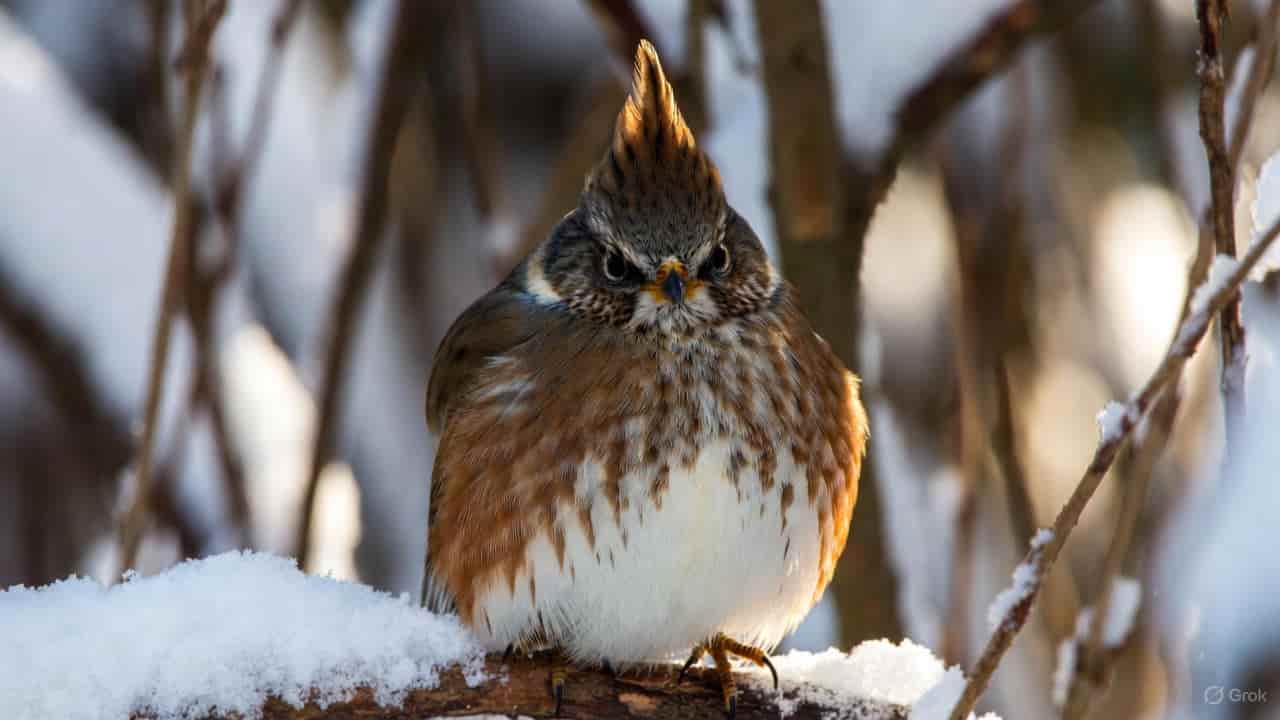
How Birds Stay Cozy in the Cold — Nature’s Incredible Survival Guide
Introduction
When winter arrives and the temperatures drop, many of us wrap ourselves in warm clothes, blankets, and scarves to stay cozy. But have you ever wondered how birds stay warm in the cold without sweaters or heaters? It’s fascinating to think that these delicate creatures survive freezing nights, snowstorms, and icy winds—often in the open!
In this article, we’ll dive deep into the science and secrets behind bird winter survival. From their smart physical adaptations to behavioral changes and teamwork, you’ll learn exactly how nature has perfectly designed birds to thrive in the coldest climates.
So, grab a cup of something warm, and let’s explore how birds keep themselves warm and safe in winter.
1. Feather Power: Nature’s Built-in Insulation
Feathers are not just for flying or looking pretty. They are birds’ most powerful natural protection against the cold. Every feather acts like a tiny blanket that traps air and keeps body heat from escaping.
How Feathers Keep Birds Warm
- Down feathers (the soft layer under outer feathers) trap warm air close to the body.
- Contour feathers (the ones you see on the outside) block cold air and moisture.
- Together, these layers create a natural insulation system that rivals the best winter jackets humans make.
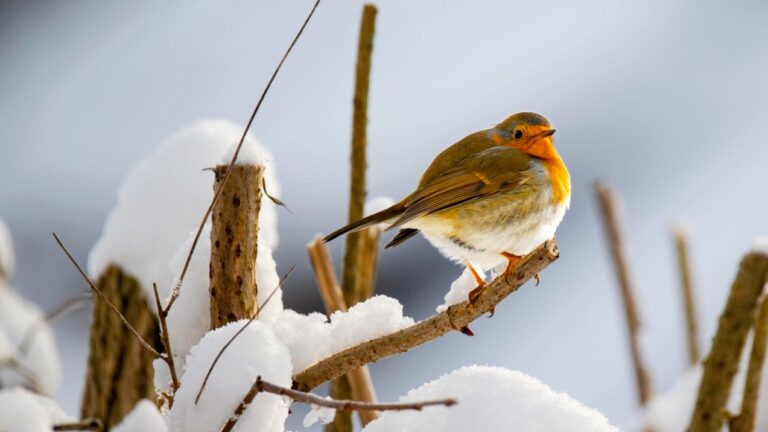
This double-layered design allows birds to maintain their body temperature even when it’s below freezing. That’s why you’ll often see birds fluffing up their feathers in winter—it’s their way of creating an air pocket of warmth.
2. The Magic of Preening: Feather Maintenance for Warmth
You may have noticed birds running their beaks through their feathers. This behavior, called preening, is much more than grooming—it’s essential for insulation.
During preening, birds spread oil from their uropygial gland (near the base of the tail) onto their feathers. This oil keeps their plumage waterproof and flexible, preventing cold rain or snow from soaking through to the skin.
Fun Fact:
Waterfowl like ducks and geese have especially oily feathers, which is why you often see them floating in icy ponds without freezing!
3. Body Fat: The Bird’s Built-in Heater
Just as humans need calories to stay warm, birds build up fat reserves before and during winter. This fat acts like stored energy—a portable heater that fuels their metabolism and generates warmth.
- Before winter, birds eat more insects, seeds, and berries.
- Their bodies convert this food into fat deposits, especially around the chest and abdomen.
- These reserves help them survive cold nights and food shortages.
Smaller birds, like chickadees and finches, often eat up to one-third of their body weight in a single day during winter to maintain these reserves!
4. Shivering for Warmth: A Smart Thermoregulation Trick
It might sound surprising, but birds actually shiver to generate heat—just like humans! The rapid muscle movements produce internal warmth, helping them maintain a stable body temperature.
Shivering is especially important for small birds, whose high metabolism helps them stay active and alert even when temperatures drop below freezing.
5. Tucking In: How Birds Protect Their Feet and Beaks
Have you ever seen a bird standing on one leg or tucking its head under its wing? That’s not just cute—it’s a clever heat-saving strategy.
- Tucking one leg close to the body reduces heat loss.
- Hiding their beak under a wing keeps warm air circulating near vital organs.
- Some birds even crouch down to cover their legs with feathers.
These small habits make a big difference, especially during long, cold nights.
6. Roosting Together: The Power of Group Warmth
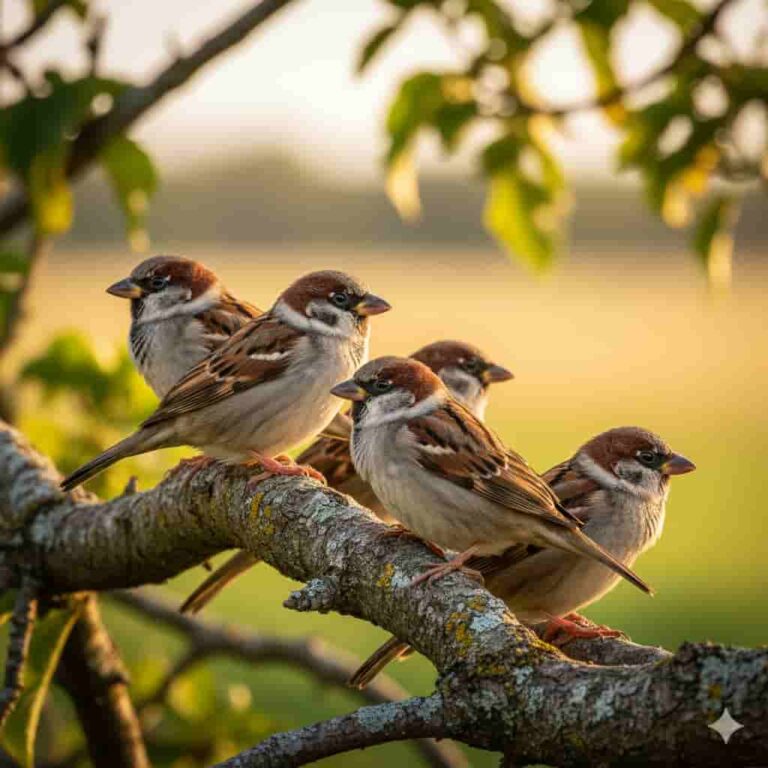
Many bird species, especially sparrows, starlings, and pigeons, roost in groups during winter. By huddling together, they share body warmth and reduce heat loss. It’s a natural version of “teamwork makes the dream work.”
Also Read:Best Birds in the World
Examples:
- Wrens often crowd into tree holes or nest boxes, forming cozy clusters.
- Chickadees and bluebirds share birdhouses or thick shrubs to survive frosty nights.
This social behavior can raise the temperature inside a roost by several degrees, making it a life-saving tactic.
7. Seeking Shelter: Nature’s Winter Hideouts
Birds are experts at finding safe places to escape the wind, snow, and predators. They instinctively choose locations that offer natural protection.
Common Bird Shelters in Winter:
- Dense evergreen trees
- Hollow logs
- Cavities in trees
- Roof eaves or barn rafters
- Birdhouses with small entry holes
Some even reuse old nests or find cozy corners in human-made structures for warmth.
8. Sunbathing in Winter: Feather Solar Panels
Even in cold weather, sunlight provides a valuable source of warmth. Birds often sunbathe by turning their backs to the sun, fluffing their feathers, and spreading their wings slightly.
This behavior helps them:
- Absorb radiant heat directly from sunlight
- Regulate body temperature naturally
- Reduce the need for extra energy
On bright winter days, you can spot birds basking in sunny spots—it’s their way of recharging.
9. Migration: When It’s Too Cold to Handle
Not all birds tough it out through the cold months. Many species, like swallows, warblers, and hummingbirds, migrate to warmer regions. Migration is the ultimate survival strategy when local food becomes scarce and temperatures too extreme.
However, even among migratory species, some individuals stay behind. These birds have adapted to winter life, mastering the art of finding food and conserving heat.
10. Smart Feeding Habits in Cold Weather
Food equals warmth for birds. To maintain their energy and body heat, birds adapt their feeding habits in winter.
How Birds Find Food in Winter:
- Caching: Some birds hide seeds and nuts in the ground or trees.
- Foraging: Others explore open fields, bird feeders, or human settlements.
- Diet shift: When insects disappear, they switch to berries, seeds, and suet.
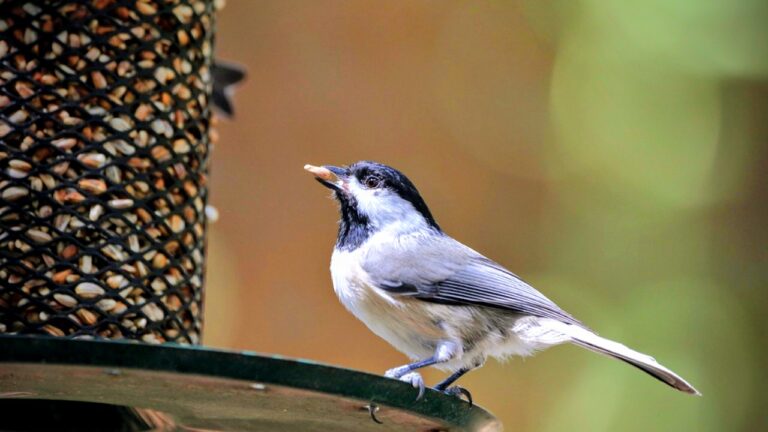
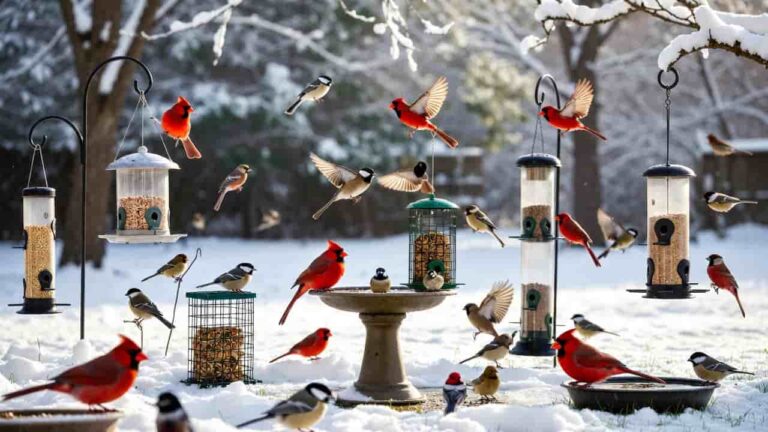
Providing bird feeders filled with sunflower seeds, suet, and peanuts helps local birds survive cold spells.
11. Tiny Hearts, Big Warmth: Bird Metabolism in Winter
Birds have incredibly high metabolic rates, meaning their bodies generate heat quickly. In cold weather, they can increase their metabolism by 25–50% to stay warm.
This fast metabolism burns calories rapidly, so birds need constant food. That’s why you’ll often see them busily pecking, hopping, or hunting—even in the snow.
12. The Role of Plumage Color: Dark Feathers Absorb Heat
Dark feathers can help birds absorb and retain heat from sunlight. This is especially useful in winter when the sun is low and weak.
Species like crows and blackbirds benefit from their dark plumage, which works like a natural solar panel. This adaptation helps them stay warmer than lighter-colored birds in the same environment.
13. Night Survival Tactics: Lowering Body Temperature
Some small birds use a clever trick called torpor, a short-term drop in body temperature and metabolism to conserve energy overnight.
It’s similar to hibernation but only lasts a few hours.
Examples:
- Hummingbirds use torpor to survive chilly nights.
- Chickadees lower their body temperature by up to 10°C to reduce energy use.
This temporary slowdown helps them save fuel for the next day’s activities.
14. How Humans Can Help Birds Stay Warm
You can make a big difference for wild birds during cold months with a few simple steps:
Easy Ways to Help:
- Provide food: Install bird feeders with seeds, peanuts, or suet.
- Offer water: Use a heated birdbath or replace frozen water regularly.
- Add shelter: Leave some shrubs untrimmed or hang birdhouses.
- Avoid chemicals: Keep your yard safe and natural.
- Don’t disturb roosting birds: They need calm, safe spaces to rest.
Your backyard can become a safe winter haven for birds if you make these small efforts.
15. Climate Change and Bird Winter Survival
Global warming affects birds in complex ways. Warmer winters may seem helpful, but they can disrupt natural migration patterns and food cycles. Birds may arrive too early or too late for seasonal food sources, leading to starvation or failed breeding.
By supporting bird-friendly habitats and reducing pollution, humans can help birds adapt to changing climates.
Conclusion
Birds are among the most resilient creatures on Earth. From fluffy feathers and fat reserves to teamwork and sunbathing, their winter survival strategies are both clever and inspiring.
Next time you see a bird puffed up on a snowy branch, remember—it’s not just surviving, it’s mastering nature’s toughest challenge with grace and intelligence.
Understanding how birds stay warm in the cold also reminds us of the incredible balance of nature—and how small actions from us can help preserve it.
FAQs About How Birds Stay Warm in the Cold
Q1: How do birds not freeze to death in winter?
Birds use insulation from feathers, fat reserves, and shivering to maintain body heat, even in subzero temperatures.
Q2: Why do birds puff up in winter?
They fluff up their feathers to trap warm air and create an insulating layer against the cold.
Q3: How do birds keep their feet from freezing?
Birds have a counter-current heat exchange system in their legs that minimizes heat loss.
Q4: Do all birds migrate to stay warm?
No, only some species migrate. Many adapt locally by finding food, shelter, and using insulation techniques.
Q5: What can I feed birds in winter to help them?
Offer high-energy foods like suet, sunflower seeds, and peanuts to support their energy needs.
Key Takeaways
- Birds stay warm using feathers, fat, and smart behaviors.
- They fluff up, huddle, and even shiver to generate heat.
- Providing shelter and food helps local birds survive winter.
- Nature equips birds with remarkable survival tools that humans can learn from.