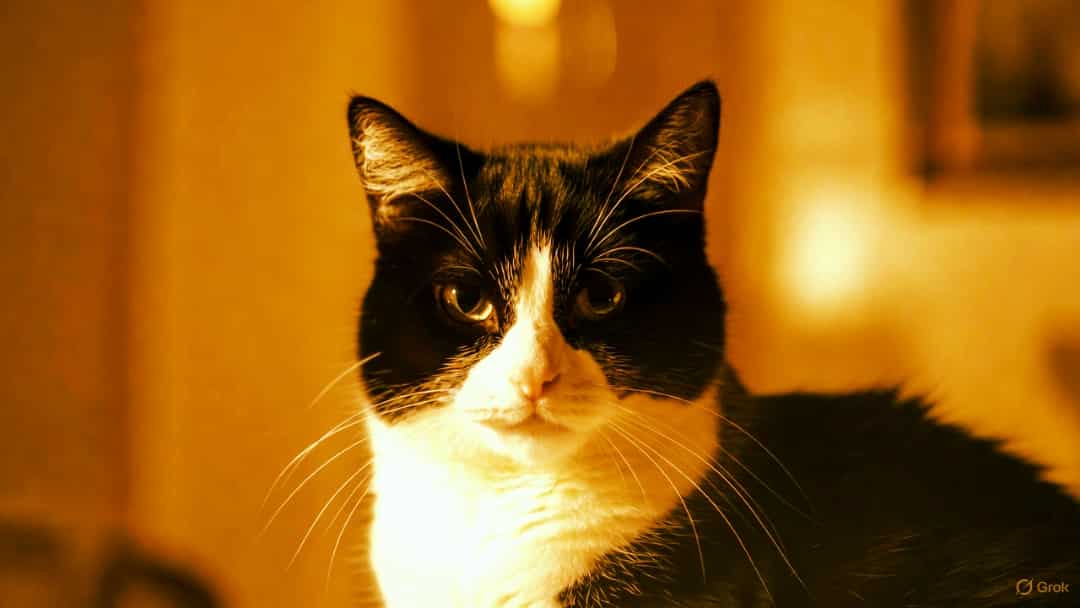
Fascinating Facts About Tuxedo Cats: The Charming Felines with Classy Coats
Discover fascinating facts about tuxedo cats — their personality, history, myths, and why they’re one of the most loved feline breeds worldwide.
The Allure of the Tuxedo Cat
There’s something irresistibly charming about tuxedo cats — those dapper felines dressed in what looks like a sleek black suit and white shirt. Their elegant appearance has fascinated cat lovers for centuries. But did you know that their looks aren’t the only thing that makes them special?
In this comprehensive guide, you’ll discover fascinating facts about tuxedo cats, their unique personalities, historical significance, genetics, and even a few surprising myths that might change how you see these classy companions forever.
What Exactly Is a Tuxedo Cat?
Before diving into their fun facts, it’s important to understand what a tuxedo cat truly is. Contrary to what many believe, “tuxedo cat” is not a breed. It’s actually a color pattern found in many different cat breeds.
A tuxedo cat has a bi-color coat, primarily black with white markings — usually on the chest, paws, and face — giving them the appearance of wearing a formal tuxedo. These white patches are caused by the piebald gene, which controls pigment distribution.
So, you might see tuxedo-patterned Domestic Shorthairs, British Shorthairs, Maine Coons, and even Persians!
The Genetics Behind the Suit
Let’s get a little scientific — but not too much!
Tuxedo cats owe their black-and-white appearance to a fascinating genetic quirk. The white spotting gene (S gene) interferes with pigment-producing cells as a kitten develops in the womb. This gene determines how much white fur a cat will have.
- Cats with low white spotting often have just a patch of white on their chest or belly.
- Cats with medium spotting — the classic tuxedo look — have a balanced mix of black and white.
- Cats with high white spotting might even appear mostly white with black patches.
This randomness makes every tuxedo cat truly one of a kind.
A Brief History: Tuxedo Cats in Culture and Myth
Tuxedo cats have a long and impressive history across different cultures and eras. Ancient Egyptians, for instance, worshiped cats of all colors — and archaeologists have found tuxedo-patterned cats painted on tomb walls.
In later centuries, these cats appeared in literature, folklore, and even politics. Let’s look at a few notable examples:
- Sir Isaac Newton was rumored to have owned a tuxedo cat that kept him company during his studies.
- William Shakespeare mentioned black-and-white cats in his works.
- And in pop culture, tuxedo cats became icons — like Sylvester the Cat from Looney Tunes or Felix the Cat, one of the earliest animated movie stars.
Their distinguished look has made them symbols of intelligence, luck, and mystery across time.
Personality Traits: The Tuxedo Cat Temperament
Beyond their looks, tuxedo cats are known for their vibrant, affectionate personalities. Many cat owners agree that tuxedos are among the most intelligent and loyal felines.
Here are a few traits that make them truly stand out:
1. Highly Intelligent
Tuxedo cats are quick learners. Owners often report that their tuxies can open doors, play fetch, and respond to commands — behaviors usually seen in dogs!
2. Affectionate and Social
They love human company and often form strong bonds with their owners. Don’t be surprised if your tuxedo cat follows you from room to room — they just want to be part of everything.
3. Playful and Curious
Curiosity runs deep in these cats. They love exploring new spaces, playing with toys, and even “helping” you work at your desk.
4. Confident and Bold
Unlike shy or skittish cats, tuxedo cats often exude confidence. Their body language is expressive, and they rarely back down from new experiences.
These cats truly bring a perfect blend of brains, beauty, and bravery.
How Long Do Tuxedo Cats Live?
The average tuxedo cat lifespan ranges between 12 to 18 years, depending on care, diet, and whether they live indoors or outdoors. Indoor cats generally live longer because they’re protected from accidents, diseases, and predators.
With regular vet check-ups, balanced nutrition, and mental stimulation, many tuxedo cats can live well beyond 20 years — a testament to their resilience and adaptability.
Diet and Health: Keeping Your Tuxedo Cat Thriving
Tuxedo cats don’t have specific dietary needs different from other cats, but their nutrition still matters for maintaining shiny fur and good health.
Here’s how to keep your feline friend healthy:
- High-Protein Diet: Choose cat food rich in real meat like chicken, turkey, or salmon.
- Omega Fatty Acids: Help keep their coats sleek and glossy.
- Regular Hydration: Encourage water intake to support kidney health.
- Portion Control: Tuxedo cats can easily gain weight if overfed — especially indoor ones.
It’s also essential to schedule annual vet visits to monitor their dental health, vaccinations, and parasite prevention.
Are Tuxedo Cats Good Pets?
Absolutely! Tuxedo cats make wonderful companions for families, singles, and even seniors. Their adaptable nature means they can thrive in apartments or houses with yards.
They usually get along well with:
- Other cats 🐱
- Friendly dogs 🐶
- Respectful children 👧👦
Their easy-going yet lively temperament makes them an ideal choice for first-time cat owners too.
Fun and Fascinating Facts About Tuxedo Cats
Let’s explore some lesser-known facts that make tuxedo cats even more captivating:
🕶️ 1. They’re Not Always Black and White
While most tuxedo cats are black and white, some have gray, orange, or even tabby-colored coats with similar markings.
2. They’re Considered Lucky
In many cultures, black and white cats are symbols of prosperity and protection. Sailors once believed bringing a tuxedo cat aboard would ensure safe travels and calm seas.
3. They Mature Faster Than Other Cats
Studies suggest tuxedo kittens open their eyes earlier and reach milestones a bit faster than other breeds.
4. They’re Hollywood Stars
From Sylvester the Cat to The Cat in the Hat, tuxedo cats have been cultural icons in film and TV for decades.
5. They’ve Made History
Did you know a tuxedo cat named Simon received the Dickin Medal for bravery during World War II? He protected a British ship from rats while it was under attack — a true hero!
6. They’re Known for Loyalty
Tuxedo cats form deep emotional bonds with their humans. Some owners describe them as “dog-like” in their devotion.
7. They’re Instagram Celebrities
Thanks to their natural photogenic charm, tuxedo cats dominate social media feeds. Their expressive faces and formal looks make every photo post-worthy!
Do Tuxedo Cats Shed a Lot?
Yes, but not excessively. Shedding depends on the breed type and coat length. Short-haired tuxedos shed less than long-haired ones like Maine Coons.
Regular grooming — brushing at least twice a week — helps reduce shedding, prevent hairballs, and keep that coat shining like silk.
Grooming Tips for Tuxedo Cats
Maintaining a tuxedo cat’s sleek appearance doesn’t require professional grooming — just a little consistency.
Here’s what you can do:
- Brush weekly to reduce loose fur.
- Clean their eyes and ears gently with vet-approved wipes.
- Trim nails every few weeks.
- Bathe occasionally using mild cat shampoo (only if necessary).
A well-groomed tuxedo cat not only looks dashing but also feels more comfortable and healthy.
Why People Love Tuxedo Cats So Much
It’s easy to see why tuxedo cats are adored globally. Their personality, intelligence, and unique looks combine to create the perfect feline companion.
They’re the type of pet that turns even a non-cat person into a lifelong admirer. Whether they’re curling up beside you or playfully chasing a toy mouse, their charm never fades.
Myths and Misconceptions About Tuxedo Cats
Despite their popularity, there are still a few myths surrounding these stylish cats:
- Myth 1: All tuxedo cats are male.
Fact: Both males and females can have tuxedo markings. - Myth 2: They’re a specific breed.
Fact: Tuxedo refers to coat pattern, not breed. - Myth 3: They’re aloof and moody.
Fact: They’re known to be affectionate, playful, and people-loving.
Dispelling these myths helps more people appreciate these amazing felines for who they truly are.
Famous Tuxedo Cats You Should Know
- Felix the Cat – The first cartoon cat superstar.
- Sylvester – Looney Tunes legend, always chasing Tweety Bird.
- Mr. Mistoffelees – The magical cat from the musical Cats.
- Simon – The heroic ship cat of WWII.
- Socks – The beloved tuxedo cat of former U.S. President Bill Clinton.
These cats have helped make tuxedos icons of intelligence, charm, and loyalty in popular culture.
Final Thoughts: The Elegance of the Everyday Cat
Tuxedo cats may look like they’re always dressed for a gala, but they’re far more than their appearance. Behind those sharp coats lies a heart full of love, curiosity, and wit.
Owning a tuxedo cat means living with a little comedian, a loyal companion, and a clever explorer all rolled into one. Their presence lights up any home — and their elegance never goes out of style.
If you’re considering adopting a cat, a tuxedo feline might just be the purr-fect match for you.
Frequently Asked Questions (FAQ)
Q1: Are tuxedo cats a specific breed?
No. The term “tuxedo cat” describes their black-and-white color pattern, not their breed. You’ll find tuxedo patterns in many cat breeds.
Q2: Do tuxedo cats have a special personality?
Yes! They’re known to be smart, confident, and affectionate — often more outgoing than other cats.
Q3: Are tuxedo cats rare?
Not particularly. They’re fairly common but still admired for their unique, classy appearance.
Q4: How do I know if my cat is a tuxedo cat?
If your cat has a black body with white markings on the chest, paws, and sometimes the face, it’s likely a tuxedo.
Q5: How long do tuxedo cats live?
Most live 12–18 years, but with excellent care, they can live into their 20s.
Q6: Do tuxedo cats shed more than others?
Shedding depends on the breed, not the coat pattern. Regular grooming helps manage it easily.
Q7: Are tuxedo cats good with other pets?
Yes, most tuxedo cats are friendly and adaptable with other cats, dogs, and children.