Interesting Facts About Orange Cats That Will Melt Your Heart
Introduction
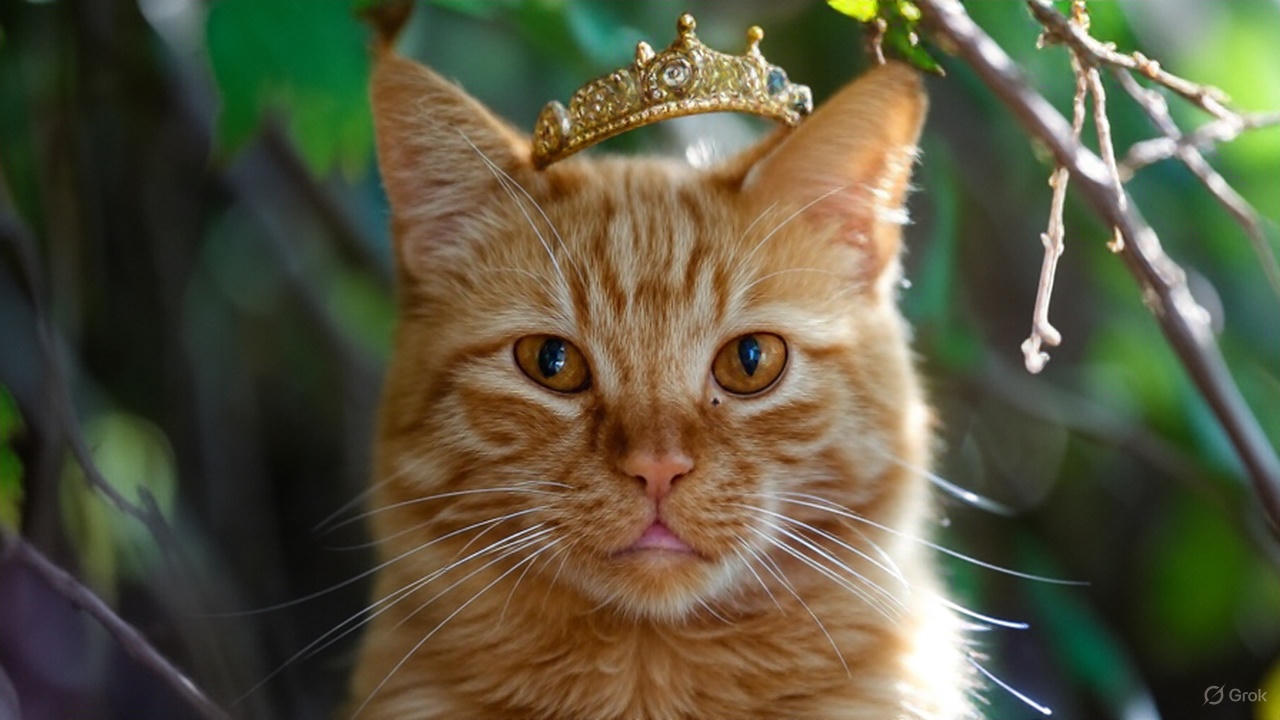
There’s something magical about orange cats. Their fiery fur, mischievous glint, and lovable attitude make them stand out from the crowd. Whether you know them as ginger cats, marmalade cats, or orange tabbies, these felines have captured hearts across the world — from cartoon icons like Garfield to real-life charmers lounging in sunbeams.
But have you ever wondered what makes orange cats so special? Why do they seem extra friendly, extra lazy, or extra goofy? And is it true that most orange cats are male?
In this comprehensive guide, we’ll uncover the most interesting facts about orange cats — backed by science, sprinkled with history, and filled with fun tidbits every cat lover should know.
1. The Science Behind the Orange Coat Color
The secret behind an orange cat’s color lies deep in their DNA. Their signature shade comes from a gene called “O”, short for orange. This gene controls the production of pheomelanin, the same pigment that gives humans red hair and freckles.
Interestingly, the orange gene is sex-linked, meaning it’s carried on the X chromosome.
Here’s how it works:
- Male cats have one X and one Y chromosome (XY).
- Female cats have two X chromosomes (XX).
Since the orange gene is located on the X chromosome, male cats need only one copy of the orange gene to display that color, while females need two. That’s why about 80% of orange cats are male — a fun genetic twist that explains why they’re so commonly “boys.”
2. All Orange Cats Are Tabbies — But Not All Tabbies Are Orange
Here’s a fascinating truth: there’s no such thing as a solid orange cat.
Every orange cat, no matter how uniform they look, is actually a tabby.
“Tabby” doesn’t refer to a breed — it’s a coat pattern. These stripes, swirls, or spots are caused by the agouti gene, which controls the distribution of pigment in each hair strand.
There are four main types of tabby patterns found in orange cats:
- Classic tabby (blotched or marbled) – large swirling patterns
- Mackerel tabby (striped) – narrow, tiger-like stripes
- Spotted tabby – spots or freckles instead of stripes
- Ticked tabby – subtle pattern with individual hairs banded in color
So the next time you see a ginger cat sunbathing, remember — those faint stripes or bold swirls are part of their tabby identity!
3. Most Orange Cats Are Males
As mentioned earlier, the orange gene is sex-linked, leading to a fascinating gender imbalance. Statistically:
- About 4 out of 5 orange cats are male.
- Only 1 in 5 orange cats is female.
This occurs because female cats need two copies of the orange gene (one on each X chromosome), while males need just one. That means female orange cats are genetically rarer — and some cat lovers even consider them lucky charms!
4. Orange Cats Have a Reputation for Being Extra Friendly
Many cat owners swear that their orange cat is the most social, cuddly, or attention-seeking feline they’ve ever met. But is it true?
While science doesn’t officially link fur color to personality, several studies and surveys suggest orange cats tend to have more outgoing temperaments.
According to cat behaviorists:
- Orange cats are often described as “dog-like” in loyalty.
- They enjoy social interaction and follow their owners around.
- Many have laid-back personalities, especially males.
However, keep in mind that a cat’s behavior depends more on breed, environment, and upbringing than coat color. Still, the orange charm seems almost universal!
5. Orange Cats Have Many Names Around the World
Depending on where you live, orange cats might be known by different names. Here are a few popular nicknames:
- Ginger cats – Common in the UK and Australia
- Marmalade cats – Popular term for bright orange tabbies
- Red cats – Used by breeders and cat associations
- Tangerine cats – A fun term in some pet circles
No matter what you call them, orange cats have a reputation for bringing warmth, laughter, and sunshine into any home.
6. Orange Cats in History and Culture
Orange cats have a long and colorful presence in culture and history.
- Ancient Egypt: Orange cats were often linked with sun gods due to their radiant hue.
- Folklore: Some cultures believed ginger cats brought good fortune or protected sailors on voyages.
- Pop culture: From Garfield and Puss in Boots to Milo from The Adventures of Milo and Otis, orange cats have stolen the spotlight on screens for decades.
Their expressive faces and bold personalities make them perfect characters — whether in myth, movies, or memes.
Also Read:
7 Strongest Breed Dogs For your Choice
7. Orange Cats Love Their Food (Maybe Too Much!)
If you own an orange cat, you may have noticed how they never say no to treats.
Many pet owners joke that orange cats are always hungry — and sometimes, they really are!
Some experts suggest that male cats, especially neutered ones, are more food-motivated. Combine that with the typical laid-back orange cat attitude, and you’ve got a furry food enthusiast who’s always ready for dinner.
Pro Tip:
Use interactive feeders or slow-feed bowls to help control your orange cat’s portion size and prevent overeating.
8. They’re Known for Their “Chill” Personality
If cats could embody the word “relaxed,” orange cats would be the champions.
They often exhibit a calm and easygoing demeanor, making them great companions for families, kids, and even other pets.
Of course, every cat is different, but orange tabbies are often:
- More tolerant of handling
- Less skittish around strangers
- Highly adaptable to new environments
Their laid-back nature is one of the reasons they’re such favorites in households worldwide.
9. Breed Doesn’t Matter — Orange Can Appear in Many Breeds
You might think orange cats belong to a single breed, but that’s not the case.
The orange color gene can appear in many cat breeds, both purebred and mixed.
Some breeds known for orange coat variations include:
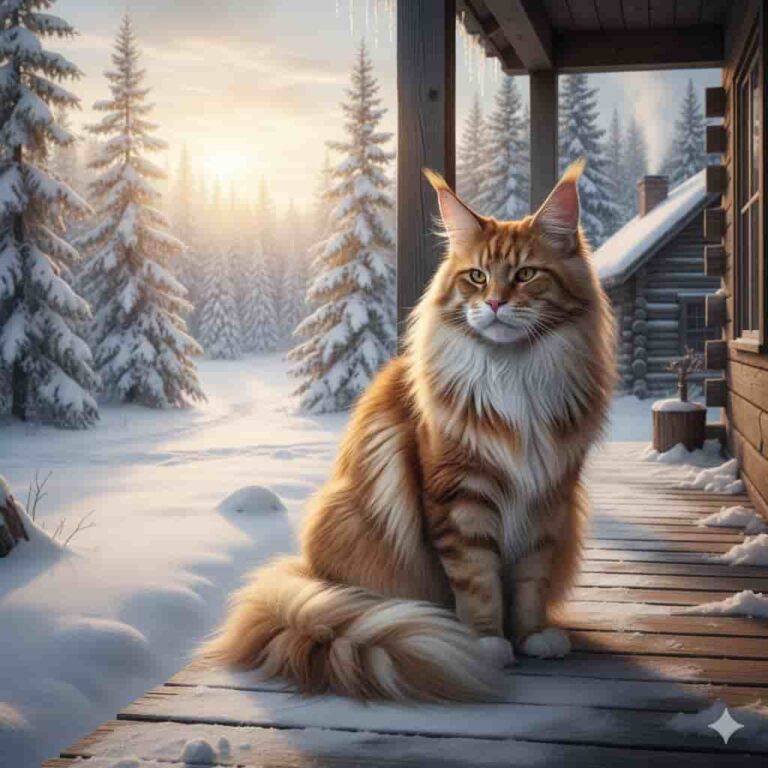
- Maine Coon
- Persian
- British Shorthair
- American Shorthair
- Abyssinian
- Devon Rex
This means you can find an orange cat in almost any body type or fur length — from fluffy giants to short-haired snugglers.
10. Their Eye Colors Are Just as Warm
Have you noticed that orange cats often have eyes that seem to glow?
Their eyes typically range from golden yellow to amber and even greenish hues. These tones complement their fur perfectly, giving them a warm, captivating appearance.
Eye color in cats is influenced by genetics, but orange cats tend to have a high concentration of melanin, which deepens their eye color. That’s why many ginger cats have eyes that look like tiny suns.
11. Grooming Orange Cats: Shine That Fiery Coat
Orange cats, especially long-haired ones like Persians or Maine Coons, need regular grooming to keep their coats healthy and shiny.
Here are some grooming tips:
- Brush at least twice a week to remove loose hair.
- Use a gentle cat shampoo once every few months if needed.
- Check for dandruff — lighter fur can make flakes more visible.
- Feed a balanced diet with omega-3 fatty acids for a glossy coat.
A well-groomed orange cat looks even more radiant and feels happier, too!
12. Orange Cats in Movies, Memes, and Media
It’s impossible to talk about orange cats without mentioning their fame online.
They’ve dominated memes, TV shows, and viral videos for years.
Famous orange cats include:
- Garfield – The lasagna-loving cartoon cat
- Puss in Boots – The charming swordsman from Shrek
- Milo – The adventurous kitten from The Adventures of Milo and Otis
- Orangey – The real-life cat actor from Breakfast at Tiffany’s
Their expressive faces and unique coloring make them perfect internet icons. No wonder orange cats are sometimes jokingly called “the golden retrievers of the cat world.”
13. Are Orange Cats More Vocal?
If your orange cat loves to “talk,” you’re not alone. Many cat parents report that their ginger kitties are more vocal than other cats.
Whether it’s demanding food, greeting you at the door, or chatting at the window, orange cats often have a lot to say.
This talkative trait might be due to their social personalities — they simply enjoy communicating with their humans!
14. Adoption Tip: Orange Cats Often Get Adopted Fast
Shelter data shows that orange cats tend to get adopted faster than most other colors. Their warm appearance and friendly reputation attract adopters quickly.
However, it’s important to remember that every cat, regardless of color, deserves a loving home. If you ever visit a shelter, take a moment to meet all the cats — sometimes, the shy gray tabby in the corner has just as much love to give.
15. Orange Cats Are Natural Mood Boosters
It might sound silly, but orange cats seem to radiate happiness.
Their bright fur and affectionate nature can truly lift your spirits.
Many cat owners report that their orange cat:
- Comforts them during stressful times
- Loves cuddles and headbutts
- Has a playful, goofy side that brings laughter daily
In short, orange cats aren’t just beautiful — they’re little bundles of sunshine with paws.
Also Read:
Complete safety Checklist For your family pets
Conclusion
From their genetic quirks to their affectionate personalities, orange cats are truly special. Whether you call them ginger cats, marmalade cats, or sunshine kitties, one thing is certain: they brighten every home they enter.
If you’re lucky enough to share your life with an orange cat, cherish every purr, cuddle, and silly antic. Because beneath that fiery fur is a heart made of pure gold.
Frequently Asked Questions (FAQ)
1. Are all orange cats male?
No, but around 80% of orange cats are male due to genetics. Female orange cats are rarer because they need two orange genes to show the color.
2. Do orange cats have a unique personality?
While not scientifically proven, many owners find orange cats to be friendly, social, and outgoing compared to other colors.
3. What breeds can have orange cats?
You can find orange coats in breeds like Maine Coons, Persians, British Shorthairs, and American Shorthairs.
4. Why are orange cats always tabbies?
Because the orange color gene is linked with the tabby pattern — that’s why there are no truly solid orange cats.
5. Are orange cats good pets for families?
Absolutely! Their calm, playful, and affectionate nature makes them wonderful companions for families and kids.