
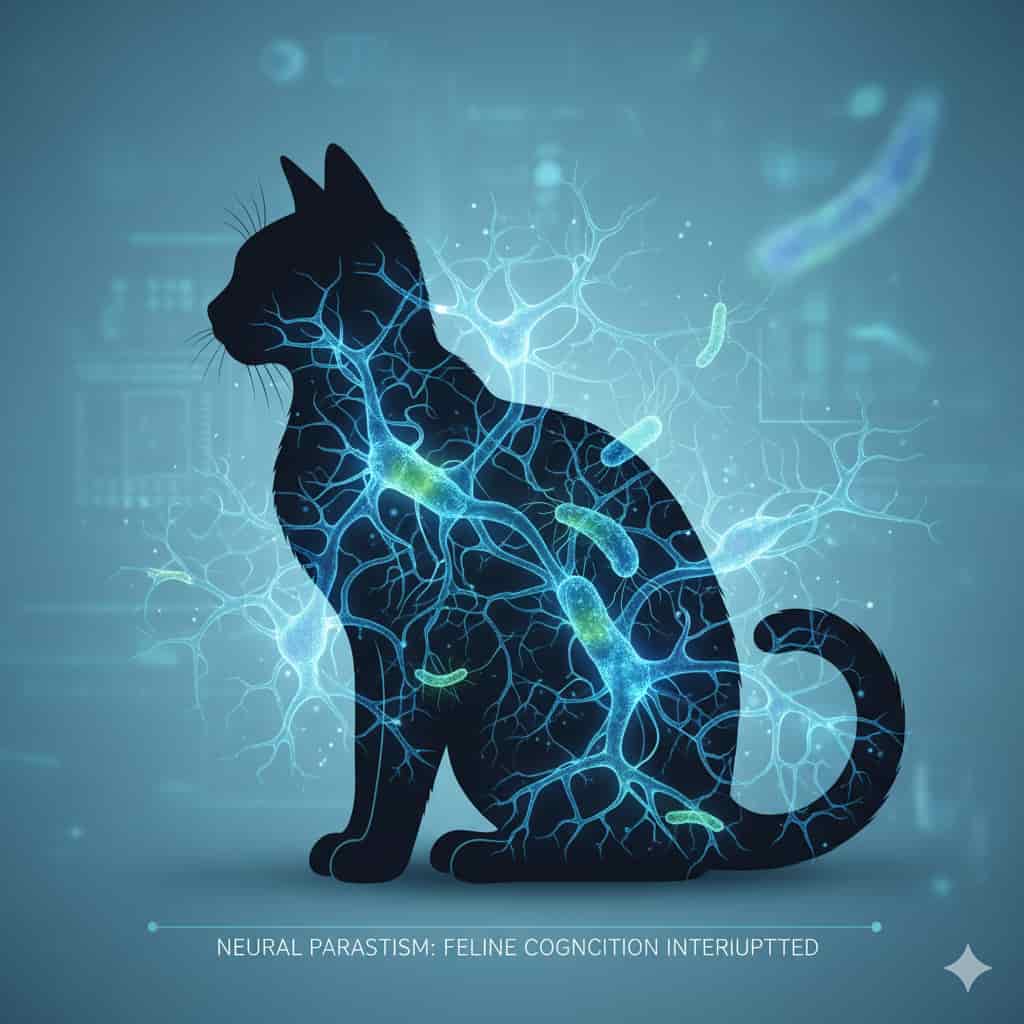
Owning a Cat May Double Schizophrenia Risk — What Latest Research Reveals
Pet lovers everywhere will find this claim unsettling: owning a cat could double your risk of developing schizophrenia. While that might sound dramatic, a recent analysis of multiple studies suggests there may be more to the story than just a cute, purring companion. In this article, we dive deeply into the research, explore proposed mechanisms (especially involving the parasite Toxoplasma gondii), examine limitations, and discuss what to do if you’re concerned — all in a balanced, evidence-based, SEO-optimized way.
What the Research Says
The Meta-Analysis That Sparked the Debate
A recent meta-analysis by researchers at the Queensland Centre for Mental Health Research in Australia found a significant association between broadly defined cat ownership and schizophrenia-related disorders.
- The review included 17 studies published over 44 years, spanning 11 countries, including the U.S. and the U.K.
- After adjusting for various covariates, individuals exposed to cats had approximately twice the odds of developing schizophrenia-related disorders.
- Despite this, the authors emphasize caution: many of the included studies were case-control, which means they can show correlation but not causation.
- Furthermore, some studies were of lower methodological quality, and results varied considerably across them.
In short, while the findings are interesting and potentially concerning, they are not definitive.
Possible Mechanism: Toxoplasma gondii
One of the leading hypotheses behind this association centers on a parasite called Toxoplasma gondii (T. gondii), which cats can carry.
- T. gondii reproduces in cats, and oocysts from their feces can contaminate the environment (soil, litter boxes, etc.).
- Humans can become infected by accidentally ingesting these oocysts (for example, through contact with cat feces) or via other routes (such as consuming undercooked meat).
- Once inside the human body, T. gondii can reach the central nervous system and influence neurotransmitters, potentially affecting brain function.
- Some studies have linked T. gondii infection to personality changes, psychotic symptoms, and neurological disorders — including schizophrenia.
This is a plausible biological pathway, but it’s important to note: a link does not prove causation. Just because T. gondii may be involved does not mean that every cat owner will be infected or develop schizophrenia.
Conflicting Evidence and Limitations
Although the newer meta-analysis suggests a strong link, earlier studies and critiques raise important caveats:
- Not All Studies Agree
- For instance, research from University College London found no significant link between cat ownership in childhood and psychotic symptoms in adolescence.
- This suggests that the cat–schizophrenia risk may not be universal or may depend heavily on other factors.
- Methodological Issues
- Many of the 17 studies in the meta-analysis were case-control rather than longitudinal. Case-control studies are useful for detecting associations, but they are more prone to bias.
- Some studies had low sample sizes or did not properly adjust for potential confounding variables (e.g., socio-economic status, family history, other environmental exposures).
- There is inconsistency about when cat exposure is most risky: one study found no link for cat ownership before age 13, but did see an association when narrowing exposure to ages 9–12.
- Quality of Evidence
- The authors themselves call for more high-quality research, including large, representative cohort studies, to clarify the relationship.
- Until then, it’s difficult to draw strong conclusions.
Supporting Study from Saudi Arabia
One case-control study from Saudi Arabia provides additional context:
- Researchers compared 78 patients with schizophrenia, 78 with anxiety/depression, and 78 with no psychiatric history.
- They found that 52.6% of the schizophrenia group reported owning a cat before age 13, compared to 24.4% in the non-psychiatric control group.
- The odds ratios indicated that childhood cat ownership was 3.4 times more likely among those who later developed schizophrenia (vs. one control group) and 2.1 times more likely (vs. the other).
- The authors, however, note that while their findings are supportive, further research is needed to adjust for possible confounders (e.g., family history, gender).
This study adds weight to the association but, like all observational research, doesn’t prove causation.
Broader Criticisms of the Cat-Schizophrenia Hypothesis
- Some experts argue that the media has sensationalized the link between cats and mental illness, oversimplifying complex scientific findings.
- Others caution against alarmist interpretations, especially because schizophrenia is a relatively rare disorder, and a “doubling” of risk in a rare event does not necessarily mean a high absolute risk.
- Additionally, there is debate about whether it’s the cat ownership itself or other associated factors (like lifestyle, hygiene, or genetic vulnerability) that increase risk.
Why This Finding Matters
Public Health Implications
If the association is real and causal (which is not yet proven), this could have several public health implications:
- Pet hygiene education: Encouraging safer handling of cat litter, better hygiene practices, and education about T. gondii risks could be critical.
- Screening and Risk Awareness: For individuals at genetic risk of schizophrenia, understanding environmental risk modifiers like cat exposure may be important.
- Further Research Funding: High-quality longitudinal studies could help clarify causality and guide policy or clinical recommendations.
For Cat Owners
For people who already own cats (or plan to):
- It’s important not to panic: the current evidence suggests an association, not proof of causation.
- Taking precautions (like cleaning litter boxes with gloves, washing hands, and minimizing high-risk exposures) can reduce potential T. gondii transmission.
- Regular veterinary care for your cat, especially for outdoor or stray cats, might help reduce parasite shedding.
Balanced Perspective: Benefits of Cat Ownership
While this potential risk is concerning, it’s equally important to highlight that cat ownership has well-documented benefits. Indeed, not all research points in the direction of risk.
- Pet companionship can improve mental well-being, reduce stress, and offer social support.
- A recent study (not about schizophrenia) found that owning a cat or dog may slow cognitive decline in older adults.
- Thus, for many people, the emotional and psychological benefits of cat ownership may outweigh potential risks — especially if precautions are taken.
Key Takeaway
Key Takeaway:
The latest meta-analysis suggests that owning a cat may double the odds of developing schizophrenia-related conditions, possibly due to exposure to the parasite Toxoplasma gondii. However, causation is not yet proven, and many of the studies reviewed have significant limitations. Cat owners concerned about risk can reduce potential exposure through simple hygiene measures, and more high-quality research is urgently needed to clarify this complex link.Important Points:
- cat ownership mental health
- schizophrenia risk from cats
- Toxoplasma gondii and schizophrenia
- cat exposure childhood risk
- do cats cause schizophrenia
- mental health and pets
- cat hygiene safety tips
- toxoplasmosis risk cat owners
- schizophrenia causes and triggers
- cat litter parasite infection
- parasite linked to schizophrenia
- scientific study on cats and schizophrenia
External Authority Links
- CDC – Toxoplasmosis
https://www.cdc.gov/parasites/toxoplasmosis/- World Health Organization – Mental Health Data
https://www.who.int/health-topics/mental-health- NIH – Schizophrenia Research
https://www.nimh.nih.gov/health/topics/schizophreniaFAQ Questions:
- Does owning a cat cause schizophrenia?
- What is Toxoplasma gondii?
- How can cat owners reduce schizophrenia-related risks?
- Is childhood cat exposure dangerous?
What You Can Do: Practical Advice for Cat Owners
- Practice Safe Hygiene
- Always wear gloves when cleaning litter boxes.
- Wash your hands thoroughly afterward.
- Change litter daily if possible (oocysts become infectious after 1–5 days).
- Keep Cats Indoors (or Restrict Outdoor Access)
- Indoor cats are less likely to contract T. gondii from hunting prey.
- Preventing roaming reduces their exposure to sources of infection.
- Vet Care & Testing
- Ask your vet about T. gondii testing or preventative measures.
- Regular check-ups help maintain your cat’s health and reduce parasite risk.
- Be Informed
- Stay updated with credible sources such as the Centers for Disease Control and Prevention (CDC) or your local public health organizations.
- Educate family members, especially children, about safe pet handling.
- Balance Risk vs Benefit
- Recognize the emotional and psychological benefits of owning a cat.
- If you’re at risk (e.g., a family history of schizophrenia), discuss concerns with a healthcare or mental health professional.
Frequently Asked Questions (FAQ)
Q1: Does owning a cat definitely cause schizophrenia?
A: No — the current evidence shows an association, not a definitive cause. Many studies are observational (case-control), which means they can point out correlations but cannot prove that cat ownership causes schizophrenia.
Q2: What is Toxoplasma gondii, and why is it linked to schizophrenia?
A: T. gondii is a parasite that can reproduce in cats. Humans can become infected via contact with contaminated cat feces or other routes. Inside the body, it may affect brain chemistry and has been linked in some studies to neurological and psychiatric conditions, including psychosis.
Q3: Is the risk the same for all cat owners?
A: Not necessarily. The studies focused on “broadly defined cat ownership” and varied by age at exposure, geography, and study design. Also, individual risk likely depends on additional factors — such as genetics, hygiene, and how the cat is cared for.
Q4: How big is the risk in absolute terms?
A: Even if risk is “doubled,” schizophrenia is not extremely common in the general population. A relative increase in odds does not always translate into very high absolute risk. Some critics warn against interpreting “double risk” without understanding the baseline.
Q5: Should I give up my cat because of this research?
A: Not necessarily. Many experts suggest risk mitigation rather than abandonment. Taking steps to reduce T. gondii exposure — such as good litter hygiene — may help. Also, the benefits of cat companionship for mental and emotional health should be weighed.
Q6: What further research is needed?
A: Researchers call for more large-scale, longitudinal studies with representative samples. These should carefully adjust for confounders (like socioeconomic status, family history) to better understand whether cat ownership truly modifies risk for psychiatric disorders.
Conclusion
The notion that owning a cat could double your risk of schizophrenia is both provocative and concerning. The research, primarily a meta-analysis of 17 studies, suggests a strong association — but it is not proof of causation. The suspected mechanism involves Toxoplasma gondii, a parasite commonly carried by cats, but more rigorous research is required to understand whether and how this exposure contributes to mental illness.
For cat owners, the takeaway is not to panic but to be informed. Practicing good hygiene, keeping cats indoors where practical, and maintaining veterinary care are sensible steps. At the same time, the emotional, psychological, and possibly even cognitive benefits of having a cat remain significant.
In the end, science is still unraveling the relationship between cats and mental health. As new studies emerge, our understanding will hopefully become clearer — until then, thoughtful awareness and balanced risk management are key.
Related:👉 Friendly Dogs list For You