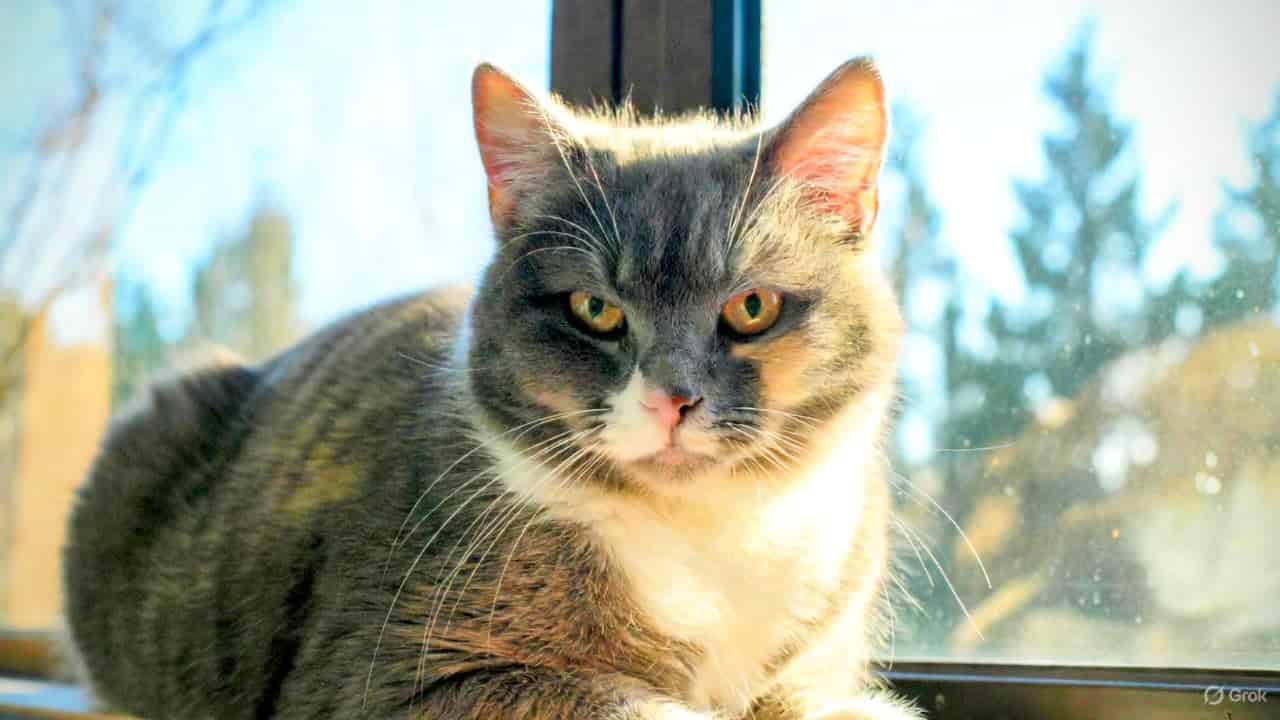
Simple Ways to Recognize Cat Happiness and Good Health
“Learn the clear signs of Cat Happiness from bright eyes to playful behavior. Complete checklist, tips, FAQs, and expert-backed guidance.”
Cats have a magical way of brightening our homes. However, because they often hide their emotions and health issues, many cat owners struggle to understand what their feline friends are really feeling. The good news? A healthy and happy cat shows plenty of subtle (and not-so-subtle) signs—once you learn how to read them.
In this detailed guide, we’ll explore clear signs your cat is healthy, behavioral clues that show happiness, and daily habits you should watch for. Moreover, you’ll find vet-approved advice, SEO-optimized insights, and practical tips to keep your cat mentally and physically thriving.
Why It’s Important to Recognize the Signs of a Healthy Cat
Cats are known for concealing discomfort—a natural instinct they inherited from their wild ancestors. As a result:
- Small problems can escalate quickly
- Early detection can save lives
- Knowing your cat’s normal behavior helps you spot changes fast
Understanding what a thriving cat looks like will not only bring peace of mind, but also strengthen your bond with your furry companion.
1. Physical Signs Your Cat Is Healthy
Let’s begin with the most visible indicators of a cat’s health.
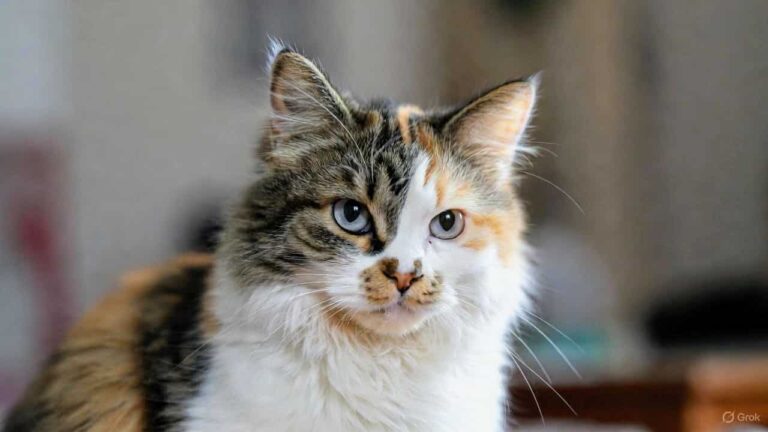
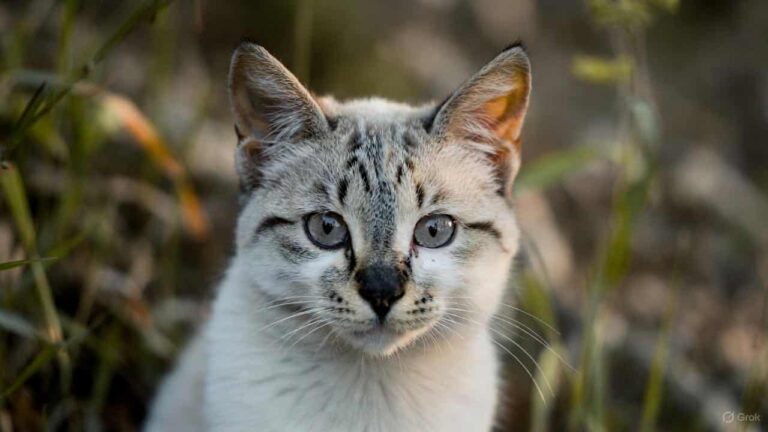
1.1. Bright, Clear Eyes
A healthy cat’s eyes are:
- Clean and bright
- Free from discharge
- Clear without redness or cloudiness
If your cat often squints, rubs its eyes, or shows watering, it could signal irritation or infection.
1.2. Clean Ears With No Odor
Your cat’s ears should be:
- Upright (except for special breeds)
- Pink on the inside
- Odor-free
- Without wax buildup
A strong smell may indicate yeast, mites, or bacterial infection.
1.3. Healthy Coat and Skin
A shiny, smooth coat is one of the strongest signs of a healthy cat.
A thriving coat means:
- No bald patches
- No excessive dandruff
- No fleas or ticks
- Consistent grooming habits
A dull coat may suggest dehydration, nutritional deficiency, or underlying medical issues.
1.4. Ideal Body Weight
An overweight or underweight cat is more at risk for health complications.
Signs of healthy weight:
- Ribs can be felt but not seen
- Waistline visible from above
- No sagging fat pouches
To maintain ideal weight, ensure balanced nutrition and regular play.
1.5. Clean Teeth and Fresh Breath
Dental health is often overlooked—yet it plays a major role in a cat’s overall wellbeing.
Healthy signs:
- Pink gums
- No drooling
- No strong odor
- Minimal tartar buildup
If your cat avoids eating or paws at its mouth, a vet check is needed.
1.6. Energetic and Alert Behavior
A healthy cat is curious. Whether they’re exploring the house, watching birds, or following you room to room, energy levels reveal a lot about internal health.
Cats that suddenly become withdrawn or lethargic may be experiencing discomfort or illness.
2. Behavioral Signs Your Cat Is Happy
Healthy isn’t enough—your cat should also be happy. Emotional wellbeing plays a huge role in your cat’s long-term health.
2.1. Frequent Purring (With a Relaxed Body)
While purring can also signal pain, in most contexts it means:
- Comfort
- Security
- Relaxation
- Bonding
A happy cat often purrs while being stroked, lounging, or engaging with you.
2.2. Playfulness and Curiosity
Happy cats love:
- Chasing toys
- Hunting games
- Exploring
- Interacting with their owners
If your cat plays regularly and shows interest in new objects, it’s a strong sign they feel mentally stimulated and emotionally content.
2.3. Kneading (“Making Biscuits”)
Kneading is a behavior cats learn as kittens while nursing. In adulthood, it usually signals:
- Trust
- Contentment
- Emotional security
When your cat kneads on your lap, consider it a huge compliment.
2.4. Slow Blinking and Relaxed Facial Expressions
The famous “cat slow blink” is a sign of affection and happiness.
If your cat:
- Slow blinks at you
- Has relaxed whiskers
- Keeps its eyes half-closed
…it means your cat feels safe and connected.
2.5. A Willingness to Cuddle or Stay Close
Cats show affection in subtle ways. A happy cat may:
- Sleep nearby
- Follow you
- Sit beside you
- Rest its head on you
Even independent cats show affection through proximity.
2.6. Healthy Grooming Habits
Cats spend 30–50% of their day grooming. This behavior keeps them clean—but also reduces stress.
A happy cat:
- Grooms regularly
- Grooms you or other pets
- Has a tidy coat
Over-grooming or no grooming at all signals stress or illness.
3. Daily Habits That Indicate Good Health
Your cat’s routine reveals a lot about their physical and emotional state.
3.1. Good Appetite and Hydration
Healthy cats:
- Have consistent eating habits
- Drink water regularly
- Show interest in treats
A sudden appetite change—either increased or decreased—is a red flag.
3.2. Normal Litter Box Habits
A healthy cat should:
- Pee 2–4 times daily
- Pass firm, well-formed stools
- Use the litter box regularly
Straining, crying, or diarrhea needs immediate attention.
3.3. Regular Sleeping Patterns
Cats sleep a lot—between 12 and 16 hours a day. However, their sleep should appear:
- Restful
- Peaceful
- Undisturbed
Sudden changes in sleep patterns might indicate stress or illness.
3.4. Social Behaviors
Even shy cats demonstrate social comfort through:
- Greeting you
- Tail flicks
- Soft meows
- Overall relaxed posture
If your cat suddenly hides or seems fearful, something may be wrong.
4. Environmental Factors That Influence Cat Happiness
A healthy and happy cat doesn’t just happen—they thrive when their environment supports their wellbeing.
4.1. Enrichment and Mental Stimulation
Cats need mental challenges.
Provide:
- Scratching posts
- Puzzle feeders
- Window perches
- Interactive toys
Mental enrichment prevents depression and behavioral issues.
4.2. Safe and Comfortable Space
Happy cats feel secure.
Include:
- Soft bedding
- Hiding spots
- Elevated platforms
- Warm sleeping areas
Cats love observing from high places—it makes them feel safe.
4.3. A Clean Litter Box
A clean litter box equals a happy cat.
Tips:
- Scoop daily
- Use fragrance-free litter
- Provide one litter box per cat + one extra
Cats avoid dirty boxes, which can lead to stress or urinary issues.
4.4. Positive Human Interaction
Your relationship with your cat plays a huge role in their happiness.
Spend quality time through:
- Gentle petting
- Talking softly
- Playing games
- Maintaining routine
Consistency builds trust.
5. Diet and Nutrition: Cornerstone of Cat Health
Nutrition affects everything—from coat health to mood.
5.1. Provide High-Quality Protein
Cats are obligate carnivores.
Good sources:
- Chicken
- Turkey
- Salmon
- Beef
Look for foods with meat listed as the first ingredient.
5.2. Healthy Fats and Omega-3s
Omega-3s support:
- Skin health
- Brain development
- Joint mobility
Choose cat food fortified with fish oils or ask your vet about supplements.
5.3. Adequate Hydration
Cats naturally drink less water than dogs. Encourage hydration by offering:
- Wet food
- Fresh water in multiple spots
- Cat water fountains
A hydrated cat has healthier kidneys and skin.
6. Emotional Signs Your Cat Is Happy
Beyond physical signals, emotions reveal deep insight into your cat’s happiness.
6.1. Vocalization Patterns
A happy cat’s meows are:
- Soft
- Friendly
- Interactive
Harsh or loud cries can indicate stress.
6.2. Tail Language
Cat tails are emotional antennas.
Signs of happiness:
- Tail held high
- Gentle swaying
- Hooked tip (“question mark tail”)
Low, stiff tails indicate fear or anxiety.
6.3. A Confident Walk
A happy cat walks:
- Calmly
- Confidently
- Without hesitation
Sudden fearfulness might indicate stress or pain.
7. Preventive Care: Essential for Long-Term Health
Preventive care keeps your cat thriving.
7.1. Annual Vet Checkups
Even indoor cats need routine checkups. These help detect:
- Dental issues
- Weight imbalances
- Parasite infections
- Organ dysfunction
A healthy cat is a monitored cat.
7.2. Vaccinations
Keep your cat protected against:
- Feline distemper
- Rabies
- Upper respiratory infections
Follow your vet’s recommended schedule.
7.3. Parasite Control
Even indoor cats can get fleas.
Ask your vet about:
- Flea prevention
- Tick control
- Deworming schedules
7.4. Spaying and Neutering
Fixed cats are:
- Calmer
- Healthier
- Less territorial
- Less likely to roam
This simple procedure supports long-term wellbeing.
KEY TAKEAWAY BOX
✔️ A healthy and happy cat shows clear signs—bright eyes, clean ears, a shiny coat, and regular grooming.
✔️ Behavior is equally important: purring, kneading, slow blinking, and playful energy indicate emotional wellness.
✔️ Healthy habits—such as normal eating, consistent litter box use, and good hydration—signal internal stability.
✔️ Environmental enrichment, good nutrition, and preventive vet care are key to ensuring lifelong health.
Also Read 👉
- Read more: Fascinating facts about white cats
- Check out: How to take care of stray cats
Authentic Resources.
- American Veterinary Medical Association (AVMA): https://www.avma.org
- Cornell Feline Health Center: https://www.vet.cornell.edu/departments-centers-and-institutes/cornell-feline-health-center
Frequently Asked Questions (FAQ)
1. How can I tell if my cat is genuinely happy?
A happy cat displays relaxed body language, slow blinking, playfulness, and a healthy appetite. They show trust through kneading, purring, and staying near you.
2. What are the signs of an unhealthy cat?
Watch for changes in eating habits, excessive hiding, bad breath, hair loss, diarrhea, weight loss, lethargy, or wheezing. Any sudden change may indicate illness.
3. How often should I take my cat to the vet?
At least once a year for routine checkups. Senior cats (age 7+) may need two visits yearly.
4. Why is my cat not grooming itself?
Lack of grooming is often a sign of pain, stress, depression, or illness. Schedule a vet visit if the behavior continues.
5. What foods make cats healthier and happier?
High-protein, grain-free foods with essential amino acids (like taurine) and omega-3 fatty acids. Wet food also helps with hydration.
6. Why does my cat knead on me?
Kneading shows affection and trust. It means your cat feels safe and content around you.
7. What are healthy litter box habits?
Cats should pee 2–4 times daily and poop once a day. Stools should be firm, and urine should be light yellow. Any changes may indicate health issues.