
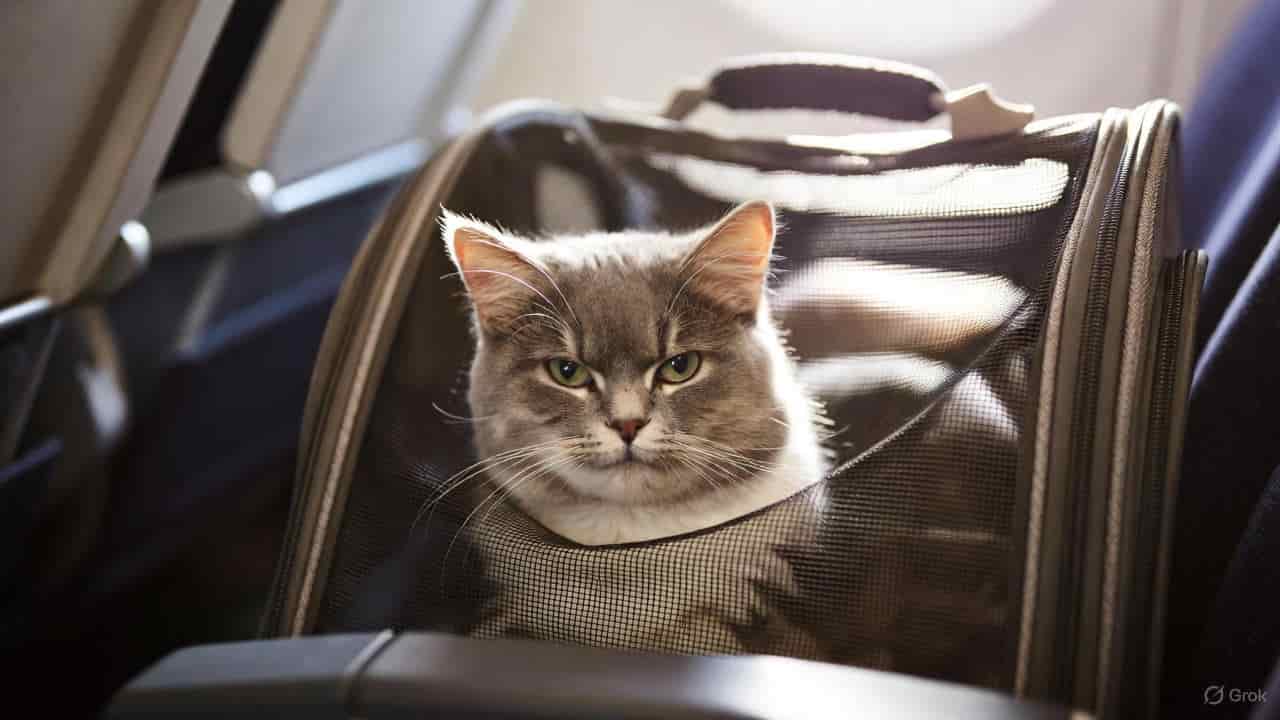
Cat Travel Made Easy: Best Carrier Tips for Calm & Happy Trips
Traveling with cats can be challenging—especially if they are naturally anxious or not used to being outside their home environment. However, with the right preparation, the right cat carrier, and the right travel strategies, you can make your journey smoother and stress-free for both you and your furry companion.
In this complete guide, you will discover the best carrier tips for stress-free travel with cats, along with expert insights, product recommendations, behavior tips, and essential do’s and don’ts for every situation—whether you’re traveling by car, train, bus, or airplane.
- Cat travel tips
- Best cat carriers
- Stress-free travel with cats
- Traveling with pets
- Cat carrier training
- Comfort tips for cats
Let’s begin!
Table of Contents
- Why Comfortable Cat Travel Matters
- Choosing the Best Cat Carrier
- Hard-Sided vs Soft-Sided Carriers
- Essential Features of a Travel-Ready Cat Carrier
- Carrier Training: How to Get Your Cat Comfortable
- Preparing Your Cat Before Travel
- Tips for Car Travel with Cats
- Tips for Air Travel with Cats
- What to Put Inside the Carrier
- Keeping Your Cat Calm During Travel
- Mistakes to Avoid When Traveling with Cats
- Recommended Cat Travel Products
- Key Takeaway Box
- FAQ Section
1. Why Comfortable Cat Travel Matters
Cats thrive on routine. Any change in environment can make them stressed, anxious, or fearful. When traveling, these stress levels can spike—especially if the cat is unfamiliar with the carrier.
A well-designed carrier and the correct approach can significantly reduce stress. Comfortable travel leads to:
- Less anxiety
- Fewer behavioral issues
- Reduced motion sickness
- Safer travel for both cat and owner
2. Choosing the Best Cat Carrier
Choosing the right cat carrier is the first and most important step in stress-free travel.
Key Considerations:
- Size and interior space
- Ventilation
- Safety locks
- Padding and comfort
- Durability
- Airline approval (if needed)
A high-quality carrier ensures your cat feels secure and comfortable, reducing panic during travel.
3. Hard-Sided vs Soft-Sided Carriers
To find the best carrier for your cat, you must first understand the two main options:
Hard-Sided Carriers
These are best for:
- Long-distance road trips
- Nervous or aggressive cats
- Cats who scratch a lot
Pros:
- Strong and durable
- Provides excellent protection
- Easy to clean
- Great for vet visits and long travel
Cons:
- Bulkier
- Heavier than soft carriers
Soft-Sided Carriers
These are ideal for:
- Airplane cabin travel
- Calm, lightweight cats
- Daily travel
Pros:
- Lightweight
- Flexible enough for under-seat requirements on planes
- Easy to carry
- Often more comfortable for cats
Cons:
- Harder to clean
- Less protective than hard carriers
4. Essential Features of a Travel-Ready Cat Carrier
To ensure stress-free travel, your carrier must include the following features:
1. Adequate Ventilation
Mesh sides allow airflow and help your cat breathe comfortably.
2. Secure Locking Mechanism
Prevents accidental escape.
3. Removable Padding
Soft bedding helps cats relax.
4. Escape-Proof Zippers
Look for auto-lock zippers.
5. Top Loading + Front Loading
Cats enter carriers more easily from the top.
6. Airline-Approved Dimensions
Essential for airplane cabin travel.
5. Carrier Training: How to Get Your Cat Comfortable
One of the biggest reasons cats get stressed when traveling is lack of carrier training.
Follow these steps for success:
Step 1: Keep the Carrier Out at Home
Place it in a familiar spot. Leave the door open.
Step 2: Add Soft Bedding
Use a blanket that smells like your home.
Step 3: Use Treats and Toys
Reward your cat for exploring the carrier.
Step 4: Practice Short Trips
Start with 1–2 minute car rides.
Step 5: Increase Duration Gradually
As your cat becomes comfortable, increase travel time.
Pro Tip:
Never force the cat into the carrier. Patience is key.
6. Preparing Your Cat Before Travel
Before the actual trip, you must prepare your cat physically and mentally.
Grooming
Trim your cat’s nails to prevent scratching injuries.
Feeding Schedule
Avoid feeding your cat right before travel. A light meal 3–4 hours earlier is ideal to prevent vomiting.
Litter Box Routine
Make sure your cat uses the litter box before leaving.
Familiar Scents
Place a shirt or blanket with your scent inside the carrier to calm your cat.
7. Tips for Car Travel with Cats
Traveling by car is the most common method. These tips help make the journey easier:
1. Secure the Carrier Properly
Never place the carrier in the passenger seat. The back seat is safer.
2. Maintain Temperature
Keep the car cool. Cats overheat easily.
3. Keep Windows Closed
Cats may panic at sudden movements.
4. Play Calming Music
Soft music or white noise helps calm anxious cats.
5. Take Breaks
Offer water every 2–3 hours during long trips.
8. Tips for Air Travel with Cats
Air travel requires extra planning.
Choose Airline Approved Carrier
Soft-sided carriers work best for cabin travel.
Book a Direct Flight (If Possible)
Reduces stress and handling time.
Visit the Vet Before Travel
Get:
- Health certificate
- Vaccination proof
- Sedation advice (usually not recommended)
Arrive Early
Allows your cat to settle before boarding.
9. What to Put Inside the Carrier
A comfortable carrier interior dramatically reduces stress.
Must-Haves:
- Soft blanket
- Absorbent pee pad
- Favorite toy
- Collapsible water cup
- Small treat pouch
Avoid placing too many items. A crowded carrier can cause more stress.
10. Keeping Your Cat Calm During Travel
Here are proven techniques to help your cat remain calm:
Use Pheromone Sprays
Brands like Feliway help reduce anxiety.
Source: https://www.feliway.com
Cover the Carrier
A light blanket reduces visual stimulation.
Speak Softly
Your calm voice reassures your cat.
Avoid Excessive Touching
Some cats calm down when left alone.
11. Mistakes to Avoid When Traveling with Cats
Many pet owners unintentionally make travel harder for their cats. Avoid these mistakes:
Forcing the Cat into the Carrier
Feeding Right Before Travel
Not Securing the Carrier
Using a Noisy, Old Carrier
Ignoring Pre-Travel Training
Opening the Carrier Mid-Travel
These mistakes can cause stress, injury, or escape.
12. Recommended Cat Travel Products
Here are some tested, highly recommended items to make travel safer:
1. Sherpa Original Deluxe Cat Carrier (Airline Approved)
Great for airport travel.
Resource: https://www.sherpapet.com
2. Soft Fleece Travel Blanket
Comfort and warmth for anxious cats.
3. Calming Pheromone Sprays
Reduces anxiety during long travel.
4. Collapsible Water Bowl
Lightweight and easy for road trips.
5. Travel Litter Box
Perfect for long drives.
Also Read 👉
13. Key Takeaway Box
Key Takeaways for Stress-Free Cat Travel
- Choose a comfortable, well-ventilated, escape-proof carrier.
- Train your cat several weeks before travel.
- Keep the environment calm, cool, and noise-free.
- Add familiar scents and cozy bedding inside the carrier.
- Follow feeding and grooming routines before travel.
- Avoid common travel mistakes like feeding too close to departure or opening the carrier while moving.
- Use calming sprays and soft blankets to reduce stress.
14. FAQ Section
1. Which type of cat carrier is best for traveling?
Soft-sided carriers are great for flights, while hard-sided carriers are ideal for long road trips.
2. How can I calm my cat before traveling?
Use pheromone sprays, familiar blankets, gentle music, and pre-travel carrier training.
3. Can I sedate my cat for travel?
Most vets do not recommend sedation, especially for flights. Always consult your vet.
4. Should I feed my cat before travel?
Feed lightly 3–4 hours before departure to avoid nausea.
5. How long can a cat stay in a carrier?
Most cats can stay comfortably for 6–8 hours with breaks. For longer trips, provide water and a chance to use a travel litter box.