7 Best Winter Dog Breeds for Travel: Ultimate Guide for Cold-Weather Adventures
Introduction: (Why Choosing the Right Winter Dog Breeds Travel Matters)
Winter travel can be magical. Snow-covered mountains, frozen lakes, and cozy cabins create unforgettable experiences. However, traveling in cold weather is not as enjoyable for every dog breed. Some dogs struggle in freezing temperatures, while others absolutely thrive in snow, ice, and rugged terrain.
Therefore, choosing the best Winter Dog Breeds for winter travel is essential for a safe and happy adventure. In this guide, we will explore dog breeds that are naturally built for cold climates and winter journeys. Additionally, you will learn important tips, care advice, and safety guidance for winter trips with dogs.
If you love snowy adventures and want a canine companion who enjoys them as much as you do, this article is for you.
What Makes a Dog Good for Winter Travel?
Before we explore specific breeds, it is important to understand why certain dogs perform better in winter conditions.
Key Traits of Friendly Winter Dog Breeds
✅ Thick double coats for insulation
✅ Strong muscular bodies for snow trekking
✅ High endurance and stamina
✅ Natural resistance to cold winds
✅ Paws designed for snowy terrain
Because of these traits, cold weather dog breeds can handle freezing temperatures, blizzards, and icy trails much better than small, thin-coated dogs.
Helpful resource for dog winter safety:
https://www.akc.org/expert-advice/health/cold-weather-dog-safety/
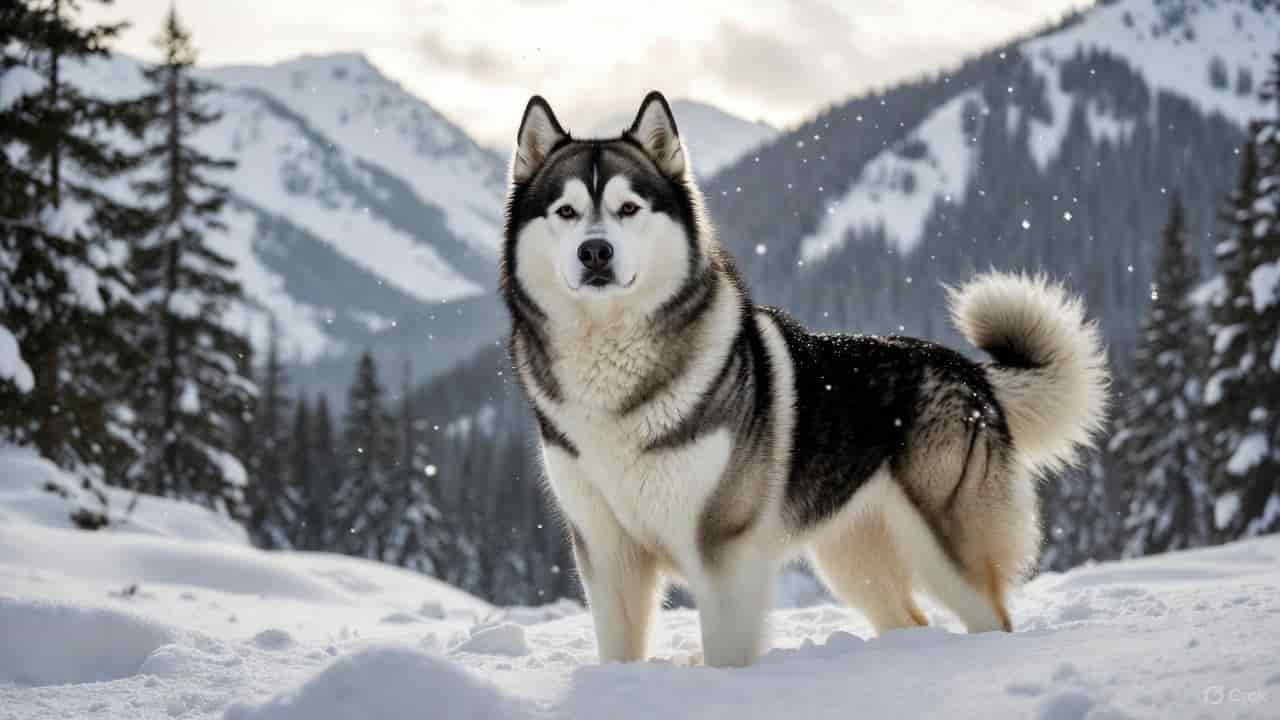
1. Siberian Husky – The Ultimate Snow Companion
When talking about the best dog breeds for winter travel, the Siberian Husky always comes first.
Siberian Huskies were originally bred to pull sleds over long distances in freezing Arctic conditions. As a result, they are one of the most reliable dogs for snowy adventures.
Why They’re Perfect for Winter Trips
- Extremely thick double coat
- High energy and stamina
- Naturally adapted to snow and ice
- Comfortable sleeping in cold temperatures
Moreover, their adventurous nature makes them excellent companions for hiking, sledding, and snow camping.
Helpful Resources:
https://www.akc.org/dog-breeds/siberian-husky/
2. Alaskan Malamute – A Powerful Cold-Weather Traveler
The Alaskan Malamute is another top performer for winter travel with dogs. These dogs are strong, independent, and naturally suited to cold, harsh climates.
Originally bred for hauling heavy loads in Arctic conditions, Malamutes can easily handle long winter journeys.
Key Advantages for Winter Travel
- Thick, dense fur coat
- Exceptional strength
- High cold tolerance
- Loyal and protective personality
They are ideal for snow trekking, pulling lightweight sleds, and winter camping trips.
3. Saint Bernard – The Legendary Snow Rescue Dog
Saint Bernards are famous for rescuing travelers lost in snowy mountains. Because of their size and strength, they are one of the best dogs for cold climates.
These gentle giants are calm, friendly, and resilient in freezing temperatures.
Why Saint Bernards Are Great for Winter Adventures
- Thick and heavy insulating coat
- Strong bones and muscular build
- Calm, steady temperament
- Excellent sense of direction in snow
They are especially great for families who want a large, dependable winter travel companion.
Helpful Resources:
https://www.akc.org/dog-breeds/saint-bernard/
4. Samoyed – A Beautiful Snow-Loving Companion
Samoyeds look like they were designed for snow. Their fluffy white coats and smiling expressions make them perfect for winter tourism.
Not only do they tolerate cold well, but they also love being active in snowy environments.
Benefits of Samoyeds for Winter Travel
- Ultra-thick double coat
- Resistant to freezing temperatures
- Friendly and social personality
- Great endurance in snowy terrain
Additionally, their bright white fur blends beautifully into winter landscapes, making them famous winter travel dogs.
5. Bernese Mountain Dog – Ideal for Winter Mountains
The Bernese Mountain Dog is built for mountainous regions and cold, snowy weather. They are calm, strong, and highly adaptable.
These dogs are perfect companions for winter hiking trips and cabin travel.
Why They Excel in Winter Travel
- Long, thick fur coat
- Strong legs for snow walking
- Excellent loyalty and companionship
- Natural working-dog endurance
They are also family-friendly and gentle, making them great for winter family vacations.
6. Norwegian Elkhound – A True Viking Snow Dog
The Norwegian Elkhound is a strong, brave, and independent breed developed in freezing Scandinavian climates.
These dogs were originally used for hunting and guarding, making them excellent winter trail companions.
Winter Travel Strengths
- Extremely weather-resistant coat
- High energy levels
- Excellent navigation in snow
- Strong survival instincts
They perform exceptionally well in snowy forests, icy hills, and remote winter travel locations.
7. Tibetan Mastiff – A Cold Climate Guardian
The Tibetan Mastiff is one of the most powerful winter-friendly dog breeds in the world.
Originally bred to guard livestock in Himalayan mountains, they are used to freezing temperatures and snowy landscapes.
Why Tibetan Mastiffs Are Great for Winter Trips
- Extremely thick insulating coat
- Strong independence and alertness
- Natural adaptability to high-altitude cold
- Protective nature
They are ideal for travelers who enjoy remote snowy regions and need a protective, cold-hardy dog.
How to Prepare Your Dog for Winter Travel
Even the best dog breeds for winter travel need proper preparation.
Essential Winter Travel Tips for Dogs
- Use insulated dog jackets when temperatures drop extremely low
- Protect paw pads with dog booties
- Keep fresh, unfrozen water available
- Increase calorie intake slightly in cold weather
- Carry a dog-safe first aid kit
Moreover, training your dog to walk on icy surfaces before your trip is highly recommended.
Also Read 👉
Read our complete dog travel safety guide:
https://petplums.com/cat-travel-safety-guide
Key Takeaways: Best Dog Breeds for Winter Travel
Key Takeaway Box
- Siberian Husky is the best overall winter travel dog
- Alaskan Malamute is perfect for snow trekking and sledding
- Saint Bernard is ideal for snowy rescue-style environments
- Samoyed offers beauty, warmth, and endurance
- Bernese Mountain Dog thrives in cold mountain regions
- Norwegian Elkhound handles snow trails with ease
- Tibetan Mastiff provides strong cold resistance and protection
Choosing the right cold weather dog breed makes winter travel safer, more enjoyable, and stress-free.
Frequently Asked Questions (FAQ)
Q1: What is the best dog breed for winter travel?
The Siberian Husky is considered the best breed for winter travel due to its thick double coat, endurance, and love for cold environments.
Q2: Can dogs travel safely in extreme cold?
Yes, dogs can travel in extreme cold if they have thick coats, proper nutrition, and winter protection gear.
Q3: Do dogs need jackets for winter trips?
Even cold-weather breeds can benefit from insulated jackets in extreme conditions or strong winds.
Q4: Which dog breeds should avoid winter travel?
Small and thin-coated breeds like Chihuahuas, Greyhounds, and Dachshunds generally struggle in cold environments.
Q5: How can I protect my dog’s paws in snow?
Use dog booties or paw wax to prevent snow burns, ice cuts, and salt irritation.
Q6: Is winter travel stressful for dogs?
It depends on the breed and preparation. Cold-weather breeds usually enjoy winter adventures.