
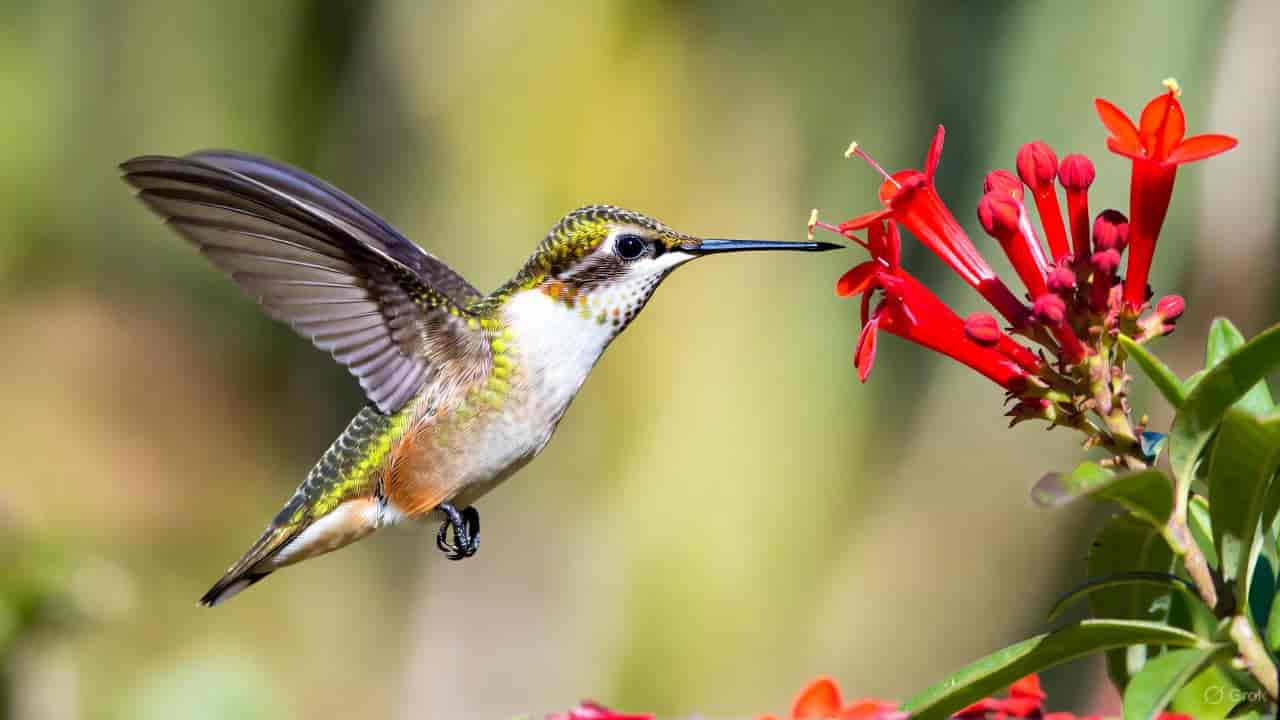
Do You know Where Hummingbirds Go in the Winter?
Introduction:(Where Do Hummingbirds Go in the Winter?)
Have you ever watched a hummingbird zip around your garden in the summer, only to wonder where those tiny, iridescent wonders disappear to when the cold weather hits? It’s a question that pops up a lot among bird enthusiasts, and for good reason. Hummingbirds are fascinating creatures with incredible survival strategies, especially during the harsher months. In this in-depth article, we’ll dive into the world of hummingbird migration patterns, explore their winter destinations, and uncover how different species handle the chill. Whether you’re a seasoned birder or just curious about these feisty flyers, stick around—we’ve got all the details you need to understand where hummingbirds go in the winter.
As the days grow shorter and temperatures drop, most hummingbirds in North America embark on epic journeys southward. But not all of them follow the same path. Some head to tropical paradises, while others tough it out in milder climates closer to home. Let’s break it down step by step, starting with the basics of why and how they migrate.
Understanding Hummingbird Migration Patterns
Migration is a natural instinct for many birds, and hummingbirds are no exception. These pint-sized powerhouses migrate primarily to find food and warmer weather, as their high metabolism demands constant nectar and insects—resources that become scarce in winter up north. Interestingly, hummingbird migration patterns are triggered by changes in daylight rather than just temperature drops. As autumn approaches, they sense the shift and prepare for the long haul.
Most North American hummingbirds, like the popular ruby-throated hummingbird, start their southward trek in late summer or early fall. They can cover impressive distances, sometimes up to 3,000 miles or more. For instance, a ruby-throated hummingbird breeding in Canada might fly all the way to Costa Rica. That’s no small feat for a bird that weighs less than a nickel!
However, not every hummingbird migrates the same way. Some species are more nomadic, wandering based on food availability rather than strict seasonal routes. Furthermore, young hummingbirds often migrate alone for the first time, relying on innate navigation skills honed by evolution. Scientists believe they use a combination of the sun, stars, and even Earth’s magnetic field to find their way. It’s mind-blowing how these tiny birds manage such precision without GPS.
If you’re interested in tracking these journeys yourself, check out tools like the Bird Migration Explorer from Audubon 0 . It’s a great resource for visualizing hummingbird migration routes and seeing real-time data.
Popular Hummingbird Species and Their Winter Habits
To really answer “where do hummingbirds go in the winter,” we need to look at specific species, as their habits vary widely. Let’s spotlight a few common ones you might spot in your backyard.
Ruby-Throated Hummingbirds: The Long-Distance Travelers
The ruby-throated hummingbird is perhaps the most well-known in eastern North America. These vibrant birds breed across the eastern U.S. and Canada during summer. Come winter, the majority head to southern Mexico and Central America, with some venturing as far as Panama or Costa Rica. A smaller number stick around the Gulf Coast states like Florida, Texas, and Louisiana, where milder winters allow them to survive on feeders and lingering flowers.
Their migration is nothing short of heroic. Many cross the Gulf of Mexico in a non-stop flight of about 500 miles, which can take 18-22 hours. They bulk up beforehand, gaining up to 40% of their body weight in fat to fuel the trip. If you’ve ever wondered about hummingbird winter destinations for this species, southern Mexico is a hotspot—think lush tropical forests teeming with flowers.
For more on ruby-throated habits, our internal guide on attracting ruby-throated hummingbirds to your yard has tips that tie into their seasonal behaviors.
Anna’s Hummingbirds: The Year-Round Residents
On the West Coast, Anna’s hummingbirds tell a different story. These adaptable birds are often year-round residents from southern British Columbia down to Baja California and into Arizona. While some might shift slightly southward or to lower elevations in winter, many stay put, braving cooler temps thanks to their ability to enter torpor—a state where they lower their body temperature to conserve energy.
In winter, you’ll find them in coastal California, where urban gardens and feeders provide ample nectar. Unlike their migrating cousins, Anna’s don’t face the same risks of long flights, but they do rely on human help in colder snaps. If you’re in the Pacific Northwest, keeping feeders thawed can make a big difference for these hardy souls.
Rufous Hummingbirds: The Clockwise Migrators
Rufous hummingbirds are known for their extensive, looping migration patterns. Breeding in the Pacific Northwest and Alaska during summer, they head south along the Rocky Mountains in fall, wintering primarily in Mexico. Come spring, they loop back up the coast—a clockwise circuit that covers thousands of miles.
These feisty birds are among the northernmost breeders, so their winter destinations in central Mexico offer a stark contrast to their chilly summer homes. Unfortunately, rufous populations are declining due to habitat loss, making conservation efforts crucial. Learn more about supporting them in our post on best hummingbird feeders for migration seasons.
Other Notable Species
Black-chinned hummingbirds, common in the western U.S., mostly winter in Mexico but some linger in the southern states. Allen’s hummingbirds, similar to rufous, migrate to central Mexico from California. Broad-billed hummingbirds from Arizona typically head to Mexico, though a few stay local.
Each species has unique adaptations, but all share the need for reliable food sources. For a deeper dive into species specifics, the Cornell Lab of Ornithology is an excellent external resource.
The Journey South: Hummingbird Migration Routes Explained
Hummingbird migration routes are as diverse as the birds themselves. Eastern species like the ruby-throated often take an overland path through the southeastern U.S. before leaping across the Gulf. Western species might follow mountain chains or coastal paths.
During migration, they fly low, stopping frequently to refuel on nectar and insects. Tailwinds help them conserve energy, and they can travel 20-30 miles per day on average, though bursts up to 500 miles occur during water crossings. Additionally, climate plays a role—warmer years might see more birds lingering north.
One fascinating aspect is how young birds navigate solo. They don’t learn from parents; it’s all instinct. However, experienced adults often return to the same winter spots year after year.
If climate change is on your mind, it’s impacting these routes. Warmer winters mean more hummingbirds overwintering in the southern U.S., as noted in reports from Birds and Blooms 4 . This shift could alter traditional patterns over time.
Surviving the Winter: Adaptations and Challenges
How do hummingbirds survive winter, whether migrating or staying? Their secret weapon is torpor, a hibernation-like state where metabolism drops dramatically. In torpor, a hummingbird’s heart rate can slow from 1,200 beats per minute to just 50, saving precious energy overnight.
For migrators, the journey poses risks like storms, predators, and habitat loss. In winter destinations, they feast on tropical flowers and defend territories fiercely. Non-migrators in the U.S. rely on feeders—keeping sugar water unfrozen is key in places like Arizona or Florida.
Moreover, human development threatens winter habitats in Mexico and Central America. Conservation groups like the American Bird Conservancy emphasize protecting these areas. You can help by planting native flowers; check our internal link on native plants for hummingbirds for ideas.
Hummingbirds That Don’t Migrate: Year-Round Wonders
Not all hummingbirds hit the road. In addition to Anna’s, species like Costa’s in the Southwest often stay year-round in deserts and coastal areas. Buff-bellied hummingbirds along the Gulf Coast are another example, thriving in subtropical climates.
These residents face fewer migration risks but must endure occasional freezes. Feeders become lifelines, and birders in these regions enjoy year-round sightings. If you’re in a mild area, consider our guide to winter hummingbird feeding tips.
Impact of Climate Change on Hummingbird Winter Habits
Climate change is reshaping where hummingbirds go in the winter. Warmer temperatures allow more to overwinter in the U.S., with sightings increasing in places like the Southeast. However, this brings challenges like mismatched blooming times for flowers.
Studies show shifts in migration timing—some birds arrive north earlier, risking late frosts. In winter destinations, droughts in Mexico could reduce food. Organizations like Project FeederWatch 6 track these changes through citizen science.
To mitigate, support eco-friendly practices and report sightings to maps like those on Hummingbird Central 10 .
How to Attract Hummingbirds Year-Round (Where Possible)
Want to see hummingbirds in winter? In suitable climates, maintain feeders with a 1:4 sugar-water ratio, cleaned regularly. Plant winter-blooming flowers like salvia or mahonia.
For migrators, leave feeders up two weeks after the last sighting to aid stragglers. Our internal post on DIY hummingbird nectar recipes can help.
Tips for Birdwatchers: Spotting Hummingbirds in Winter
Winter birding for hummingbirds? Head to hotspots like southern Arizona’s Ramsey Canyon or Florida’s Gulf Coast. Use apps like eBird for sightings.
Binoculars and patience are key—hummingbirds are quick! Join local Audubon chapters for guided tours.
Also Read👉
Loyal Working Dogs for Rural Homes
Key Takeaways
Key Takeaways on Where Hummingbirds Go in the Winter
- Most North American hummingbirds migrate to Mexico and Central America for winter, covering thousands of miles.
- Species like ruby-throated head south across the Gulf, while Anna’s often stay year-round on the West Coast.
- Migration is driven by daylight changes, with birds using torpor and fat reserves to survive.
- Climate change is allowing more overwintering in the southern U.S., but poses risks to habitats.
- Help by maintaining feeders and planting natives—check resources like Audubon for more.
People Also Asks
Do all hummingbirds migrate in winter?
No, not all do. Species like Anna’s and Costa’s often remain in milder U.S. regions year-round, while others like ruby-throated typically migrate south.
Where do ruby-throated hummingbirds go in the winter?
They primarily winter in southern Mexico and Central America, with some staying along the U.S. Gulf Coast.
How far do hummingbirds migrate?
Distances vary, but some travel over 3,000 miles from Canada to Central America.
Can hummingbirds survive cold winters without migrating?
Yes, through torpor, but they need food sources. In extreme cold, feeders are essential.
When do hummingbirds start migrating south?
Most begin in late summer or early fall, triggered by shorter days.
How can I help hummingbirds during migration?
Keep feeders clean and filled, plant nectar-rich flowers, and avoid pesticides.
Are hummingbird populations affected by climate change?
Yes, warmer winters lead to more northern overwintering, but habitat loss and mismatched food availability are concerns.
What is torpor in hummingbirds?
It’s a energy-saving state where they lower their body temperature and metabolism, similar to mini-hibernation.
Where can I track hummingbird migration?
Sites like Audubon or Hummingbird Central offer maps and citizen science tools.
Do young hummingbirds migrate with their parents?
No, they migrate alone, relying on instinct.
There you have it—a comprehensive look at where hummingbirds go in the winter. These birds’ resilience is truly inspiring, and with a little help from us, they can continue to thrive. If you have your own sightings or tips, drop a comment below. Happy birding!