
10 Most Fluffy and Soft Cat Breeds in the World
Introduction:
if you’re anything like me, there’s nothing quite like sinking your fingers into the soft Cat Breeds, plush fur of a fluffy cat.
These feline friends aren’t just adorable; they’re like living teddy bears that bring warmth and comfort to any home. Whether you’re searching for the softest cat breeds to add to your family or simply daydreaming about fluffy companions, you’ve come to the right place. In this comprehensive guide, we’ll dive deep into the world of fluffy cat breeds, focusing on those with the silkiest, most luxurious coats that make them irresistible for cuddles.
Fluffy cats have always held a special spot in the hearts of pet lovers. Their soft fur isn’t just for show—it’s often a result of their heritage, bred to withstand cold climates or simply to enhance their charm. But what makes a cat breed truly stand out as one of the softest? It’s a combination of coat texture, density, and that undeniable fluff factor. We’ll explore 10 of the softest cat breeds that are fluffy, complete with details on their appearance, personality, care needs, and more. Along the way, I’ll sprinkle in tips on grooming, health, and why these breeds might be perfect for you.
When it comes to SEO-optimized keywords, terms like “fluffy cat breeds,” “softest cat breeds,” and “fluffy cats for adoption” are high-volume searches that draw in cat enthusiasts. But we’ll also touch on lower-competition gems like “breeds with silky cat fur” or “hypoallergenic fluffy cats” to help you find exactly what you’re looking for. Moreover, if you’re new to cat ownership, check out our internal guide on essential cat care tips for beginners.
Transitioning into the list, let’s start with the classics and move toward some lesser-known treasures. Each breed has its unique appeal, but they all share that signature softness that makes them perfect for snuggling on a chilly evening. By the end of this article, you’ll have all the info you need to decide which fluffy feline might steal your heart.
1. Persian: The Epitome of Luxurious Softness
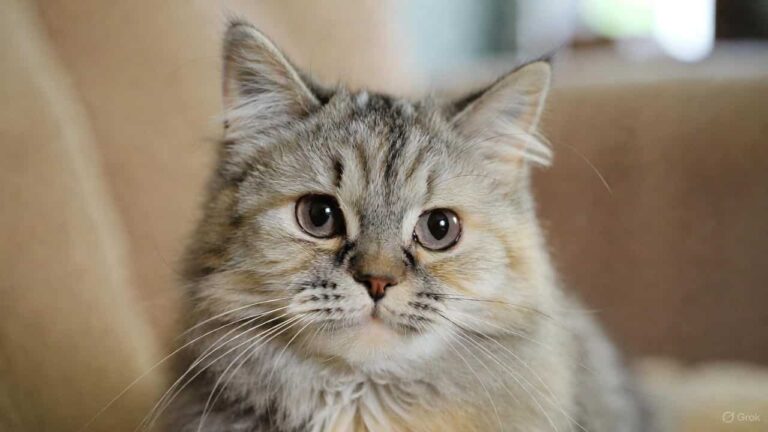
The Persian cat is often the first breed that pops into mind when thinking about softest cat breeds. With their long, dense coats that flow like a royal mane, Persians are the aristocrats of the fluffy cat world. Their fur is incredibly soft and silky, thanks to a thick undercoat that gives them that plush, pillow-like feel. Available in a rainbow of colors—from solid white to tabby patterns—their coats can be so voluminous that they require daily attention to stay tangle-free. 1
In terms of appearance, Persians have a distinctive flat face, large round eyes, and a sturdy build. Males typically weigh between 9 to 14 pounds, while females are slightly smaller at 7 to 11 pounds. Their height ranges from 10 to 15 inches, but it’s their fur that steals the show, often forming a majestic ruff around the neck. Historically, Persians trace their roots back to ancient Persia (modern-day Iran), where they were prized by nobility. They made their way to Europe in the 1600s and have been a favorite ever since, ranking high in cat registries like the CFA. 12
Temperament-wise, Persians are the ultimate lap cats. They’re gentle, affectionate, and prefer a calm environment where they can lounge in luxury. Don’t expect them to be high-energy climbers; instead, they’ll happily curl up with you for hours. However, this laid-back nature means they’re great for apartments or families with older children. They’re not overly vocal, but they’ll purr contentedly when petted.
Caring for a Persian’s coat is key to maintaining that softness. Daily brushing with a wide-toothed comb prevents mats, and occasional baths keep their fur grease-free. They’re prone to respiratory issues due to their brachycephalic (flat) faces, so regular vet check-ups are essential. Feed them high-quality cat food to support coat health—check our best cat foods for shiny coats post for recommendations. Additionally, Persians can live 15 to 20 years with proper care, making them long-term companions.
Fun fact: Many Persian owners swear by professional grooming sessions every few months to keep that fluffy look without the hassle. If you’re considering adoption, sites like Petfinder have listings for Persians in need of homes. In summary, if softness is your top priority, the Persian is a timeless choice that embodies fluffy elegance.
2. Ragdoll: The Floppy, Soft Cuddler(Best Soft Cat Breeds)
Moving on to another crowd favorite, the Ragdoll cat lives up to its name by going limp like a ragdoll when picked up— a testament to their trusting and affectionate nature. Their semi-long fur is silky and soft, with a plush texture that’s less prone to matting than some other breeds. This makes them one of the softest cat breeds for those who want fluff without excessive upkeep. Coat colors often feature pointed patterns, like seal or blue, with striking blue eyes that add to their charm. 10
Physically, Ragdolls are large cats, with males weighing up to 20 pounds and standing 9 to 11 inches tall. Their fur has no undercoat, which contributes to its softness but also means they shed seasonally. Originating in the 1960s in California, breeder Ann Baker developed the breed by crossing various cats to achieve that docile temperament and fluffy coat. Today, they’re recognized worldwide for their gentle giant status.
Personality is where Ragdolls shine. They’re incredibly social, following you around like puppies and thriving on human interaction. Ideal for families, they get along with kids, dogs, and other cats. However, they’re not fans of being alone for long periods, so if you work from home, they’re perfect. Their energy level is low to medium, preferring play sessions that end in cuddles.
Grooming a Ragdoll involves weekly brushing to remove loose hair and prevent tangles. They’re generally healthy, but watch for hypertrophic cardiomyopathy, a common heart issue in the breed. A balanced diet rich in omega-3s helps maintain that soft fur—link to our cat nutrition guide for more. Lifespan averages 12 to 17 years, giving you plenty of time to enjoy their fluffiness.
Interestingly, Ragdolls are often described as “dog-like” cats because of their loyalty. For more on similar breeds, explore external resources like the International Cat Association. If you’re drawn to soft, affectionate cats, the Ragdoll’s fluffy coat and loving demeanor make them irresistible.
3. Maine Coon: The Gentle Giant with Shaggy Softness
Now, let’s talk about the Maine Coon, often called the “gentle giant” among fluffy cat breeds. Their thick, shaggy coat is water-resistant and incredibly soft, designed for harsh winters. With a triple-layer fur structure, it’s one of the fluffiest out there, featuring a ruff that gives them a lion-like appearance. Colors range from tabby to solid, and their large size—up to 18 pounds and 16 inches tall—makes them imposing yet cuddly. 9
History buffs will love that Maine Coons are America’s oldest natural breed, possibly descending from ship cats that mingled with local felines in New England. They’re built tough but have hearts of gold.
Temperamentally, Maine Coons are amiable and playful, often acting like kittens well into adulthood. They’re dog-like in loyalty, enjoying fetch and even water play. Great with families, they tolerate kids and pets well, but their size means supervision is key.
Care includes regular brushing—two to three times a week—to keep the coat soft and mat-free. They’re prone to hip dysplasia, so maintain a healthy weight.Lifespan is 12 to 15 years.
Maine Coons’ soft fur is a joy, but they do shed. External link: CFA Maine Coon page.
4. Norwegian Forest Cat: Rugged Yet Silky Soft
Transitioning to a breed with Viking roots, the Norwegian Forest Cat (or “Wegie”) boasts a dense, water-repellent double coat that’s surprisingly soft and fluffy. Their long fur, complete with a full ruff and bushy tail, makes them one of the softest cat breeds for cold-weather lovers. They come in various colors, weighing up to 18 pounds. 11
Originating from Norway’s forests, they’ve been around for centuries, adapting to survive scandinavian winters.
They’re independent yet affectionate, enjoying play and cuddles. Medium energy, good with families.
Groom weekly, watch for HCM. Internal link: cat health check-ups.
Lifespan: 14 to 16 years. External: Wikipedia Norwegian Forest Cat.
5. Siberian: Hypoallergenic Fluff at Its Finest
Furthermore, the Siberian cat offers soft, triple-layered fur that’s both fluffy and potentially hypoallergenic due to lower Fel d 1 levels. Their coat is medium to long, with a ruff and plume tail, in all colors. 10
From Russia’s cold climates, they’re ancient and robust.
Playful, gentle, good with kids.
Brush twice weekly.
6. Birman: Sacred Softness with a Silky Touch
Additionally, the Birman, known as the “Sacred Cat of Burma,” has semi-long, silky fur that’s soft and less mat-prone. Color-pointed with blue eyes. 9
Legendary temple cats from Burma.
Gentle, affectionate, family-oriented.
Weekly brushing. Internal: cat breed profiles.
Lifespan: 12 to 16 years. External: CFA Birman.
7. Himalayan: Persian-Siamese Soft Fusion
Moreover, the Himalayan combines Persian fluff with Siamese points, resulting in long, dense, soft fur. 2
Developed in the 1950s.
Calm, affectionate.
Lifespan: 15 years. External: Himalayan info on The Spruce Pets.
8. Selkirk Rex: Curly, Plush Softness
In addition, the Selkirk Rex features unique curly, soft fur that’s fluffy in both short and long versions. 0
Discovered in 1980s Montana.
Mellow, social.
Comb regularly. Internal: unique cat breeds.
Lifespan: 15 years. External: TICA Selkirk Rex.
9. Ragamuffin: Dense, Rabbit-Like Soft Fur
Furthermore, the Ragamuffin has thick, soft fur like rabbit pelt, in various colors. 9
1990s offshoot of Ragdoll.
Sweet, dog-like.
10. Turkish Angora: Elegant, Silky Fluff
Finally, the Turkish Angora has fine, silky fur with a full tail and ruff, soft to the touch. 10
From Turkey, national treasure.
Playful, intelligent.
Minimal grooming. Internal: active cat breeds.
Lifespan: 15 years. External: Wikipedia Turkish Angora.
How to Care for Your Fluffy Cat
After exploring these breeds, it’s clear that fluffy cats require specific care to keep their coats soft and healthy. Regular brushing is a must for most, using tools like slicker brushes or combs. Bathe occasionally with cat-safe shampoo to prevent oil buildup. Nutrition plays a role too—foods high in fatty acids promote shiny, soft fur. Don’t forget nail trims and dental care.
For health, fluffy breeds can be prone to mats leading to skin issues, or respiratory problems in flat-faced ones. Regular vets and parasite prevention are key. Grooming sessions also strengthen bonds.
Benefits of Owning a Fluffy Cat
Owning a fluffy cat brings joy beyond aesthetics. Their soft fur provides therapeutic comfort, reducing stress like pet therapy. Many are affectionate, offering companionship. Some, like Siberians, are hypoallergenic, widening appeal.
They encourage responsibility through grooming routines and add beauty to your home. Plus, they’re great for social media—fluffy cats go viral!
Key Takeaways
Key Takeaways Box
- Persians and Himalayans need daily grooming for their ultra-soft coats.
- Ragdolls and Maine Coons are ideal for families due to their affectionate, dog-like personalities.
- Siberians offer fluffy softness with potential hypoallergenic benefits.
- All these breeds thrive on love, regular care, and a balanced diet to maintain their fluff.
- Consider adoption from shelters for your next fluffy friend.
FAQ
What is the Soft Cat breed?
The Persian is often considered the softest due to its dense, luxurious coat, but Ragdolls and Siberians are close contenders.
Are fluffy cats high maintenance?
It depends—breeds like Persians require daily brushing, while Ragdolls need only weekly. Check care sections for details.
Can fluffy cats be hypoallergenic?
Some, like Siberians, produce less allergens, but no cat is 100% hypoallergenic. Test with visits.
How do I prevent matting in fluffy cat fur?
Regular brushing, proper diet, and occasional professional grooming help.
Where can I adopt a fluffy cat breed?
Try ASPCA or local shelters. Breed-specific rescues exist too.
Do fluffy cats shed a lot?
Yes, many do seasonally, but grooming minimizes it. Breeds without undercoats shed less.
What’s the lifespan of these soft cat breeds?
Most live 12-18 years with good care.
Are these breeds good with kids?
Yes, especially Ragdolls, Maine Coons, and Birmans—gentle and patient.
How much do fluffy cat breeds cost?
Puppies range from $500-$3000 from breeders; adoption is cheaper.
Can I train a fluffy cat?
Absolutely—many are intelligent and respond to clicker training. Link to cat training basics.