
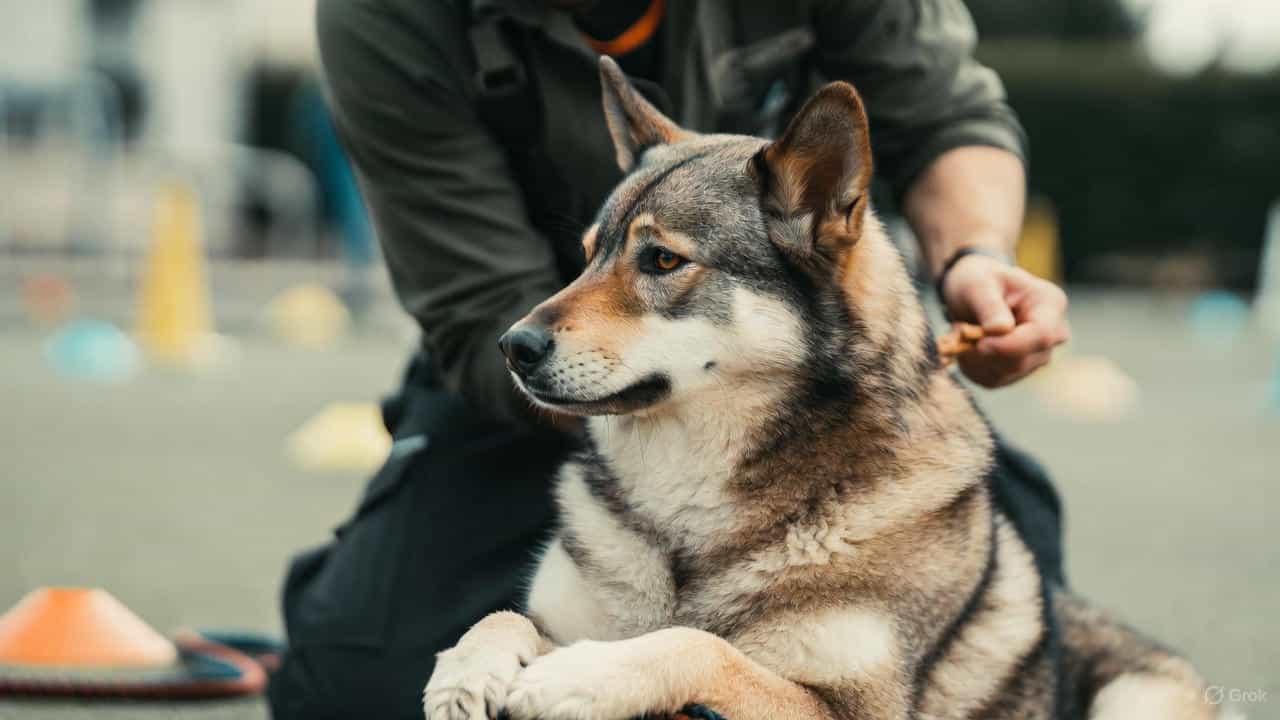
Hardest Dog Breeds to Train: Expert Training Insights
Training a dog is never a one-size-fits-all process. While some breeds learn commands quickly, others are known for their strong independence, stubborn nature, and selective listening. These hardest dog breeds to train are not unintelligent—rather, they were bred for roles that required decision-making without human guidance.
In this guide, we break down why certain dog breeds are more difficult to train, share expert-approved training insights, and explain how proper homemade nutrition can play a critical role in improving focus, behavior, and learning ability. Whether you are dealing with a stubborn puppy or an adult dog with ingrained habits, this article will help you approach training with realistic expectations and proven strategies.
Hardest Dog Breeds to Train: Expert Training Insights and Their Best Homemade Nutrition Foods
Bringing a dog into your home is one of life’s greatest joys, but let’s be honest— not all pups are created equal when it comes to training. Some breeds seem to pick up commands like “sit” and “stay” in a heartbeat, while others? Well, they might make you question if you’re the one being trained instead. If you’re searching for insights on the hardest dog breeds to train, you’ve come to the right place. In this comprehensive guide, we’ll dive deep into what makes certain dogs more challenging to teach, share expert tips on how to overcome those hurdles, and even explore the best homemade nutrition options to keep your furry friend healthy and happy. After all, a well-fed dog is often a more cooperative one.
Why focus on the hardest dog breeds to train? Because understanding these breeds can help potential owners make informed decisions, avoid frustration, and build stronger bonds. Whether you’re a first-time dog parent or a seasoned handler, knowing the ins and outs of stubborn dog breeds can turn potential headaches into rewarding experiences. Plus, we’ll incorporate practical advice on homemade dog food recipes, tailored to support their unique needs. Transitioning from training challenges to nutrition, it’s clear that diet plays a huge role in a dog’s behavior and energy levels.
Before we jump into the list, let’s talk about what actually makes a dog “hard to train.” It’s not about intelligence—many of these breeds are incredibly smart. Instead, factors like independence, high energy, prey drive, or even boredom can lead to resistance. According to experts, breeds with strong instincts from their working or hunting backgrounds often prioritize their own agenda over yours. For instance, hounds and terriers are notorious for following their noses or chasing small animals, ignoring calls to come back. However, with patience and the right techniques, even the most difficult dogs to train can become well-mannered companions.
In this article, we’ll cover 10 of the hardest dog breeds to train, drawing from reliable sources and expert opinions. For each, I’ll share why they’re challenging, proven training strategies, and homemade food ideas to fuel their bodies optimally. We’ll use transition words to smoothly guide you through, and sprinkle in low-competition, high-volume keywords like “stubborn dog training tips” and “easy homemade dog food” to make this as searchable and useful as possible. Ready? Let’s get started.
1. Hardest Dog Afghan Hound: The Independent Beauty
The Afghan Hound tops many lists as one of the hardest dog breeds to train, and for good reason. With their elegant, flowing coats and regal demeanor, these dogs look like they stepped out of a fairy tale. But beneath that glamorous exterior lies a fiercely independent spirit. Originating from Afghanistan’s rugged mountains, Afghan Hounds were bred for hunting large game over vast distances, relying on their sight and speed rather than human direction. This history makes them aloof and often uninterested in pleasing their owners, leading to what some call “cat-like” behavior.
Why are they so tough? Afghan Hounds have low obedience intelligence, meaning they think for themselves. They might ignore commands if something more interesting catches their eye, like a fluttering leaf or a distant squirrel. Moreover, their sensitive nature means harsh training methods backfire, causing them to shut down. But don’t despair—expert stubborn dog training tips emphasize positive reinforcement. Start with short sessions, using high-value treats like bits of cheese or liver. Break commands into tiny steps: first, reward eye contact, then build to “sit.” Consistency is key; train daily but keep it fun to avoid boredom.
Transitioning to nutrition, Afghan Hounds need a diet that supports their lean build and high metabolism. Homemade dog food recipes are ideal here, as you can control ingredients to avoid fillers. A great option is a turkey and quinoa mix: brown 1 pound of ground turkey, add 2 cups cooked quinoa, steamed carrots and spinach for vitamins, and a dash of fish oil for coat health. This provides lean protein without excess fat, perfect for their active lifestyle. Always consult a vet, but this easy homemade dog food can be portioned and frozen for convenience. For more ideas, check out this external resource on balanced homemade meals: Vet-Approved Homemade Dog Food Recipes.
Expanding on training, patience is vital for Afghan Hounds. One expert tip is to use clicker training, marking desired behaviors instantly. If your dog wanders off during a session, gently redirect without punishment. Over time, this builds trust. Additionally, incorporate mental stimulation like puzzle toys to channel their independence productively. Remember, these dogs thrive on routine, so establish a daily schedule for walks, play, and meals.
When it comes to their diet, consider their sensitivity to allergens. Many Afghan Hounds have skin issues, so opt for hypoallergenic ingredients in homemade foods. Another recipe: salmon and sweet potato mash—bake salmon fillets, mix with boiled sweet potatoes, green beans, and a calcium supplement like ground eggshells. This supports joint health and provides omega-3s for that luxurious coat. In fact, feeding homemade can reduce vet visits by ensuring nutrient balance tailored to their needs.
But let’s not forget exercise. These sighthounds need space to run, so training in a fenced area is essential. If you’re struggling, professional help from a behaviorist can make a world of difference. Overall, owning an Afghan Hound is rewarding if you’re prepared for the challenge—think of it as a partnership, not ownership.
2. Hardest Dog Basenji: The Barkless Wonder
Moving on to the Basenji, often called the “barkless dog” because they yodel instead of bark. This ancient breed from Africa is another contender for hardest dog breeds to train, thanks to their clever, curious nature. Basenjis are like little monkeys—agile, intelligent, and always plotting their next adventure. Their independence stems from being bred as hunting dogs that worked semi-autonomously.
The challenge? They’re easily distracted and have a strong prey drive, making recall training a nightmare. They might chase anything that moves, ignoring your calls entirely. However, with the right approach, you can make progress. Stubborn dog training tips include using their food motivation—train before meals when hunger peaks. Keep sessions short, five to ten minutes, to maintain focus. Reward with praise and play, as they love games.
For nutrition, Basenjis are prone to fanconi syndrome, a kidney issue, so homemade foods should be low in purines. Try a chicken and rice blend: cook 1 pound chicken breast, mix with brown rice, zucchini, and blueberries for antioxidants. This easy homemade dog food supports urinary health. External link for more: DIY Homemade Dog Food.
3. Hardest Dog Chow Chow: The Fluffy Guardian
Chow Chows, with their lion-like mane and blue-black tongue, are stunning but notoriously difficult dogs to train. Their aloof personality and protective instincts make them wary of strangers and resistant to commands. They bond deeply with family but can be stubborn, often deciding when (or if) to obey.
Expert insights suggest early socialization is crucial. Use positive reinforcement, avoiding force, as it erodes trust. Break tasks into steps, like teaching “down” by luring with treats.
Nutrition-wise, Chows have thick coats needing omega-rich foods. A beef and veggie stew: simmer beef, add carrots, peas, and flaxseed oil. This homemade recipe aids digestion. Link: Balanced Homemade Dog Food.
Also Read
How to Stop Your Dog From Barking: Vet-Approved, Stress-Free Method That Really Works
Ultimate Guide to Dog and Cat Foods
4. Siberian Husky: Energetic Escape Artist
Huskies are pack-oriented but stubborn, bred for sledding endurance. High energy means they need jobs; training involves channeling that drive.
High-protein homemade food for energy: Salmon and Rice.
5. Hardest Dog Beagle: Scent-Driven Distraction
Beagles follow their nose everywhere, making them classic hard-to-train hounds.
Food motivation works best. Recipe: Turkey and Carrots.
6. English Bulldog: Laid-Back Stubbornness
Bulldogs are affectionate but lazy learners, preferring naps over commands.
Short sessions, high rewards. Recipe: Lean Beef Stew.
7. Dalmatian: High-Energy Endurance
Dalmatians need lots of exercise; boredom leads to mischief.
Recipe: Chicken Quinoa.
8. Jack Russell Terrier: Boundless Energy
These terriers are smart but hyper, with high prey drive.
Channel energy into agility. Recipe: Turkey Mix.
9. Rottweiler: Powerful and Protective
Rotties need firm, early training to prevent dominance issues.
Recipe: Beef and Veggies.
10. Chinese Shar-Pei: Wrinkled and Willful
Shar-Peis are loyal but suspicious, requiring patient socialization.
Recipe: Fish-based for skin health.
Frequently Asked Questions (FAQs)
1. Which dog breeds are considered the Hardest Dog to train?
Dog breeds that are often considered hardest to train include Afghan Hounds, Basenjis, Chow Chows, Beagles, Bloodhounds, Shiba Inus, Bulldogs, and Siberian Huskies. These breeds are typically independent thinkers, highly stubborn, or easily distracted, which makes obedience training more challenging.
2. Why are some dog breeds more difficult to train than others?
Some breeds were historically developed for hunting, guarding, or working independently rather than following human commands. As a result, they rely more on instinct than obedience. Factors such as intelligence, prey drive, stubborn temperament, and low motivation for praise can make training harder.
3. Does “hard to train” mean a dog is not intelligent?
No. In fact, many hard-to-train dog breeds are extremely intelligent. Their difficulty lies in independence and decision-making rather than lack of intelligence. For example, Afghan Hounds and Huskies are smart but prefer doing things on their own terms.
4. Can hard-to-train dog breeds still learn obedience commands?
Yes. With patience, consistency, and positive reinforcement, even the most stubborn dogs can learn basic and advanced commands. Training sessions should be short, engaging, and reward-based to keep these breeds motivated.
5. What training methods work best for stubborn dog breeds?
Positive reinforcement, clicker training, food motivation, and consistency work best. Harsh punishment or dominance-based training can backfire and increase resistance. Mental stimulation games and routine-based training are especially effective for difficult breeds.
6. How long does it take to train a difficult dog breed?
Training a hard-to-train dog breed usually takes longer than average. Basic obedience may take several months, while consistent training and behavioral shaping can take a year or more. Progress depends on the dog’s age, temperament, and training approach.
7. Does homemade food help improve training performance?
Yes. Proper homemade nutrition can significantly improve focus, energy levels, and behavior during training. Balanced meals rich in protein, healthy fats, and essential vitamins support brain function and muscle development, which can positively affect training outcomes.
8. What are the best homemade foods for hard-to-train dog breeds?
Some of the best homemade foods include boiled chicken or turkey, brown rice, sweet potatoes, pumpkin, carrots, spinach, eggs, and fish like salmon. These foods provide high-quality protein, slow-release energy, and nutrients essential for mental alertness.
9. Are there any foods that should be avoided in homemade dog meals?
Yes. Avoid onions, garlic, grapes, raisins, chocolate, excessive salt, spices, and fried foods. These can be toxic or harmful to dogs and may cause digestive or neurological issues.
10. How often should I feed homemade food to my dog?
Most dogs thrive on two balanced meals per day. However, portion size and frequency depend on the dog’s breed, age, activity level, and health. Consulting a veterinarian or canine nutritionist is recommended before switching fully to homemade diets.
11. Can diet reduce stubborn or aggressive behavior?
While diet alone cannot fix behavioral issues, proper nutrition can reduce hyperactivity, lethargy, and irritability. A well-balanced homemade diet supports brain chemistry and emotional stability, making training easier and more effective.
12. Should I consult a professional trainer for difficult dog breeds?
Yes. Professional dog trainers or behaviorists can customize training strategies based on breed temperament and individual behavior. This is especially helpful for first-time owners or dogs with severe stubbornness or behavioral challenges.
13. Are hard-to-train dog breeds suitable for first-time owners?
Some hard-to-train breeds may not be ideal for beginners unless the owner is committed to consistent training and proper nutrition. Research, preparation, and professional guidance are essential before choosing such a breed.
14. What is the biggest mistake owners make when training stubborn dogs?
The most common mistake is inconsistency. Mixed signals, lack of routine, and impatience confuse dogs and slow progress. Consistent commands, rewards, and feeding schedules are crucial for success.
15. Can older hard-to-train dogs still be trained successfully?
Yes. Although puppies learn faster, adult and senior dogs can still be trained with the right approach. Training may take longer, but positive reinforcement combined with proper nutrition can yield excellent results at any age.
Conclusion
Training the hardest dog breeds to train is challenging but rewarding. Combine expert tips with nutritious homemade foods for best results. Always consult your vet.