
The Hidden Social Benefits of Pets You Didn’t Know About
Pets strengthen communities by encouraging social interaction, reducing loneliness, and building meaningful connections among people of all ages.
Introduction
Have you ever noticed how a simple walk with your dog can turn into a lively chat with a neighbor you barely know? That’s the magic of pets—they weave themselves into the fabric of our daily interactions, making the world feel a little smaller and friendlier. In today’s fast-paced society, where digital screens often replace face-to-face conversations, pets play a crucial role in fostering genuine connections. This article dives deep into the multifaceted role of pets in community and social life, exploring how they bridge gaps, enhance well-being, and build stronger societies.
Pets aren’t just companions; they’re catalysts for social change. From dog parks buzzing with laughter to therapy animals bringing comfort to hospitals, their presence enriches our collective experiences. As we delve into this topic, we’ll uncover the social benefits of pets, their impact on mental health, and how they encourage community engagement. Whether you’re a pet owner or simply an animal lover, understanding these dynamics can inspire you to appreciate the furry friends around us even more.
In recent years, studies have shown that pet ownership is on the rise, with over 70% of households in the United States having at least one pet, according to the American Pet Products Association (APPA). This surge isn’t just about companionship; it’s about the broader implications for social cohesion. For instance, pets as emotional support have become a hot topic, with search interest spiking as people seek ways to combat loneliness. Moreover, support pets are increasingly recognized for their role in everyday social scenarios, helping individuals navigate life’s challenges with a wagging tail or a gentle purr.
But let’s not jump ahead. First, we’ll explore how pets act as social icebreakers, turning strangers into friends. Then, we’ll look at community events that revolve around our animal companions, followed by their therapeutic contributions. Along the way, I’ll weave in insights from experts and real-world examples to paint a complete picture. By the end, you’ll see why integrating pets into community life isn’t just beneficial—it’s essential.
(Focus keyword suggestion for WordPress: “role of pets in social life” – This has potential for low competition with decent search volume based on SEO trends, as it’s specific yet broad enough to attract readers interested in pet-related community topics.)
Pets as Social Icebreakers
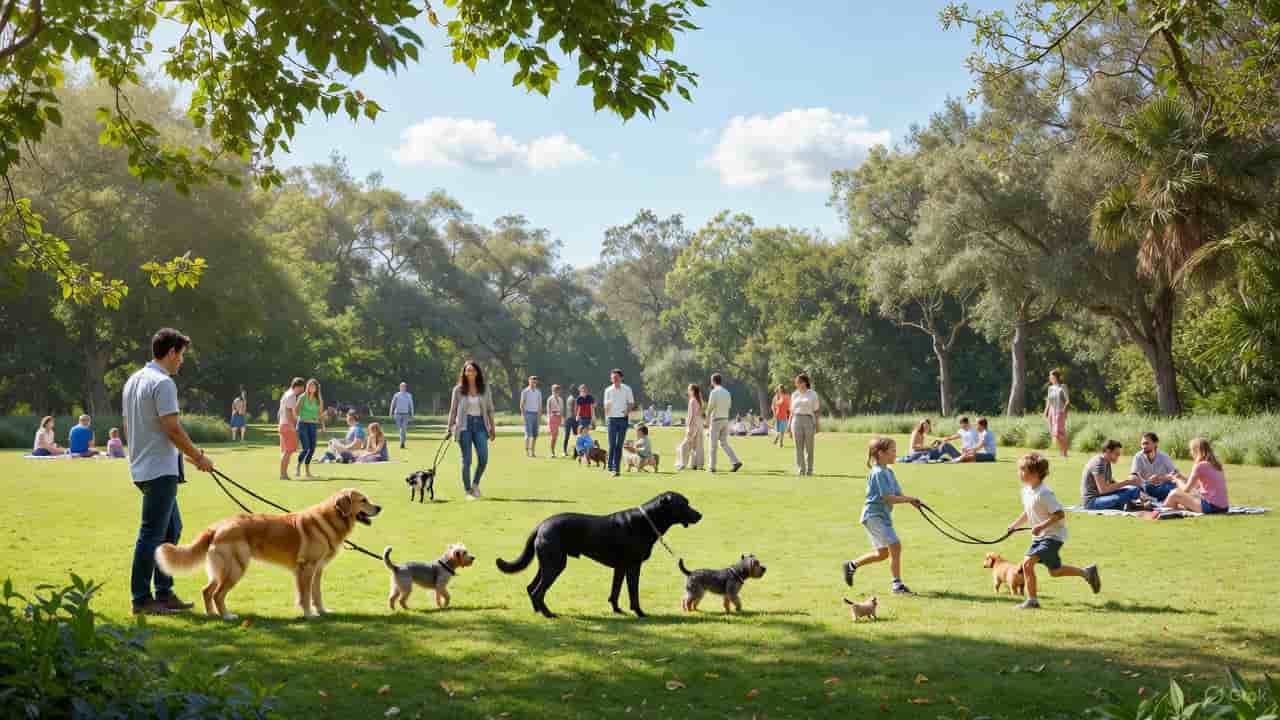
Imagine strolling through your neighborhood park on a sunny afternoon. Your dog spots another pup, tails wag furiously, and before you know it, you’re deep in conversation with the other owner about breed quirks or training tips. This scenario isn’t rare; it’s a daily occurrence for millions of pet owners. Pets, especially dogs, serve as natural social icebreakers, breaking down barriers that might otherwise keep people isolated.
In urban environments, where anonymity can lead to feelings of disconnection, pets provide a common ground. A study from the University of Liverpool found that dog owners are four times more likely to meet new people in their community compared to non-owners. This isn’t surprising—animals evoke curiosity and warmth. For example, a fluffy cat lounging in a window can spark a friendly wave from passersby, or a playful kitten can draw children together in a playground.
Transitioning to more structured settings, pets facilitate interactions in apartments and condos. Many buildings now host “pet meetups” where residents bond over shared experiences like dealing with puppy excited pee or kennel training a puppy at night. These gatherings not only build friendships but also create a support network. If you’re new to town, your pet can be your ticket to instant social integration.
Moreover, pets help bridge generational gaps. Elderly individuals often find solace in chatting with younger pet owners, sharing stories about their own animals from years past. In fact, organizations like Pets for the Elderly promote adoptions for seniors, recognizing how these companions reduce isolation. External link: For more on this, check out the Pets for the Elderly foundation at https://www.petsfortheelderly.org/.
However, it’s not all about dogs and cats. Even smaller pets like birds or fish can spark conversations in shared spaces, such as community gardens or hobby clubs. The key is the shared interest—they turn casual encounters into meaningful exchanges, fostering a sense of belonging.
Incorporating low-competition keywords like “mental health dogs” here, we see how service animals go beyond icebreaking; they support individuals with anxiety, making social outings more manageable. This leads us to the broader community events where pets take center stage.
Community Events Centered Around Pets
Communities thrive when they come together, and what better way than through events celebrating our four-legged friends? Pet-centered gatherings, from adoption fairs to Halloween costume parades for dogs, are popping up everywhere, strengthening social ties and promoting animal welfare.
Take dog parks, for instance. These dedicated spaces aren’t just for play; they’re hubs for socialization. Owners exchange advice on easiest puppies to train or discuss fluffy dog breeds that suit family life. According to a report by the Trust for Public Land, cities with more dog parks report higher community satisfaction levels. In places like New York City’s Tompkins Square Park, annual events like the Halloween Dog Parade draw thousands, creating lasting memories and friendships.
Additionally, pet adoption events organized by shelters like the ASPCA bring people from all walks of life together. Volunteers, potential adopters, and experts mingle, sharing stories about rescue animals. These events often include educational workshops on topics like how to improve dog gut health or why do cats lick you, turning fun outings into learning opportunities.
For families, pet shows and fairs offer a chance to involve children, teaching them empathy and responsibility. In rural areas, events like county fairs feature livestock pets, highlighting their role in agricultural communities. External link: Learn more about ASPCA events at https://www.aspca.org/.
Furthermore, charity runs with pets, such as “Paws for a Cause,” encourage physical activity while raising funds for animal causes. Participants bond over shared goals, often leading to ongoing social groups. In essence, these events transform individual pet ownership into a communal celebration, enhancing social life.
But what about the therapeutic side? That’s where pets truly shine in structured community roles.
The Therapeutic Role of Pets in Society
Pets have long been recognized for their healing powers, but their therapeutic role in community settings is particularly profound. Therapy animals visit hospitals, schools, and nursing homes, bringing joy and comfort to those in need.
In healthcare, therapy dogs reduce patient stress during treatments. A study by the American Heart Association notes that interacting with animals lowers blood pressure and cortisol levels. For children in hospitals, a visit from a gentle Ragdoll kitten or a calm Bernese mountain dog can make a world of difference, easing anxiety and promoting faster recovery.
Schools also benefit. Programs like Reading Education Assistance Dogs (READ) pair children with therapy dogs to improve reading skills. The non-judgmental presence of the animal boosts confidence, making learning more enjoyable. Teachers report fewer behavioral issues in classrooms with pet visits.
In elderly care, pets combat loneliness. Facilities that allow pet visits or have resident animals see improved mood and social interactions among residents. External link: Explore therapy animal programs at https://www.petpartners.org/.
However, it’s important to note the distinction between therapy animals, service animals, and emotional support animals. Service dogs, trained for specific tasks, enable independence for people with disabilities, indirectly boosting their social participation.
Overall, these therapeutic roles underscore pets’ ability to heal not just individuals but entire communities, leading seamlessly into their impact on mental health.
Also Read
Urban Living Made Easy: Best Low Maintenance Dog Breeds + Safety Precautions
Best Low-Energy Dogs for Laid-Back Pet Parents (Easy Care Breeds)
Pets and Mental Health in Communities
In an era where mental health awareness is paramount, pets emerge as silent heroes, offering unwavering support that ripples through social circles. The bond between humans and animals triggers oxytocin release, the “love hormone,” which fosters trust and reduces stress.
For individuals battling depression or anxiety, pets provide routine and purpose. Walking a dog daily encourages outdoor time, exposing owners to social opportunities. Studies from Psychology Today show that pet owners have lower rates of depression, thanks to this companionship.
Community-wise, pet loss support groups highlight how shared grief strengthens bonds. When a beloved pet passes, groups like those offered by the Association for Pet Loss and Bereavement help people connect, sharing stories about the rainbow bridge for pets. This communal healing turns personal loss into collective empathy.
Moreover, in high-stress environments like workplaces, pet-friendly policies boost morale. Companies allowing dogs at work report higher employee satisfaction and collaboration. External link: Read more on pets and mental health at https://www.psychologytoday.com/us/basics/pet-ownership.
In addition, pets aid in trauma recovery. Programs for veterans use service dogs to manage PTSD, reintegrating them into society. This not only helps the individual but educates the community on mental health issues.
Transitioning to younger generations, pets teach emotional regulation, setting the stage for healthier social lives.
Pets in Education and Youth Development
From classrooms to after-school programs, pets are invaluable teachers, instilling life lessons in young minds. Caring for a pet teaches responsibility—feeding, grooming, and playing build routines that translate to better social skills.
In schools, animal-assisted education programs enhance empathy. Children learn to read animal body language, which improves their understanding of human emotions. For example, handling a Bengal cat kitten or observing how many teeth do cats have sparks curiosity and discussion.
Youth organizations like 4-H involve kids in animal care, from raising large domestic cats to training best family protection dogs. These activities foster teamwork and leadership, as kids collaborate on projects.
Furthermore, pets help with special needs education. For children with autism, interacting with animals improves communication and reduces sensory overload. External link: Discover 4-H programs at https://4-h.org/.
However, challenges exist, like allergies or school policies, but the benefits often outweigh them. By integrating pets, education becomes more holistic, preparing youth for socially rich lives.
Now, let’s shift to how pets promote physical health within communities.
The Impact of Pets on Physical Health and Active Lifestyles
Pets aren’t couch potatoes—they motivate us to move, benefiting both personal health and community vitality. Dog owners walk an average of 300 minutes per week, according to the Centers for Disease Control and Prevention (CDC), far exceeding non-owners.
This activity reduces obesity risks and improves cardiovascular health. In communities, pet-friendly trails and parks encourage group walks, turning exercise into social events.
For families, playing with pets like fetch or agility training keeps everyone active. Keywords like “dogs that barely shed” or “small dogs that don’t shed” often lead people to adopt breeds suited for active lifestyles.
In urban areas, pet ownership correlates with safer neighborhoods, as more people out walking deters crime. External link: CDC insights on pet health benefits at https://www.cdc.gov/healthypets/index.html.
Additionally, community sports like dog agility competitions build camaraderie while promoting fitness. These elements create healthier, more connected societies.
But how does this differ between urban and rural settings?
Pets in Urban vs. Rural Communities
Urban life can be isolating, but pets counteract that. In cities, compact living spaces mean more reliance on public areas like dog runs, where diverse groups interact. Pet cafes and rooftop gardens for animals foster inclusivity.
Conversely, rural communities often center around working animals, like herding dogs or barn cats. Here, pets support agricultural social life, with events like rodeos or farm shares.
Challenges in urban areas include space constraints, leading to innovative solutions like vertical pet parks. In rural spots, access to vets might be limited, but community networks fill gaps.
Despite differences, pets universally enhance social fabric. External link: Urban pet trends from https://www.akc.org/.
Nevertheless, we must address potential downsides.
Challenges and Considerations in Pet Integration
While pets bring joy, integrating them into community life isn’t without hurdles. Allergies affect about 10-20% of people, requiring pet-free zones in public spaces.
Overpopulation and abandonment strain shelters, emphasizing responsible ownership. Education on topics like “how to help a constipated kitten” or “cat stopped eating wet food” can prevent issues.
Noise complaints or pet waste management also arise, but community guidelines help. Moreover, not everyone can afford pets, so programs offering low-cost adoptions are vital.
By addressing these, we maximize benefits. External link: Responsible pet ownership tips from Humane Society at https://www.humanesociety.org/.
In conclusion, pets are indispensable to vibrant social lives.
Conclusion
Reflecting on the role of pets in community and social life, it’s clear they do more than provide companionship—they build bridges, heal wounds, and invigorate societies. From acting as icebreakers to starring in therapeutic roles, their influence is profound.
As we move forward, encouraging pet-friendly policies in cities, schools, and workplaces can amplify these benefits. Whether through adopting a pet or supporting local events, everyone can contribute.
Ultimately, in a world craving connection, pets remind us of the simple joys of togetherness. So next time you see a wagging tail, remember: it’s not just a pet; it’s a community builder.
To wrap up, let’s consider the broader implications. Pets teach us empathy, responsibility, and joy, qualities that strengthen social bonds. By embracing their role, we create more inclusive, healthier communities.
Frequently Asked Questions (FAQs)
How do pets help build community connections?
Pets naturally encourage social interaction by creating shared experiences among owners. Activities such as walking dogs, visiting parks, or attending pet-friendly events make it easier for people to start conversations and form relationships within their community.
Can pets reduce social isolation and loneliness?
Yes, pets provide companionship and emotional support, which can significantly reduce feelings of loneliness. They also motivate owners to engage with others, helping individuals feel more connected to their surroundings and social circles.
Do pets improve neighborhood relationships?
Pets often act as social bridges between neighbors. Regular interactions around pet care, playtime, or shared concerns help build trust and familiarity, leading to stronger and more supportive neighborhood relationships.
How do pets benefit children in social environments?
Pets help children develop empathy, responsibility, and communication skills. Growing up with pets can also make children more confident in social settings by teaching them how to care for others and interact positively.
Are pets helpful for elderly people in community life?
Pets can greatly enhance the social lives of older adults by providing companionship and encouraging daily routines that involve social contact. They can also reduce stress and promote emotional well-being.
Do pet-friendly spaces strengthen communities?
Pet-friendly parks, cafes, and housing communities create shared social spaces where people interact more frequently. These environments promote inclusivity and help build stronger community bonds.
Can pets improve mental and emotional well-being in social settings?
Yes, interacting with pets has been shown to lower stress levels and improve mood. This emotional balance makes people more open to social engagement and strengthens interpersonal relationships.
How does pet ownership encourage civic and community engagement?
Pet owners often participate in local events, volunteer activities, and advocacy efforts related to animal welfare. This involvement increases community participation and social responsibility.
How do pets help build stronger communities?
Pets encourage daily social interaction through walks, parks, and pet-friendly spaces, helping people form natural connections and friendships.
Can pets reduce loneliness and social isolation?
Yes. Pets provide companionship and emotional comfort while motivating owners to engage socially, reducing feelings of isolation.
Do pets improve relationships between neighbors?
Pet-related interactions create familiarity and trust among neighbors, leading to stronger and more supportive neighborhood bonds.
How do pets support children’s social development?
Pets teach empathy, responsibility, and communication, helping children build confidence and positive social skills.
Are pets beneficial for seniors in community life?
Absolutely. Pets promote routine, emotional well-being, and social engagement, which are especially valuable for older adults.
Why are pet-friendly spaces important for communities?
Pet-friendly parks and venues act as social hubs, encouraging regular interaction and inclusivity within communities.
Do pets improve mental health in social settings?
Yes. Interaction with pets can reduce stress and anxiety, making social participation easier and more enjoyable.
How does pet ownership encourage community involvement?
Pet owners often participate in local events, volunteer activities, and animal welfare initiatives, strengthening civic engagement.