Apartment-Friendly Cats: 10 Breeds That Love Indoor Life
Discover the 10 best apartment Friendly Cats breeds that thrive indoors. Calm, quiet, low-energy cats perfect for small apartments.
Introduction
Table of Content
What Makes a Cat Apartment Friendly?
10 Best Apartment Friendly Cat Breeds
American Shorthair
Birman
British Shorthair
Burmese
Exotic Shorthair
Maine Coon
Persian
Ragdoll
Russian Blue
Scottish Fold
Best Food for Apartment Friendly Cat Breeds
How to Keep Apartment Cats Happy Indoors
Common Mistakes Apartment Cat Owners Make
Frequently Asked Questions
Final Thoughts
10 Indoor Breeds That Thrive in Small Homes
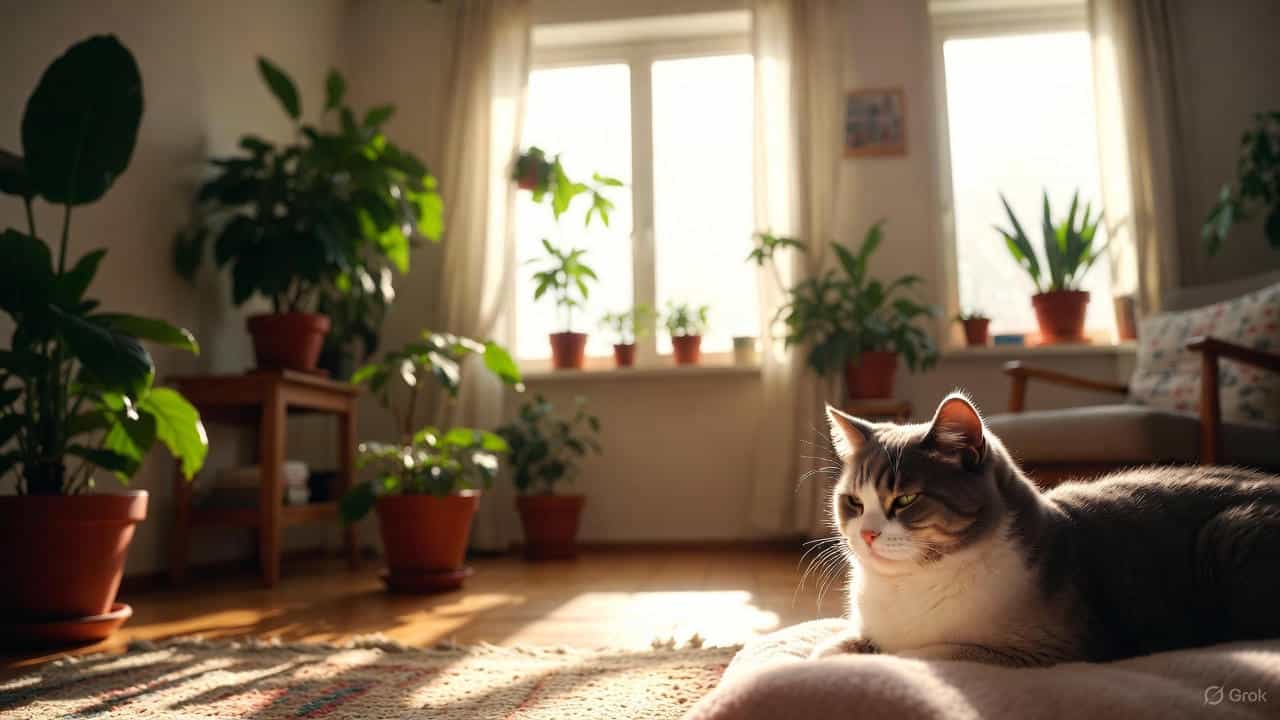
Living in an apartment no longer means giving up the dream of owning a cat. In fact, many cat breeds are not only comfortable indoors but actually prefer the safety, routine, and coziness of apartment life. If you are searching for apartment friendly cat breeds that adapt well to limited space, quieter environments, and indoor-only lifestyles, you are in the right place.
Urban living has transformed how people choose pets. Smaller homes, shared walls, and busy schedules require companions that are adaptable, calm, and content without outdoor roaming. Fortunately, many indoor cat breeds fit this lifestyle perfectly. These cats are known for their manageable energy levels, affectionate personalities, and ability to stay mentally stimulated within a confined environment.
Having lived with cats in apartments for years, I can confidently say that breed selection plays a critical role in long-term happiness—for both the owner and the cat. While every cat has a unique personality, certain breeds consistently demonstrate traits that make them ideal for apartment living. These include lower vocalization, minimal space requirements, moderate activity needs, and a strong bond with humans.
Before we explore the top breeds, it is important to understand what truly makes a cat apartment-friendly. Typically, these cats:
- Are comfortable staying indoors full-time
- Do not require excessive running space
- Are quieter and less disruptive
- Enjoy interactive play without hyperactivity
- Adapt well to routines and limited territory
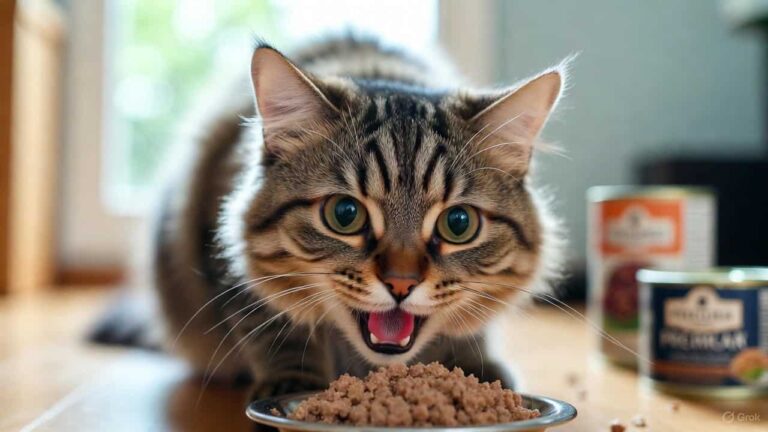
Nutrition is another key factor. Indoor cats are generally less active than outdoor cats, which means choosing the best food for apartment friendly cat breeds is essential. A high-protein, balanced diet designed for indoor cats helps prevent obesity, urinary issues, and digestive problems. Many veterinarians recommend indoor formulas that support weight control and overall wellness.
Now, let us explore 10 of the best apartment friendly cat breeds, selected based on temperament, adaptability, care requirements, and popularity among indoor cat owners.
1. American Shorthair: A Reliable and Adaptable Indoor Cat
The American Shorthair is widely considered one of the most balanced and versatile indoor cat breeds. Descended from European cats brought to North America in the 1600s, this breed evolved into a sturdy, healthy, and affectionate companion.
What makes the American Shorthair ideal for apartment life is its moderate energy level. These cats enjoy playtime but are equally happy napping for hours. They do not demand constant attention, making them perfect for working professionals or families with structured routines.
Their short, dense coat requires minimal grooming—usually a weekly brush. They are generally quiet cats for apartments and rarely vocal without reason. Because they are intelligent, interactive toys and puzzle feeders help keep them mentally stimulated indoors.
From a health perspective, American Shorthairs are robust, but indoor living increases the risk of weight gain. Feeding them controlled-calorie, protein-rich food formulated for indoor cats is essential.
If you want a calm, affectionate cat that adapts easily to apartment living without excessive maintenance, the American Shorthair is an excellent choice.
2. Birman: A Gentle and Affectionate Apartment Companion
The Birman is known for its calm demeanor, striking blue eyes, and affectionate personality. Often referred to as a “people-oriented” breed, Birmans thrive on companionship and emotional connection rather than physical space.
These cats are exceptionally well-suited for apartments because they prefer quiet environments and close human interaction. They enjoy following their owners from room to room and lounging nearby rather than climbing or running excessively.
Birmans have a medium-length coat that does not mat easily, requiring only light grooming a couple of times per week. Their gentle nature makes them excellent for households seeking low energy cat breeds that are loving without being demanding.
Because they are social, Birmans do best in homes where they are not left alone for extended periods. Providing interactive toys and scheduled playtime ensures they remain content indoors.
3. British Shorthair: Calm, Independent, and Perfectly Indoor
The British Shorthair is one of the best-known low energy cat breeds for apartment living. With a plush coat and a dignified personality, this breed is calm, reserved, and highly adaptable to indoor environments.
These cats prefer observing rather than participating in constant activity. They enjoy short bursts of play but are generally content lounging in their favorite spot. Their quiet nature makes them ideal for apartments with shared walls.
British Shorthairs are independent yet affectionate, forming strong bonds without being overly clingy. Grooming is minimal, and their dense coat sheds moderately with weekly brushing.
To support their health indoors, diets rich in omega fatty acids and controlled calories are recommended. This helps maintain coat quality and prevent weight gain.
4. Burmese: Social, Loving, and Apartment-Ready
The Burmese cat combines athleticism with affection, making it an excellent indoor companion when properly stimulated. Although they are playful, they do not require large spaces if vertical enrichment—such as shelves or cat trees—is provided.
Burmese cats are extremely people-oriented and thrive in apartments where they receive daily interaction. They are known for their lap-loving tendencies and strong emotional bonds with their owners.
Their short, silky coat requires very little grooming. Because they are prone to obesity and diabetes, feeding the best food for apartment friendly cat breeds—high-protein and low-carb—is particularly important.
5. Exotic Shorthair: Persian Personality Without the Grooming Burden
Often described as a short-haired Persian, the Exotic Shorthair offers the same calm, affectionate temperament with significantly less maintenance.
These cats are quiet, gentle, and perfectly content living indoors. They prefer lounging over climbing and are ideal for owners seeking a relaxed apartment companion.
Weekly grooming is usually sufficient. Due to their flat facial structure, special attention should be paid to respiratory health and tear staining.
Also Read
Largest Bird Eggs: 7 Birds That Lay Massive Eggs
The Hidden Power of Food in Sick Dog Recovery
6. Maine Coon: A Big Cat That Adapts Surprisingly Well
Despite their large size, Maine Coons can thrive in apartments if their environment is enriched. Known as “gentle giants,” they are friendly, intelligent, and emotionally adaptable.
They require more grooming than short-haired breeds, but their temperament makes them suitable for indoor life. Vertical space and interactive play are essential to meet their needs.
High-quality nutrition is crucial to support their size without encouraging obesity.
7. Persian: The Ultimate Indoor Lounger
Persians are among the most apartment-friendly cat breeds due to their extremely calm nature. They prefer quiet environments and minimal activity, making them ideal for small homes.
Daily grooming is required to maintain their long coat. Additionally, diets that support hairball control and digestion are recommended.
8. Ragdoll: Affectionate, Calm, and Exceptionally Indoor-Friendly
Ragdolls are famous for their relaxed nature and tendency to go limp when held. They are affectionate, gentle, and highly adaptable to apartment living.
They enjoy human company and are happiest in homes where they can be near their owners most of the time. Their moderate grooming needs and quiet personality make them excellent indoor companions.
9. Russian Blue: Quiet, Elegant, and Ideal for Apartments
Russian Blues are known for their reserved yet loyal nature. They are quiet cats for apartments and thrive in structured, calm environments.
Their short, dense coat sheds minimally, and they generally maintain a healthy weight when fed appropriate indoor cat food.
10. Scottish Fold: Sweet-Natured and Apartment-Friendly
Scottish Folds are gentle, affectionate cats that adapt well to indoor living. Their calm temperament and moderate activity level make them suitable for apartments.
Due to potential joint issues, nutrition that supports bone and joint health is essential.
Best Nutrition for Apartment-Friendly Cat Breeds
Indoor and apartment cats are less active than outdoor cats, burning fewer calories and facing higher risks of obesity, hairballs, and digestive issues. Choosing the right food is essential for keeping them healthy and maintaining an ideal weight.
Look for indoor-specific formulas that typically include:
- Lower calories and controlled fat to prevent weight gain
- High-quality animal protein (real meat like chicken, turkey, or fish as the first ingredient)
- Added fiber for hairball control and healthy digestion
- Omega-3 and omega-6 fatty acids for a shiny coat and skin health
Avoid foods loaded with fillers like corn, wheat, or soy, as these can lead to excess weight and allergies.
Popular indoor cat food options include Purina One Indoor, Royal Canin Indoor, Hill’s Science Diet Indoor, and premium choices like Smalls fresh food or ACANA Indoor Entree. Always consult your vet for recommendations tailored to your cat’s age, health, and activity level.
How to Keep Your Apartment Cat Happy and Enriched
Living in an apartment doesn’t limit your cat’s happiness—it’s all about creating a stimulating environment that satisfies their natural instincts.
Key tips to keep indoor cats content:
- Maximize vertical space: Install cat trees, shelves, or wall perches for climbing and territory marking.
- Provide window views: A perch by the window gives them endless entertainment watching birds and outdoor activity (“cat TV”).
- Daily interactive play: Spend 15–30 minutes playing with wand toys, lasers, or feather teasers to mimic hunting.
- Rotate toys and puzzles: Swap toys weekly to avoid boredom, and use food puzzles to make mealtime more engaging.
- Keep the litter box clean: Scoop daily and place it in a quiet, accessible spot—cats are very particular about cleanliness.
Mental and physical enrichment matters far more than floor space for a cat’s overall happiness.
Common Mistakes Apartment Cat Owners Make
Even caring owners can unintentionally affect their cat’s well-being. Here are the most common pitfalls and how to avoid them:
- Overfeeding: Strict portion control is crucial—follow feeding guidelines and avoid free-feeding to prevent obesity.
- Lack of playtime: Insufficient interaction leads to boredom and unwanted behaviors like furniture scratching.
- No scratching outlets: Provide dedicated scratching posts or pads to protect your furniture and satisfy their instincts.
- Ignoring vertical space: Flat environments feel restrictive; adding height gives security and exercise.
- Using poor-quality food: Skipping indoor formulas or choosing filler-heavy options can cause health issues.
Fixing these mistakes can greatly improve your cat’s behavior, reduce stress, and strengthen your bond. Regular vet visits help catch problems early for a long, happy life together.
Essential Tips for Apartment Cat Owners
Regardless of breed, apartment living requires preparation:
- Provide scratching posts and vertical space
- Keep litter boxes in quiet, accessible areas
- Rotate toys to prevent boredom
- Choose indoor-specific cat food
- Schedule regular veterinary checkups
Final Thoughts
Choosing the right apartment friendly cat breed can transform your living space into a peaceful, loving home. Whether you prefer a calm lap cat or a playful indoor companion, there is a breed that fits your lifestyle.
With proper care, mental stimulation, and the best food for apartment friendly cat breeds, indoor cats can live long, healthy, and deeply fulfilling lives—no backyard required.
If you are considering adoption, shelters often have cats with these traits regardless of breed. The most important factor is commitment, care, and creating a safe indoor environment where your cat can truly thrive.
KEY TAKEAWAYS
- Apartment friendly cat breeds are calm, adaptable, and comfortable indoors
- Quiet cats for apartments reduce noise complaints and stress
- Low energy cat breeds thrive with limited space and structured routines
- Proper indoor nutrition is essential to prevent obesity and health issues
- Vertical space and mental stimulation matter more than floor size
FAQs
1. What makes a cat breed apartment friendly?
Apartment friendly cat breeds are typically calm, adaptable, and comfortable living indoors. They have moderate to low energy levels, are quieter, and do not require large spaces to stay happy.
2. Are indoor cats happy living in apartments?
Yes, indoor cats can be very happy in apartments when provided with proper enrichment, vertical space, interactive toys, and a consistent routine.
3. Which cat breed is best for small apartments?
Some of the best cat breeds for small apartments include the American Shorthair, British Shorthair, Birman, Persian, and Russian Blue due to their calm and adaptable nature.
4. Are there quiet cats suitable for apartments?
Yes, breeds such as the Russian Blue, British Shorthair, Persian, and Birman are known for being quiet cats that are ideal for apartment living.
5. Do apartment cats need special food?
Yes, indoor cats benefit from food formulated for indoor lifestyles. These diets help control weight, reduce hairballs, and support urinary health.
6. Can large cats live comfortably in apartments?
Large breeds like Maine Coons can live in apartments if provided with vertical climbing space, enrichment activities, and proper nutrition.
7. Is it cruel to keep a cat indoors in an apartment?
No, keeping a cat indoors is not cruel if their physical and mental needs are met. Indoor living can actually be safer and healthier for many cats.
8. How can I keep my apartment cat entertained?
Use puzzle toys, scratching posts, window perches, climbing shelves, and daily interactive play sessions to prevent boredom.