Ultimate Guide to Long-Haired Cats
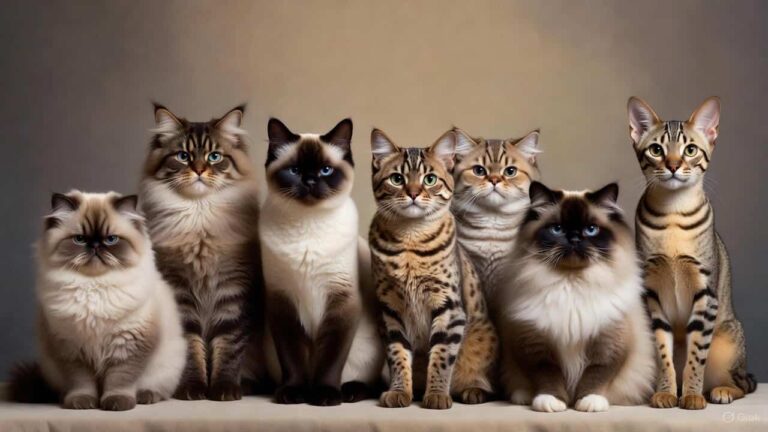
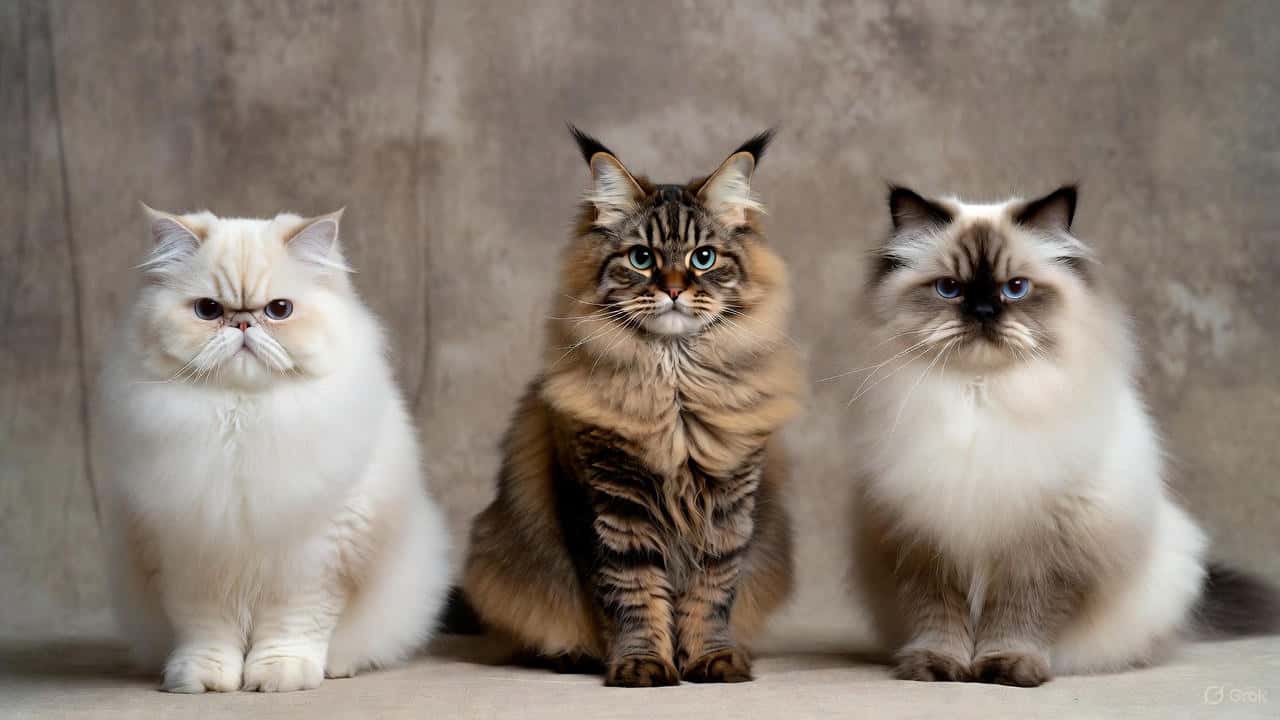
Looking for the perfect long-haired feline companion? This article is going to be very helpful for you. If you like Persians, Maine Coons, and Himalayans, each brings their own unique charm—from the Persian’s silky, luxurious coat to the Maine Coon’s rugged, weather-ready fur, and the Himalayan’s stunning colorpoint elegance. In this guide, we’ll compare their coats, personalities, grooming needs, and lifestyle suitability, helping you decide which fluffy friend is the best fit for your home. It’s also a great companion to have when you want to enjoy a lovely evening with a cup of coffee.
Compare Persian Coat vs. Maine Coon or Himalayan: Which Long-Haired Beauty Steals Your Heart?
Hey there, cat lovers! If you’re diving into the world of fluffy felines, you’ve probably found yourself pondering the age-old question: how does the Persian coat stack up against the Maine Coon or Himalayan? In this in-depth guide, we’re going to break it all down. Whether you’re a first-time cat owner dreaming of a lap warmer or a seasoned pet parent looking for your next furry companion, comparing these breeds—especially their luxurious coats—can help you make the purr-fect choice. We’ll explore everything from history and grooming needs to personality quirks and health tips, all while weaving in those cozy details that make each breed unique. So grab a cup of tea, settle in with your current kitty (if you have one), and let’s get into it.
Before we jump in, a quick note: these breeds are all about that long-haired life, but they each bring something special to the table. The Persian’s coat is like a cloud of silk, the Maine Coon’s is rugged and weather-ready, and the Himalayan’s adds a splash of colorpoint magic. By the end, you’ll have a clear picture of which one might fit your home best. And hey, if you’re searching for “fluffy cat breeds for apartments” or “best long-haired cats for families,” stick around—this article’s got you covered.
A Brief History of These Iconic Cat Breeds
Let’s start at the beginning, shall we? Understanding where these cats come from adds a layer of appreciation to their stunning coats and personalities. After all, their origins shape everything from their fur texture to their laid-back vibes.
The Persian cat, often hailed as one of the oldest breeds, traces its roots back to ancient Persia (modern-day Iran). These regal felines were prized by nobility for their luxurious long coats and serene demeanor. Historical records suggest they arrived in Europe in the 1600s via traders, quickly becoming favorites among royals like Queen Victoria. Today, Persians are known for their round faces, short muzzles, and that incredibly thick, glossy fur that comes in a rainbow of colors—white, blue, black, you name it. 3 Their coat isn’t just for show; it’s a double-layered wonder that requires dedicated care, but more on that later.
Shifting gears to the Maine Coon, this breed screams American folklore. Originating in the harsh winters of Maine, USA, these cats are often called “gentle giants” for good reason. Legends abound—like the one about them being part raccoon (spoiler: not true, but fun to imagine)—but they’re actually one of North America’s oldest natural breeds. Developed through natural selection, Maine Coons adapted to cold climates with their shaggy, water-resistant coats. Unlike the Persian’s fine silk, the Maine Coon’s fur is longer on the belly and britches, with a ruff around the neck that gives them a lion-like mane. They’re massive, too—males can tip the scales at 18-25 pounds, making them one of the largest domestic cats out there.
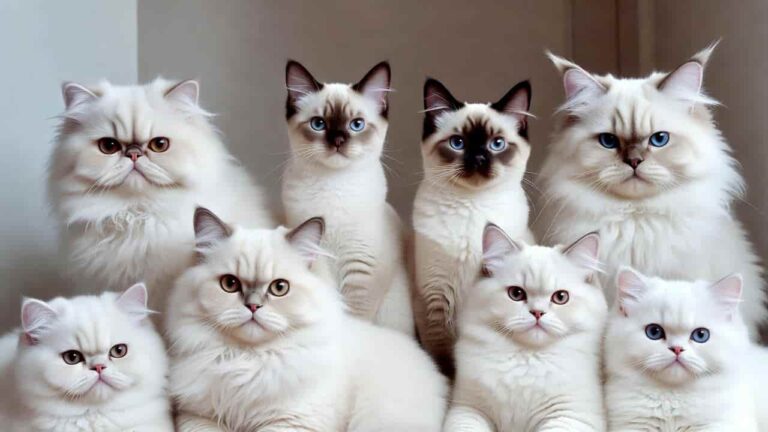
Now, the Himalayan? Think of it as the glamorous love child of the Persian and Siamese. Bred in the 1930s by crossing Persians with Siamese to introduce those striking blue eyes and colorpoint patterns, Himalayans share the Persian’s body type but with a twist: their fur darkens at the points (ears, face, paws, tail) like a Siamese. They’re essentially Persians with a color upgrade, and some associations even classify them as a sub-breed. Their history is shorter but no less fascinating, rooted in selective breeding for that perfect blend of fluff and flair. 23 If you’re into “exotic cat breeds with blue eyes,” the Himalayan might just be your match.
As we transition from history to looks, it’s clear these breeds have evolved in ways that make their coats stand out. But how do they really compare when it comes to that all-important fur?
Physical Characteristics: Beyond the Coat
While our focus keyword—”Compare Persian coat vs. Maine Coon or Himalayan”—puts the spotlight on fur, let’s not ignore the full package. Each breed’s build influences how their coat feels and functions, after all.
Starting with the Persian: These cats are medium-sized, weighing 7-12 pounds and standing 10-15 inches tall. Their bodies are stocky with short legs, a broad chest, and that signature flat face (brachycephalic, for the fancy term). The coat? Oh, it’s the star—long, thick, and flowing, often requiring daily brushing to prevent mats. Colors range from solid whites to tabbies, and their eyes are large and expressive, usually copper or green. 0 Imagine running your fingers through a living teddy bear; that’s the Persian vibe.
In contrast, the Maine Coon is built like a tank—muscular, rectangular body with a long tail that can measure up to 16 inches. They’re the heavyweights, with females at 10-14 pounds and males pushing 25. Their ears are large and tufted, eyes oval and gold or green, and that coat is semi-long, shaggy, and uneven, perfect for snowy adventures. It’s not as fine as the Persian’s; instead, it’s rugged with a silky top layer and dense undercoat, coming in nearly every color and pattern except pointed like the Himalayan.
The Himalayan mirrors the Persian in size and shape—7-12 pounds, cobby body, short legs—but those piercing blue eyes and colorpoint coat set it apart. The fur is long and plush, just like a Persian’s, but with chocolate, seal, or lilac points that deepen in cooler weather. It’s a visual treat, blending the Persian’s fluff with Siamese elegance. 20 If “colorpoint long-haired cats” is on your search list, this breed nails it.
Of course, size and structure affect daily life. A Maine Coon’s larger frame means more space needed for play, while Persians and Himalayans are content with cozy corners. But let’s zoom in on what you’re really here for: the coat showdown.
Coat Comparison: Texture, Grooming, and Maintenance
Alright, time to get nitty-gritty with our focus: Compare Persian coat vs. Maine Coon or Himalayan. These aren’t just hairs; they’re lifestyles!
The Persian coat is legendary for its length and density—a full, flowing mane that can grow up to 6 inches long. It’s fine-textured, silky, and prone to tangling, which means grooming is non-negotiable. Daily combing with a wide-toothed comb prevents mats, and baths every 4-6 weeks keep it glossy. Shedding? Moderate year-round, with heavier seasonal blows. If you love “softest cat fur breeds,” Persians top the list, but be ready for the commitment.
Now, the Maine Coon coat: It’s long but not as uniform, with shorter fur on the head and shoulders graduating to longer on the belly and tail. The texture is coarser, water-repellent, and less mat-prone thanks to its natural oils. Grooming is easier—weekly brushing suffices, though more during shedding seasons. They shed heavily in spring, but their fur doesn’t cling like finer hairs. Compared to the Persian, it’s more practical for active households.
The Himalayan coat is virtually identical to the Persian’s in texture and length—long, thick, and luxurious—but with that colorpoint twist. The points require extra attention to avoid staining, and like Persians, they need daily grooming. Shedding is similar, and their fur can mat quickly without care. In essence, if you’re comparing Persian coat vs. Himalayan, it’s a draw on maintenance, but the color adds aesthetic appeal.
In terms of allergies, none are hypoallergenic, but Maine Coons might produce less dander due to their coat type. For “low-maintenance long-haired cats,” the Maine Coon edges out the others. However, all three demand investment in quality brushes and perhaps professional grooming sessions.
Temperament and Personality: Fluff with Heart
Coats aside, these breeds’ personalities make them shine. Persians are the epitome of calm—gentle, affectionate, and content to lounge. They’re not big on jumping or chaos; instead, they prefer quiet laps and soft pets. Great for “indoor cat breeds for seniors,” but they might hide from rowdy kids.
Maine Coons? Total opposites—playful, intelligent, and social butterflies. They love fetching toys, chirping at birds, and even tolerating water (thanks to that coat!). They’re dog-like in loyalty, getting along with everyone, including dogs and children. If “playful large cat breeds” is your vibe, this is it.
Himalayans blend the best: Sweet like Persians but with a Siamese spark of curiosity. They’re affectionate, vocal at times, and love attention without being demanding. Ideal for families wanting “affectionate cat breeds with blue eyes.”
In comparison, Persians and Himalayans suit quiet homes, while Maine Coons thrive in active ones. But all are loving—it’s just about matching energy levels.
Health and Care Needs: Keeping That Coat (and Cat) Healthy
No comparison is complete without health talk. These breeds share some issues but differ in others.
Persians and Himalayans, with their flat faces, face brachycephalic problems like breathing difficulties, eye issues (from shallow sockets), and polycystic kidney disease (PKD). Their coats can lead to hairballs, so high-fiber diets help. Regular vet check-ups are key, with lifespans of 12-15 years.
Maine Coons are hardier but prone to hip dysplasia, hypertrophic cardiomyopathy (HCM), and spinal muscular atrophy. Their size means joint care is crucial, but they live 12-15 years too. Grooming prevents skin issues, and a protein-rich diet supports their muscles.
Suitability for Lifestyles: Apartment Dweller or Country Cat?
Considering your setup? Persians and Himalayans are apartment stars—low-energy, quiet, and happy indoors. They’re perfect for “best cat breeds for small spaces.”
Maine Coons need room to roam; they’re better for homes with yards or cat trees. They’re adaptable but thrive with playtime.
Families with kids? Maine Coons win for tolerance, while Persians/Himalayans prefer gentle handling. Allergies? None are ideal, but test first.
Pros and Cons: Weighing It All
Persian Pros: Beautiful coat, calm temperament. Cons: High grooming, health risks.
Maine Coon Pros: Playful, hardy coat. Cons: Size, shedding.
Himalayan Pros: Stunning colors, affectionate. Cons: Grooming intensive, similar health to Persians.
In the end, it depends on you.
FAQs
1. Which cat has the softest coat: Persian, Maine Coon, or Himalayan?
Persians and Himalayans have the softest, long, and dense coats, while Maine Coons have a coarser, shaggy coat that’s more practical for active homes.
2. How often should I groom these long-haired cats?
Persians and Himalayans require daily brushing, while Maine Coons usually need weekly grooming, with more frequent care during shedding season.
3. Are these breeds good for apartment living?
Persians and Himalayans are ideal for apartments due to their calm nature. Maine Coons prefer larger spaces but can adapt if given toys and climbing areas.
4. Do these breeds have health concerns?
Persians and Himalayans may face breathing issues, eye problems, and PKD. Maine Coons are prone to hip dysplasia, HCM, and joint issues due to their larger size.
5. Which breed is best for families with kids?
Maine Coons are the most tolerant and playful, making them ideal for kids. Persians and Himalayans are gentler and prefer calm, quiet households.
6. How long do these cats typically live?
All three breeds usually live 12-15 years with proper care, nutrition, and regular vet check-ups.
7. Are any of these breeds hypoallergenic?
No, none of these cats are hypoallergenic, though Maine Coons may produce slightly less dander than the others.
Conclusion: Making Your Choice
So, to wrap up our comparison of Persian coat vs. Maine Coon or Himalayan, each breed offers unique fluff and charm. The Persian’s silky luxury suits serene homes, the Maine Coon’s rugged mane fits adventurers, and the Himalayan’s pointed elegance bridges the gap. Whichever you choose, you’ll gain a loyal friend. For more, visit CFA’s breed pages (https://cfa.org/breed/persian/). Happy adopting!