Signs of Anxiety in Dogs and How to Calm Them Naturally
Learn how to recognize the early signs of Anxiety in Dogs and discover proven natural ways to calm them without medication. This in-depth guide covers dog stress signals, behavioral changes, and holistic calming techniques to help your dog feel safe, relaxed, and emotionally balanced.
Signs of Anxiety in Dogs and How to Calm Them Naturally
RELATED

Hey there, fellow dog lovers! If you’re reading this, chances are you’ve noticed something off with your furry best friend. Maybe they’re pacing around the house more than usual, or perhaps they’ve started hiding under the bed during thunderstorms. As a dog owner myself, I’ve been through those heart-wrenching moments when my pup seems overwhelmed, and it’s tough to watch. That’s why today, we’re diving deep into the world of dog anxiety—specifically, the signs of anxiety in dogs and how to calm them naturally. This isn’t just about spotting the problem; it’s about empowering you with gentle, effective strategies to help your dog feel safe and relaxed without relying on heavy meds right away.
Anxiety in dogs is more common than you might think. According to experts, it affects millions of pets worldwide, often stemming from changes in routine, loud noises, or even past traumas. But the good news? There are plenty of natural approaches that can make a real difference. In this comprehensive guide, we’ll break it all down step by step. We’ll explore the subtle and not-so-subtle signs that your dog might be stressed, then shift into practical, holistic ways to soothe them. Along the way, I’ll weave in tips on dog stress signals, natural dog calming techniques, and even some low-key remedies like herbal supplements for dogs. By the end, you’ll have a toolkit to help your pup thrive. Let’s get started!
What Exactly Is Dog Anxiety?
Before we jump into the signs, let’s clarify what we’re dealing with. Dog anxiety isn’t just a buzzword—it’s a real emotional state where your pet feels threatened or uneasy, even if there’s no immediate danger. Think of it like how we humans get butterflies before a big presentation; for dogs, it can manifest in everyday situations.
There are a few main types of anxiety in dogs. Separation anxiety is a big one, where your dog freaks out when left alone. Then there’s noise phobia, like fear of fireworks or vacuums. Social anxiety might show up around new people or other animals, and generalized anxiety could be a mix of everything. Causes vary too—genetics play a role, as do early life experiences. For instance, rescue dogs often carry baggage from neglect or abuse.
Interestingly, breeds like Border Collies or German Shepherds might be more prone due to their high-energy natures, but any dog can develop anxiety. The key is recognizing it early. If ignored, it can lead to bigger issues like destructive behavior or health problems. But don’t worry; with patience and the right natural methods, many dogs improve dramatically.
Spotting the Signs: How to Tell If Your Dog Is Anxious
Now, onto the core of our topic: the signs of anxiety in dogs. Dogs can’t tell us they’re worried, so they communicate through body language and behavior. Paying attention to these cues is crucial. Let’s break them down into physical, behavioral, and emotional signs for clarity.
Physical Signs of Anxiety
First up, physical indicators. These are often the easiest to spot because they’re visible changes in your dog’s appearance or actions.
One common sign is excessive panting or drooling, even when it’s not hot. Your dog might breathe rapidly, almost like they’re hyperventilating. This is their body’s way of coping with stress. Similarly, trembling or shaking can occur, especially during triggers like car rides. I’ve seen this with my own Lab mix—he’d quiver like a leaf in the wind whenever we approached the vet’s office.
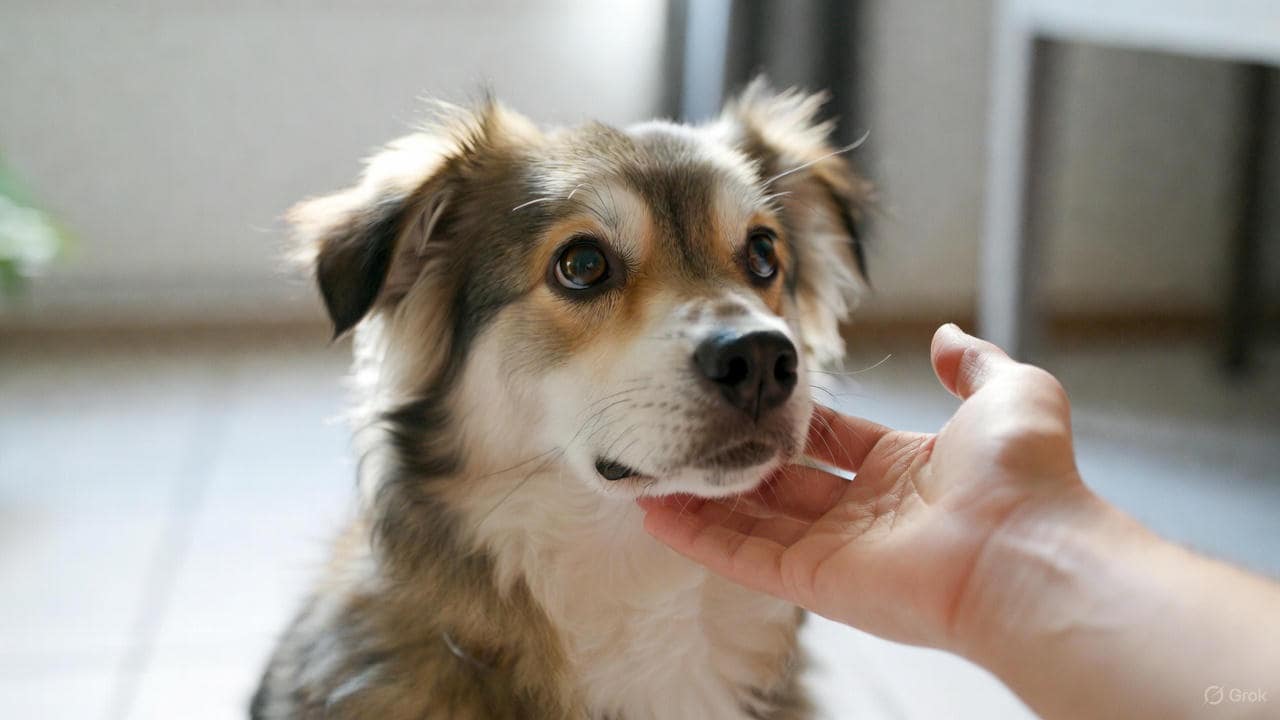
Another telltale sign is dilated pupils or wide eyes showing the whites (known as “whale eye”). This wide-eyed look signals fear or discomfort. Ears pinned back against the head or a tucked tail are also classic. A dog with a low, wagging tail might seem happy, but if it’s tucked between the legs, it’s more about submission or anxiety.
Yawning excessively? That’s not always tiredness. Dogs yawn as a calming signal to diffuse tension. Lip licking or smacking can mean the same. And watch for pacing—restless walking back and forth is a big red flag for unease.
From reliable sources, these physical symptoms align with what vets observe. For example, dilated pupils and rapid blinking are highlighted as stress indicators in dogs. 2 Additionally, trembling and panting are frequently mentioned in expert guides. 3
Behavioral Signs That Something’s Off
Moving on to behaviors—these are the actions that might disrupt your home life. Destructive chewing or digging is a huge one. If your dog suddenly starts shredding pillows or scratching doors, it could be anxiety-fueled, especially if it happens when you’re away.
Barking or whining excessively? That’s another sign. Anxious dogs vocalize to express distress, like howling when alone. House soiling, even in trained dogs, can stem from anxiety too—it’s not spite; it’s panic.
Hiding or escaping attempts are common. Your dog might bolt under furniture or try to dig out of the yard. Aggression, like growling or snapping, can also emerge from fear. This is serious and shouldn’t be ignored, as it might escalate.
For example, in one study on canine behavior, destructive actions and excessive barking were linked directly to anxiety disorders. 0 Whining and pacing are also noted as key symptoms.
Emotional and Subtle Cues
Subtler signs include withdrawal or clinginess. An anxious dog might follow you everywhere, seeking constant reassurance, or conversely, avoid interaction altogether. Loss of appetite is another—stress can kill their hunger.
Hypervigilance, where they’re always on alert, scanning for threats, is exhausting for them. And self-soothing behaviors like excessive licking (leading to hot spots) or tail chasing indicate inner turmoil.
These emotional signs often overlap with physical ones. For instance, a dog showing whale eye while hiding is clearly distressed. Experts emphasize that combining these cues gives the full picture.
If you’re noticing several of these, it’s time to act. But remember, every dog is unique. What looks like anxiety in one might be something else, like pain. Always rule out medical issues first.
Why Natural Calming Methods? The Benefits of Going Holistic
Transitioning now to solutions: why focus on natural ways to calm anxious dogs? Well, while medications have their place (and we’ll touch on when to consider them), natural methods are gentler, with fewer side effects. They’re accessible, often inexpensive, and empower you to bond with your pet.
Holistic approaches address root causes, not just symptoms. They promote overall well-being, boosting your dog’s resilience to stress. Plus, they’re sustainable—think lifestyle changes over quick fixes.
From my experience, starting natural has worked wonders. My dog’s anxiety eased with simple routines, and it felt rewarding to see him respond positively without drugs.
Natural Ways to Calm Your Anxious Dog
Alright, let’s get practical. Here are proven, natural strategies to help calm your dog. We’ll cover exercise, environment tweaks, supplements, and more. Incorporate these gradually for best results.
Exercise: The Ultimate Stress Buster
First and foremost, exercise is a powerhouse for reducing anxiety. Physical activity releases endorphins, those feel-good chemicals that combat stress. Aim for at least 30-60 minutes daily, tailored to your dog’s breed and age.
Walks are great, but mix it up with play. Fetch, tug-of-war, or agility games engage their mind too. Mental stimulation is key—puzzle toys or scent work tire them out without overexertion.
For high-energy breeds, hiking or running can be transformative. Studies show that exercised dogs show fewer anxiety signs. 10 However, start slow if your dog’s already anxious to avoid overwhelming them.
Creating a Safe, Calming Environment
Your home setup matters hugely. Designate a “safe space”—a cozy crate or quiet room with their bed, toys, and maybe a pheromone diffuser. These mimic calming scents from mother dogs.
Minimize triggers: Close blinds during storms, use white noise machines for sounds. Consistency in routine helps too—dogs thrive on predictability.
Additionally, calming music or sounds can work wonders. Classical tunes or dog-specific playlists reduce heart rates in stressed pups. I’ve played soft harp music for my dog during fireworks, and it noticeably soothes him.
Massage and Touch Therapy
Don’t underestimate the power of touch. Gentle massages release tension—start with long strokes along the back, then circles on the ears and paws. Tellington TTouch is a method worth exploring; it uses specific touches to promote relaxation.
Pair it with deep pressure, like a weighted blanket or ThunderShirt. These apply gentle hugs, mimicking swaddling, and are backed by vets for anxiety relief.
Herbal and Natural Supplements
Herbs are a natural go-to for calming. Chamomile tea (cooled and diluted) can ease nerves—offer it in their water. Valerian root acts like a mild sedative, great for travel anxiety.
Passionflower and kava are other options, but consult a vet first, as dosages vary. CBD oil for dogs has gained popularity; it’s non-psychoactive and may reduce anxiety without drowsiness. Look for pet-specific products from reputable brands.
Lignans from flaxseed also show promise in balancing hormones that affect mood. 12 Always start low and monitor.
Treats with melatonin, L-theanine (from green tea), or thiamin can help too. These nutrients support calm without addiction.
Training and Desensitization Techniques
Behavior modification is essential. Positive reinforcement training builds confidence. Teach commands like “settle” in calm settings, rewarding with treats.
For specific fears, desensitization works: Gradually expose them to triggers at low levels. For noise anxiety, play recordings softly, increasing volume over time.
Counter-conditioning pairs the trigger with positives, like treats during storms. Professional trainers or apps can guide you.
Diet and Nutrition for Calm
What your dog eats impacts mood. Omega-3s from fish oil reduce inflammation linked to anxiety. Probiotics support gut health, which ties to brain function via the gut-brain axis.
Avoid high-sugar foods that spike energy. Opt for balanced, whole-food diets. Some add pumpkin or yogurt for natural calming effects.
Aromatherapy and Essential Oils
Used safely, scents like lavender or chamomile can relax dogs. Diffuse or apply diluted topically (never ingest). Avoid strong oils like tea tree, which are toxic.
Pheromone collars or sprays are another scent-based option, clinically shown to ease separation anxiety.
Combining Methods for Best Results
The magic happens when you layer these. For example, exercise followed by massage, with calming music in the background. Track what works—keep a journal of triggers and responses.
If anxiety is severe, blend naturals with vet advice. Sometimes, short-term meds help while building natural habits.
Prevention: Keeping Anxiety at Bay
Prevention is better than cure. Socialize puppies early, expose them gently to new experiences. Maintain routines, provide enrichment, and watch for early signs.
Regular vet check-ups catch underlying issues. A happy, stimulated dog is less prone to anxiety.
When Natural Isn’t Enough: Seeking Professional Help
While natural methods shine for mild cases, severe anxiety might need more. If signs persist or worsen, see a vet. They can diagnose and suggest behavioral therapists or meds like fluoxetine.
Organizations like the ASPCA offer resources too. For external reading, check out the AKC’s guide on treating dog anxiety: AKC Dog Anxiety Guide. Or PetMD’s comprehensive overview: PetMD Dog Anxiety.
Frequently Asked Questions (FAQs)
RELATED

1. What are the most common signs of anxiety in dogs?
The most common signs of anxiety in dogs include excessive panting, trembling, pacing, drooling, dilated pupils, tucked tail, pinned-back ears, excessive barking or whining, destructive behavior, hiding, loss of appetite, and clinginess. Some dogs may also show subtle signs like lip licking, yawning, or whale eye (showing the whites of their eyes).
2. How can I tell the difference between dog anxiety and normal behavior?
Normal behaviors are usually occasional and situation-specific, while anxiety-related behaviors are repetitive, intense, and often triggered by stressors such as separation, loud noises, or changes in routine. If behaviors like pacing, shaking, or destruction happen frequently or worsen over time, anxiety is a likely cause.
3. What causes Anxiety in Dogs?
Dog anxiety can be caused by separation from owners, loud noises (fireworks, thunderstorms), lack of socialization, changes in routine, past trauma, genetics, or underlying medical conditions. Rescue dogs and high-energy breeds are often more prone to anxiety.
4. Can dog anxiety be treated naturally without medication?
Yes, mild to moderate anxiety in dogs can often be managed naturally through regular exercise, mental stimulation, calming environments, massage therapy, behavior training, proper nutrition, and natural supplements such as chamomile, L-theanine, melatonin, or CBD oil formulated for dogs.
5. How much exercise helps reduce Anxiety in Dogs?
Most dogs benefit from 30 to 60 minutes of daily physical activity, depending on their age and breed. Exercise helps release endorphins, reduces stress hormones, and improves overall mental well-being, making it one of the most effective natural calming techniques.
6. Do calming supplements really work for anxious dogs?
Natural calming supplements can be effective when used correctly. Ingredients like chamomile, valerian root, passionflower, L-theanine, melatonin, omega-3 fatty acids, and probiotics may help promote relaxation. Always consult a veterinarian before starting any supplement.
7. Is CBD oil safe for dogs with anxiety?
High-quality, pet-specific CBD oil is generally considered safe for dogs when given in appropriate doses. It may help reduce anxiety without causing intoxication. However, dosage and product quality are critical, so veterinary guidance is strongly recommended.
8. Can music and sounds really calm anxious dogs?
Yes, calming music—especially classical or dog-specific relaxation tracks—has been shown to lower heart rates and stress levels in dogs. White noise machines and soft background sounds can also help block anxiety-triggering noises.
9. How does diet affect dog anxiety?
Diet plays an important role in emotional health. Omega-3 fatty acids support brain function, while probiotics improve gut health, which is linked to mood regulation. Avoid diets high in sugar or artificial additives, as they can worsen anxiety symptoms.
10. When should I seek professional help for my dog’s anxiety?
If your dog’s anxiety is severe, persistent, or leads to aggression, self-harm, or extreme distress, you should consult a veterinarian or certified animal behaviorist. In some cases, medication combined with behavioral therapy may be necessary.
11. Can Anxiety in Dogs be prevented?
While not all anxiety can be prevented, early socialization, consistent routines, mental enrichment, positive training methods, and regular veterinary care significantly reduce the risk of anxiety developing later in life.
12. How long does it take for natural calming methods to work?
Natural anxiety remedies require consistency and patience. Some dogs show improvement within days, while others may take several weeks. Tracking triggers and responses can help you fine-tune what works best for your dog.
Wrapping It Up: A Calmer Future for You and Your Dog
There you have it—a thorough look at the signs of anxiety in dogs and how to calm them naturally. From spotting those tucked tails and excessive pants to implementing exercise, herbs, and safe spaces, you’ve got the tools to make a difference. Remember, patience is key; changes take time, but the bond you’ll strengthen is worth it.
If you’ve tried these or have stories to share, drop a comment below. And for more pet tips, explore sites like Cornell’s Veterinary Center: Cornell Anxious Dogs. Here’s to happier, tail-wagging days ahead!