Parrot Screaming All Day? Reasons, Triggers, and Training Advice
Parrot Screaming all day can signal boredom, stress, or attention-seeking. Learn the real reasons, common triggers, and proven training tips to restore peace.
Parrot Screaming All Day? Reasons, Triggers, and Training Advice
RELATED
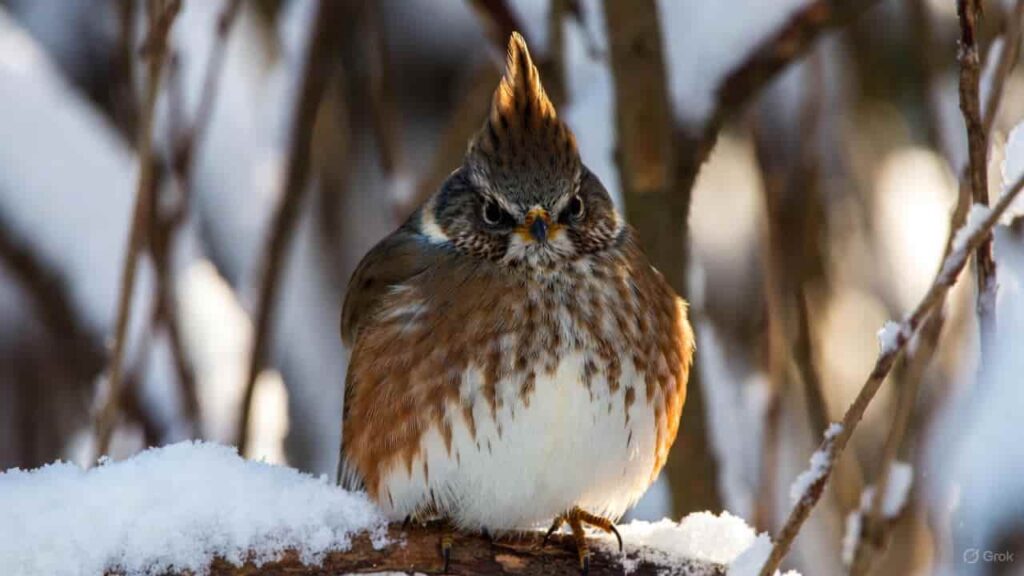
Hey there, fellow bird lovers! If you’re reading this, chances are you’ve got a feathered friend at home who’s turning your living room into a concert hall – and not in a good way. Parrot screaming all day can be one of the most frustrating aspects of owning these intelligent, vibrant creatures. But don’t worry; you’re not alone. I’ve been through it myself with my African Grey, Charlie, who used to belt out ear-piercing shrieks from dawn till dusk. In this comprehensive guide, we’ll dive deep into the reasons behind parrot screaming all day, explore common triggers, and share practical training advice to help restore some peace to your household. By the end, you’ll have the tools to understand and address this behavior effectively.
First off, let’s get one thing straight: parrots aren’t screaming to annoy you. They’re communicating in the only way they know how, drawing from their wild instincts. In the wild, parrots use vocalizations to stay connected with their flock, warn of danger, or even celebrate finding food. So, when your parrot is screaming all day, it’s often a sign that something in their environment or routine isn’t quite right. We’ll break this down step by step, starting with the underlying reasons.
Understanding the Reasons Behind Parrot Screaming All Day
Parrot screaming all day isn’t random; it’s rooted in a variety of factors, from biological needs to emotional states. One primary reason is boredom. Parrots are incredibly smart animals – think of them as toddlers with wings. They need mental stimulation to thrive. Without it, they resort to screaming to entertain themselves or get your attention. For instance, if your parrot is left alone in a cage for hours on end without toys or interaction, screaming becomes their go-to activity. Moreover, studies show that species like cockatoos and macaws, known for their high intelligence, are particularly prone to this if understimulated.
Another key reason is attention-seeking. Parrots are social beings, and in captivity, you’re their flock. If they feel ignored, they’ll scream to draw you in. This is especially true if you’ve unintentionally reinforced the behavior. Say, every time they scream, you rush over to shush them or give them a treat – boom, they’ve learned that screaming works. However, this can create a vicious cycle. To break it, we need to shift focus to positive reinforcement, which we’ll cover in the training section later.
Additionally, health issues can cause parrot screaming all day. Pain, discomfort, or illness might manifest as excessive vocalization. For example, a parrot with a respiratory infection or nutritional deficiency could scream more due to irritation. It’s crucial to rule out medical causes first. A visit to an avian vet can identify problems like vitamin A deficiency, which is common in seed-only diets and leads to behavioral changes. Furthermore, hormonal changes during breeding season can amp up the noise. Female parrots, in particular, might scream more when they’re feeling broody.
Environmental factors play a huge role too. Noise pollution in your home – think loud TVs, traffic, or even other pets – can stress your parrot, leading to screaming as a response. On the flip side, a too-quiet environment might make them scream to fill the silence, mimicking flock calls. Transitioning to a calmer setup, like placing the cage in a dedicated bird room, can help. But remember, sudden changes can trigger more screaming, so ease into them gradually.
Lastly, separation anxiety is a biggie. If your parrot is bonded to you and you’re away at work all day, they might scream out of loneliness. This is more common in hand-reared birds who’ve imprinted on humans. Signs include screaming intensifying when you leave the room or return home. In such cases, building independence through gradual training is key.
As we move forward, it’s important to note that these reasons often overlap. A bored parrot might also be attention-seeking, and health issues can exacerbate environmental stressors. Identifying the root cause requires observation and patience.
Common Triggers That Set Off Parrot Screaming All Day
Now that we’ve covered the reasons, let’s talk about specific triggers – those everyday events or situations that flip the switch on your parrot’s vocal cords. Understanding these can help you preempt and manage outbursts.
One major trigger is routine disruptions. Parrots thrive on predictability. If you usually feed them at 8 AM but oversleep one day, expect a symphony of screams as a reminder. Similarly, changes like moving furniture or introducing new people can unsettle them. For example, during holidays when guests flood your home, parrot screaming all day might spike due to the unfamiliar chaos.
Another trigger is hunger or thirst. It sounds basic, but an empty food bowl or stale water can lead to vocal protests. Parrots in the wild forage all day, so mimicking that with puzzle feeders can reduce this trigger. However, if they’re on a poor diet, like all-seed mixes, nutritional gaps might make them cranky and more vocal.
Lack of sleep is often overlooked. Parrots need 10-12 hours of uninterrupted darkness to rest properly. Bright lights, noisy neighborhoods, or late-night TV can disrupt this, leading to irritable screaming the next day. Covering the cage at night helps, but ensure good airflow.
Emotional triggers, such as jealousy, are fascinating. If you have multiple pets and give more attention to, say, your dog, your parrot might scream to reclaim the spotlight. This is common in multi-pet households. Additionally, mirrors or windows can trigger territorial screams if the parrot sees their reflection as an intruder.
External stimuli like wild birds outside or even certain sounds (doorbells, phones) can set them off. My Charlie used to scream every time the microwave beeped – it took weeks to desensitize him.
Weather changes, too, can be triggers. Storms or high winds might mimic predator threats in their minds, prompting alarm calls. In hot weather, discomfort from overheating could lead to more noise.
By recognizing these triggers, you can start modifying your environment. For instance, using white noise machines to drown out external sounds or establishing a consistent daily schedule can make a world of difference.
Effective Training Advice to Curb Parrot Screaming All Day
Alright, we’ve identified the whys and whats – now for the hows. Training a parrot to reduce screaming requires consistency, positivity, and a dash of creativity. Remember, punishment never works; it only builds fear and worsens behavior.
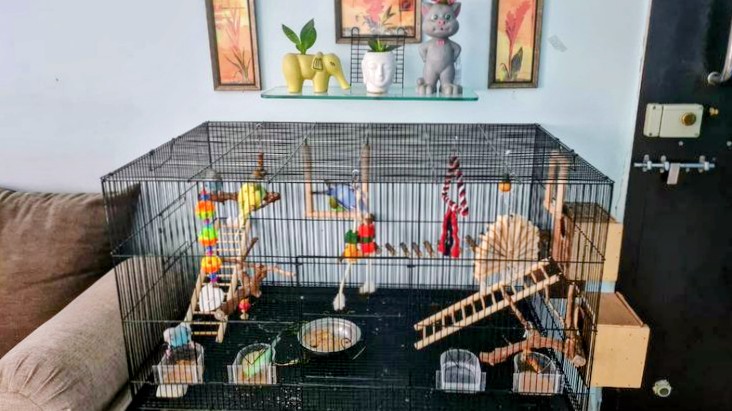
Start with basic needs assessment. Ensure your parrot’s diet is balanced – pellets, fresh veggies, fruits, and nuts. A healthy bird is less likely to scream excessively. Next, enrich their environment with toys: foraging puzzles, shreddable items, and swings. Rotate them weekly to prevent boredom.
For attention-seeking screams, the key is ignoring the bad and rewarding the good. When they scream, don’t react – no eye contact, no talking. Wait for a quiet moment, then praise and treat. This teaches that quiet gets attention. However, this extinction burst might make screaming worse initially, so steel yourself.
Desensitization training is great for specific triggers. If doorbells set them off, play recordings at low volume, gradually increasing, while rewarding calm behavior. Positive reinforcement tools like clickers can mark good moments precisely.
Teach alternative behaviors. Train your parrot to whistle or talk instead of scream. Use commands like “quiet” paired with treats. For example, when they’re calm, say “good quiet” and reward. Over time, they’ll associate quiet with positives.
Time-outs can help, but gently. If screaming persists, cover the cage for 5-10 minutes (ensure safety). Uncover when calm. This isn’t punishment but a break.
For hormonal birds, environmental tweaks like reducing daylight hours can mimic non-breeding seasons. Consult a vet for advice on this.
Socialization is crucial. Introduce your parrot to new people and experiences slowly to build confidence, reducing anxiety-triggered screams.
If you’re dealing with a rescue parrot, patience is extra important. They might have trauma leading to screaming. Professional trainers or behaviorists can offer tailored plans.
Incorporate daily playtime. Flying sessions (in a safe room) or trick training exhausts energy, leaving less for screaming.
Track progress in a journal: note triggers, responses, and improvements. Adjust as needed.
Real-Life Stories and Tips from Parrot Owners
To make this more relatable, let’s share some anecdotes. Take Sarah from Texas, whose Amazon parrot screamed all day after a move. By identifying boredom as the reason and adding interactive toys, she cut screaming by 70%. Or Mike, who dealt with jealousy triggers; teaching his conure to perch quietly during dog playtime worked wonders.
Tips from forums: Use aromatherapy like lavender (vet-approved) for calming. Background nature sounds can soothe.
Low-competition keywords like “quiet parrot training tips” or “stop bird noise naturally” often lead to gems in owner communities.
Long-Term Strategies for a Harmonious Home
Preventing parrot screaming all day long-term involves lifestyle integration. Consider flock dynamics – maybe add a companion bird if compatible.
Regular vet check-ups catch issues early.
Education: Read books like “The Parrot Problem Solver” for deeper insights.
RELATED
Frequently Asked Questions (FAQs) About Parrot Screaming All Day
1. Why is my parrot screaming all day?
Parrots scream all day primarily to communicate unmet needs. Common reasons include boredom, lack of mental stimulation, attention-seeking behavior, separation anxiety, hormonal changes, environmental stress, or underlying health issues. Screaming is not misbehavior; it is a signal that something in the parrot’s routine or environment needs adjustment.
2. Is it normal for parrots to scream a lot?
Yes, a certain amount of vocalization is normal for parrots, especially during mornings and evenings when they naturally perform flock calls. However, constant or excessive screaming throughout the day is not typical and usually indicates stress, boredom, or improper care.
3. Can boredom cause parrot screaming all day?
Absolutely. Parrots are highly intelligent and require daily mental and physical stimulation. When they lack toys, foraging activities, interaction, or out-of-cage time, screaming often becomes a way to release pent-up energy or seek engagement.
4. Does ignoring a screaming parrot really work?
Ignoring attention-seeking screams can be effective, but only when paired with positive reinforcement for quiet behavior. When you consistently reward calm moments with praise or treats and avoid reacting to screams, the parrot learns that silence—not noise—earns attention.
5. Can health problems cause excessive parrot screaming?
Yes. Illness, pain, nutritional deficiencies (such as vitamin A deficiency), or hormonal imbalances can lead to increased screaming. If screaming appears suddenly or is accompanied by other symptoms like lethargy or appetite changes, an avian veterinarian should be consulted immediately.
6. How does lack of sleep affect parrot screaming?
Parrots require 10–12 hours of uninterrupted sleep each night. Inadequate sleep due to noise, light, or inconsistent schedules often leads to irritability and excessive screaming the following day. Ensuring proper darkness and quiet at night can significantly reduce daytime noise.
7. What triggers parrot screaming during the day?
Common triggers include changes in routine, hunger, thirst, loud household noises, visitors, other pets, reflections in mirrors, outdoor birds, and even specific sounds like doorbells or kitchen appliances. Identifying and managing these triggers helps prevent frequent outbursts.
8. How can I train my parrot to scream less?
Effective training focuses on positive reinforcement, environmental enrichment, and consistency. Provide engaging toys, teach alternative sounds like whistles or words, reward calm behavior, and use desensitization techniques for known triggers. Punishment should never be used, as it increases fear and stress.
9. Does covering a parrot’s cage stop screaming?
Temporarily covering the cage can help calm a parrot during extreme screaming episodes, but it should be used sparingly and gently. It is not a long-term solution and should never replace proper training, enrichment, and attention.
10. Why does my parrot scream when I leave the room?
This behavior is often caused by separation anxiety or strong bonding with one person. The parrot may scream to call you back, similar to flock behavior in the wild. Gradually teaching independence and encouraging self-play can reduce this type of screaming.
11. Can diet affect parrot screaming behavior?
Yes. Poor nutrition, especially seed-only diets, can lead to hormonal imbalances, low energy, and irritability, all of which contribute to excessive screaming. A balanced diet with pellets, vegetables, fruits, and healthy fats supports both physical and behavioral health.
12. Do parrots scream more during breeding season?
Many parrots become louder during breeding season due to hormonal changes. This is especially common in spring and early summer. Adjusting light exposure, avoiding nesting triggers, and maintaining a structured routine can help manage seasonal screaming.
13. Will getting another bird stop my parrot from screaming?
Not always. While a compatible companion bird may reduce loneliness in some cases, it can also increase noise levels or cause territorial issues. This decision should be made carefully, considering species compatibility, space, and long-term commitment.
14. How long does it take to reduce parrot screaming?
Results vary depending on the cause and consistency of training. Some owners notice improvement within a few weeks, while others may need several months. Patience, observation, and routine adjustments are critical for long-term success.
15. When should I seek professional help for parrot screaming?
If screaming is extreme, persistent, or accompanied by aggressive behavior or health concerns, it is best to consult an avian veterinarian or a certified parrot behaviorist. Professional guidance can uncover hidden issues and provide a customized behavior plan.
Conclusion: Embracing the Journey with Your Screaming Parrot
Dealing with parrot screaming all day is challenging, but with understanding reasons, spotting triggers, and applying training advice, you can foster a quieter, happier bond. Remember, it’s about communication – listen to what your parrot’s saying through their screams.
For more expert advice, check ouParrott the Association of Avian Veterinarians – a great resource for bird health.