Authentic Details About the Scottish Fold
Thinking of a Scottish Fold cat? Explore breed history, daily care, grooming routine, diet, vet advice, and common health concerns.
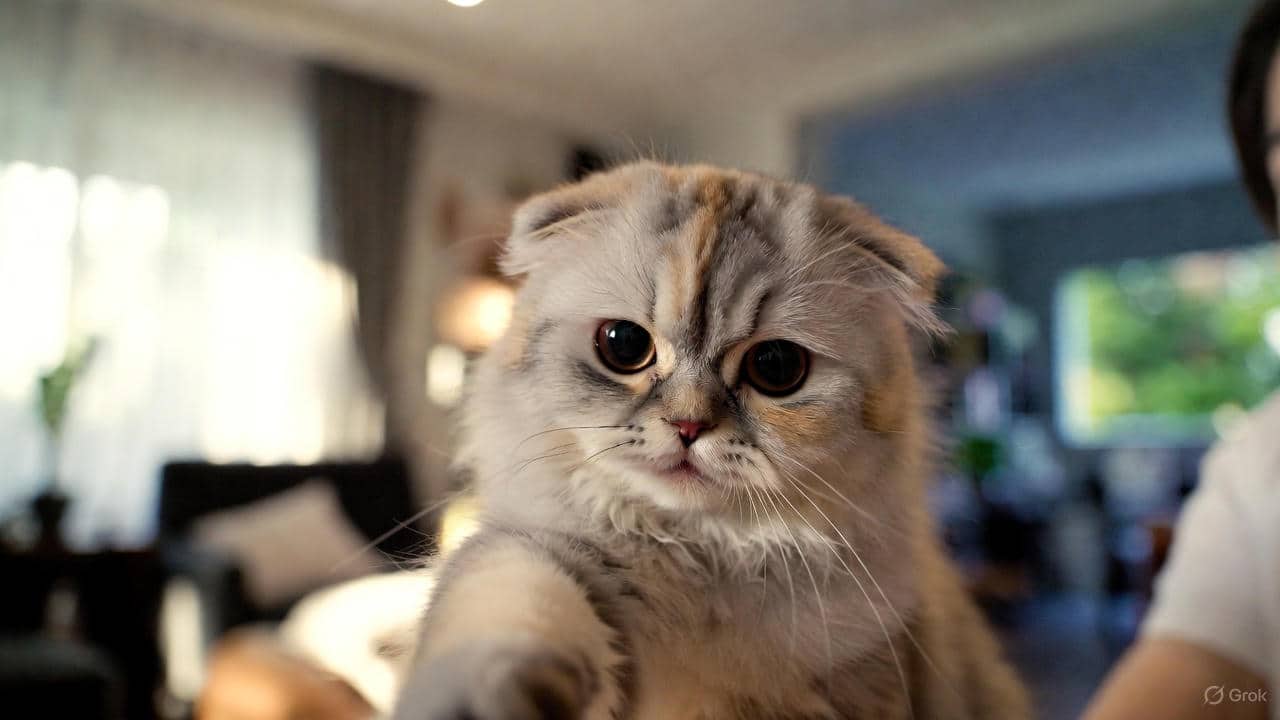
Hey there, cat lovers! If you’re anything like me, you’ve probably fallen head over heels for those adorable Scottish Fold cats with their signature folded ears and owl-like expressions. They’re the kind of feline that makes you stop scrolling on social media and go, “Aww, I need one!” But owning a Scottish Fold isn’t just about the cute factor—it’s a commitment to understanding their unique needs. In this comprehensive guide, we’ll dive deep into everything you need to know about these charming cats. From their fascinating breed history to daily care tips, grooming routines, diet recommendations, vet advice, and even those common health issues that every responsible owner should be aware of. Whether you’re a first-time cat parent or a seasoned enthusiast considering adding a Scottish Fold to your family, this article has got you covered. Let’s get started!
The Enchanting Breed History of Scottish Fold Cats
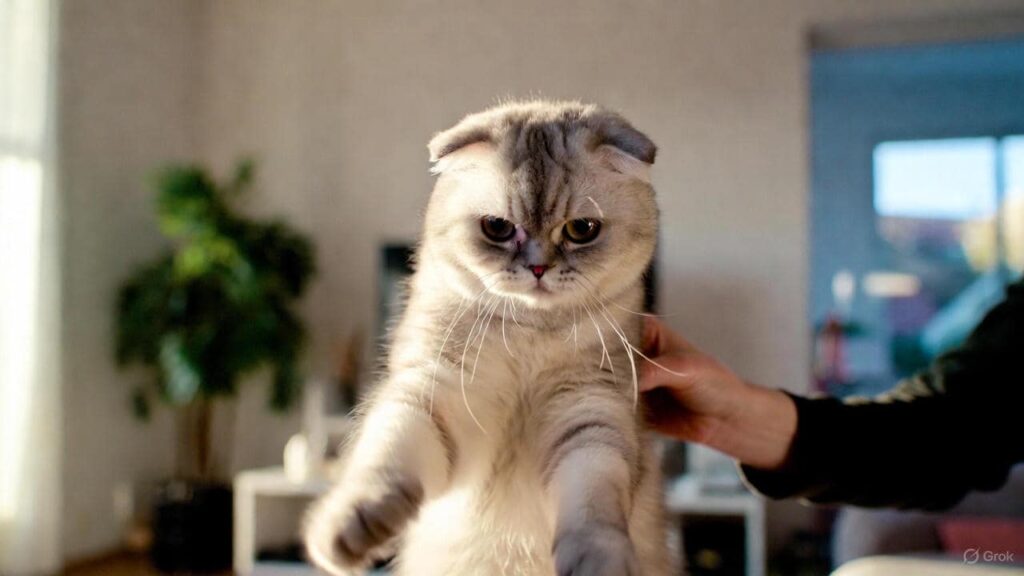
Let’s kick things off by traveling back in time to uncover the origins of the Scottish Fold cat. This breed didn’t just appear out of thin air; it has a story that’s as quirky as its appearance. The Scottish Fold’s tale begins in the 1960s on a farm in Scotland—specifically in the Tayside region. A shepherd named William Ross noticed a white barn cat named Susie with unusual folded ears. Susie wasn’t your average mouser; her ears folded forward and downward, giving her a perpetually surprised look. Intrigued, Ross and his wife Mary decided to breed Susie with a local British Shorthair, and thus, the first Scottish Fold kittens were born.
However, the breed’s development wasn’t without its twists and turns. Early on, breeders realized that breeding two folded-ear cats together often led to health problems, particularly with cartilage and joints. This discovery prompted a more careful approach to breeding. In fact, to this day, responsible breeders always mate a Scottish Fold with a straight-eared cat (often a Scottish Straight or British Shorthair) to maintain genetic diversity and reduce risks. This practice ensures that about half of the kittens in a litter will have the folded ears, while the others will have straight ones.
Moving forward, the breed gained popularity across the pond in the United States during the 1970s. American breeders like Salle Wolfe and others worked tirelessly to refine the breed, focusing on health and temperament. The Cat Fanciers’ Association (CFA) recognized the Scottish Fold in 1978, but not without controversy. Some organizations, like the Governing Council of the Cat Fancy (GCCF) in the UK, banned the breed in 1971 due to concerns over ear infections and skeletal issues. Despite this, the Scottish Fold has thrived in many parts of the world, becoming a beloved companion for families everywhere.
Interestingly, the folded ear trait comes from a natural genetic mutation affecting cartilage. It’s a dominant gene, but as I mentioned earlier, breeding practices are crucial. Over the years, Scottish Folds have been crossed with other breeds to enhance their coat varieties—long-haired versions are known as Highland Folds. Their colors range from classic white and black to tabby, calico, and even pointed patterns like those in Siamese cats. This diversity makes them even more appealing to cat fanciers.
But why the name “Scottish Fold”? Well, it’s pretty straightforward—the “Scottish” honors their origin, and “Fold” refers to those iconic ears. Famous Scottish Folds have popped up in pop culture too. Remember Maru, the internet sensation? While Maru is actually a Scottish Straight, his folded-eared cousins have starred in ads and memes alike. Taylor Swift’s cat, Olivia Benson, is a Scottish Fold, bringing even more spotlight to the breed.
As we transition into modern times, the Scottish Fold’s history teaches us a valuable lesson: ethical breeding is key. If you’re thinking about getting one, always choose a reputable breeder who prioritizes health testing. This not only supports the breed’s future but ensures your furry friend starts life on the right paw.
Daily Care Essentials for Your Scottish Fold Cat
Now that we’ve got the history down, let’s talk about the day-to-day stuff. Daily care for a Scottish Fold cat isn’t drastically different from other breeds, but their unique traits do call for some special attention. First and foremost, these cats are known for their affectionate, laid-back personalities. They’re often described as “Buddha cats” because they love lounging in funny positions, like sitting with their legs stretched out or perching on their hindquarters. This means they’re great for apartment living or families with a relaxed vibe.
However, don’t mistake their chill demeanor for low maintenance. Scottish Folds thrive on routine and interaction. Start your day with playtime—use feather wands or laser pointers to get them moving. They’re not hyperactive like some breeds, but regular exercise prevents obesity, which is a risk due to their sturdy build. Aim for 15-20 minutes of play twice a day. Additionally, provide scratching posts and climbing trees; even though they’re not the most athletic, they enjoy a good scratch and vantage point.
Litter box maintenance is another daily must. Scottish Folds are generally clean, but their folded ears can sometimes lead to more ear wax buildup, which we’ll cover in grooming. Keep the litter box scooped daily and completely changed weekly to avoid any urinary issues, which cats are prone to. Moreover, ensure fresh water is always available—consider a fountain to encourage drinking, as dehydration can sneak up on indoor cats.
Socially, these cats are people-oriented. They don’t like being alone for long periods, so if you’re away at work, consider a companion cat or interactive toys. My own experience with a Scottish Fold mix was eye-opening; she followed me everywhere, even “helping” with laundry by sitting in the basket. It’s endearing, but it means they need mental stimulation. Puzzle feeders or treat-dispensing balls can keep them engaged.
Furthermore, monitor their environment. Scottish Folds can be sensitive to extreme temperatures due to their dense coats. Keep your home between 68-75°F, and provide cozy beds in draft-free spots. In hotter climates, ensure they have cool areas to retreat to.
Transitioning to sleep routines, these cats often sync with their owners’ schedules. They might curl up at the foot of your bed, but if they have joint issues (more on that later), provide orthopedic beds for comfort.
Overall, daily care boils down to love, consistency, and observation. Watch for changes in behavior—like reduced appetite or lethargy—which could signal health concerns. With proper attention, your Scottish Fold will be a joyful, purring companion for years.
RELATED
Mastering the Grooming Routine for Scottish Fold Cats
Grooming might not be the first thing that comes to mind with Scottish Folds, especially the shorthaired variety, but it’s essential for their well-being. Their coats are plush and dense, which can lead to matting if neglected. For shorthairs, a weekly brush with a soft-bristle brush suffices, while longhaired Highland Folds need daily combing to prevent tangles.
Start with the basics: ears. Those folded ears are prone to wax and debris buildup because the fold reduces airflow. Clean them gently once a week using a vet-approved ear cleaner and cotton balls—never Q-tips, as they can damage the ear canal. If you notice redness or odor, it’s time for a vet visit.
Next, nails. Scottish Folds aren’t big scratchers by nature, but trim their nails every 2-3 weeks to prevent overgrowth. Use cat-specific clippers and reward with treats to make it positive. Additionally, dental care is crucial. Brush their teeth 2-3 times a week with enzymatic toothpaste to ward off plaque. Raw meaty bones or dental treats can help too.
Bathing? Rarely needed unless they’re dirty from outdoor adventures, but if you do, use a mild cat shampoo. Most Scottish Folds tolerate baths well if introduced early.
Moreover, eye care: Their round faces can lead to tear staining. Wipe around the eyes daily with a damp cloth.
To humanize this routine, think of it as bonding time. My friend’s Scottish Fold, Whiskers, turns grooming into play—he chases the brush like it’s a toy!
Incorporate seasonal adjustments: During shedding seasons (spring and fall), increase brushing to manage fur balls.
Finally, professional grooming every few months for longhairs can be a treat, but always choose groomers experienced with folds.
Optimal Diet and Nutrition for Scottish Fold Cats
Feeding your Scottish Fold right is like fueling a luxury car—you want premium quality to keep everything running smoothly. These cats have moderate energy levels, so their diet should balance proteins, fats, and carbs without excess calories to avoid weight gain.
Start with high-quality commercial cat food labeled for all life stages or specifically for adults. Look for meat as the first ingredient—chicken, turkey, or fish. Avoid fillers like corn or by-products. For kittens, higher protein (around 35-40%) supports growth, while seniors need joint-supporting additives like glucosamine.
Portion control is key. Feed adults 2-3 small meals a day, totaling about 200-300 calories based on weight (consult a vet for exacts). Wet food is great for hydration, especially if they’re prone to urinary issues.
Moreover, consider breed-specific needs. Scottish Folds can have sensitive digestion, so probiotics or fiber-rich foods help. Omega-3s from fish oil promote coat health and reduce inflammation.
Treats? In moderation—use them for training, but keep under 10% of daily intake.
Water intake: Always fresh, and consider adding broth to encourage it.
For special diets: If your cat has allergies, hypoallergenic options exist. Raw or homemade diets can work but require vet guidance to ensure balance.
Transitioning foods gradually over 7-10 days prevents tummy upsets.
In my circle, one owner swears by a mix of dry and wet for her Fold—it keeps things interesting and healthy.
Vet Advice and Preventive Health for Scottish Fold Cats
Vet care is non-negotiable for Scottish Folds due to their genetic predispositions. Schedule annual check-ups, more frequently for kittens and seniors.
Vaccinations: Core ones like rabies, FVRCP. Discuss lifestyle-based extras.
Spay/neuter: Around 4-6 months to prevent unwanted litters and health risks.
Parasite prevention: Monthly flea/tick/heartworm meds.
Dental exams: Regular cleanings if needed.
Moreover, genetic testing: Reputable breeders test for PKD and HCM, but confirm with your vet.
Emergency signs: Labored breathing, limping, or sudden aggression—rush to the ER.
Building a good vet relationship pays off. They can advise on breed-specific concerns.
Only one external link: For more on cat health, check the American Veterinary Medical Association’s resources here.
Common Health Issues in Scottish Fold Cats and How to Manage Them
No breed is perfect, and Scottish Folds have their share of health challenges, mainly from the fold gene affecting cartilage.
Osteochondrodysplasia (OCD): Causes joint pain, arthritis. Signs: Limping, reluctance to jump. Manage with pain meds, weight control, supplements like chondroitin.
Ear infections: Due to folds. Clean regularly, vet checks.
Polycystic Kidney Disease (PKD): Inherited; ultrasound screening helps.
Hypertrophic Cardiomyopathy (HCM): Heart thickening; echoes detect it.
Obesity: Monitor diet, exercise.
Urinary tract issues: Hydration key.
Additionally, dental disease: Brushing prevents.
Lifespan: 12-15 years with good care.
Early detection through vets is crucial. Ethical breeding reduces risks.
Stories from owners: Many live happy lives with management.
Training Tips for Scottish Fold Cats: Building a Strong Bond Through Positive Reinforcement

Training a Scottish Fold cat might not be the first thing that comes to mind when you think of this breed—they’re often celebrated for their sweet, easygoing nature rather than their athleticism or high energy. However, these intelligent and affectionate cats are surprisingly trainable. With the right approach, you can teach them everything from basic manners to fun tricks, while strengthening your bond and providing essential mental stimulation. In this expanded section, we’ll cover practical, step-by-step training tips tailored to Scottish Folds, focusing on their unique personality traits.
Why Training Matters for Scottish Folds
First and foremost, training isn’t about turning your cat into a circus performer (though some do learn impressive tricks!). It’s about preventing unwanted behaviors, keeping their minds active, and ensuring they feel secure in your home. Scottish Folds are people-oriented and moderately intelligent—they pick up on routines quickly and respond well to gentle guidance. Moreover, because they can be prone to joint issues later in life, early training that encourages gentle movement (without high jumps) sets them up for long-term comfort.
Additionally, mental enrichment through training helps combat boredom, which can lead to destructive habits like excessive scratching or vocalization. Since Scottish Folds aren’t as demanding as some breeds (like Bengals or Siamese), they won’t “train themselves” out of sheer energy, but they’ll thrive with your encouragement.
RELATED
The Golden Rule: Positive Reinforcement Only
Scottish Folds have sensitive, loving personalities, so harsh corrections or punishment will backfire—they might become fearful or withdrawn. Instead, always use positive reinforcement: reward desired behaviors with treats, praise, play, or affection immediately after they happen. Timing is crucial; cats live in the moment, so a reward delayed even by a few seconds loses its impact.
Recommended tools:
- High-value treats: Small, soft pieces of chicken, tuna, or commercial cat treats (low-calorie to avoid weight gain).
- Clicker: A small device that makes a distinct “click” sound to mark good behavior precisely.
- Toys: Wand toys or balls as rewards for play-based training.
Transitioning from theory to practice, let’s break down specific training areas.
Litter Box Training
Fortunately, most Scottish Fold kittens come litter-trained from reputable breeders, but accidents can happen, especially during transitions to a new home. To reinforce good habits:
- Place multiple litter boxes in quiet, accessible spots (one per cat plus one extra is ideal).
- Use unscented, clumping litter—Scottish Folds can be picky about textures.
- If an accident occurs, clean thoroughly with enzymatic cleaners to remove scent.
- Praise lavishly or offer a treat when they use the box correctly.
- Never rub their nose in messes; this confuses and stresses them.
With consistency, issues resolve quickly. Kittens under 6 months might need reminders as their bladders develop.
Scratching Post Training
Scratching is natural for cats—it sharpens claws, marks territory, and stretches muscles. Scottish Folds aren’t excessive scratchers, but redirecting them early prevents furniture damage.
- Provide variety: Tall vertical posts, horizontal cardboard scratchers, and sisal-wrapped options.
- Place posts near favorite sleeping spots and entrances (where they naturally scratch).
- Encourage use: Rub catnip on the post, dangle toys around it, or gently guide their paws (without forcing).
- When they scratch appropriately, reward with treats and “Good scratch!”
- For unwanted scratching: Use double-sided tape or citrus sprays on furniture as deterrents (cats dislike sticky or strong smells).
- Trim nails regularly to reduce damage if they slip up.
Over time, most Folds prefer their designated posts, especially if you make them the most appealing option.
Harness and Leash Training (For Safe Outdoor Adventures)
While Scottish Folds are indoor cats at heart (due to health risks and their laid-back nature), some owners enjoy supervised outdoor time. Harness training takes patience but is doable.
- Start young: Introduce a lightweight, figure-8 or H-style harness indoors.
- Let them wear it for short periods (5-10 minutes) while playing or eating to create positive associations.
- Gradually attach a leash and let them drag it around supervised.
- Once comfortable, gently guide them with treats as lures.
- Begin in a quiet indoor space, then move to a secure garden.
- Never force; if they’re resistant, stick to indoor enrichment.
This not only provides stimulation but also prepares them for vet visits or travel.
Teaching Fun Tricks
Scottish Folds’ calm intelligence makes them great for tricks that don’t require high energy.
- Sit: Hold a treat above their nose and move it back over their head—they’ll naturally sit. Click/mark and reward.
- High-Five or Paw: Start with “sit,” then hold a treat in your closed fist. When they paw at it, open and reward.
- Fetch: Many Folds enjoy this! Toss a soft ball or toy mouse, encourage retrieval with excitement, and reward returns.
- Come When Called: Use their name followed by a cue word like “here” during mealtimes. Reward arrivals consistently.
- Target Training: Teach them to touch a stick or your finger with their nose for treats—useful for guiding them into carriers.
Sessions should be short (5-10 minutes) and fun. End on a high note, even if progress is small.
Addressing Common Behavioral Challenges
- Excessive Meowing: Scottish Folds are moderately vocal with sweet, soft voices. If it increases, check for needs (food, attention, pain). Ignore attention-seeking meows but reward quiet behavior.
- Counter Surfing: Remove them gently and redirect to acceptable spots. Use puzzle feeders to satisfy curiosity.
- Play Biting: Redirect to toys; never use hands as playthings. Time-outs (brief isolation) can help if persistent.
- Separation Anxiety: Build tolerance gradually—start with short absences, leave puzzle toys or worn clothing with your scent.
For stubborn issues, consult a vet to rule out medical causes, then consider a certified cat behaviorist.
Advanced Tips for Success
Furthermore, incorporate training into daily routines. For example, ask for a “sit” before meals or treats—this teaches impulse control.
Socialization is a form of training too: Expose kittens gently to various people, sounds, and handling (ears, paws, mouth) to build confidence.
Moreover, clicker training accelerates learning. The click marks the exact moment of good behavior, bridging the gap to the reward.
Finally, be patient and consistent. Every cat is individual—some Scottish Folds master tricks in days, others take weeks. Celebrate small victories; the joy of a well-trained, happy Fold purring on your lap is worth every treat!
By investing time in these training tips, you’ll not only have a well-mannered companion but also deepen the special bond that makes Scottish Folds such beloved pets. If you’re just starting with a kitten, begin early for the best results—their adaptable nature makes it rewarding for everyone involved.
Living with a Scottish Fold: Family Dynamics and Compatibility
Great with kids, dogs if introduced properly.
However, supervise with toddlers.
Multi-cat homes: They get along well.
Allergies: Dense coat sheds moderately.
Adopting or Buying a Scottish Fold: What to Know
Adopt from shelters or buy from ethical breeders.
Costs: $500-$2000.
Questions to ask: Health tests, pedigree.
Additionally, consider rescues.
Fun Facts and Myths About Scottish Fold Cats
Myths: All have health issues— not true with good breeding.
Facts: They “talk” with chirps.
Famous owners: Ed Sheeran has one.
Conclusion: Is a Scottish Fold Right for You?
Wrapping up, Scottish Folds are wonderful if you’re prepared for their needs. From history to health, this guide covers it all. Remember, love and care make the difference.