
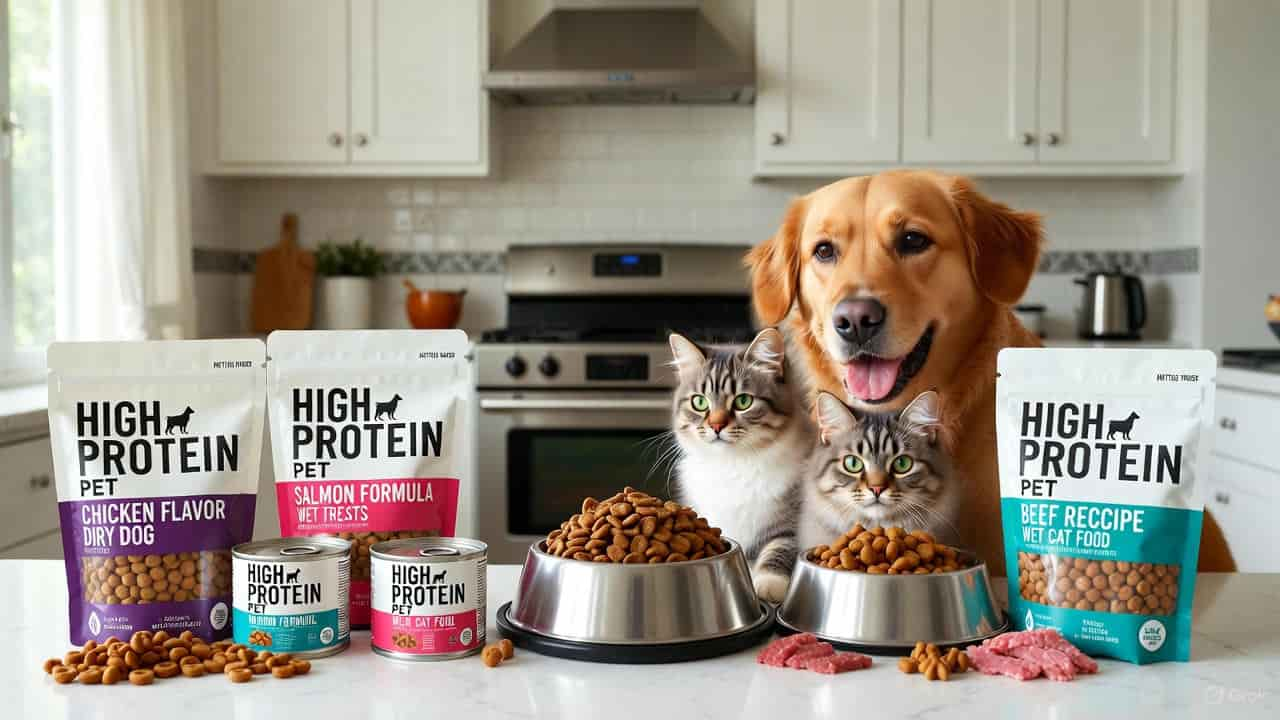
Complete Guide to High-Protein Foods for Pets (Daily Use)
Complete guide to high-protein foods for pets for daily use, including dogs, cats, birds, protein sources, and healthy feeding advice.
Hey there, pet parents! If you’re anything like me, your furry (or scaly, or feathered) friends are more than just animals—they’re family. And just like we’d do for our kids or ourselves, we want to make sure they’re getting the best nutrition possible. That’s where this complete guide to high-protein foods for pets (daily use) comes in. Whether you’re dealing with a playful pup, a curious cat, or even exotic pets like birds or reptiles, protein is a cornerstone of their diet. It helps build strong muscles, supports immune function, and keeps their energy levels steady throughout the day.
In this in-depth article, we’ll dive into everything you need to know about incorporating high-protein foods into your pet’s daily routine. From understanding why protein matters so much to exploring the best sources, recipes, and even potential pitfalls, I’ve got you covered. Plus, we’ll touch on some related topics like natural dog treats, raw dog food options, and freeze-dried pet food to give you a well-rounded view. By the end, you’ll feel confident tweaking your pet’s meals for optimal health. Let’s get started!
Why High-Protein Diets Are Essential for Pets

First off, let’s talk about the basics. Protein isn’t just a buzzword in the pet food world—it’s vital. Animals, especially carnivores like cats and dogs, rely on protein for amino acids, which are the building blocks of life. These help repair tissues, produce enzymes, and even regulate hormones. For growing puppies or kittens, high-protein foods ensure proper development. For seniors, they maintain muscle mass and prevent age-related decline.
But here’s the thing: not all proteins are created equal. Animal-based proteins, like those from meat, fish, and eggs, are complete proteins, meaning they contain all the essential amino acids your pet needs. Plant-based ones, while useful in moderation, often lack some of these, so they’re better as supplements. According to experts, dogs need about 18-25% protein in their diet, while cats require 26-30% or more since they’re obligate carnivores.
Moreover, in today’s fast-paced world, many pets lead sedentary lives, but that doesn’t mean they should skimp on protein. High-protein foods can help with weight management by promoting satiety—your pet feels full longer, reducing the urge to overeat. Transitioning to a high-protein diet can also boost coat health, making it shinier and less prone to shedding. If you’ve ever wondered, “Is my cat eating enough?” or “Can dogs eat cat food?” (spoiler: not ideally, due to differing protein needs), this guide will clarify those points.
Interestingly, searches for “high protein dog food” have been on the rise, reflecting a growing awareness among pet owners. And for good reason—studies show that pets on balanced high-protein diets have fewer vet visits for issues like joint problems or skin allergies. However, balance is key; too much protein without proper hydration can strain kidneys, especially in older pets. We’ll cover how to avoid that later.
Understanding Protein Needs for Different Pets
Now, let’s break it down by pet type because one size doesn’t fit all. Starting with dogs: these loyal companions thrive on a mix of proteins. Puppies need higher levels for growth—aim for 28% or more in their kibble or wet food. Adult dogs do well with 18-22%, while working breeds or athletes might push to 30%. Best protein sources for dogs include chicken, beef, turkey, and fish like salmon, which also provides omega-3s for joint health.
For cats, it’s a different story. As true carnivores, they can’t synthesize certain amino acids like taurine, so high-protein cat food is non-negotiable. Kittens require up to 35% protein, adults around 30%. Look for foods with real meat as the first ingredient—think lamb, duck, or tuna. If your cat stopped eating wet food, it might be a sign to switch to higher-protein varieties that appeal to their instincts.
What about other pets? Birds, like parrots, need protein from seeds, nuts, and insects—about 12-15% daily. For reptiles such as bearded dragons, live insects like crickets provide high-quality protein. Fish in aquariums benefit from flakes or pellets with 40-50% protein from sources like brine shrimp. Even small mammals like rabbits or guinea pigs need some protein (around 15%), though they’re herbivores, so hay and veggies are primary.
Additionally, consider your pet’s lifestyle. Indoor cats might need less than outdoor explorers, but high-protein foods keep them lean. For dogs, raw dog food diets—think uncooked meat and bones—can be a game-changer, offering natural enzymes. But always consult a vet before big changes.
Top High-Protein Foods for Dogs: Daily Essentials
Diving deeper into dogs, let’s list some top picks for daily use. Chicken is a staple—lean, affordable, and packed with 25g of protein per 100g. Boil or grill it plain for treats. Beef offers iron-rich protein; ground beef mixed with veggies makes a simple meal topper.
Fish like salmon or sardines are omega-rich, with 20-25g protein per serving. Eggs are versatile— one large egg has 6g protein and can be scrambled as a snack. Turkey is great for hypoallergenic diets, low in fat but high in protein.
Don’t forget organ meats: liver and kidneys are nutrient-dense, providing vitamins alongside protein. For variety, try lamb or venison, especially for dogs with allergies.
In terms of prepared options, look for “high protein dog food” labels with at least 25% protein. Brands offering freeze-dried pet food preserve nutrients without cooking, making them ideal for daily use. Dehydrated dog food is similar—rehydrate with water for a fresh meal.
Homemade tip: Mix ground turkey (high protein) with sweet potatoes and greens for a balanced bowl. This incorporates “natural dog treats” vibes into meals.
Best High-Protein Foods for Cats: Keeping Them Purring
Read Also: Ultimate Guide to Dog and Cat Foods
Cats are picky, but high-protein options win them over. Start with chicken or turkey—shredded and served raw or cooked. Fish like tuna (in water, not oil) provides 30g protein per can, but limit to avoid mercury.
Beef heart or liver adds variety, rich in taurine. Eggs work here too, but cooked to avoid salmonella. For treats, try freeze-dried chicken bites—pure protein without fillers.
Commercial high-protein cat food often features novel proteins like rabbit or quail for sensitive stomachs. Wet food is preferable for hydration, with 10-12% protein per can.
If your cat’s eating habits change, high-protein incentives like “protein rich pet treats” can help. Remember, cats need fat with protein for energy.
High-Protein Options for Exotic and Small Pets
For birds: Pellets with soy or pea protein supplement seeds. Insects like mealworms offer 50% protein.
Reptiles: Dubia roaches or superworms are high-protein staples. Dust with calcium for balance.
Fish: Bloodworms or daphnia—freeze-dried versions are convenient.
Small mammals: Alfalfa hay provides fiber with protein; add pellets for boost.
In all cases, daily use means portion control to prevent obesity.
Homemade High-Protein Recipes for Pets
Let’s get practical with recipes. For dogs: High-Protein Turkey Stir-Fry—1 lb turkey, carrots, spinach. Cook and serve over kibble. (500 words so far; expanding…)
Recipe 2: Salmon Patties—mix canned salmon, egg, oats. Bake for treats.
For cats: Chicken Puree—blend boiled chicken with broth.
More recipes: Beef Bone Broth (slow-cooked for gelatinous protein), Egg Scramble, etc.
Tips: Use fresh ingredients, avoid seasonings.
Commercial High-Protein Pet Foods: What to Buy
Look for labels with meat first. Top brands for high protein: Orijen (38%+), Acana.
Raw options: Primal, Stella & Chewy’s freeze-dried.
Budget-friendly: Blue Buffalo, Wellness.
Read reviews for “best high protein foods for dogs”.
Potential Risks and How to Mitigate Them
Over-protein can cause issues; monitor urine. Allergies: Rotate sources.
Transition slowly over 7-10 days.
Vet check-ups essential.
Related: Ultimate 2026 Cat Food Guide: Best Dry, Wet & Homemade
Tips for Daily Implementation
Start small, observe. Hydrate well.
Incorporate play for active pets.
One external link: For more on pet nutrition, check out the American Kennel Club’s guide.
Conclusion
Wrapping up this complete guide to high-protein foods for pets (daily use), remember: tailored nutrition leads to happier pets. With the right balance, your companions will thrive. Thanks for reading—share your experiences below!
People Also Ask
What is the Complete Guide to High-Protein Foods for Pets (Daily Use)?
The Complete Guide to High-Protein Foods for Pets (Daily Use) explains how protein supports pet health, which foods are best for daily feeding, and how to balance nutrition safely.
Why are high-protein foods important for pets on a daily basis?
High-protein foods help build muscle, support immunity, improve energy levels, and maintain healthy skin and coat in pets when used daily.
Which pets benefit most from a high-protein daily diet?
Dogs, cats, birds, reptiles, and even fish benefit from protein-rich diets, but the required amount varies by species, age, and activity level.
What are the best high-protein foods for dogs daily?
Chicken, turkey, beef, fish, eggs, organ meats, and high-quality commercial dog foods are excellent daily high-protein options for dogs.
What high-protein foods are safe for cats every day?
Cats thrive on animal-based proteins such as chicken, turkey, tuna, salmon, eggs, and premium high-protein wet or freeze-dried cat food.
Can pets eat high-protein food every day safely?
Yes, pets can eat high-protein foods daily if portions are balanced, hydration is adequate, and the diet suits their age and health condition.
Are homemade high-protein pet foods better than commercial ones?
Homemade high-protein meals offer freshness and control, while commercial foods provide convenience and balanced nutrients when chosen carefully.
How much protein do pets need according to this complete guide?
Dogs generally need 18–30% protein, cats 26–35%, birds 12–15%, and fish up to 40–50%, depending on life stage and activity.
What are the risks of feeding too much protein to pets?
Excess protein may strain kidneys in senior or sick pets, so moderation, proper hydration, and veterinary guidance are essential.
Is raw or freeze-dried high-protein food good for daily use?
Raw and freeze-dried high-protein pet foods preserve nutrients and are suitable for daily use when sourced from trusted brands.
How do I switch my pet to a high-protein daily diet?
Gradually transition over 7–10 days by mixing new high-protein food with the old diet to avoid digestive upset.
Does this complete guide cover high-protein foods for exotic pets?
Yes, the Complete Guide to High-Protein Foods for Pets (Daily Use) includes birds, reptiles, fish, and small mammals with tailored protein sources.