
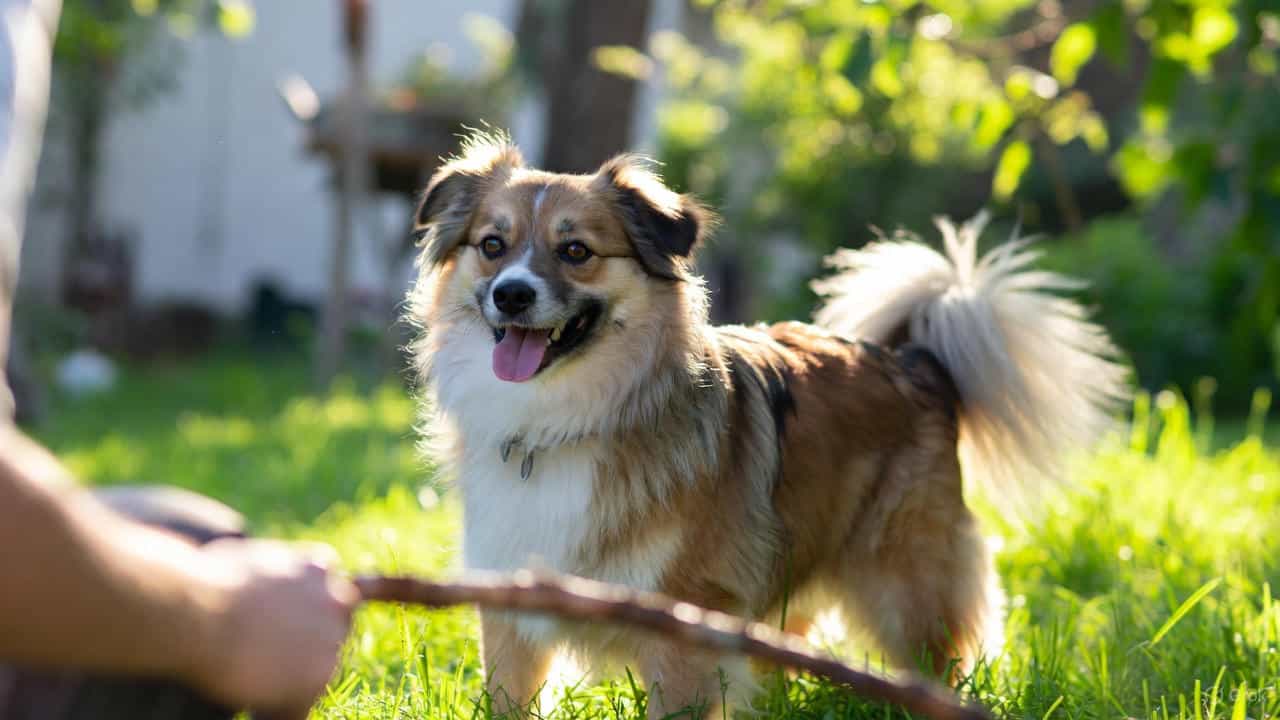
How to Keep Your Pet Dog in a Good Mood
Keeping your Pet Dog og in a good mood is essential for their emotional and physical well-being. Dogs experience emotions just like humans, and factors such as daily exercise, balanced nutrition, mental stimulation, social interaction, and a secure home environment all play a vital role in their happiness.
Hello, fellow dog parents! Your dog is more than a pet—he’s a beloved member of the family. There’s nothing quite like walking through the door and being greeted by an enthusiastically wagging tail and a joyful leap. Yet, we all have those days when our canine companion seems a little down: less playful, more withdrawn, or simply not their usual bubbly self. Over the years with my own dog, I’ve learned that maintaining a positive mood in dogs is entirely achievable with the right approach. In this detailed guide, we’ll cover practical, proven ways to keep your pet dog in a good mood every single day.
Dogs experience a wide range of emotions, including happiness, anxiety, boredom, and even mild depression. Their emotional well-being depends on a combination of physical health, mental stimulation, social interaction, and a supportive environment. The good news is that small, consistent efforts on your part can make a huge difference. Whether you’ve just welcomed a new puppy or you’ve been sharing your life with a senior dog for years, the strategies in this article will help you create a happier, more contented companion.
Recognizing the Signs of Your Dog’s Mood
The first step toward keeping your dog in a good mood is learning to read their emotional signals. A content dog typically displays relaxed ears, a softly wagging tail, a loose body posture, and a gently open mouth that almost looks like a smile. Conversely, signs of low mood can include a tucked tail, flattened ears, excessive yawning, hiding, reduced appetite, or unusual clinginess.
Every dog is an individual, and breeds differ in energy levels and temperament. A high-drive working breed like a German Shepherd will have different needs than a low-key companion breed like a Cavalier King Charles Spaniel. Age also matters: puppies overflow with energy, adult dogs seek balance, and seniors often prefer calm routines. By paying close attention to your dog’s daily patterns, you’ll quickly notice when something feels off and can address it promptly.
Your own emotional state influences your dog more than you might realize. Dogs are highly attuned to human moods and can mirror stress or anxiety. Creating a calm, positive atmosphere at home benefits both of you.
Related: Urban Living Made Easy: Best Low Maintenance Dog Breeds + Safety Precautions
Daily Exercise: The Foundation of Canine Happiness
Physical activity is one of the most powerful mood boosters for dogs. Regular exercise helps release pent-up energy, reduces stress hormones, and triggers the release of feel-good endorphins.
Aim for at least 30–60 minutes of exercise each day, adjusted to your dog’s age, breed, and health. Brisk walks provide essential sensory stimulation as your dog explores new smells and sights. Vary your routes to keep things interesting. Games such as fetch, tug, or frisbee add an element of fun and strengthen your bond.
For high-energy dogs, consider jogging, hiking, or agility practice. Lower-energy or older dogs often enjoy gentle swimming or leisurely strolls. On rainy days, indoor options like stair climbs, hallway fetch, or treadmill sessions (with proper training) work well.
Consistency matters most. Establishing a predictable exercise routine helps your dog feel secure and prevents behavioral issues caused by boredom or excess energy.
Feeding for Emotional and Physical Well-Being
A high-quality diet directly impacts your dog’s mood by supporting stable energy levels and brain health. Choose food with named animal proteins as the primary ingredient and include beneficial additives like omega-3 fatty acids, which support cognitive function and may reduce anxiety.
Maintain appropriate portion sizes to prevent obesity, which can lead to lethargy and discomfort. Feed at consistent times each day to create a sense of routine and security. Many owners find that splitting meals into two or three smaller portions helps maintain steady blood sugar and prevents mood dips.
Consider adding gut-health supplements such as probiotics if your dog experiences digestive upset, as emerging research links gut health to emotional well-being in dogs. Always discuss supplements with your veterinarian first.
Fresh, clean water must be available at all times. Some dogs enjoy interactive water fountains, which encourage drinking and add a playful element.
Social Connection and Quality Time
Dogs are inherently social animals who thrive on companionship. Regular positive interaction with you and other friendly dogs plays a vital role in emotional health.
Spend dedicated one-on-one time daily—whether through gentle grooming, massage, training sessions, or simply relaxing together on the couch. Physical touch releases oxytocin in both you and your dog, fostering feelings of safety and affection.
Arrange safe, supervised playdates or visits to well-managed dog parks if your dog enjoys canine company. Positive social experiences build confidence and provide mental enrichment.
Include your dog in family activities whenever possible, such as short car rides to pet-friendly stores or outdoor cafes. Feeling part of the pack reinforces their sense of belonging.
Read Also: Best Low-Energy Dogs for Laid-Back Pet Parents (Easy Care Breeds)
Mental Enrichment to Prevent Boredom
Mental stimulation is just as important as physical exercise. A mentally engaged dog is far less likely to develop frustration or destructive behaviors.
Food-dispensing toys, puzzle feeders, and treat-hiding games challenge your dog’s problem-solving skills and make mealtime more engaging. Scent work—hiding treats around the house or using scent kits—taps into a dog’s natural instincts and provides deep satisfaction.
Short, reward-based training sessions teach new commands or tricks and boost confidence. Many dogs love learning and take pride in mastering tasks.
Rotate toys regularly to maintain novelty. A basket of fresh options every few days keeps interest high without overwhelming your home.
Routine Veterinary Care and Health Monitoring
Preventive healthcare is essential for long-term happiness. Regular veterinary check-ups catch potential issues early, before they affect mood or comfort.
Stay current with vaccinations, parasite prevention, and dental cleanings. Pain from dental disease, arthritis, or undetected conditions is a common but hidden cause of behavioral changes.
Monitor your dog’s weight, coat condition, energy levels, and appetite. Sudden shifts warrant prompt veterinary attention.
For senior dogs or those with anxiety, discuss options such as joint supplements, calming aids, or behavioral consultations. Early intervention often restores quality of life quickly.
For reliable preventive care information, visit the American Kennel Club’s health resources:
👉 https://www.akc.org/expert-advice/health/
Creating a Comfortable and Secure Environment
Your home environment significantly influences your dog’s emotional state. Provide a quiet, cozy sleeping area with orthopedic bedding if needed, especially for older dogs.
Ensure access to safe chew toys and enrichment items throughout the day. Background sounds like soft music or white noise can mask stressful outdoor noises for sensitive dogs.
Maintain a comfortable temperature year-round and offer cooling mats in summer or warm blankets in winter.
Designate a safe retreat space—such as a crate with the door open or a covered bed—where your dog can relax undisturbed when they need downtime.
Final Thoughts: Building a Lifetime of Happiness
Keeping your pet dog in a good mood requires attention across multiple areas: exercise, nutrition, socialization, mental stimulation, health care, and environment. When these elements work together, you’ll notice a brighter, more engaged, and affectionate companion.
Every dog is unique, so observe what brings your individual dog the most joy and tailor your approach accordingly. The effort you invest returns tenfold in tail wags, playful zoomies, and unwavering loyalty.
Here’s to many joyful years with your four-legged best friend!