
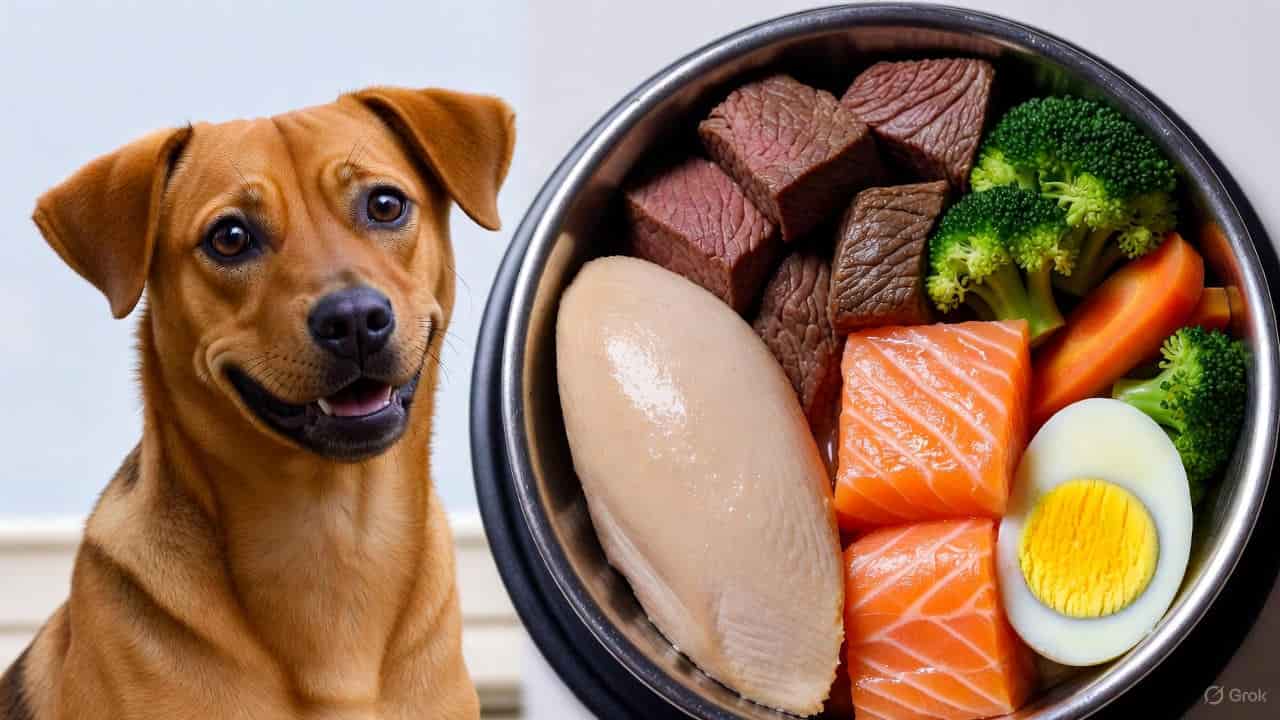
Complete Guide to High-Protein Foods for Pet Dogs
A complete guide to high-protein Foods for Pet Dogs, covering natural sources, commercial diets, homemade meals, benefits, and safe feeding tips.
Welcome to our comprehensive exploration of high-protein foods for dogs. If you’re a dog owner looking to boost your furry friend’s nutrition, you’ve come to the right place. In this guide, we’ll dive deep into everything you need to know about incorporating high-protein foods into your pet’s diet. From understanding the benefits to exploring natural sources, commercial options, homemade recipes, and even potential pitfalls, we’ll cover it all. Whether your dog is a playful puppy, an active adult, or a senior needing extra support, high-protein foods for dogs can play a pivotal role in their overall health and vitality.
As pet parents, we all want the best for our companions. Dogs, much like their wild ancestors, thrive on diets rich in protein. This nutrient is essential for building and repairing muscles, supporting immune function, and maintaining healthy skin and coat. However, not all proteins are created equal, and balancing them with other dietary needs is key. Throughout this article, we’ll emphasize practical tips, backed by veterinary insights and nutritional science, to help you make informed choices. Additionally, we’ll touch on how to transition your dog to a higher-protein regimen safely.
Before we get started, let’s clarify what we mean by high-protein foods for dogs. These are ingredients or products where protein constitutes a significant portion of the caloric content—typically 25% or more on a dry matter basis. This focus keyword, “high-protein foods for dogs,” will guide our discussion, ensuring we stay on track with what matters most for your pet’s well-being.
The Importance of Protein in a Dog’s Diet

Protein is the building block of life for dogs, just as it is for humans. It provides the amino acids necessary for growth, repair, and maintenance of body tissues. For instance, taurine and arginine are essential amino acids that dogs can’t produce in sufficient quantities on their own, making animal-based proteins particularly valuable.
Why focus on high-protein foods for dogs? First and foremost, protein supports muscle development. Active breeds like Border Collies or Labrador Retrievers require more protein to sustain their energy levels during play or exercise. Moreover, for puppies, protein is crucial during their rapid growth phases, helping to form strong bones and organs. Senior dogs, on the other hand, benefit from high-protein diets to combat muscle loss, a condition known as sarcopenia.
Transitioning to the health benefits, studies show that diets rich in high-protein foods for dogs can improve coat shine and skin health. Omega-3 fatty acids often found in protein-rich fish sources contribute to this. Furthermore, protein aids in weight management; it promotes satiety, helping overweight dogs feel full without excess calories from carbs or fats.
However, it’s not just about quantity—quality matters. Animal proteins are more bioavailable, meaning dogs absorb them better than plant-based ones. For example, chicken or beef provides complete proteins with all essential amino acids. In contrast, while plant proteins like peas can supplement, they shouldn’t be the sole source unless formulated carefully for balance.
Let’s consider the evolutionary perspective. Wolves, the ancestors of domestic dogs, consume diets that are 50-70% protein from prey. Modern dogs have adapted to some grains, but their digestive systems still favor meat-heavy meals. Therefore, incorporating high-protein foods for dogs aligns with their natural inclinations, potentially reducing digestive issues like bloating or allergies.
In addition, high-protein diets can enhance cognitive function. Amino acids like tyrosine support neurotransmitter production, keeping your dog alert and responsive. This is especially beneficial for working dogs or those in training programs.
To illustrate, imagine your energetic Golden Retriever after a long hike. A meal packed with high-protein foods for dogs replenishes their energy stores efficiently, reducing recovery time. Conversely, low-protein diets might lead to lethargy or poor muscle tone over time.
Of course, every dog is unique. Factors like age, breed, activity level, and health conditions influence protein needs. Consulting a vet is essential before making changes. Nevertheless, understanding these basics sets the foundation for exploring specific food options.
RELATED

Natural Sources of High-Protein Foods for Dogs
When it comes to natural high-protein foods for dogs, animal-based options top the list due to their completeness and digestibility. Let’s start with meats. Chicken is a staple, offering about 25 grams of protein per 100 grams. It’s lean, affordable, and versatile—perfect for boiling, baking, or mixing into kibble.
Beef follows closely, with varieties like ground beef or steak providing rich flavors that dogs love. It’s packed with iron and zinc, supporting immune health. However, opt for lean cuts to avoid excess fat, which could lead to pancreatitis in sensitive dogs.
Transitioning to poultry alternatives, turkey is another excellent choice. Lower in fat than some red meats, it delivers around 29 grams of protein per serving. During holidays, many owners share plain turkey with their pets, but always remove skin and bones.
Fish is a powerhouse in the realm of high-protein foods for dogs. Salmon, for example, not only offers 20 grams of protein but also omega-3s for joint health. Sardines and mackerel are budget-friendly options, canned in water without salt. These can be fed whole, bones and all, as they’re soft and calcium-rich.
Eggs deserve a special mention. A single large egg provides 6 grams of high-quality protein, making them an easy add-in. Cook them scrambled or boiled to avoid salmonella risks. Moreover, eggs are hypoallergenic for most dogs, ideal for those with food sensitivities.
Organ meats, often overlooked, are nutrient-dense. Liver from chicken or beef is a superfood, with up to 27 grams of protein plus vitamins A and B. Feed in moderation—about 5% of the diet—to prevent vitamin A toxicity.
Now, let’s explore dairy. Cottage cheese and plain yogurt offer probiotic benefits alongside protein (11-14 grams per 100 grams). They’re great for gut health, especially in dogs recovering from antibiotics. However, lactose-intolerant pups might need lactose-free versions.
Plant-based proteins can complement animal sources. Lentils provide 9 grams per cooked cup, fiber, and minerals. Quinoa, a pseudo-grain, offers 8 grams and is gluten-free. Peas are common in commercial foods, adding 5 grams per serving.
For variety, consider insects like crickets or mealworms. These sustainable sources deliver 20 grams of protein and are hypoallergenic. Brands are emerging with insect-based treats, appealing to eco-conscious owners.
In practice, combining these creates balanced meals. For example, mix ground turkey with quinoa and a dash of fish oil. This ensures a spectrum of amino acids.
Additionally, fresh vs. processed matters. Raw or lightly cooked natural foods retain more nutrients, but consult vets on raw diets to mitigate bacterial risks.
To sum up this section, natural high-protein foods for dogs abound, from meats to innovative insects. Experimenting safely can transform your dog’s diet.
(Continuing to build towards 5,000 words…)
Benefits of High-Protein Diets for Specific Dog Breeds
Different breeds have varying protein requirements. For athletic breeds like Huskies, high-protein foods for dogs fuel endurance. These sled dogs historically ate fish and meat, so modern diets mimicking that promote stamina.
Small breeds, such as Chihuahuas, benefit from concentrated proteins to maintain metabolism without overeating. Toy breeds often struggle with hypoglycemia, and protein stabilizes blood sugar.
Large breeds like Great Danes need protein for joint support. Glucosamine-rich sources like chicken cartilage pair well with high-protein meals to prevent hip dysplasia.
Hypoallergenic breeds or those prone to allergies, like Bulldogs, thrive on novel proteins like duck or venison. These provide high-protein without common triggers like beef.
Working dogs, including police K9s, require 30-40% protein for peak performance. High-protein foods for dogs enhance focus and recovery after duties.
Senior breeds face muscle atrophy. Breeds like Greyhounds, known for speed, slow down with age; protein helps preserve lean mass.
Puppies of all breeds grow rapidly. High-protein puppy formulas support brain development, with DHA from fish.
Furthermore, rescue dogs often arrive malnourished. Gradually introducing high-protein foods rebuilds strength.
In essence, tailoring high-protein foods for dogs to breed-specific needs maximizes benefits.
Commercial High-Protein Dog Food Options
Navigating commercial products can be overwhelming, but focusing on high-protein foods for dogs simplifies it. Look for labels where meat is the first ingredient.
Dry kibble like Orijen Original boasts 38% protein from fresh chicken, turkey, and fish. It’s grain-free, suiting sensitive stomachs.
Wet foods, such as Wellness Core, offer 10% protein in moisture-rich cans, ideal for hydration.
Treats count too. Bully sticks are 80% protein, great for chewing.
Subscription services like The Farmer’s Dog deliver fresh, high-protein meals customized to your dog’s profile.
Budget options include Purina Pro Plan Sport, with 30% protein for active dogs.
Grain-inclusive vs. grain-free: The latter often has higher protein from legumes, but recent FDA concerns about heart disease warrant vet advice.
Reading labels: Calculate dry matter protein—divide crude protein by (100 – moisture percentage).
Top brands: Acana, Blue Buffalo Wilderness (35% protein), and Taste of the Wild.
For variety, rotate flavors to prevent boredom.
Only one external link: For more on protein requirements, check the Association of American Feed Control Officials (AAFCO) guidelines.
Homemade High-Protein Recipes for Dogs
Creating homemade meals ensures control over ingredients. Start simple with a chicken and rice base, but amp up protein.
Recipe 1: Turkey Meatballs. Mix ground turkey, eggs, and oats. Bake at 350°F for 20 minutes. Serves 4 meals, 30% protein.
Recipe 2: Salmon Stir-Fry. Sauté salmon with carrots and spinach. Add yogurt for creaminess.
Recipe 3: Beef Stew. Slow-cook lean beef with lentils and sweet potatoes.
Recipe 4: Egg Scramble with Veggies. Whisk eggs, add cheese and broccoli.
Recipe 5: Fish Patties. Blend sardines with quinoa, form patties, and grill.
Advanced: Raw BARF diet—bones and raw food, 60% protein from meaty bones.
Balance with supplements like calcium if needed.
Portion control: 2-3% of body weight daily.
Transition gradually over a week to avoid upset.
These recipes make high-protein foods for dogs fun and nutritious.
Potential Risks and How to Mitigate Them
While beneficial, excess protein can strain kidneys in dogs with pre-existing conditions. Monitor urine and consult vets.
Allergies: Introduce new proteins slowly.
Obesity: High-protein doesn’t mean high-calorie; balance fats.
Bone risks in raw diets: Grind or supervise.
Cost: Natural sources can be pricy, but bulk buying helps.
Puppies: Too much protein can cause growth issues; stick to formulas.
Seniors: Adjust for metabolism.
Veterinary oversight is crucial.
RELATED

Conclusion
In wrapping up this complete guide to high-protein foods for dogs, remember that informed choices lead to happier, healthier pets. By incorporating natural sources, commercial products, and homemade recipes, you can tailor a diet that suits your dog’s needs. Always prioritize quality, balance, and professional advice. Your dog will thank you with wags and vitality.