
Best Cat Breeds Ideal for Cat Shows and Competitive Exhibitions
Cat shows highlight the beauty, temperament, and breed standards of pedigree cats. In this complete guide, discover the cat breeds ideal for cat shows, what judges look for, and how show-quality cats are prepared to stand out in competitive exhibitions.
Cat shows are not just beauty contests—they are a celebration of breed standards, genetics, grooming excellence, and feline temperament. From the moment a cat enters the show ring, judges evaluate every detail, including body structure, coat quality, eye color, posture, and confidence. While many cats are beautiful companions, only certain breeds consistently meet the demanding expectations of professional cat shows.
If you are an aspiring exhibitor, a breeder, or simply a cat enthusiast curious about show-quality felines, understanding which cat breeds are ideal for cat shows is essential. Moreover, success in the show world goes far beyond looks. Preparation, training, health management, and presentation all play a critical role.
In this comprehensive guide, we will explore the best cat breeds for competitions, what makes them stand out, how judges evaluate them, and what owners should know before entering the show circuit.
RELATED
What Makes a Cat Ideal for Cat Shows?
Before discussing specific breeds, it is important to understand what judges look for in competitive cat shows.
Breed Standards Matter
Each recognized cat breed has a written standard set by registries such as the Cat Fanciers’ Association (CFA) or The International Cat Association (TICA). These standards describe the ideal body shape, head structure, coat type, eye color, and overall balance.
Grooming and Presentation
Even genetically perfect cats can lose points if grooming is neglected. Therefore, coat condition, cleanliness, and presentation are essential factors in judging.
Temperament and Confidence
Equally important, show cats must tolerate handling, unfamiliar environments, bright lights, and noise. Calm, confident, and people-friendly cats often perform better in the ring.
1. Persian Cats
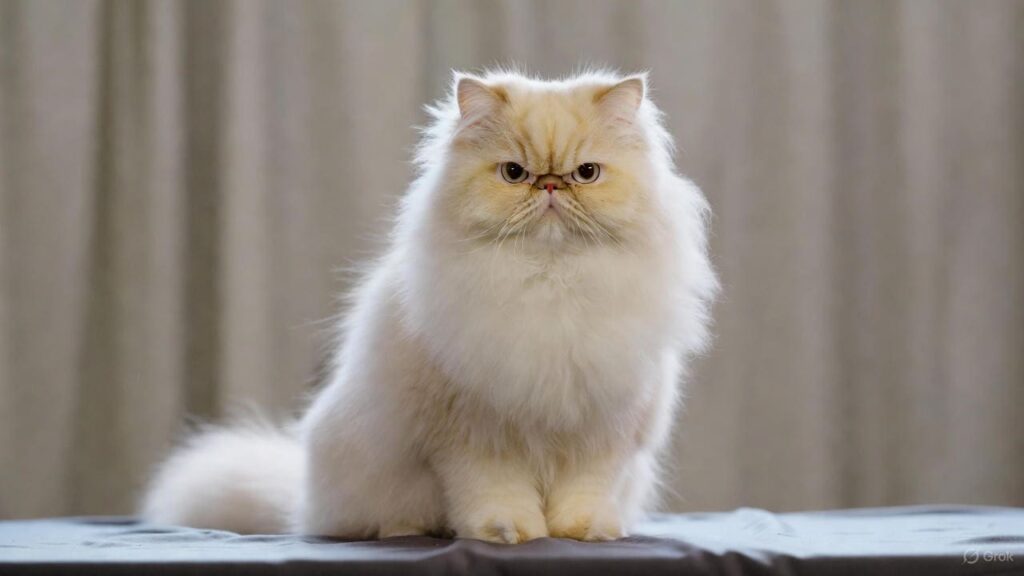
The Persian is one of the most iconic and recognizable show breeds in the world. Known for its flat face, large round eyes, and luxurious long coat, this breed has dominated cat shows for decades.
Why Persians Excel in Cat Shows
Persians are admired for their compact bodies, short noses, and perfect facial symmetry. Additionally, their calm and gentle temperament allows them to remain composed during judging.
Grooming Requirements
However, grooming a Persian is a serious commitment. Daily brushing, regular baths, and meticulous coat care are essential to achieve show-quality presentation.
Show Advantage
Because Persians naturally enjoy relaxed environments, they often remain calm under show conditions, which gives them an edge over more energetic breeds.
Fact: Persians were among the first breeds officially recognized by major cat registries.
2. Maine Coon Cats
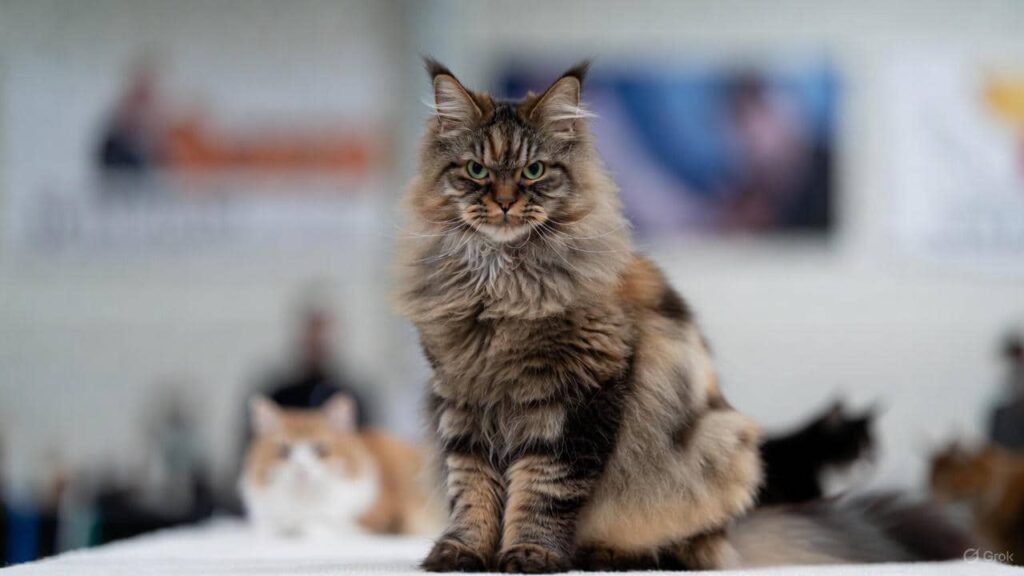
The Maine Coon is one of the largest domesticated cat breeds and a crowd favorite in cat shows.
Physical Characteristics
Maine Coons are known for their powerful rectangular bodies, tufted ears, bushy tails, and flowing semi-long coats. Their size alone creates a strong visual impact in the show ring.
Temperament for Shows
Despite their size, Maine Coons are gentle, friendly, and adaptable. As a result, they handle judging environments with confidence and curiosity rather than fear.
Coat and Grooming
Their coats are weather-resistant and easier to maintain than many long-haired breeds, although regular grooming is still required.
Transitioning to another popular breed, let’s explore a sleek and vocal show champion.
3. Siamese Cats

The Siamese is one of the oldest and most elegant cat breeds in show history.
Unique Appearance
Siamese cats are instantly recognizable due to their slender bodies, wedge-shaped heads, large ears, and striking blue almond-shaped eyes.
Show Ring Behavior
Unlike shy breeds, Siamese cats thrive on attention. They enjoy interaction with judges and often appear confident and expressive during evaluation.
Minimal Grooming Needs
Because of their short, fine coats, grooming is minimal. This allows exhibitors to focus more on training and conditioning.
Fact: Siamese cats’ color-point patterns are caused by temperature-sensitive pigmentation.
4. Bengal Cats
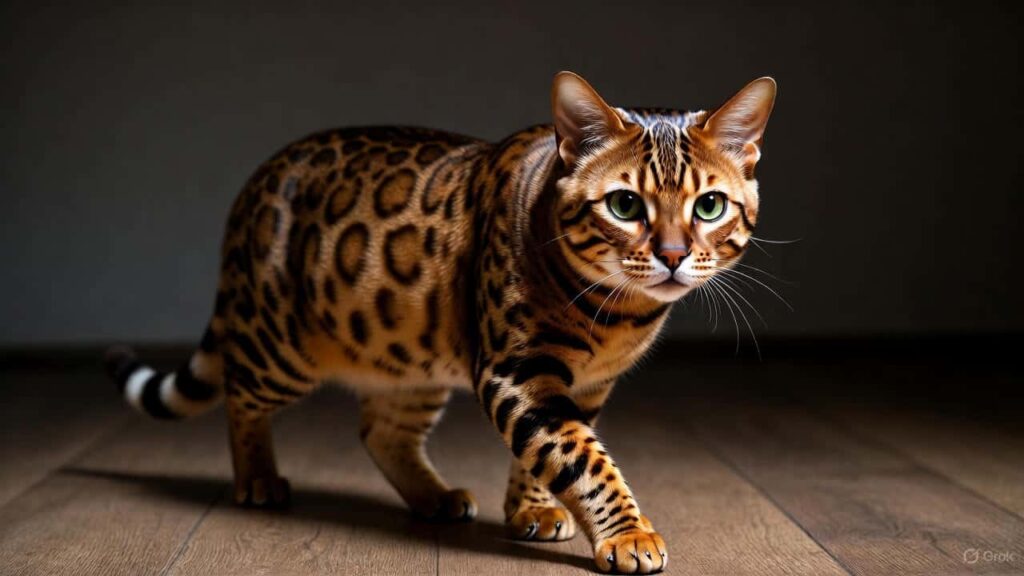
Bengals bring a wild and exotic appearance to cat shows.
Wild Beauty with Domestic Temperament
With their leopard-like spots or marbling, Bengals stand out immediately. Their muscular build and glossy coat create a dramatic show presence.
Judging Strengths
Judges value Bengals for their strong contrast, athletic movement, and confident posture. Moreover, their short coats highlight body structure perfectly.
Grooming Simplicity
Compared to many show breeds, Bengals require very little grooming, making them ideal for owners new to competitions.
Fact: Bengals achieved championship status after meeting strict domestic lineage requirements.
5. British Shorthair Cats
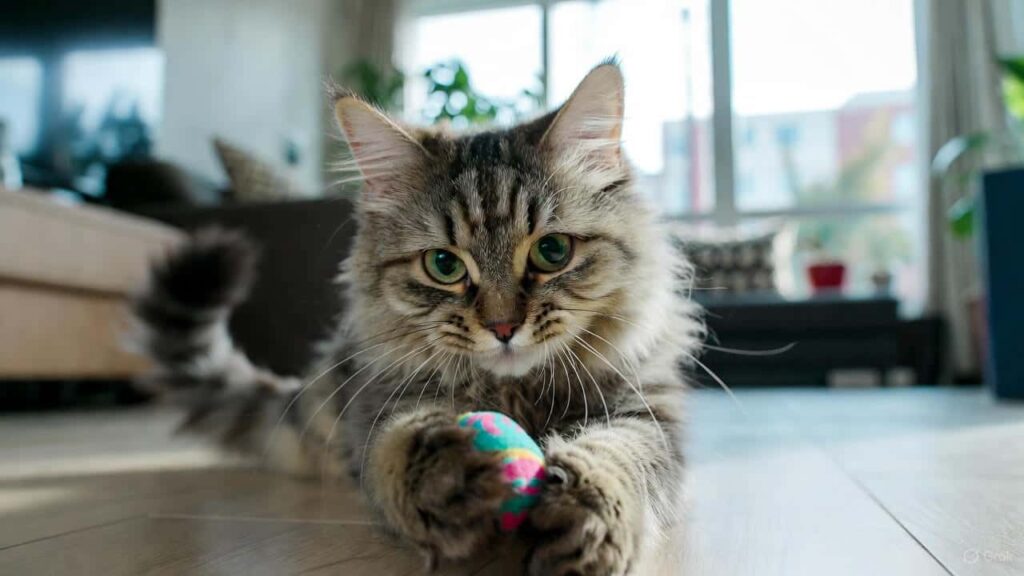
The British Shorthair is known for its plush coat, round face, and sturdy build.
Calm Show Temperament
One of the biggest advantages of this breed is its composed nature. British Shorthairs remain relaxed in unfamiliar environments, allowing judges to assess them easily.
Training for Shows
While not overly energetic, they respond well to early socialization and gentle training, which improves show performance.
Grooming Needs
Their dense coat requires regular brushing but far less maintenance than long-haired breeds.
6. Ragdoll Cats
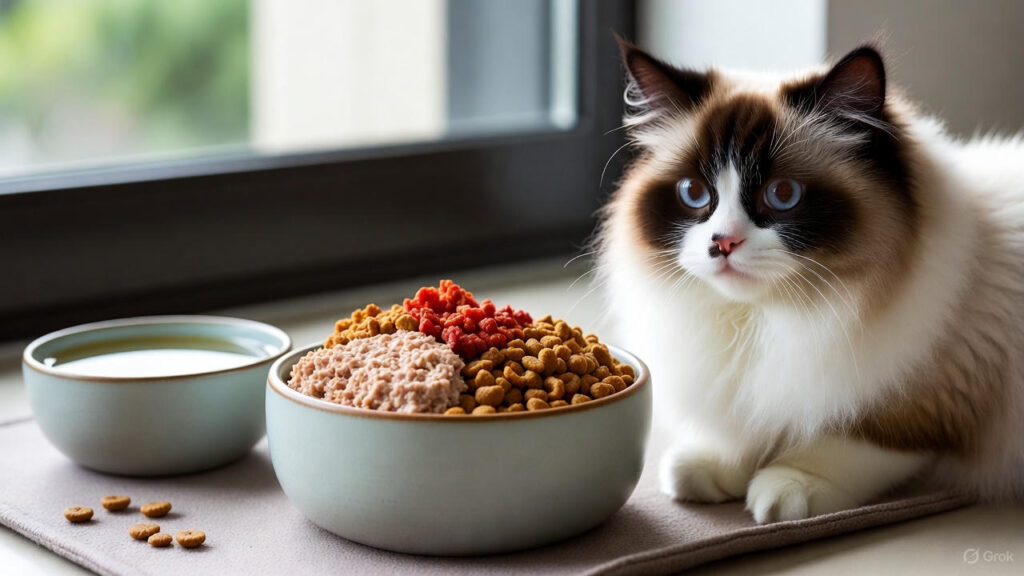
Ragdolls are often described as gentle giants, making them well-suited for the show circuit.
Elegant Presentation
Ragdolls have large frames, silky semi-long coats, and vivid blue eyes. Their balanced structure and soft expressions align well with breed standards.
Temperament Advantage
They are famously relaxed and tolerant of handling, which gives them a significant advantage during judging.
Health Considerations
Responsible breeding is critical, as judges also evaluate overall health and condition.
7. Abyssinian Cats
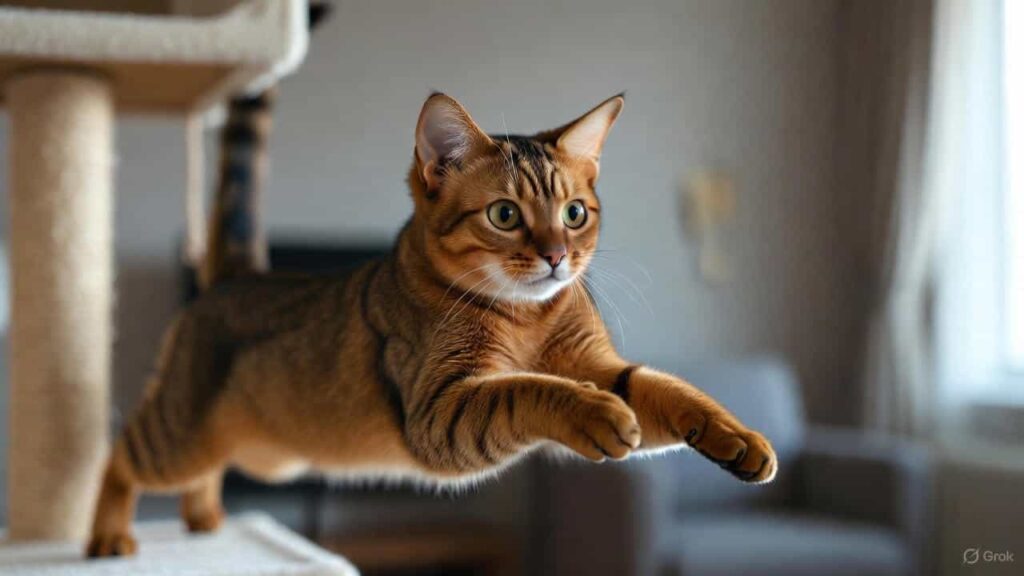
The Abyssinian is one of the oldest known cat breeds and a favorite among judges who value athletic elegance.
Sleek and Athletic Build
Abyssinians have short, ticked coats that lie close to the body, highlighting muscle tone and balance.
Ideal for Beginners
Because grooming is minimal and temperament is confident, Abyssinians are excellent choices for first-time exhibitors.
Show Presence
Their alert expressions and graceful posture naturally attract attention in the ring.
Preparing Your Cat for Cat Shows
Even if you choose one of the best cat breeds ideal for cat shows, preparation is crucial.
Early Socialization
Expose kittens to handling, grooming tools, and new environments early.
Grooming Routine
Establish a consistent grooming schedule tailored to the breed’s coat type.
Health and Nutrition
High-quality nutrition supports coat condition, muscle tone, and overall vitality—key judging factors.
Practice Handling
Simulate show conditions at home to help your cat feel comfortable during evaluations.
Common Mistakes New Exhibitors Make
- Entering cats without understanding breed standards
- Neglecting grooming details
- Ignoring temperament training
- Choosing breeders without health testing
Avoiding these mistakes significantly improves show outcomes.
RELATED
External Authority Reference
For official breed standards and show regulations, exhibitors often refer to guidelines published by the Cat Fanciers’ Association (one external reference):
https://cfa.org
Final Thoughts
Choosing from the cat breeds ideal for cat shows is the first step toward success in the competitive feline world. However, true excellence comes from combining strong genetics with proper grooming, training, health care, and presentation.
Whether you admire the luxurious Persian, the powerful Maine Coon, the elegant Siamese, or the athletic Abyssinian, each breed brings unique strengths to the show ring. With patience, preparation, and passion, cat shows can become a rewarding experience that celebrates both beauty and responsible breeding.
If you are serious about entering the show circuit, start with the right breed—and then commit fully to the journey.