

These 5 Birds Use Sound to Communicate — The Results Are Amazing
Communication is one of the most fascinating abilities in the natural world. While humans rely heavily on spoken language, animals have developed their own complex systems to share information, express emotions, and survive in challenging environments. Among all creatures, birds stand out as some of the most advanced communicators on Earth.
In fact, many birds that use sound to communicate can deliver messages that are surprisingly detailed, emotional, and purposeful. From warning their flock about danger to attracting a lifelong mate, bird sounds are far more than simple chirps. They are structured, meaningful, and, in some cases, shockingly intelligent.
In this in-depth guide, we will explore five incredible birds that use sound to communicate, uncover how their vocal systems work, and explain why their communication abilities continue to amaze scientists and bird lovers alike.
Why Sound Communication Is So Important for Birds
Before we explore specific species, it is important to understand why sound plays such a vital role in avian life.
Unlike mammals, birds often live in wide-open spaces such as forests, wetlands, and skies where visual signals are not always effective. Sound, however, can travel long distances, pass through dense foliage, and work even in darkness. As a result, vocal communication has become essential for bird survival.
Bird sounds serve multiple purposes, including:
- Attracting mates
- Defending territory
- Warning others of predators
- Coordinating flock movement
- Identifying family members
- Expressing stress or excitement
Because of this, birds have evolved highly specialized vocal organs and learning abilities that rival even some mammals.
RELATED

How Birds Produce Sound: A Quick Overview
Birds do not have vocal cords like humans. Instead, they use a unique organ called the syrinx, located at the base of their trachea. This remarkable structure allows birds to produce multiple sounds simultaneously and control pitch with incredible precision.
As a result, some birds can:
- Sing two notes at once
- Mimic human speech
- Reproduce environmental sounds
- Change tone and rhythm intentionally
This biological advantage is one reason birds that use sound to communicate are considered among nature’s most skilled vocalists.
1. Parrots – Masters of Vocal Learning
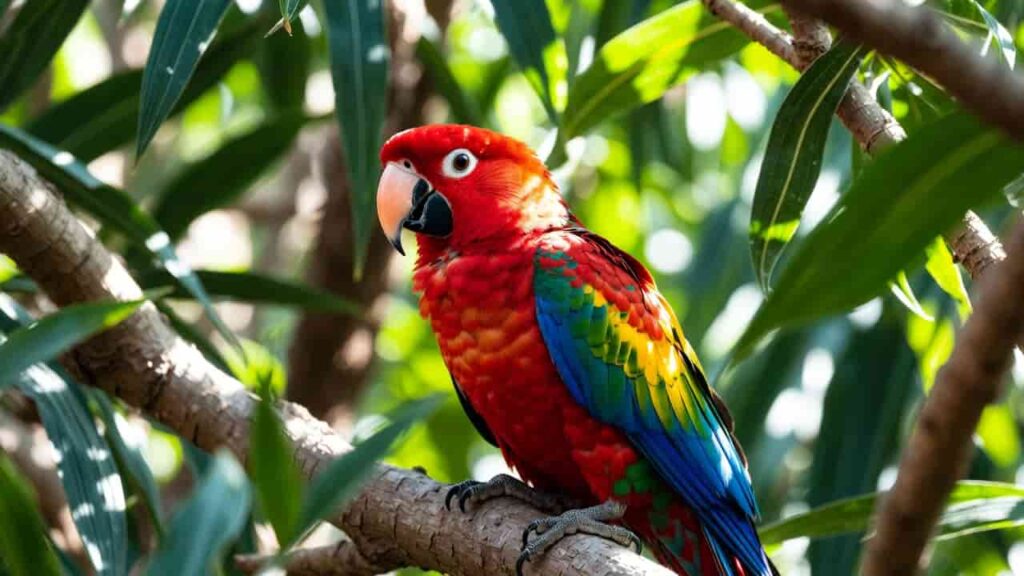
When people think about talking birds, parrots are usually the first to come to mind—and for good reason.
Why Parrots Are Exceptional Communicators
Parrots are among the most intelligent birds in the world. Unlike many species that rely solely on instinctive calls, parrots are vocal learners. This means they can learn new sounds by listening and repeating, much like humans.
More importantly, research suggests that parrots do not just mimic sounds randomly. Instead, they often associate specific sounds with meanings, emotions, or outcomes.
How Parrots Use Sound to Communicate
Parrots use sound for:
- Social bonding with flock members
- Identifying individuals by unique calls
- Expressing emotions like excitement, fear, or curiosity
- Requesting food or attention
- Warning others of danger
In captivity, parrots often adapt human words into their communication system. Famous examples, such as African Grey parrots, have demonstrated the ability to understand colors, shapes, numbers, and even simple concepts.
Why Their Communication Is Amazing
What makes parrots truly extraordinary is their ability to contextually use sound. In other words, they are not just repeating noises—they are communicating intentionally.
This places parrots among the most advanced birds that use sound to communicate in the animal kingdom.
2. Songbirds – Nature’s Composers
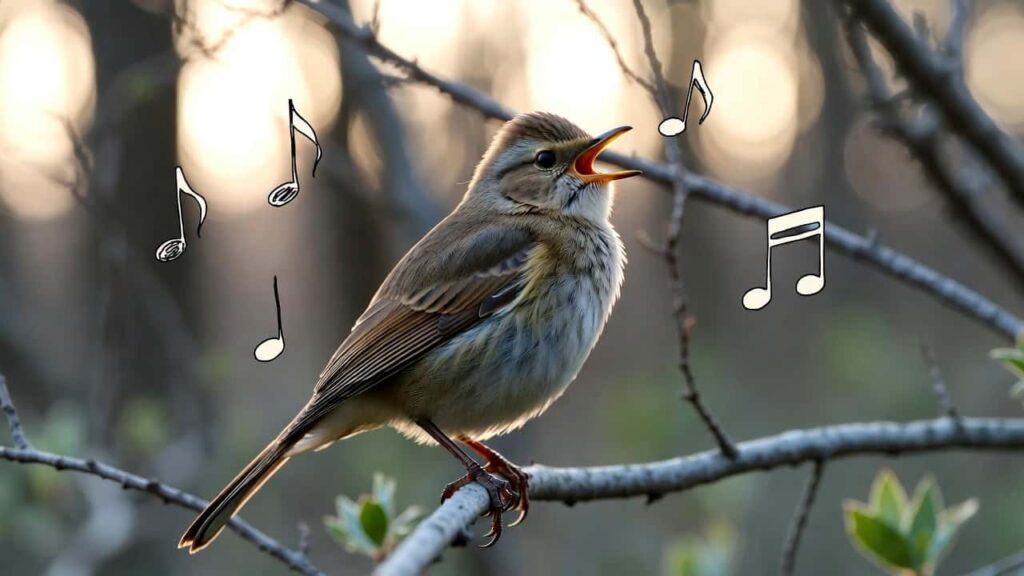
Songbirds, also known as passerines, make up more than half of all bird species. From sparrows to nightingales, these birds are famous for their complex melodies.
The Science Behind Songbird Songs
Songbirds learn their songs in stages, similar to how human children learn language. Young birds listen to adult “tutors,” practice imperfect versions, and gradually refine their songs.
This learning process involves:
- Memory
- Auditory feedback
- Social interaction
Because of this, songbirds are frequently studied by neuroscientists interested in speech development.
What Songbirds Communicate Through Sound
Songbirds use sound to communicate:
- Territorial boundaries
- Physical fitness to potential mates
- Species identity
- Social status
Interestingly, female birds often prefer males with more complex songs, as this indicates strong genetics and good health.
Why Their Results Are Amazing
Some songbirds can sing hundreds of unique song variations. Others can improvise melodies based on environmental changes. This musical adaptability makes them some of the most impressive birds that use sound to communicate naturally.
3. Ravens – Problem Solvers With a Voice

Ravens are often misunderstood as simple scavengers. In reality, they are among the smartest birds on the planet.
Raven Intelligence and Communication
Ravens possess advanced cognitive skills, including problem-solving, memory, and planning. Their vocal communication reflects this intelligence.
They can produce over 30 distinct vocalizations, each serving a specific purpose.
How Ravens Use Sound to Communicate
Ravens use sound to:
- Alert others about food sources
- Warn of predators
- Express dominance or submission
- Strengthen social bonds
- Coordinate group behavior
Some studies suggest that ravens can remember which individuals previously helped or harmed them and adjust their calls accordingly.
Why Ravens Stand Out
Unlike many birds, ravens adjust their vocalizations based on audience and context. This strategic use of sound places them among the most intelligent birds that use sound to communicate effectively.
4. Lyrebirds – The Ultimate Sound Mimics

If imitation were an Olympic sport, the lyrebird would win gold every time.
What Makes Lyrebirds Unique
Lyrebirds are legendary for their ability to mimic almost any sound they hear, including:
- Other bird species
- Camera shutters
- Chainsaws
- Car alarms
- Human voices
However, this mimicry is not random. Male lyrebirds use these sounds as part of elaborate mating displays.
Communication Through Imitation
Lyrebirds combine mimicked sounds into complex performances designed to impress females. The more accurate and diverse the sounds, the more attractive the male becomes.
Why Their Communication Is Mind-Blowing
Lyrebirds demonstrate how sound communication can be both functional and artistic. Their performances blur the line between survival behavior and creative expression, making them unforgettable birds that use sound to communicate.
5. Chickadees – Small Birds, Big Messages
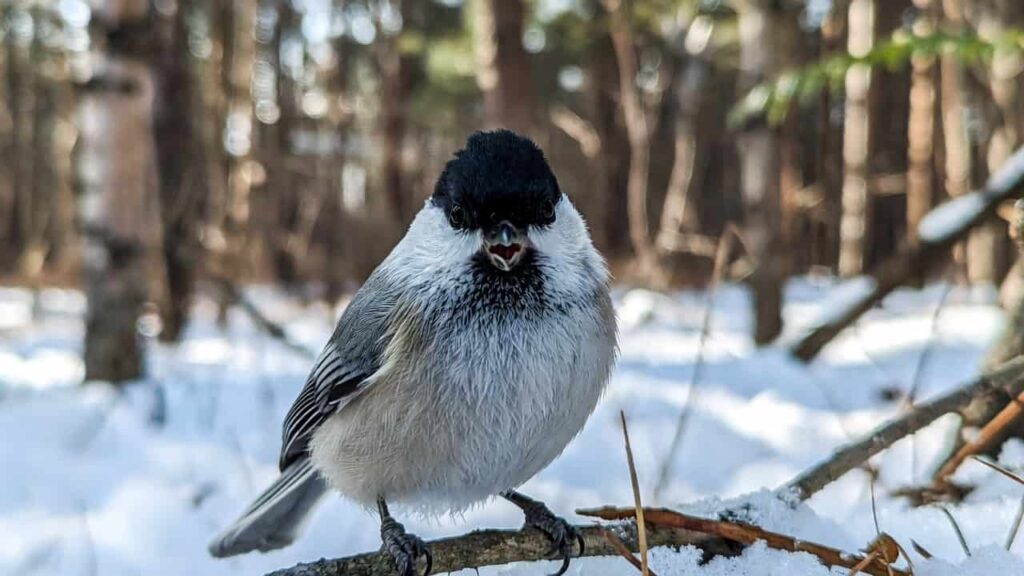
At first glance, chickadees may seem ordinary. However, their communication system is one of the most sophisticated relative to body size.
The Meaning Behind “Chick-a-dee-dee-dee”
The familiar chickadee call is not just a name—it is a coded message.
- The number of “dee” notes changes based on threat level
- More “dee” notes indicate a higher danger
- Different predators trigger different calls
This allows other birds, even of different species, to understand the warning.
RELATED

Why Scientists Are Amazed
Chickadees essentially use syntax, adjusting sound patterns to convey specific information. This level of detail is rare and impressive among birds that use sound to communicate.
How Birds Understand Each Other’s Sounds
One fascinating aspect of bird communication is cross-species understanding. Many birds recognize alarm calls from other species and respond appropriately.
This shared “language” increases survival chances and highlights how deeply sound is embedded in avian ecosystems.
For broader conservation insights into bird behavior and communication, organizations like the Audubon Society provide valuable educational resources:
https://www.audubon.org
Why Bird Sound Communication Matters to Humans
Studying birds that use sound to communicate helps scientists understand:
- The evolution of language
- Brain plasticity
- Social intelligence
- Environmental health
Birdsong patterns can even indicate climate change, habitat loss, and ecosystem stress.
Moreover, birds remind us that communication does not require words—it requires connection.
Final Thoughts: The Hidden Language Above Us
Birds fill our world with sound, yet most of us rarely stop to listen. When we do, we discover a hidden language filled with emotion, intelligence, and purpose.
From parrots that understand meaning to chickadees that encode danger levels, these birds that use sound to communicate prove that nature’s voices are far more powerful than we imagine.
The results truly are amazing—and they are happening all around us, every single day.