5 Reliable Companion Dog Breeds for a Peaceful Senior Lifestyle
Looking for a calm and loving dog to match a peaceful senior lifestyle? This guide explores reliable companion dog breeds for seniors that offer emotional support, gentle routines, and stress-free companionship without high maintenance or excessive energy.
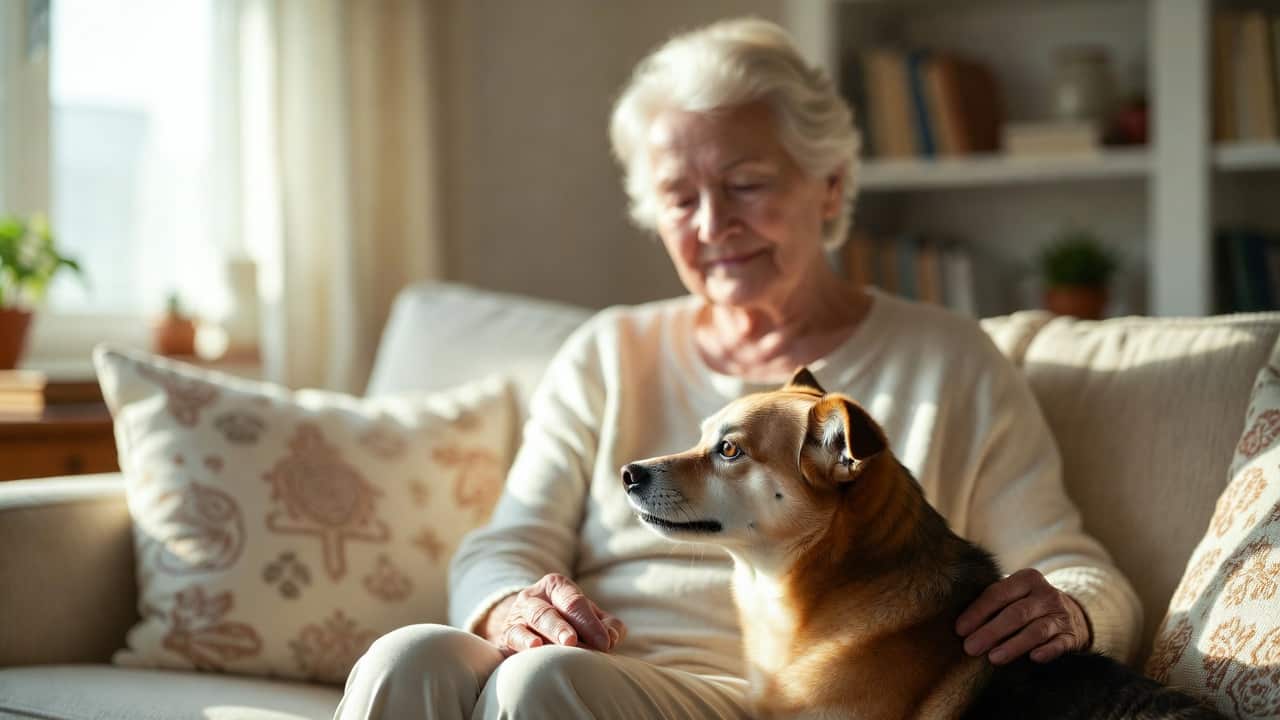
A peaceful senior lifestyle is built on comfort, routine, emotional security, and meaningful companionship. For many older adults, a dog becomes far more than a pet—it becomes a trusted friend, a daily motivator, and a quiet source of joy. However, not every dog breed is suitable for seniors. Energy levels, temperament, grooming needs, and health considerations all matter more than ever at this stage of life.
This is why choosing reliable companion dog breeds for seniors is essential. The right dog can reduce loneliness, encourage light physical activity, and provide emotional stability without overwhelming daily routines. On the other hand, the wrong choice may lead to stress, fatigue, or unmanageable responsibilities.
In this in-depth guide, we explore five carefully selected dog breeds known for their calm nature, loyalty, adaptability, and senior-friendly care requirements. Additionally, you will learn how companionship dogs improve senior well-being, what traits truly matter when selecting a dog later in life, and how to create a peaceful home environment for both you and your canine companion.
Why Dogs Are Especially Beneficial for Seniors
As people age, social circles often shrink, physical activity may decline, and feelings of isolation can increase. Fortunately, dogs naturally fill many of these emotional and lifestyle gaps.
Emotional Stability and Reduced Loneliness
First and foremost, dogs offer unconditional companionship. Their consistent presence can reduce feelings of loneliness and anxiety. Seniors living alone often report improved mood and emotional balance after adopting a dog.
Encouragement of Gentle Physical Activity
Moreover, dogs encourage daily movement. Even short walks or light play sessions help maintain mobility, joint health, and cardiovascular wellness—without the pressure of intense exercise.
Mental Health and Cognitive Benefits
In addition, caring for a dog introduces structure and purpose. Feeding schedules, grooming routines, and daily interaction help keep the mind engaged and focused, which can be particularly valuable for seniors experiencing mild cognitive decline.
RELATED
What Makes a Dog Breed Ideal for Seniors?
Before discussing specific breeds, it is important to understand what defines a senior-friendly dog. Contrary to popular belief, size alone does not determine suitability.
Key Traits to Look For
- Calm and predictable temperament
- Low to moderate exercise requirements
- Strong bonding and affectionate nature
- Minimal grooming complexity
- Trainability and emotional sensitivity
- Lower tendency for excessive barking
Reliable companion dog breeds for seniors tend to be emotionally intuitive, adaptable to slower routines, and content with simple pleasures like sitting nearby or enjoying short walks.
1. Cavalier King Charles Spaniel
The Cavalier King Charles Spaniel consistently ranks among the most reliable companion dog breeds for seniors, and for good reason.
Temperament and Personality
This breed is gentle, affectionate, and deeply people-oriented. Cavaliers thrive on human connection and are happiest when sitting beside their owner, offering quiet companionship throughout the day.
Helpful Resources
https://www.akc.org/expert-advice/lifestyle/best-dogs-for-seniors/
Exercise and Care Needs
Although they enjoy short walks, Cavaliers do not require intense activity. A relaxed daily stroll and indoor play are more than sufficient. Grooming is moderate, requiring brushing a few times per week.
Why Cavaliers Are Ideal for Seniors
- Naturally calm and emotionally sensitive
- Adapt well to apartments and smaller homes
- Rarely aggressive or overly demanding
- Excellent emotional support companions
For seniors seeking a loving dog that blends seamlessly into a peaceful lifestyle, the Cavalier is an exceptional choice.
2. Shih Tzu
The Shih Tzu has long been associated with companionship and indoor living, making it another standout among reliable companion dog breeds for seniors.
Temperament and Behavior
Shih Tzus are friendly, patient, and remarkably adaptable. They are content lounging indoors and enjoy gentle interaction rather than constant activity.
Exercise and Grooming Considerations
Their exercise needs are minimal. Short daily walks and indoor movement keep them healthy. Grooming can be maintained through regular trims, making coat care manageable for seniors.
Senior-Friendly Advantages
- Calm and stable personality
- Strong bonding without excessive dependency
- Excellent lap dog qualities
- Low prey drive and gentle disposition
As a result, Shih Tzus are particularly well-suited for seniors who prefer a relaxed, low-stress companion.
3. Bichon Frise
The Bichon Frise is often overlooked, yet it remains one of the most reliable companion dog breeds for seniors seeking cheerfulness without chaos.
Emotional Intelligence and Sociability
Bichons are affectionate, emotionally aware, and naturally cheerful. They respond well to human moods and often provide comfort simply by staying close.
Activity and Maintenance
Although playful, Bichons do not demand high activity levels. Short walks and light play sessions are sufficient. Additionally, their low-shedding coat is ideal for seniors concerned about allergies.
Why Seniors Love the Bichon Frise
- Positive, uplifting temperament
- Strong attachment to owners
- Suitable for allergy-sensitive households
- Small size with sturdy build
Consequently, the Bichon Frise offers emotional warmth while remaining easy to manage.
4. Pug
Pugs are known for their expressive faces and affectionate personalities, making them a favorite among seniors worldwide.
Personality Traits
Pugs are calm, loving, and highly adaptable. They thrive on companionship rather than activity and are content simply being near their owner.
Exercise and Health Considerations
While pugs require careful monitoring in hot climates, their exercise needs are minimal. Short walks and indoor movement are enough to maintain health.
Reasons Pugs Suit Senior Lifestyles
- Extremely people-oriented
- Low exercise requirements
- Strong emotional attachment
- Excellent indoor companions
With proper care, pugs provide consistent companionship without disrupting a peaceful routine.
Helpful Resources
https://www.akc.org/expert-advice/health/health-benefits-of-owning-a-dog/
5. Maltese
The Maltese may be small, but their loyalty and emotional connection make them powerful companions for seniors.
Bonding and Emotional Support
This breed forms deep attachments and often acts as an emotional anchor. Maltese dogs enjoy quiet environments and gentle routines.
Care and Grooming
Although their coat requires regular grooming, many seniors opt for a shorter trim to simplify maintenance. Exercise needs are minimal and manageable.
Why Maltese Dogs Are Ideal for Seniors
- Calm and affectionate nature
- Thrive in low-activity homes
- Highly responsive to owner emotions
- Lightweight and easy to handle
As a result, the Maltese is an excellent choice for seniors seeking intimacy and emotional reassurance.
Emotional Health Benefits of Companion Dogs for Seniors
Beyond breed characteristics, the emotional impact of owning a companion dog cannot be overstated.
Reduced Anxiety and Depression
Numerous studies show that dog ownership lowers stress hormones and increases serotonin levels. According to the American Kennel Club, companion dogs significantly improve emotional well-being in older adults
Sense of Purpose
Feeding, grooming, and caring for a dog gives seniors a renewed sense of responsibility and daily structure, which is essential for mental health.
Choosing the Right Dog: Adoption vs. Breeder
When selecting reliable companion dog breeds for seniors, both adoption and reputable breeders can be appropriate options.
Benefits of Adoption
- Adult dogs often have established temperaments
- Lower energy levels than puppies
- Opportunity to provide a home to a dog in need
Benefits of Ethical Breeders
- Predictable temperament and health history
- Early socialization
- Breed-specific guidance
Ultimately, the best choice depends on lifestyle, physical ability, and personal preference.
Preparing Your Home for a Senior-Friendly Dog
Creating a calm environment ensures both senior and dog thrive together.
Practical Adjustments
- Use non-slip rugs
- Provide orthopedic dog beds
- Keep food and water easily accessible
- Maintain quiet resting areas
These small changes significantly improve daily comfort.
Common Mistakes Seniors Should Avoid When Choosing a Dog
Even well-intentioned decisions can lead to challenges.
Mistakes to Watch For
- Choosing based solely on appearance
- Underestimating grooming needs
- Selecting high-energy breeds
- Ignoring long-term health considerations
Avoiding these mistakes ensures a truly peaceful companionship.
Long-Term Care and Financial Planning
Owning a dog is a long-term commitment. Seniors should plan ahead for:
- Veterinary care
- Grooming costs
- Emergency medical expenses
- Backup caregiving options
Reliable companion dog breeds for seniors tend to have predictable care needs, making planning easier.
Final Thoughts: Finding Peace Through Canine Companionship
A peaceful senior lifestyle deserves a companion that enhances comfort rather than complicates daily life. Choosing from reliable companion dog breeds for seniors ensures emotional stability, gentle activity, and daily joy without unnecessary stress.
Whether it is the affectionate Cavalier, the calm Shih Tzu, the cheerful Bichon Frise, the loyal Pug, or the gentle Maltese, each breed offers unique strengths tailored to senior living.
With thoughtful selection, preparation, and care, a companion dog can transform the senior years into a period of warmth, purpose, and quiet happiness.
RELATED