7 Cat Breeds Famous for Their Inborn Hunting Skills
Discover the top 7 cat breeds famous for their inborn hunting skills – from agile Abyssinians to powerful Maine Coons. Perfect mousers & active companions!
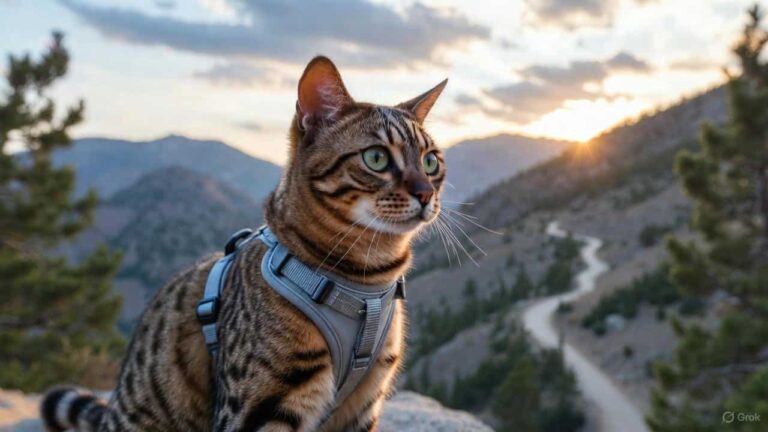
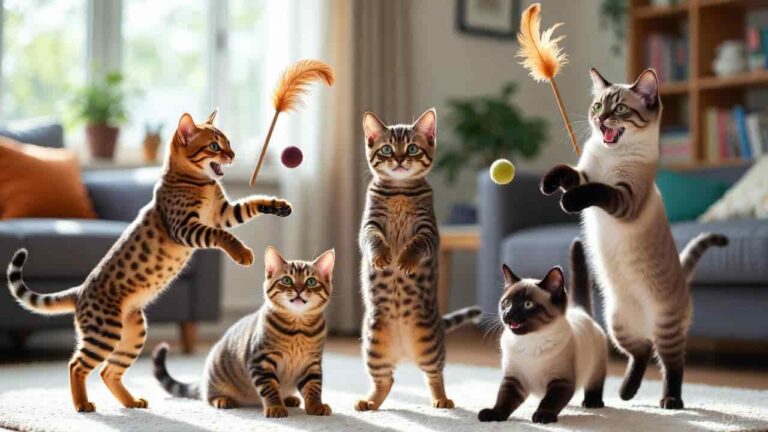
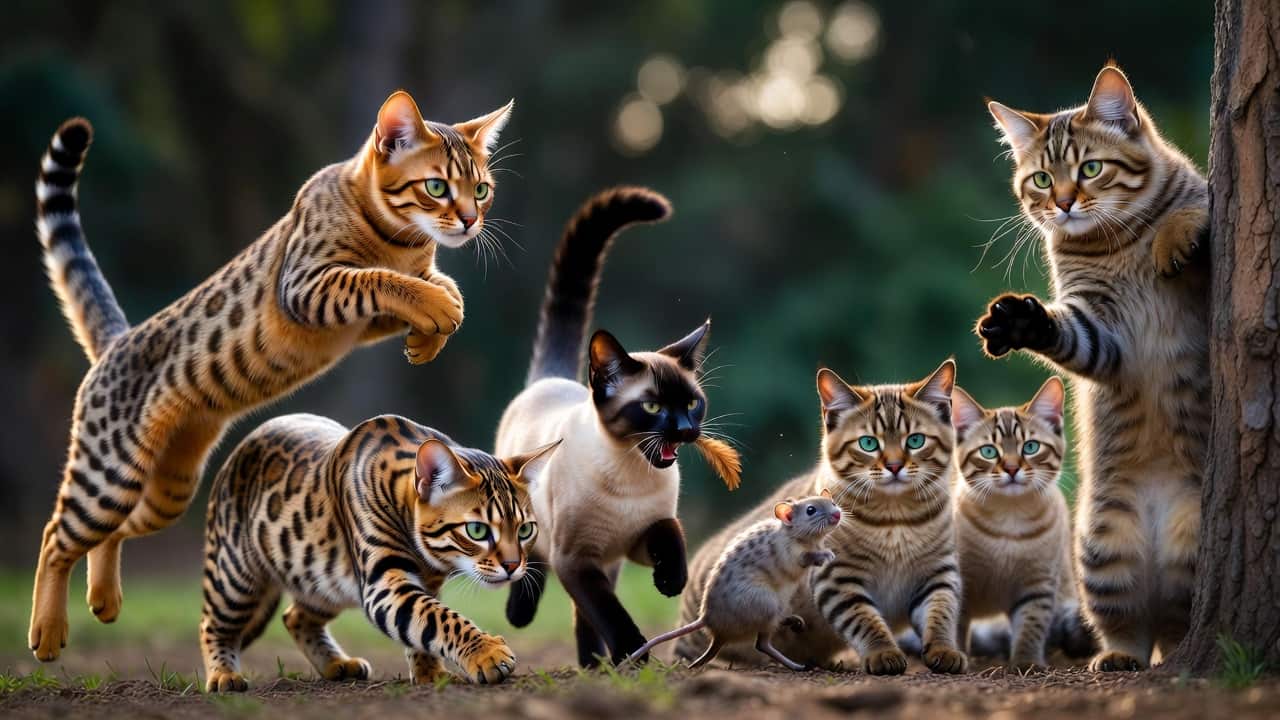
Have you ever watched your cat stalk a stray feather across the floor, her eyes locked in with laser-like precision, body low to the ground, and then—bam!—a lightning-fast pounce? It’s mesmerizing, isn’t it? That innate drive to hunt is hardwired into every feline, a remnant of their wild ancestors who relied on sharp senses and stealthy moves to survive. But when it comes to hunting cat breeds, some stand out more than others. These remarkable cats aren’t just fluffy companions; they’re natural-born predators with skills that can make them excellent mousers, playful chasers, or even guardians against household pests.
In this in-depth exploration, we’ll dive into seven hunting cat breeds that have earned their reputation for exceptional inborn hunting abilities. Whether you’re looking for a furry friend to help control rodents on a farm, or simply want to understand why certain cats seem more “wild” at heart, these breeds showcase the perfect blend of agility, intelligence, and instinct. We’ll cover their histories, unique traits, and tips for nurturing their predatory side safely. Plus, we’ll touch on why encouraging these behaviors through play can lead to happier, healthier pets. After all, a cat’s hunting drive isn’t something to suppress—it’s part of what makes them so fascinating.
Before we jump in, let’s consider what makes a cat a great hunter. Cats descend from solitary predators like the African wildcat, and even domesticated ones retain those core instincts. They use their acute hearing to detect the faintest rustle, whiskers to navigate in the dark, and powerful hind legs for explosive leaps. For hunting cat breeds, these traits are amplified through selective breeding or natural adaptation. Factors like environment, early socialization, and diet can influence how strongly these skills manifest, but the breeds we’ll discuss here have a genetic edge. Furthermore, in modern homes, channeling this energy prevents boredom-related issues like scratching furniture or overeating.
If you’re a cat lover searching for the best mouser cats or predatory cats for pest control, you’re in the right place. These hunting cat breeds not only excel in tracking and capturing but also bring joy and companionship. Let’s start with one of the most ancient and agile ones.
1. Abyssinian: The Curious Explorer with Eagle-Eye Precision
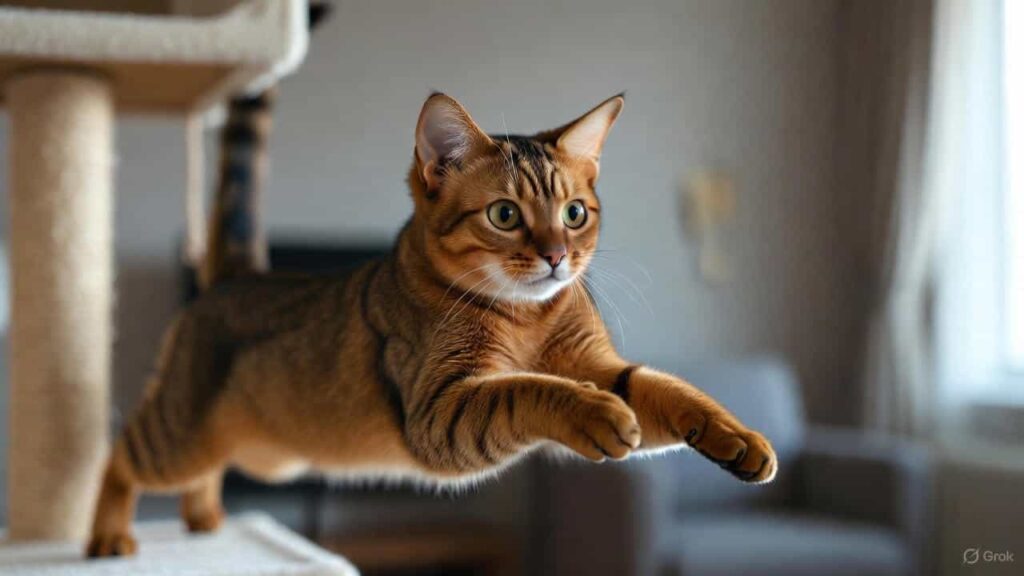
The Abyssinian cat is often hailed as one of the top hunting cat breeds, thanks to its boundless energy and inquisitive nature. Originating from ancient Egypt—or at least resembling the sacred cats depicted in pharaohs’ tombs—this breed has a history steeped in mystery and reverence. Legend has it that Abyssinians were companions to Egyptian gods, but more practically, they likely helped control vermin in granaries and homes along the Nile. Brought to Europe in the 19th century, they were refined through breeding to emphasize their athletic build and ticked coat, which mimics the camouflage of wild hares.
Appearance-wise, the Abyssinian is a sleek powerhouse. With a muscular, medium-sized body, large ears that perk up at every sound, and almond-shaped eyes that seem perpetually alert, they look ready for action. Their coat comes in warm ruddy tones, often with a subtle ticking pattern that gives them a wild, exotic vibe. Weighing around 8-12 pounds, they’re not the biggest cats, but what they lack in size, they make up for in speed and coordination.
Personality plays a huge role in their hunting prowess. Abyssinians are the ultimate busybodies—curious to a fault. They’ll patrol your home like a security guard, investigating every nook, cranny, and shadow. This isn’t just play; it’s their predatory instinct at work. They’re highly social, too, often forming strong bonds with their owners and even getting along with dogs if introduced properly. However, their high energy means they need plenty of stimulation; otherwise, they might turn to “hunting” your shoelaces or curtains.
When it comes to hunting skills, Abyssinians shine with their agility and problem-solving smarts. They’re excellent at strategizing—watching a toy mouse from afar, calculating the perfect angle, then striking with swift, precise movements. In a rural setting, they’d be fantastic mousers, flushing out rodents with ease. Even indoors, they mimic real hunts through play, leaping onto high shelves or darting after laser pointers. Their coordination is top-notch, allowing them to twist mid-air for a catch. Additionally, their endurance lets them sustain chases longer than many other breeds.
Caring for an Abyssinian involves embracing their active lifestyle. Provide puzzle toys that dispense treats to simulate foraging, or set up a cat tree for climbing practice. Regular play sessions—aim for 15-20 minutes twice a day—keep their skills sharp and prevent obesity. They’re generally healthy, but watch for dental issues common in active chewers. If you’re adopting one, look for breeders who prioritize temperament to ensure a well-socialized hunter.
In essence, the Abyssinian embodies the thrill of the hunt in a domestic package. Their inborn skills make them ideal for owners who want an engaging, athletic companion. Moving on, let’s explore a breed with even wilder roots.
RELATED
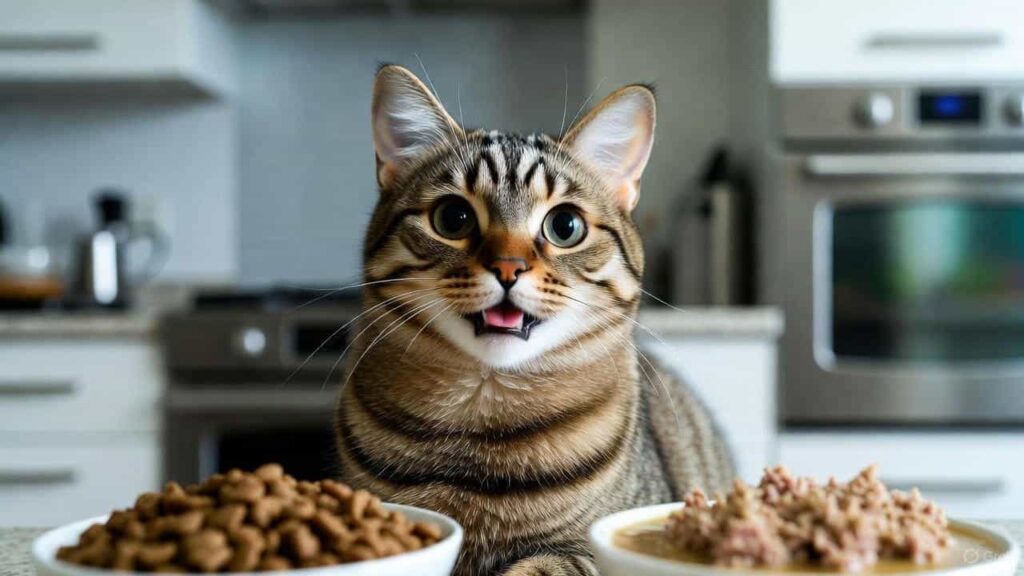
2. Bengal: The Leopard-Like Stalker with Wild Ancestry
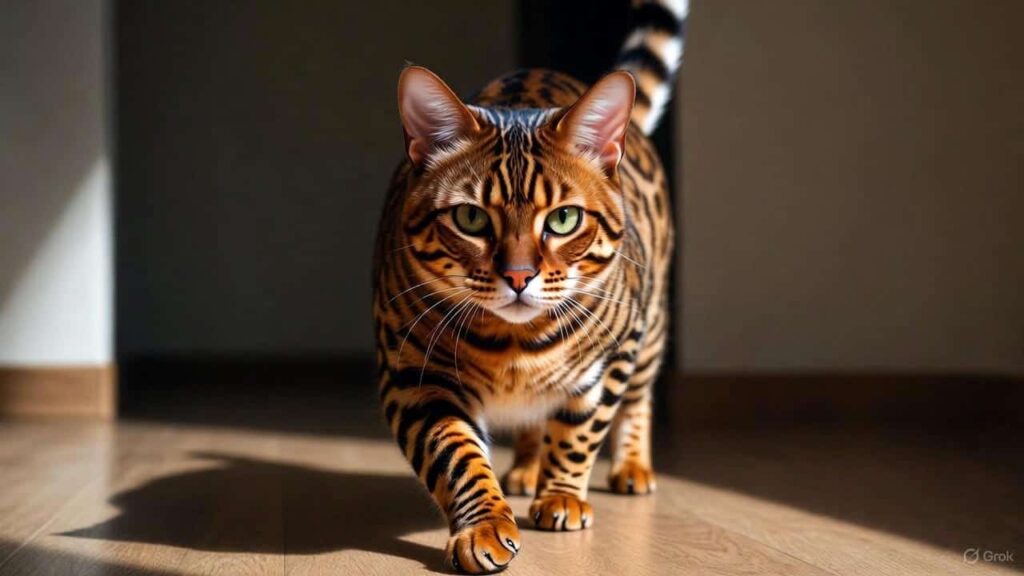
If you’re drawn to hunting cat breeds that look like they stepped out of a jungle, the Bengal is your match. This breed traces its origins to the 1960s, when breeders crossed domestic cats with the Asian leopard cat—a small, spotted wild feline from Southeast Asia. The goal was to create a pet with the exotic appearance of a wildcat but the temperament of a house cat. Over generations, Bengals have become popular for their striking looks and dynamic personalities, though they retain that primal edge.
Visually, Bengals are showstoppers. Their coat features bold spots or marbled patterns in shades of brown, silver, or snow, reminiscent of a miniature leopard. They have a muscular, athletic build with powerful legs, a broad head, and expressive eyes that convey intelligence. Males can reach 15 pounds, making them sturdy yet graceful. Their fur is short and silky, requiring minimal grooming, which is a plus for busy owners.
Bengals are known for their sharp minds and high energy—traits that fuel their hunting instincts. They’re not lap cats; instead, they prefer interactive play and mental challenges. Curious and bold, they’ll stalk anything that moves, from insects to feather toys. This breed thrives in homes where they can “hunt” safely, but they can be vocal, chirping like their wild ancestors when excited. On the flip side, their independence means they don’t demand constant attention, though they bond deeply with family.
Hunting skills? Bengals are elite. Their speed, agility, and reflexes allow them to leap impressive distances—up to three times their height—and pounce with explosive force. They excel at low stalking, creeping silently before ambushing prey. In fact, many Bengal owners report their cats catching flies mid-air or even fishing in ponds, thanks to their love of water. For pest control, they’re unbeatable, using strategy to outmaneuver rodents. However, channel this drive indoors with games like hide-and-seek treats or automated toys to avoid destructive behavior.
To keep a Bengal happy, invest in enrichment. A large scratching post or outdoor enclosure (if safe) lets them practice climbing and observing “prey.” Feed them high-protein diets to support their active metabolism, and schedule vet check-ups for potential heart issues common in hybrids. Training with positive reinforcement works wonders—they can even learn tricks like fetching.
Overall, Bengals offer a taste of the wild without the risks, making them a top choice among predatory cats. Next up, a breed with royal flair and vocal hunting commentary.
3. Siamese: The Vocal Hunter with Royal Roots
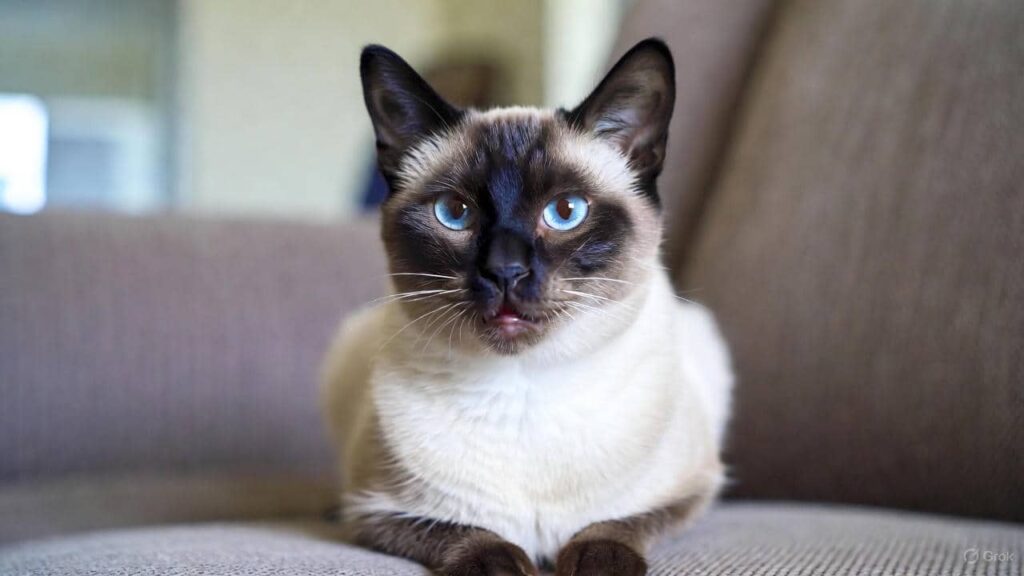
Siamese cats have long been celebrated as one of the premier hunting cat breeds, blending elegance with an unyielding prey drive. Hailing from Thailand (formerly Siam), they’ve been documented in ancient manuscripts as temple guardians and royal companions since the 14th century. Introduced to the West in the late 1800s, they quickly gained fame for their striking looks and chatty demeanor. Historically, Siamese were valued for controlling pests in palaces, honing their skills in lush, vermin-rich environments.
Their appearance is iconic: a slim, elongated body, wedge-shaped head, and piercing blue eyes that seem to see everything. The color-point coat—darker on the ears, face, paws, and tail—comes in seal, chocolate, blue, or lilac points. Weighing 8-12 pounds, they’re lithe and flexible, perfect for squeezing into tight spaces during a hunt.
Personality-wise, Siamese are extroverts. They’re incredibly social, often following owners room to room and “talking” about their day with melodic meows. This vocal nature extends to hunting—they’ll chirp excitedly while tracking a toy. Intelligent and affectionate, they crave interaction but can be demanding if bored. Fortunately, their playfulness makes them great with children and other pets.
Siamese’s hunting skills are rooted in speed and focus. They’re masters of the stalk-sprint-pounce sequence, turning any moving object into prey. Their agility allows for quick turns and high jumps, while sharp senses detect the slightest movement. In homes, they excel at “mousing” games, and outdoors (supervised), they’d tackle real rodents with gusto. Moreover, their endurance keeps them engaged in prolonged chases.
Care tips include plenty of mental stimulation—puzzle feeders mimic foraging, and wand toys satisfy their chase instinct. They’re prone to respiratory issues, so maintain a clean environment. Grooming is easy with their short coat, but dental care is key.
The Siamese proves that hunting prowess can come in a sophisticated package. Transitioning to a larger breed, let’s meet the gentle giant of mousers.
4. Maine Coon: The Gentle Giant with Farmhouse Mousing Legacy
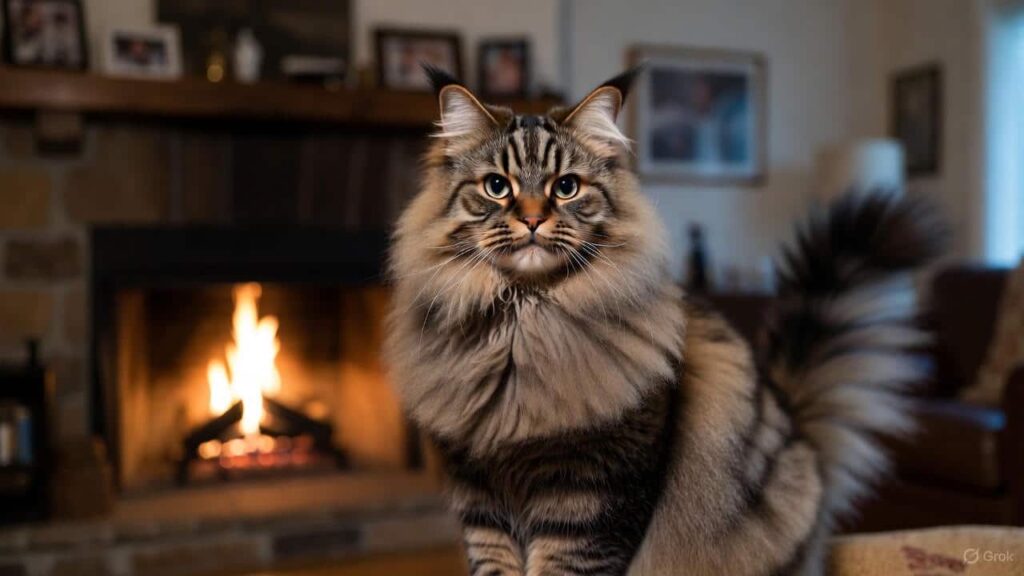
Among hunting cat breeds, the Maine Coon stands out for its size and stamina. This North American native emerged in the 1800s, likely from longhaired cats brought by sailors crossing with local shorthairs. Farm life in harsh Maine winters shaped them into rugged pest controllers, earning them the nickname “gentle giants.” Myths abound, like descendance from raccoons (hence the bushy tail), but their true value was in keeping barns rodent-free.
Physically, Maine Coons are impressive—males can tip 18-25 pounds, with tufted ears, a ruff like a lion’s mane, and a long, fluffy tail. Their thick, water-resistant coat suits cold climates, and polydactyl paws (extra toes) in some lines aid gripping during hunts. Despite their bulk, they’re agile climbers.
Personality is where they win hearts: affectionate yet independent, they’re patient with kids and dogs. Curious explorers, they’ll investigate sounds methodically, reflecting their working heritage. However, they’re not hyper; they balance hunting drive with cuddly downtime.
Hunting skills are legendary. Maine Coons move silently despite size, stalking with grace before a powerful pounce. Their strength handles larger prey, and sharp claws make short work of climbing or digging. On farms, they’re top mousers; at home, they “hunt” shadows or toys with enthusiasm. In addition, their patience allows waiting out hidden targets.
For care, provide space to roam—cat trees are essential. High-protein food supports their frame, and regular brushing prevents mats. Watch for hip dysplasia in larger individuals.
The Maine Coon combines power and poise, ideal for those seeking reliable predatory cats. Now, onto a classic American hunter.
RELATED
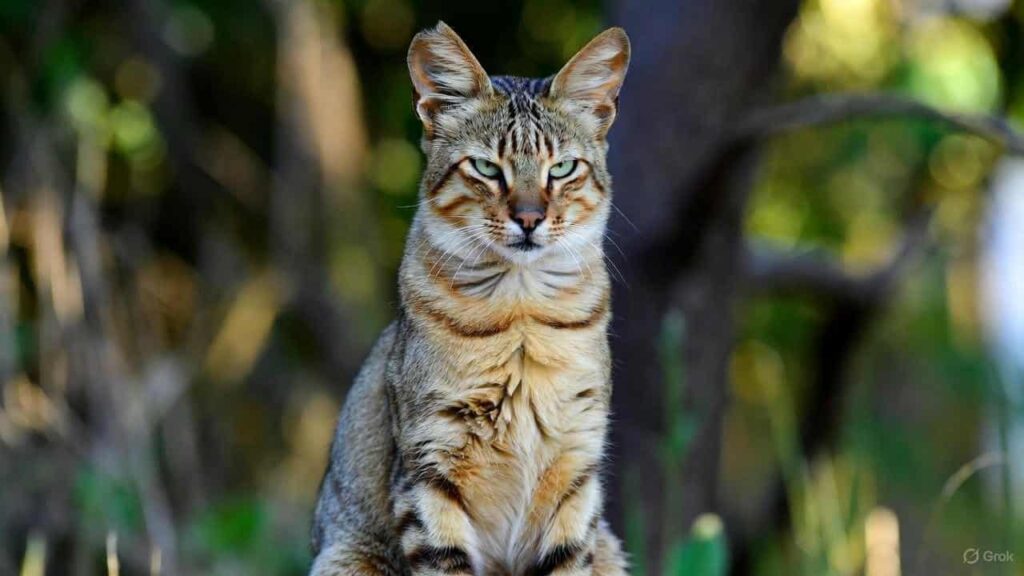
5. American Shorthair: The Adaptable Mouser from Pioneer Days
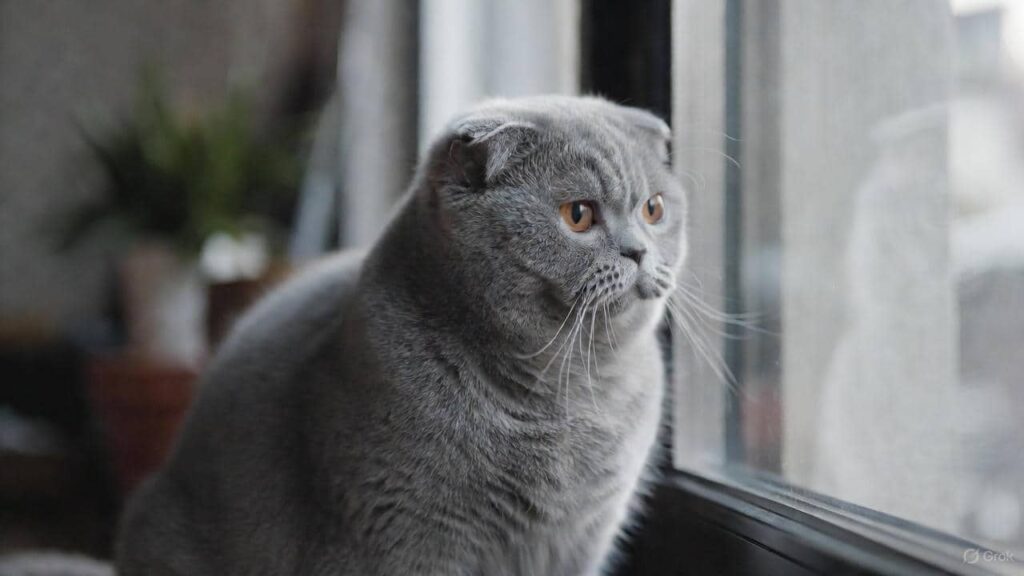
The American Shorthair is a quintessential example of hunting cat breeds built for practicality. Descended from European cats arriving on the Mayflower in 1620, they were bred for pest control on ships and settlements. Originally called Domestic Shorthairs, they evolved into a recognized breed in the 20th century, valued for adaptability and hardiness.
Appearance is sturdy and balanced: medium to large build (10-15 pounds), round face, and a short, dense coat in various colors and patterns. Their muscular legs and broad chest scream “working cat,” ready for action.
They’re calm and confident in personality, making them low-maintenance companions. Adaptable to apartments or farms, they’re smart learners who respond to training. While affectionate, they enjoy solo “patrols,” scanning for movement.
Hunting skills emphasize patience—stalking quietly, waiting, then striking precisely. They’re reliable for rodent control, with senses tuned for detection. Indoors, puzzle toys and short chases keep them sharp. Rotate activities to maintain interest.
Care is straightforward: balanced diet, annual vets, and minimal grooming. They’re robust but monitor for obesity.
This breed’s versatility makes it a favorite for pest control. Shifting gears, let’s look at a hybrid with serval blood.
6. Savannah: The Exotic Hybrid with Serval Speed
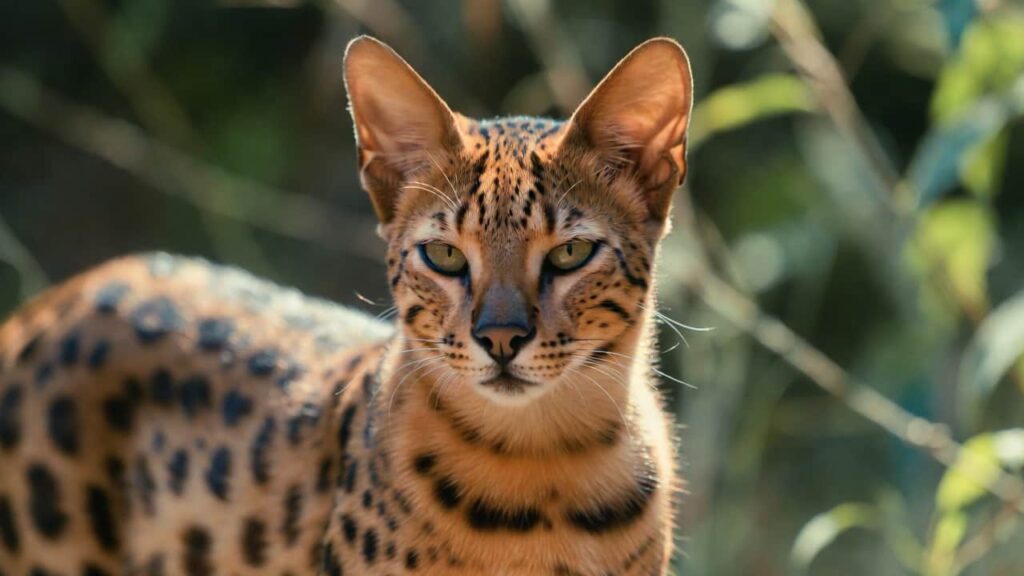
Savannah cats represent the pinnacle of wild-inspired hunting cat breeds. Created in the 1980s by crossing domestic cats with African servals, they’re hybrids blending domestic temperament with wild agility. Generations (F1 closest to serval) vary in size and legality—some areas restrict them due to wildlife concerns.
They tower with long legs, a lean frame (up to 20 pounds), and spotted coats like mini cheetahs. Large ears and golden eyes enhance their exotic allure.
Personality: loyal and dog-like, they bond intensely, often following owners or playing fetch. Vocal and energetic, they need engagement to thrive.
Hunting skills are unmatched—sharp senses, quick reflexes, and leaps up to 8 feet. They stalk and pounce like pros, but keep them indoors or leashed to protect wildlife.
Enrichment includes secure enclosures and interactive play. High-protein diets and vet care for hybrid health issues are crucial.
Savannahs offer adventure for committed owners. Finally, a Nordic warrior cat.
7. Norwegian Forest Cat: The Viking Ship Mouser with Climbing Talent
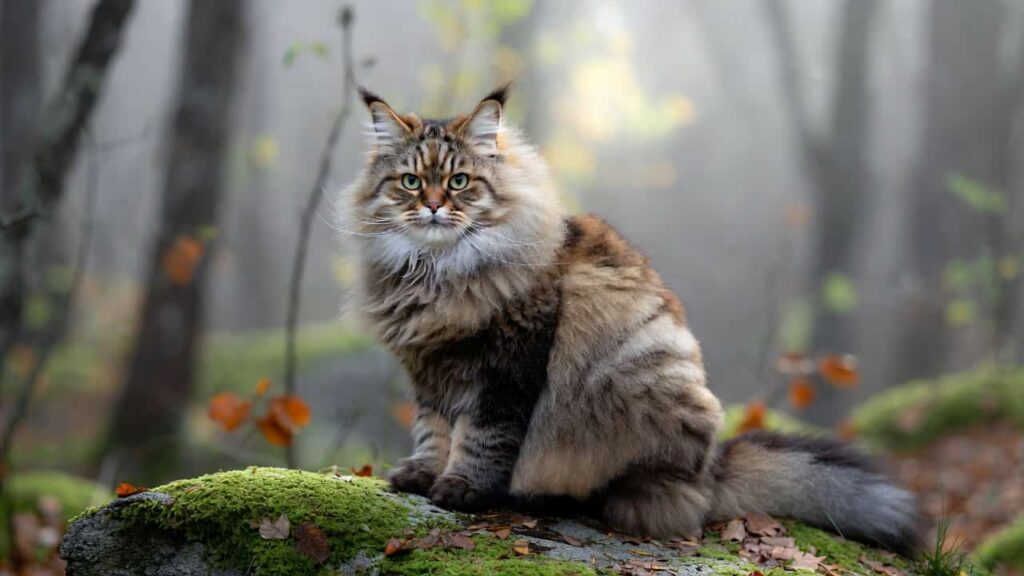
Closing our list of hunting cat breeds is the Norwegian Forest Cat, or “Wegie.” From Norway’s forests, they’ve been around since Viking times, controlling pests on ships and farms. Myths link them to Norse gods, but their survival skills are real.
Rugged build: 12-16 pounds, thick double coat for weather, tufted paws for snow, and strong muscles for climbing.
Affectionate yet independent, they’re gentle with families but love exploring. High curiosity demands secure homes.
Hunting: stealthy and patient, using vertical spaces to ambush. Powerful claws aid tree-scaling pursuits.
Care: brushing for coat, space for activity, and monitoring heart health.
These cats embody resilient hunters.
Conclusion: Embracing the Hunter in Your Cat
We’ve journeyed through seven remarkable hunting cat breeds, from the agile Abyssinian to the majestic Norwegian Forest Cat. Each brings unique strengths to the table, rooted in history and genetics, making them standouts for inborn hunting skills. Whether for practical pest control or just appreciating their predatory grace, these breeds remind us of cats’ wild heritage.
To nurture these instincts responsibly, focus on enrichment: wand toys, puzzle feeders, and safe play areas. Avoid free-roaming to protect wildlife—check resources like the.ASPCA’s cat care guide for more tips. Ultimately, understanding and channeling their drive leads to fulfilled pets and stronger bonds.