Savannah vs Norwegian Forest Cat: Which Is Better?
Savannah vs Norwegian Forest Cat — a detailed comparison of two of the largest domestic cat breeds. Explore differences in size, temperament, energy levels, grooming needs, health, cost, and lifestyle compatibility to decide which majestic cat breed is better for your home.
When you’re standing at the crossroads deciding between two majestic large cat breeds, the question often boils down to this: Savannah vs Norwegian Forest Cat — which one truly fits your lifestyle? Both are stunning, impressive felines that turn heads with their size and presence, yet they come from completely different worlds. One carries the wild spirit of the African savanna through its Serval heritage, while the other embodies the rugged resilience of ancient Nordic forests.
In this detailed comparison, we’ll explore every major aspect — from appearance and size to temperament, energy levels, grooming needs, health considerations, and even cost — to help you decide which breed might be the better companion for you. Whether you’re searching for an exotic hybrid cat with dog-like loyalty or a gentle, fluffy giant forest cat that’s calm and adaptable, understanding these differences is key.
Before we dive deep, let’s remember that no breed is universally “better.” The right choice depends on your home environment, daily routine, experience with cats, and what you want from a feline friend. However, by the end of this guide, you’ll have a clear picture of how these two giants stack up.
A Quick Overview of Each Breed
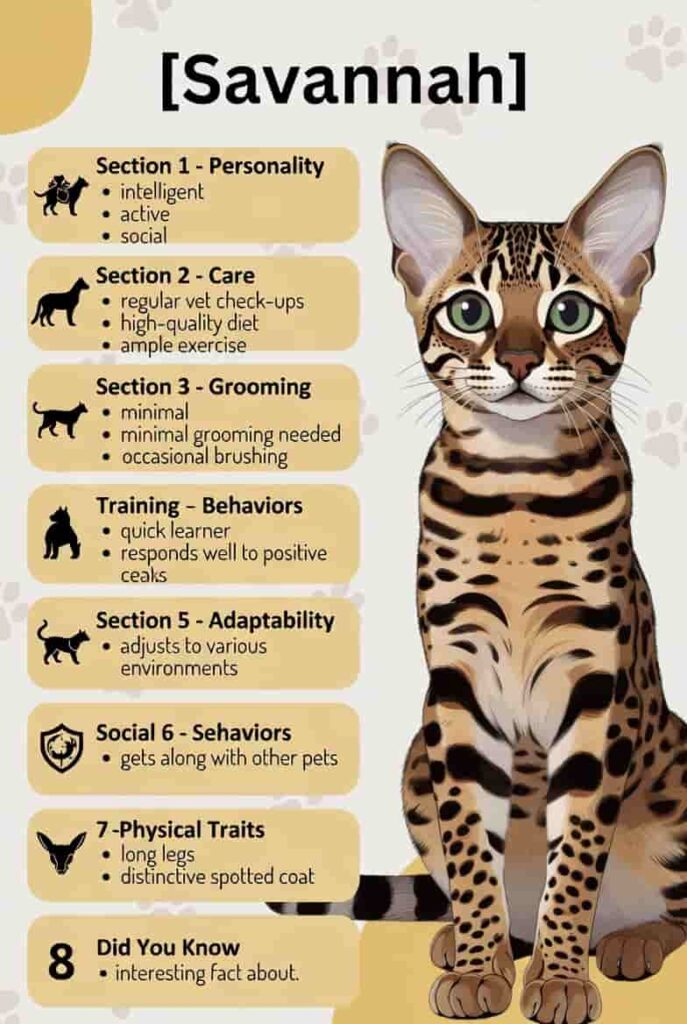
The Savannah cat is a relatively modern hybrid breed, developed in the late 1980s by crossing a domestic cat with an African Serval. This creates an exotic-looking feline with long legs, large ears, and spotted coats that scream “wild” — but with a domestic twist. Savannahs come in generations (F1 to F5+), where earlier generations (F1–F3) retain more wild traits, while later ones (F4–F5) behave more like typical house cats.
On the other hand, the Norwegian Forest Cat (often lovingly called “Wegie”) is one of the oldest natural breeds. These cats evolved in the harsh Scandinavian wilderness, developing thick, water-resistant coats and powerful builds to survive freezing winters and climb tall trees. Recognized for centuries, they’re pure domestic cats with no wild hybrid ancestry.
Both breeds rank among the largest domestic cat breeds, but their personalities and care requirements diverge significantly. Let’s break it down.
RELATED

Appearance and Size: Exotic Elegance vs Rugged Majesty
First impressions matter, and these two breeds couldn’t look more different.
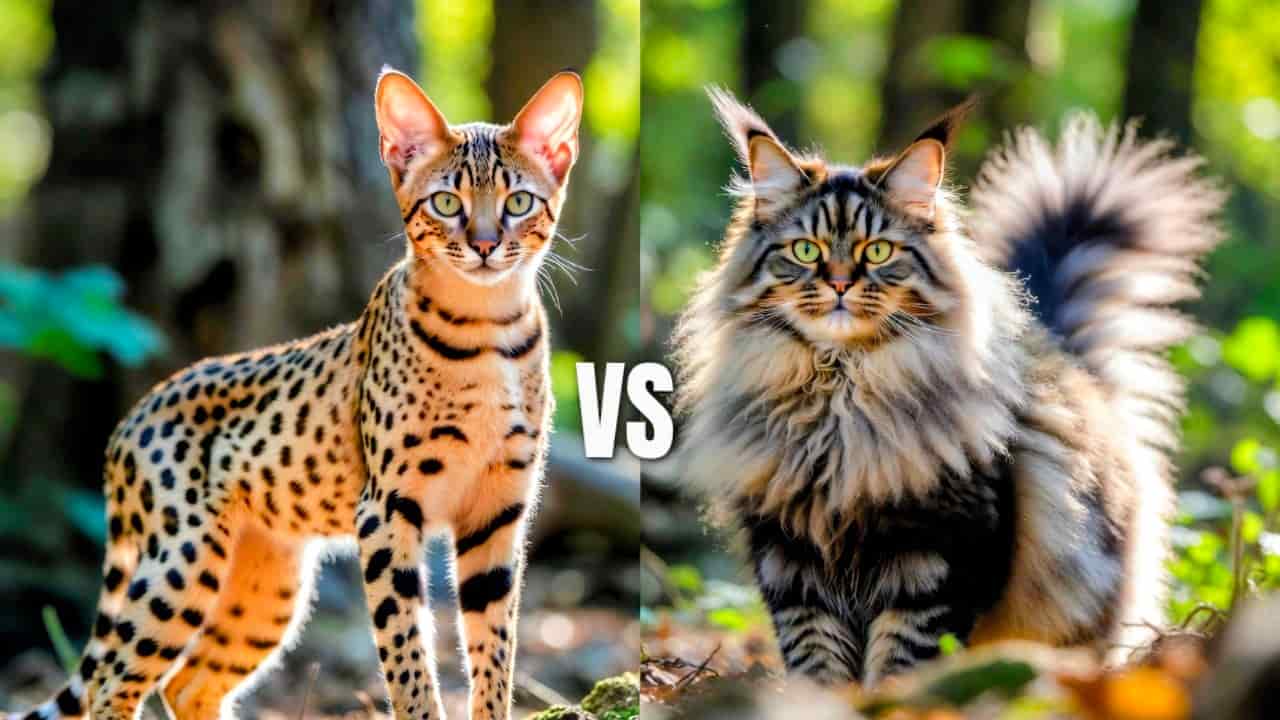
Savannah cats stand out with their tall, slender, athletic frames. They boast long legs (especially the hind ones), huge upright ears, and striking spotted or marbled coats that mimic their Serval ancestor. Early-generation Savannahs can reach impressive heights — some F1 and F2 males have even held world records for tallest cat. Later generations (F4–F5) are still tall but more proportional, often weighing 10–20 pounds for males and looking larger due to their lanky build.
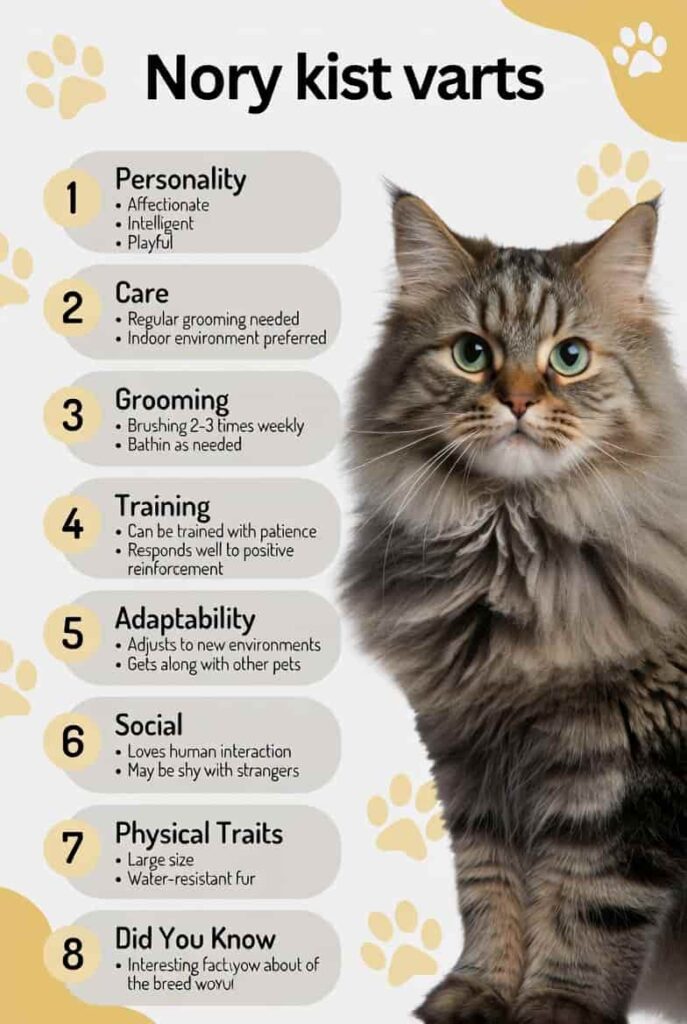
In contrast, Norwegian Forest Cats have a more balanced, muscular appearance. Their most defining feature is the luxurious, triple-layered coat — dense undercoat for insulation, plus long guard hairs that repel water. They sport tufted ears, a flowing mane-like ruff around the neck, bushy tails, and large, tufted paws perfect for snow. Males typically weigh 12–20 pounds (sometimes more), with females around 8–15 pounds. They look like majestic forest guardians.
Transitioning to size comparison: While both are big cat breeds, Savannahs often appear taller and more leggy, whereas Norwegian Forest Cats feel bulkier and more powerful. If you want that “wow” exotic factor, the Savannah wins. For classic, fairy-tale beauty, the Wegie takes the crown.
Temperament and Personality: Wild Energy vs Gentle Calm
Personality is where these breeds really diverge — and it’s often the deciding factor.
Savannah cats are frequently described as dog-like in their behavior. They’re highly intelligent, loyal, and interactive. Many follow their owners around the house, play fetch, learn tricks, and even enjoy walks on a leash. However, their energy can be intense — especially in early generations — with strong prey drives that make them excellent hunters (of toys or, unfortunately, small pets if not managed). They’re social but can be reserved with strangers and need experienced owners who can provide mental stimulation and boundaries. Later generations tend to mellow out significantly.
Norwegian Forest Cats, by comparison, are the epitome of calm confidence. They’re affectionate on their own terms — happy to sit nearby, observe family activities, or curl up for gentle pets — but not demanding. They’re friendly with children, other pets, and visitors, though they might take time to warm up. These cats are independent explorers who love climbing and perching high, yet they’re content entertaining themselves when you’re busy. Overall, they’re patient, gentle giants ideal for relaxed households.
Moreover, if you want a cat that acts more like a companion animal with high engagement, the Savannah often edges ahead. For a low-drama, easygoing family pet, the Norwegian Forest Cat shines brighter.
RELATED
Energy Levels and Exercise Needs
Both breeds are active, but in different ways.
Savannahs have explosive energy — think zoomies, high jumps (they can leap 6–8 feet vertically in some cases), and a constant need for interactive play. Without enough outlets, they might become bored and destructive. Puzzle toys, climbing structures, and daily play sessions are essential.
Norwegian Forest Cats are athletic too, with excellent climbing skills and a love for vertical space, but their energy is more steady and less frantic. They enjoy play but are happy with shorter sessions and can entertain themselves by watching birds or chasing toys solo.
In short, the Savannah demands more dedicated interaction, while the Wegie adapts better to quieter routines.
Grooming and Maintenance
Grooming needs vary dramatically.
Savannahs have short, sleek coats that require minimal brushing — a quick weekly session keeps them looking sharp. They’re generally low-maintenance in this department.
Norwegian Forest Cats, however, have long, thick coats that mat easily, especially during seasonal shedding (twice a year). Regular brushing (2–3 times weekly, daily during sheds) is necessary to prevent tangles and hairballs. Many owners invest in professional grooming occasionally.
Additionally, if low grooming appeals to you, the Savannah is far easier. The Norwegian Forest Cat rewards dedicated owners with a majestic appearance.
Health Considerations and Lifespan
Both breeds are generally healthy, but they have some breed-specific concerns.
Savannahs can inherit issues from both parents, including hypertrophic cardiomyopathy (heart disease), patellar luxation, and dental problems. Early generations may have more hybrid-related quirks. Lifespan averages 12–20 years, with good care.
Norwegian Forest Cats are prone to hip dysplasia, hypertrophic cardiomyopathy, and glycogen storage disease type IV (rare). Their thick coats can hide skin issues if not groomed properly. Average lifespan is 12–16 years.
Responsible breeders health-test both breeds extensively. With proper care, either can live a long, healthy life.
Cost and Availability
This is where differences become stark.
Savannah cat prices vary enormously by generation. F1–F2 can cost $10,000–$25,000+, while F4–F5 range from $1,500–$8,000. Legal restrictions exist in some areas (check local laws — some places ban early generations).
Norwegian Forest Cats are more affordable and widely available, with quality kittens typically $800–$2,000 from reputable breeders.
The Savannah represents a luxury investment, while the Wegie is more accessible for most families.
For more on responsible ownership and breed standards, you can visit the official page of The International Cat Association (TICA) here.
Which One Is Better for You?
Ultimately, Savannah vs Norwegian Forest Cat comes down to your lifestyle.
Choose the Savannah if you want:
- An exotic, athletic companion
- High intelligence and trainability
- A dog-like bond with lots of interaction
- And you’re prepared for the higher cost, energy demands, and potential legal hurdles
Opt for the Norwegian Forest Cat if you prefer:
- A calm, gentle giant
- Lower maintenance grooming (with commitment during sheds)
- Easygoing family compatibility
- And a more affordable, widely accepted purebred
Both are magnificent. The Savannah brings adventure and excitement; the Norwegian Forest Cat offers quiet strength and timeless charm. Whichever you choose, you’re welcoming a truly special feline into your life.
Have you decided yet? Share your thoughts in the comments — I’d love to hear which breed speaks to you more!