Hidden Food Dangers: Foods That Can Kill Your Cat Quickly
Discover the hidden toxic foods for cats that can cause rapid poisoning or death — from chocolate and onions to grapes and xylitol. Learn symptoms, emergency steps, and how to keep your feline safe.
As a cat owner, I’ve always been vigilant about what my furry friends get into, but it wasn’t until my own cat, Whiskers, had a close call with a seemingly harmless snack that I truly understood the hidden perils lurking in our kitchens. You see, cats are curious creatures, and their inquisitive nature often leads them to nibble on things they shouldn’t. In this comprehensive guide, we’ll dive deep into the world of toxic foods for cats, exploring not just what these dangers are, but why they’re so harmful, how to spot the signs of trouble, and most importantly, how to keep your beloved pet safe. Whether you’re a new cat parent or a seasoned one, understanding these risks can make all the difference in preventing a tragedy.
Why Cats Are So Vulnerable to Toxic Foods
First off, let’s talk about why cats are particularly susceptible to certain foods. Unlike dogs, who might bounce back from a bad meal, cats have a unique metabolism that processes substances differently. Their livers lack certain enzymes that humans and other animals have, making it harder for them to break down toxins. For instance, something as simple as a pain reliever we take for a headache could be lethal to them. This vulnerability isn’t just about size; it’s rooted in their biology as obligate carnivores. They thrive on meat-based diets, and many human foods disrupt this balance.
Moreover, cats often hide their illnesses until it’s too late. They’re masters of disguise when it comes to pain or discomfort, a survival instinct from their wild ancestors. So, by the time you notice something’s wrong, the damage might already be severe. That’s why education on toxic foods for cats is crucial. According to veterinary experts, thousands of cats end up in emergency clinics each year due to accidental ingestions. And while some recover with prompt treatment, others aren’t so lucky.
Transitioning to the specifics, let’s break down the most common culprits. I’ll categorize them for clarity, starting with everyday kitchen staples that could spell disaster.
Chocolate: The Sweet Killer
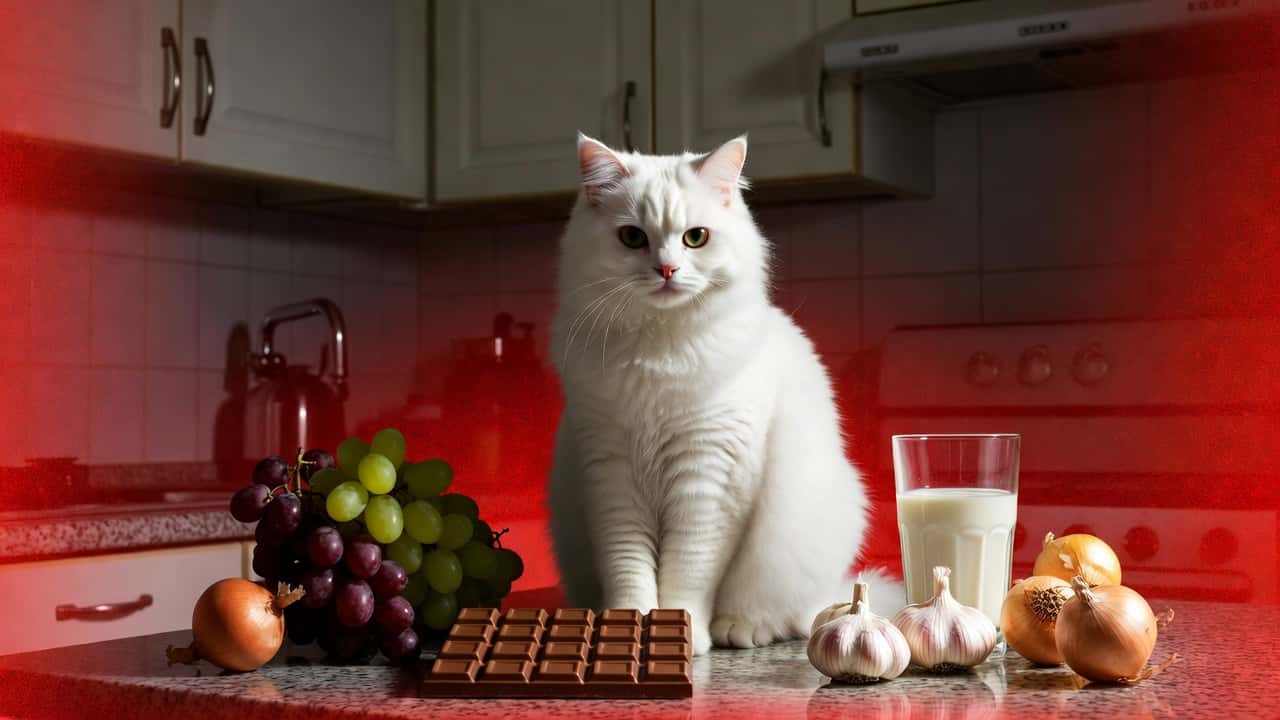
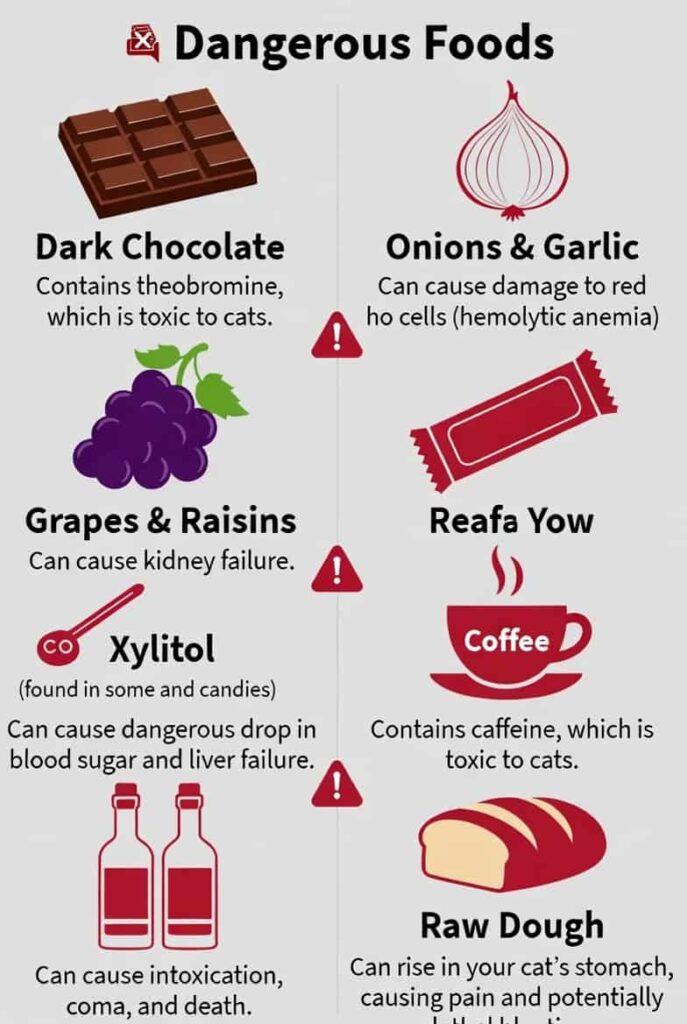
Who doesn’t love chocolate? It’s a staple in many households, especially around holidays. But for cats, chocolate is one of the most notorious toxic foods for cats. The danger comes from theobromine and caffeine, both methylxanthines that cats can’t metabolize efficiently. Dark chocolate and baking chocolate are the worst offenders because they contain higher concentrations.
Imagine this scenario: You’re baking cookies, and a piece falls on the floor. Your cat darts over and gobbles it up before you can react. Within hours, symptoms like vomiting, diarrhea, rapid breathing, and seizures could appear. In severe cases, it leads to heart arrhythmias or even death. I remember reading a heartbreaking story from a fellow cat owner online – her kitten got into a bar of dark chocolate left on the counter, and despite rushing to the vet, it was too late.
To prevent this, always store chocolate out of reach. And if you suspect ingestion, don’t wait – contact your vet immediately. They might induce vomiting or administer activated charcoal to absorb the toxins. Interestingly, white chocolate has lower levels of theobromine, but it’s still not safe due to its high fat content, which can cause pancreatitis.
Expanding on this, let’s consider the dosage. Even a small amount, say 1 ounce of milk chocolate per pound of body weight, can be toxic. For a 10-pound cat, that’s not much. Additionally, symptoms can last up to 72 hours because of the slow elimination from their system. Prevention is key: Opt for cat-safe treats like freeze-dried meat instead of sharing your snacks.
Onions and Garlic: Silent Assassins in Your Pantry
Moving on to another group of toxic foods for cats, alliums like onions, garlic, chives, and leeks are deceptively dangerous. These veggies contain compounds called disulfides and thiosulphates that damage red blood cells, leading to hemolytic anemia. What’s scary is that the effects aren’t immediate; it can take days for symptoms to show.
Think about how often we use these in cooking – soups, sauces, even baby food sometimes contains onion powder. A cat sneaking a lick from your plate could be ingesting enough to cause problems. Signs include lethargy, pale gums, dark urine, and rapid heart rate. In my experience volunteering at a local shelter, we’ve seen cases where cats ate scraps from the trash, resulting in blood transfusions.
Furthermore, powdered forms are even more concentrated, so check labels on human foods. Even small amounts over time can build up. To humanize this risk, picture your cat batting at a fallen onion ring – cute, but potentially fatal.
Prevention tips: Keep trash bins secure, and never feed table scraps. If exposure happens, blood tests can detect the damage early. Vets often use supportive care like fluids and oxygen therapy.
Grapes and Raisins: Mysterious Menaces
Now, let’s shift to something puzzling: grapes and raisins. These fruits are toxic foods for cats, though the exact mechanism isn’t fully understood. Some theories point to tartaric acid or mycotoxins, but whatever the cause, they can lead to acute kidney failure.
A single grape might not seem harmful, but reports show even small quantities cause vomiting, diarrhea, and lethargy, progressing to anuria (no urine production). I once knew a neighbor whose cat raided a fruit bowl and ended up on dialysis – a costly and stressful ordeal.
Interestingly, not all cats react the same way, but why risk it? Raisins, being dried, are more potent. They’re common in trail mixes and baked goods, so vigilance is essential.
To add depth, consider organic vs. conventional – toxicity doesn’t discriminate. Always store fruits high up, and train family members not to share.
Dairy Products: Not as Innocent as They Seem
Contrary to popular belief, milk isn’t a cat’s best friend. Many cats are lactose intolerant, making dairy one of the toxic foods for cats in large amounts. While not always lethal, it can cause severe gastrointestinal upset.
Kittens can digest lactose, but as they age, the enzyme lactase decreases. So, that saucer of milk? It leads to diarrhea, bloating, and dehydration. Cheese and yogurt might be better tolerated in tiny amounts, but they’re high in fat, risking obesity or pancreatitis.
From personal observation, my cat loves cheese, but I limit it to pea-sized bits rarely. Better alternatives: Lactose-free cat milk or water.
Moreover, some cheeses contain additives like garlic, compounding the danger.
Alcohol: A No-Brainer Danger
It might sound obvious, but alcohol is a potent toxic food for cats – or drink, rather. Even small sips from spilled beer or wine can cause depression of the central nervous system, leading to coma or death.
Cats are attracted to the yeasty smell in dough or beer, which ferments in their stomach, producing more alcohol. Symptoms: Disorientation, hypothermia, respiratory failure.
A funny-yet-serious anecdote: A friend’s cat lapped up cocktail remnants at a party, requiring overnight vet care.
Keep drinks covered and clean up spills promptly.
Caffeine: The Buzz That’s Deadly
Similar to chocolate, caffeine in coffee, tea, or energy drinks is toxic for cats. It stimulates the heart and nervous system excessively.
A cat knocking over your mug could ingest enough to cause hyperactivity, tremors, and seizures. Even coffee grounds in trash are risky.
Prevention: Use lidded cups and secure bins.
Related: Savannah vs Norwegian Forest Cat: Which Is Better?
Xylitol: The Sugar Substitute Surprise
Found in sugar-free gum, candies, and baked goods, xylitol causes a rapid insulin release in cats, leading to hypoglycemia. It’s one of those hidden toxic foods for cats because it’s not obvious.
Symptoms: Weakness, collapse, seizures within 30 minutes.
Store products securely, and check labels.
Raw Meat and Eggs: Bacterial Risks
While cats are carnivores, raw meat can harbor salmonella or E. coli, making it a toxic food for cats if contaminated. Raw eggs pose biotin deficiency risks from avidin.
Cook meats thoroughly, or use commercial raw diets vetted for safety.
Bones: Choking and Splinter Hazards
Cooked bones splinter, causing obstructions or perforations. Raw bones are safer but still risky.
Opt for boneless treats.
Fat Trimmings and Spoiled Food: Gastrointestinal Nightmares
High-fat foods cause pancreatitis; spoiled food leads to botulism.
Dispose properly.
Plants: Not Just Foods, But Related Dangers
Though not food, lilies, poinsettias, etc., are toxic if nibbled.
Keep plants out of reach.
Household Items Masquerading as Food
Medications, cleaners – but focusing on food-like: Antifreeze tastes sweet, lethal.
Secure all.
Symptoms of Poisoning in Cats
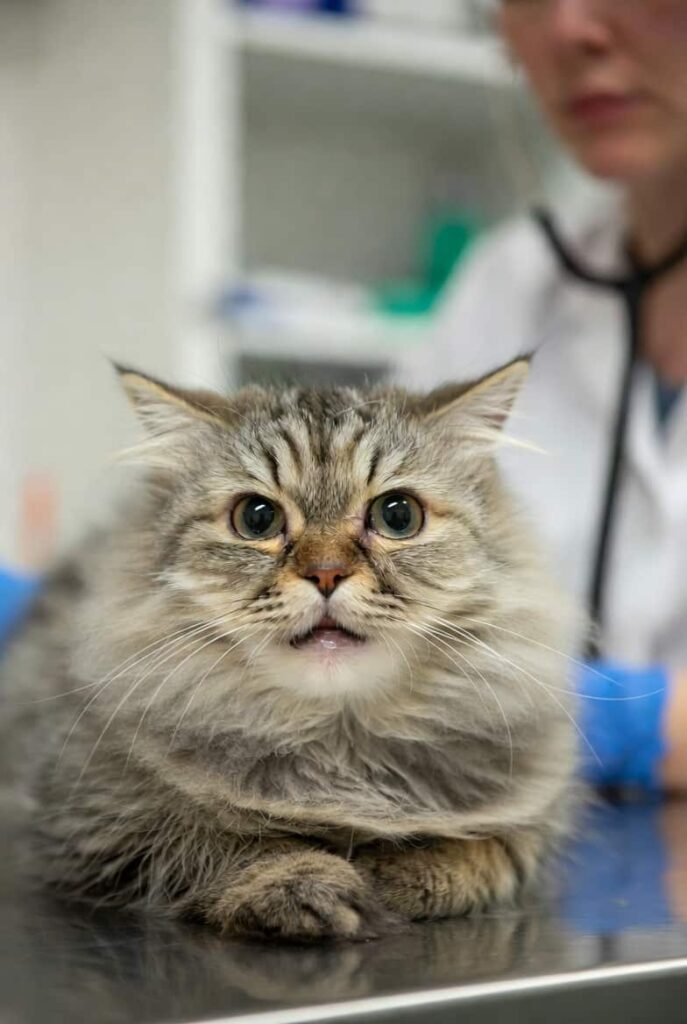
Recognizing signs early: Vomiting, drooling, tremors, jaundice.
Monitor behavior.
What to Do If Your Cat Ingests Toxic Food
Don’t induce vomiting yourself; call vet or poison hotline.
Have details ready: What, how much, when.
Prevention Strategies for a Safe Home
Cat-proof kitchen, use child locks, educate family.
Safe alternatives: Cat grass, toys.
Myths vs. Facts About Cat Diets

Myth: Cats need milk. Fact: No.
Myth: Fish every day. Fact: Mercury risk.
The Role of Vet Check-Ups
Regular visits catch issues early.
Emotional Impact on Owners
Dealing with guilt, grief.
Community Stories and Lessons Learned
Shared experiences.
Conclusion: Empowering Cat Owners
By understanding toxic foods for cats, we protect them.
Only external link: For more on pet poisons, visit the ASPCA Animal Poison Control Center.
Frequently Asked Questions About Toxic Foods for Cats
1. What are the most dangerous toxic foods for cats?
The top offenders include chocolate (due to theobromine), onions/garlic/chives (damage red blood cells causing anemia), grapes/raisins (can lead to sudden kidney failure), alcohol (even tiny amounts cause coma), caffeine (heart and nervous system issues), and xylitol (sugar substitute in gum/candies, causes severe hypoglycemia). These can kill quickly in small doses, so keep them completely out of reach.
2. Can cats eat chocolate at all, even a little bit?
No — never give your cat any chocolate. Dark and baking chocolate are the most toxic, but even milk chocolate or white chocolate can cause vomiting, rapid heart rate, tremors, seizures, and death. Cats metabolize theobromine much slower than humans, so even a small piece is risky.
3. Is it true that milk is bad for adult cats?
Yes, most adult cats are lactose intolerant. Kittens can handle mother’s milk, but as they grow, they lose the enzyme to digest lactose, leading to diarrhea, vomiting, and stomach upset. Skip the classic “saucer of milk” — opt for water or lactose-free cat milk instead.
4. What should I do if my cat eats something toxic?
Act fast: Don’t try to induce vomiting at home (it can make things worse). Immediately contact your vet, an emergency clinic, or a pet poison hotline like the ASPCA Animal Poison Control Center (888-426-4435, fee may apply) or Pet Poison Helpline (855-764-7661). Have details ready: what was eaten, how much, and when. Quick action can save your cat’s life.
5. Are grapes and raisins really toxic to cats, or is it just dogs?
Yes — while more commonly reported in dogs, grapes and raisins can cause acute kidney failure in cats too (possibly due to tartaric acid or unknown toxins). Even one or two can be dangerous, with symptoms like vomiting, lethargy, and no urine production appearing within hours to days. Better to avoid them entirely.
6. Can my cat eat onions or garlic if they’re cooked in food?
No — cooking doesn’t make them safe. Onions, garlic, leeks, chives, and shallots (all Allium family) contain compounds that destroy red blood cells, leading to anemia. Powdered forms (like garlic powder in baby food or seasonings) are even more concentrated and toxic in tiny amounts.
7. Is raw meat or fish safe for cats since they’re carnivores?
Not always — while cats are obligate carnivores, raw meat/fish can carry bacteria like salmonella or E. coli, parasites, or cause thiamine deficiency (especially raw fish). Commercial raw diets formulated for cats are safer, but never feed raw table scraps or uncooked fish regularly.
8. What are some safe human food treats I can give my cat occasionally?
Stick to tiny amounts of plain, cooked meats (chicken, turkey, beef — no seasoning), small bits of plain cooked egg, or cat-safe fruits/veggies like a little plain pumpkin (for digestion) or blueberries. Always introduce slowly and keep treats under 10% of daily calories. The safest option? Stick to commercial cat treats.
9. How can I tell if my cat has been poisoned by food?
Common signs include vomiting, diarrhea, drooling, lethargy, loss of appetite, tremors, rapid/shallow breathing, pale gums, dark urine, seizures, or collapse. Symptoms vary by toxin — some appear in hours (chocolate), others in days (onions). Cats hide illness well, so any change in behavior means call the vet immediately.
10. Why do cats get into toxic foods even when they’re picky eaters?
Cats are naturally curious hunters. They may bat at, lick, or nibble forbidden items out of play, boredom, or because something smells appealing (like yeasty raw dough or spilled alcohol). Prevention is key: secure trash, counters, and cabinets, and never leave food unattended.