Unusual Cat Behavior? It Might Be a Stroke (Cat Stroke Symptoms)
Learn the key cat stroke symptoms, causes & what to do fast. Early action can save your feline friend!
As a cat owner, you’ve probably noticed how your furry friend can be full of surprises. One moment they’re chasing a laser pointer across the room, and the next, they’re acting strangely – maybe tilting their head oddly or stumbling around like they’ve had one too many catnip treats. But what if that unusual behavior isn’t just a quirk? What if it’s something more serious, like a stroke? In this comprehensive guide, we’ll dive deep into cat stroke symptoms, exploring everything from the early warning signs to treatment and prevention. If you’re worried about your cat’s health, stick around – this could be the information that helps you act fast and potentially save their life.
Strokes in cats aren’t as common as in humans, but they do happen, and recognizing the signs early can make all the difference. We’ll cover the basics, break down the symptoms in detail, discuss causes, and even share some real-life stories from other pet parents. Plus, I’ll throw in tips on how to keep your cat healthy and stroke-free. Let’s get started.
What Is a Stroke in Cats?
First things first: what exactly is a stroke? In simple terms, a stroke occurs when blood flow to the brain is interrupted, either by a blockage (ischemic stroke) or a burst blood vessel (hemorrhagic stroke). For cats, this can lead to sudden neurological issues that manifest as unusual behaviors. While strokes are more often associated with older cats or those with underlying health conditions, they can strike any feline at any age.
Interestingly, veterinary studies show that strokes affect about 1 in 1,000 cats annually, though the number might be higher since many go undiagnosed. The brain relies on a constant supply of oxygen and nutrients, so even a brief interruption can cause damage. However, cats are resilient creatures, and with prompt care, many recover remarkably well.
To understand cat stroke symptoms better, it’s helpful to know the anatomy involved. The feline brain is divided into regions controlling movement, vision, balance, and more. When a stroke hits, it typically affects one side, leading to asymmetrical symptoms – like weakness on one side of the body. This is similar to human strokes, but cats can’t tell us what’s wrong, so we have to rely on observation.
Moreover, factors like high blood pressure, heart disease, or even hyperthyroidism can increase the risk. If your cat has a history of these, pay extra attention. Transitioning to the signs, let’s explore what to watch for.
Recognizing Cat Stroke Symptoms: The Early Warning Signs
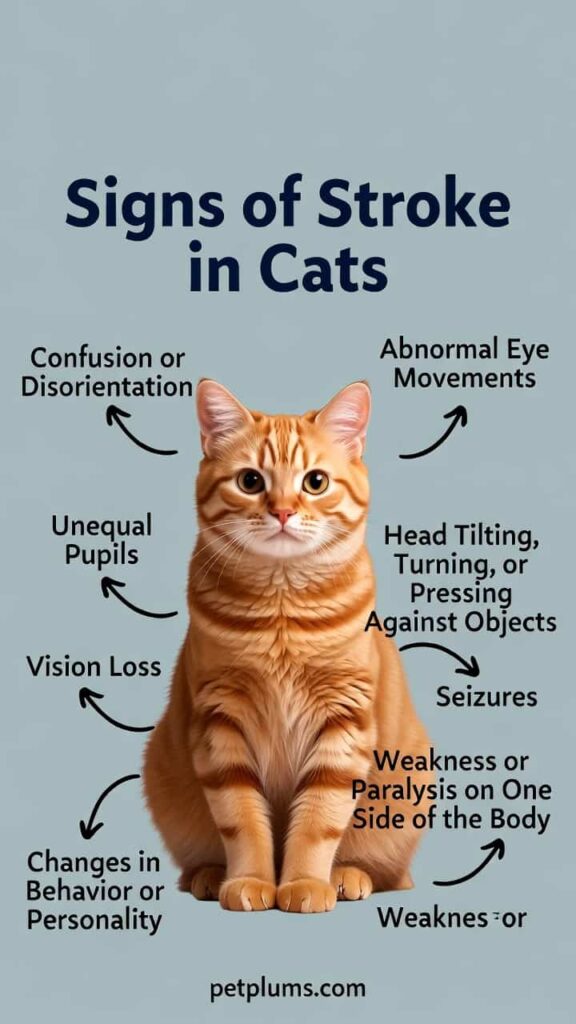
When it comes to cat stroke symptoms, the key is spotting changes in behavior that seem out of the blue. Cats are masters at hiding illness, so subtle shifts might be your only clue. One of the most common signs is sudden disorientation. Your cat might bump into furniture, circle endlessly, or seem confused in familiar spaces. This isn’t just clumsiness; it’s a neurological red flag.
Another telltale symptom is head tilting. If your cat’s head is cocked to one side and they can’t straighten it, that’s a classic indicator. Paired with this, you might notice nystagmus – rapid eye movements back and forth. It’s unsettling to see, but it’s the brain trying to compensate for the imbalance.
Furthermore, weakness or paralysis on one side of the body is a big one. Your cat could drag a leg, have trouble jumping, or even collapse. In severe cases, they might not be able to stand at all. Vocal changes can occur too – excessive meowing or silence when they’re usually chatty.
Let’s not forget about vision problems. A stroke can cause sudden blindness in one or both eyes, leading to your cat walking into walls or hesitating in bright light. Appetite loss is common as well; if they’re not eating or drinking, dehydration can worsen the situation.
Additionally, seizures might accompany a stroke. These can range from mild twitching to full-body convulsions. If you see this, it’s an emergency. Behavioral changes like aggression or withdrawal are subtler but important. Your once-cuddly cat might hide or snap at you.
To illustrate, imagine your cat suddenly pressing their head against a wall – that’s called head pressing, and it’s a serious sign of brain distress. Vomiting or incontinence could also appear. By recognizing these cat stroke symptoms early, you can rush to the vet and improve outcomes.
Expanding on this, let’s break down symptoms by category for clarity.
Physical Symptoms of a Cat Stroke
Physically, strokes hit hard and fast. Limb weakness is often the first noticeable issue. For instance, a cat might favor one side, limping or refusing to put weight on a paw. This asymmetry is key – if it’s bilateral, it might be something else like arthritis.
Balance issues are huge too. Cats with strokes often have ataxia, meaning uncoordinated movements. They might sway, fall over, or walk in circles (circling behavior). This stems from damage to the cerebellum, the brain’s balance center.
Facial drooping can occur, similar to humans. One side of the face might sag, with uneven pupils or drooling. If your cat’s whiskers are lopsided or their third eyelid is visible, take note.
Behavioral and Cognitive Symptoms
On the behavioral side, confusion reigns supreme. Your cat might not recognize you or forget where their litter box is. This cognitive dysfunction can mimic dementia in senior cats, but a sudden onset points to a stroke.
Lethargy is another symptom – they’re not just tired; they’re unresponsive. Conversely, some cats become hyperactive, pacing restlessly. Mood swings are possible; a stroke can alter personality temporarily.
Sensory Symptoms
Sensory losses include blindness or deafness on one side. Your cat might not respond to sounds or lights from a certain direction. Pain might not be evident, but discomfort shows in grooming neglect or hiding.
In summary, cat stroke symptoms vary but share a sudden onset. If you spot two or more, don’t wait.
What Causes Strokes in Cats?
Understanding the causes behind cat stroke symptoms can help prevent them. The primary culprit is often cardiovascular issues. High blood pressure, or hypertension, is a silent killer in cats, especially those with kidney disease or hyperthyroidism. When blood pressure spikes, it can damage vessels leading to the brain.
Heart conditions like cardiomyopathy weaken the heart’s ability to pump blood, allowing clots to form. These clots can travel to the brain, causing an ischemic stroke. Parasites like heartworms, though rarer in cats, can contribute similarly.
Additionally, trauma – a fall or hit to the head – can trigger hemorrhagic strokes by rupturing vessels. Infections, such as bacterial meningitis or viral encephalitis, inflame the brain and increase stroke risk.
Cancer is another factor; tumors can press on blood vessels or metastasize, disrupting flow. Metabolic disorders like diabetes or liver disease affect blood clotting, making strokes more likely.
Environmental toxins, like certain pesticides or plants, can induce strokes too. Obesity exacerbates all these risks by straining the heart and vessels.
However, sometimes strokes are idiopathic – no clear cause. Genetics play a role; breeds like Persians or Siamese might be predisposed due to congenital issues.
By addressing underlying conditions, you can reduce risks. Regular vet check-ups are crucial for early detection.
When Should You See a Vet for Cat Stroke Symptoms?
If you suspect cat stroke symptoms, time is of the essence. Strokes are medical emergencies, and delaying can lead to permanent damage or death. Head to the vet or emergency clinic immediately if your cat shows sudden neurological changes.
Even if symptoms resolve quickly – called a transient ischemic attack (TIA) – get checked. TIAs often precede full strokes.
At home, monitor closely. Note the onset time, symptom duration, and any triggers. This info helps the vet.
Don’t try home remedies; aspirin or human meds can harm cats. Supportive care like a quiet space and easy access to food/water is okay, but professional help is non-negotiable.
How Are Cat Strokes Diagnosed?
Diagnosis starts with a thorough history and physical exam. Your vet will assess neurological function – checking reflexes, balance, and eye movements.
Blood tests rule out underlying issues like hypertension or infection. Imaging is key; MRI or CT scans visualize brain damage, though not all clinics have them.
Ultrasound might check the heart for clots. In some cases, a spinal tap analyzes fluid for inflammation.
Differential diagnosis is important – symptoms mimic vestibular disease, toxins, or tumors. A specialist neurologist might be consulted for complex cases.
Accuracy in diagnosis guides treatment, so be patient with the process.
Also Read: Simple Ways to Recognize Cat Happiness and Good Health
Treatment Options for Cats After a Stroke
Treating cat stroke symptoms focuses on stabilization and addressing causes. Oxygen therapy helps if breathing is impaired. IV fluids combat dehydration.
Medications vary: anticoagulants prevent clots, antihypertensives lower blood pressure, and anti-seizure drugs control convulsions.
For hemorrhagic strokes, surgery might remove clots, but it’s rare in cats due to size.
Supportive care includes physical therapy to regain strength. Nutrition is vital; feeding tubes ensure intake if swallowing is affected.
Holistic approaches like acupuncture show promise for recovery, though evidence is anecdotal.
Prognosis depends on severity; mild cases recover in weeks, severe ones might need ongoing care.
Recovery and Rehabilitation: Helping Your Cat Bounce Back
Recovery from a stroke can be inspiring. Many cats regain function with time and therapy. Start with a safe environment – ramps for access, non-slip floors.
Physical exercises like gentle massages or assisted walking build strength. Puzzle toys stimulate the brain.
Monitor progress; journal symptoms to track improvements. Emotional support matters – cats sense stress, so stay calm.
Long-term, manage underlying conditions with meds or diet. Regular follow-ups prevent recurrences.
Some cats have residual effects like a slight limp, but most adapt wonderfully.
Prevention Tips to Avoid Cat Stroke Symptoms
Prevention is better than cure. Maintain a healthy weight through diet and play. Annual vet visits catch issues early.
Control blood pressure with meds if needed. Heartworm preventatives are essential in endemic areas.
A balanced diet rich in omega-3s supports vascular health. Avoid toxins; keep harmful substances locked away.
Stress reduction – provide enrichment like scratching posts. For seniors, senior-specific check-ups are key.
By being proactive, you minimize risks.
Real-Life Stories: Cats Who Survived Strokes
Hearing from others can be reassuring. Take Whiskers, a 10-year-old tabby who suddenly collapsed. His owner noticed head tilting and rushed him to the vet. Diagnosed with an ischemic stroke from hypertension, he received treatment and recovered fully in a month.
Or Luna, who had seizures post-stroke. With meds and therapy, she’s back to her playful self.
These stories highlight hope – with quick action, outcomes are positive.
For more expert advice, check out the Asigns of stroke in catsmerican Veterinary Medical Association’s page on feline health: AVMA Feline Health Resources.
Frequently Asked Questions About Cat Stroke Symptoms
What are the first signs of a stroke in a cat?
The first signs often include sudden disorientation, head tilting, and weakness on one side.
Can cats fully recover from a stroke?
Yes, many do, especially with prompt treatment.
How can I tell if it’s a stroke or something else?
Vet diagnosis is essential; symptoms overlap with other conditions.
Are certain breeds more prone to strokes?
Breeds with heart issues, like Maine Coons, might be at higher risk.
What should I do if I suspect a stroke?
Go to the vet immediately – don’t wait.
Conclusion: Stay Vigilant for Your Cat’s Health
In wrapping up, unusual cat behavior could indeed signal a stroke, and knowing cat stroke symptoms empowers you to act. From understanding causes to embracing prevention, this guide equips you for better pet parenting. Remember, your cat relies on you – stay observant, and cherish those purrs.