Cats Sniff Human Breath for a Fascinating Reason
Discover why cats Sniff human breath – from powerful senses and the Flehmen response to detecting health changes and showing affection. Uncover the fascinating science behind this adorable cat behavior!
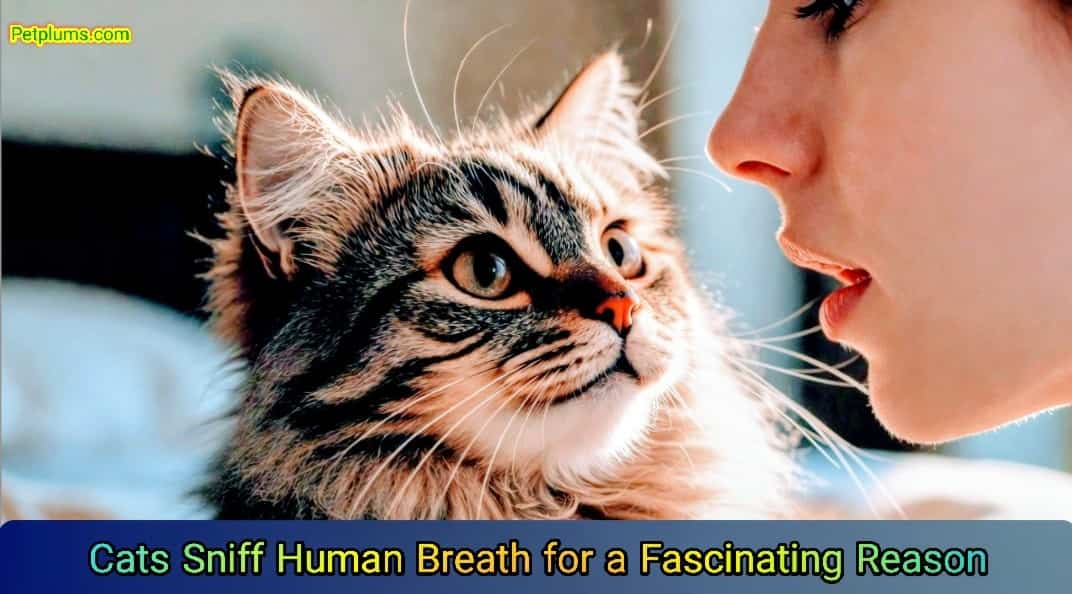
Have you ever woken up to your cat’s nose pressed right up against your mouth, taking a deep sniff of your breath? It’s one of those quirky behaviors that cat owners know all too well, but it often leaves us scratching our heads. Why do cats sniff breath? This seemingly odd habit is actually rooted in their incredible sense of smell and natural instincts. In this in-depth article, we’ll explore the science behind it, the evolutionary reasons, and what it means for your bond with your feline friend. Whether you’re a seasoned cat parent or just curious about feline senses, you’ll discover why this behavior is more than just a random act—it’s a window into how cats perceive the world.
As we dive deeper, you’ll see how understanding why cats sniff breath can enhance your relationship with your pet. From detecting subtle changes in your health to simply saying hello in their own way, cats use their noses to gather a wealth of information. Let’s break it down step by step, starting with the basics of a cat’s olfactory prowess.
The Power of a Cat’s Sense of Smell
Cats have an extraordinary sense of smell that’s far superior to ours. While humans have about 5 million scent receptors, cats boast around 200 million. This makes their noses incredibly sensitive to even the faintest odors. Furthermore, cats rely on smell as their primary sense for navigating the environment, much more than vision or hearing. For instance, when a cat enters a new room, they don’t just look around—they sniff everything to map out what’s safe, familiar, or interesting.
In addition, this heightened sense plays a crucial role in social interactions. Cats use scents to identify family members, mark territory, and even detect emotions. So, when your cat sniffs your breath, they’re not being nosy for no reason; they’re collecting data about you. This behavior ties directly into why cats sniff breath—it’s a quick way to check in on their human companions.
Moreover, the anatomy of a cat’s nose is designed for efficiency. Air flows through nasal passages lined with specialized cells that capture scent molecules. However, cats have an extra tool up their sleeve: the vomeronasal organ, also known as Jacobson’s organ. Located in the roof of their mouth, this organ allows them to “taste” smells by drawing air over it. This is why you might see your cat making a funny face—lips curled back, mouth slightly open—after sniffing something intriguing. It’s called the Flehmen response, and it’s a key part of how cats process complex scents like those in human breath. 1
Transitioning to the specifics, let’s examine how this applies to human breath. Your exhale carries a mix of odors from what you’ve eaten, your overall health, and even your mood through pheromones. Cats pick up on these nuances effortlessly, turning a simple sniff into a detailed analysis.
RELATED
Unpacking the Flehmen Response: Nature’s Scent Analyzer
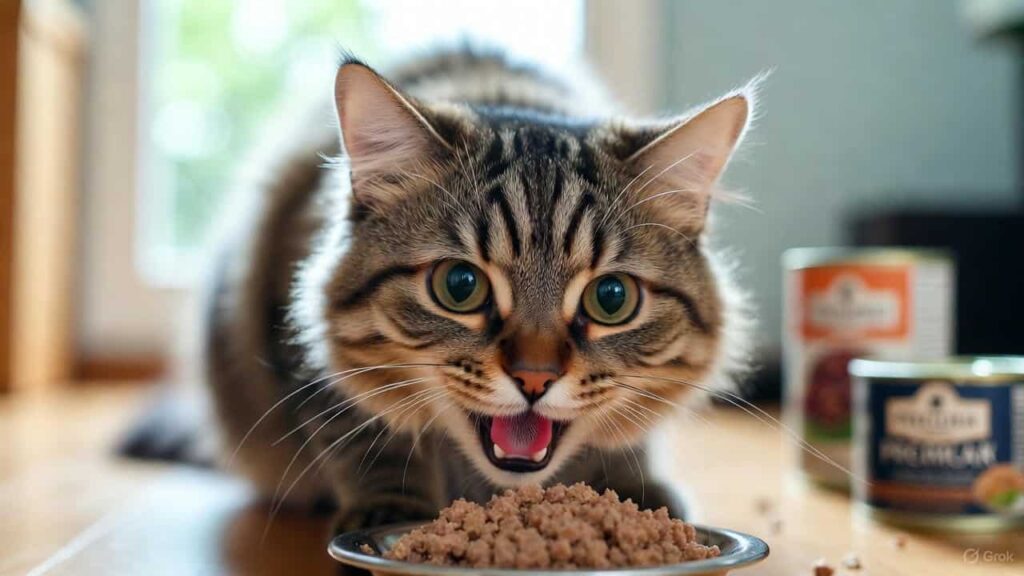
One of the most fascinating aspects of why cats sniff breath is the Flehmen response. This isn’t just a goofy expression; it’s a sophisticated biological mechanism. When a cat encounters a scent that’s particularly interesting or complex, they open their mouth to direct the air toward the vomeronasal organ. This organ then deciphers pheromones and other chemical signals that regular sniffing might miss.
For example, if you’ve just brushed your teeth or eaten something pungent like garlic, your cat might trigger this response to better understand the new smell. However, it’s not limited to food odors. Cats can detect hormonal changes, such as those from stress or illness, through this method. In fact, studies show that cats use the Flehmen response to gather social information, much like how we read facial expressions. 15
Additionally, this behavior is common across many animals, including horses and big cats like lions. In domestic cats, it’s often seen during play, after meeting new people, or yes—when sniffing human breath. If your cat does this frequently, it could indicate they’re deeply bonded to you, as they’re investing time in analyzing your personal scent profile.
But why focus on breath specifically? Breath is a direct emission from your body, carrying unfiltered clues about your internal state. Unlike skin or clothing scents, which might be mixed with external factors, breath provides a pure snapshot. This leads us to the core reasons behind this intriguing habit.
The Top Reasons Why Cats Sniff Human Breath
Now that we’ve covered the basics, let’s delve into the specific motivations. There are several explanations for why cats sniff breath, each backed by observations from veterinarians and cat behaviorists. We’ll explore them one by one, with real-world examples to illustrate.
1. Curiosity and Exploration
First and foremost, cats are naturally curious creatures. Their world is full of mysteries, and your breath is just another puzzle to solve. If you’ve recently eaten, drunk coffee, or even used mouthwash, the novel scents can pique their interest. For instance, a cat might sniff your breath after breakfast to investigate the aroma of eggs or bacon.
Moreover, this curiosity isn’t random—it’s how cats learn about their environment. In a household setting, you’re a central part of that world, so sniffing your breath helps them stay updated on changes. This behavior is especially common in kittens, who are still figuring out human habits, but adult cats do it too as a form of ongoing exploration.
2. Identifying You and Building Familiarity
Cats don’t rely on sight as much as we do for recognition. Instead, smell is their go-to sense for identifying friends and family. When your cat sniffs your breath, they’re essentially confirming, “Yes, that’s my human.” Your breath carries a unique signature of bacteria, diet, and personal chemistry that no one else has.
In addition, this helps strengthen the bond. By associating your scent with safety and comfort, cats feel more secure. If you’ve been away for the day, a quick breath sniff upon your return is like a reassuring hello. It’s a subtle way they reaffirm their connection, similar to how they rub against your legs to leave their own scent.
3. Detecting Health and Emotional Changes
One of the more surprising reasons why cats sniff breath is their ability to sense when something’s off with your health. Cats can detect subtle shifts in body chemistry, such as those caused by illness, stress, or even pregnancy. For example, if you’re coming down with a cold, your breath might carry markers of infection that your cat picks up on. 10
Furthermore, anecdotal evidence from cat owners suggests that felines often become more attentive or cuddly when their humans are unwell. This could be because they’re smelling changes in pheromones or volatile organic compounds in your breath. While not as trained as service dogs, cats have an innate knack for this, making them unofficial health monitors.
On the emotional side, stress hormones like cortisol can alter your scent. If you’re anxious, your cat might sniff your breath to gauge your mood and offer comfort in their own way—perhaps by purring or sitting nearby.
4. Seeking Comfort and Affection
Your scent is comforting to your cat. Just as babies find solace in their parents’ smell, cats associate your breath with home and security. Sniffing it can be a soothing ritual, especially during quiet moments like bedtime.
Moreover, this behavior often overlaps with affection. Many cats combine sniffing with head-butting or licking, turning it into a bonding session. It’s their version of a hug or kiss, showing trust and love.
5. Investigating Food and Diet Clues
Let’s not forget the practical side—cats are opportunistic eaters. If your breath smells like tuna or chicken, they might be checking if there’s food involved. This is particularly true after meals, where residual odors linger.
However, it’s not always about begging. Cats are simply intrigued by what you’ve consumed, as it tells them about your daily activities. This ties back to their curiosity, blending information-gathering with potential snack opportunities.
6. Greeting and Social Interaction
In cat language, sniffing is a standard greeting. Wild cats sniff each other’s faces to exchange information, and domestic cats extend this to humans. When your cat sniffs your breath, it’s like saying, “Hi, what’s new with you?”
Additionally, this can be a sign of respect or submission in multi-pet households, but with humans, it’s more about inclusion in their social circle.
7. Instinctual Behavior from Evolution
Finally, this habit has deep evolutionary roots. Ancestral cats used scent to survive—detecting prey, avoiding predators, and communicating with the group. Modern cats retain these instincts, applying them to household life.
For instance, in the wild, sniffing breath could reveal if a companion is healthy or injured. Today, it translates to checking on you, their “pack” member.
Evolutionary Insights: From Wild Cats to Couch Companions
To fully appreciate why cats sniff breath, we need to look back at their wild ancestors. Domestic cats descend from African wildcats, solitary hunters who relied heavily on smell for survival. In the wild, scent marking and analysis were essential for territory, mating, and hunting.
Transitioning to domestication, cats adapted these skills to human environments. Over thousands of years, they’ve learned to interpret human scents as part of their social structure. Breath sniffing, in particular, might have evolved as a way to monitor the health of their human providers, ensuring the “pride” remains strong.
Moreover, comparative studies with big cats show similar behaviors. Lions, for example, use the Flehmen response to assess mates or rivals. This suggests that breath sniffing is an ingrained trait, honed by natural selection.
In modern times, this evolution manifests in quirky ways. Urban cats, with fewer wild threats, channel their sniffing instincts into everyday interactions, making your breath a focal point of their curiosity.
Health Implications: What Your Cat’s Sniffing Might Reveal
Beyond the cute factor, why cats sniff breath can have practical health implications. For cats, persistent sniffing might indicate they’re detecting something unusual in you. If your cat suddenly becomes obsessed with your mouth, it could be worth checking your own health—perhaps a dental issue or early signs of illness.
Conversely, if your cat’s breath smells bad, that’s a red flag for their health. Feline halitosis can signal dental disease, kidney problems, or diabetes. Regular vet check-ups are crucial, as cats often hide symptoms.
Furthermore, understanding this behavior can help with training. If sniffing becomes intrusive, gentle redirection with toys can maintain boundaries without discouraging affection.
For more on common cat behaviors and health tips, check out this resource from the ASPCA: Common Cat Behaviors.
Stories from Cat Owners: Real-Life Experiences
To humanize this topic, let’s share some anecdotes. Take Sarah from New York, who noticed her tabby, Whiskers, sniffing her breath more after she started a new job. “It was like he knew I was stressed,” she says. “He’d curl up closer, purring away my worries.”
Similarly, Mike in California recalls his cat detecting his flu before symptoms hit. “She wouldn’t stop sniffing my face. The next day, I was down with fever. Cats are amazing!”
These stories highlight the emotional depth of why cats sniff breath. They’re not just pets—they’re intuitive companions.
Related Behaviors: Beyond Breath Sniffing
Sniffing breath is part of a broader repertoire of feline senses. Cats also sniff butts (in other cats), feet, or even laundry. Each serves a purpose: butt sniffing exchanges glandular info, while feet reveal where you’ve been.
In addition, head-butting (bunting) often follows sniffing, depositing pheromones to claim you. Understanding these helps decode your cat’s language.
Tips for Cat Owners: Encouraging Healthy Interactions
If you want to foster this bond, create scent-rich environments with safe herbs like catnip. However, if sniffing turns aggressive, consult a vet to rule out issues.
Moreover, maintain good oral hygiene for both you and your cat to keep breaths fresh and interactions pleasant.
RELATED
Myths and Misconceptions Debunked
Myth: Cats sniff breath because they’re hungry. Fact: While food smells attract them, it’s more about info.
Myth: It’s a sign of dominance. Fact: It’s usually affectionate or curious.
By busting these, we appreciate the true reasons why cats sniff breath.
People Also Ask
Conclusion: Embracing the Mystery of Feline Affection
In wrapping up, why cats sniff breath reveals a world of instinct, affection, and intelligence. From the Flehmen response to health detection, this behavior enriches our understanding of cats. Next time your furry friend gets up close, remember—it’s their way of connecting. Cherish these moments; they’re what make cat ownership so rewarding.