5 Proven Signs Your Cat Is Healthy
Discover 5 Proven Signs your cat is healthy, from a shiny coat and bright eyes to playful energy and perfect litter habits. Keep your feline friend thriving!
As a cat owner, there’s nothing quite like the peace of mind that comes from knowing your furry friend is thriving. Cats are masters of mystery, often hiding any signs of discomfort until things get serious. But what if you could spot the positive indicators early on? That’s where understanding healthy cat signs becomes invaluable. In this comprehensive guide, we’ll dive deep into five proven signs that your cat is in top shape. Whether you’re a first-time pet parent or a seasoned cat enthusiast, recognizing these cues can help you foster a stronger bond and ensure your kitty lives a long, vibrant life.
Before we jump in, let’s consider why monitoring your cat’s health matters so much. Cats, unlike dogs, aren’t always vocal about their well-being. They evolved as solitary hunters, so instinct tells them to mask vulnerabilities. However, by paying attention to subtle healthy cat signs, you can catch potential issues before they escalate. According to veterinary experts, regular home checks combined with annual vet visits can extend a cat’s lifespan significantly. Plus, it’s just rewarding to see your cat purring contentedly, knowing you’ve got their back.
In the sections ahead, we’ll explore each sign in detail, breaking down what to look for, why it indicates good health, and even some tips to maintain it. We’ll also touch on related aspects like nutrition, environment, and common misconceptions. By the end, you’ll feel empowered to assess your cat’s health with confidence. So, grab a cup of coffee, settle in with your feline companion nearby, and let’s get started on this journey to better understanding healthy cat signs.
RELATED
Introduction to Cat Health Monitoring
To truly appreciate healthy cat signs, it’s essential to start with the basics of cat physiology and behavior. Cats are obligate carnivores, meaning their bodies are designed for a meat-based diet, which directly impacts their overall vitality. When everything is functioning smoothly, you’ll notice a harmony in their daily routines. But how do you differentiate between a quirky habit and a genuine healthy cat sign?
First off, consider the role of observation. Spending just 10-15 minutes a day watching your cat can reveal volumes. Look at their posture, movement, and interactions. A healthy cat often exhibits a relaxed demeanor, with ears perked up and a tail that’s neither tucked nor aggressively swishing. Moreover, their coat should gleam under light, a telltale healthy cat sign that’s hard to miss.
Transitioning to the bigger picture, environmental factors play a huge role. Indoor cats, for instance, might show different healthy cat signs compared to outdoor explorers. Providing scratching posts, toys, and high perches can enhance their physical and mental health, leading to more evident positive indicators. Additionally, regular grooming sessions not only strengthen your bond but also allow you to spot any anomalies early.
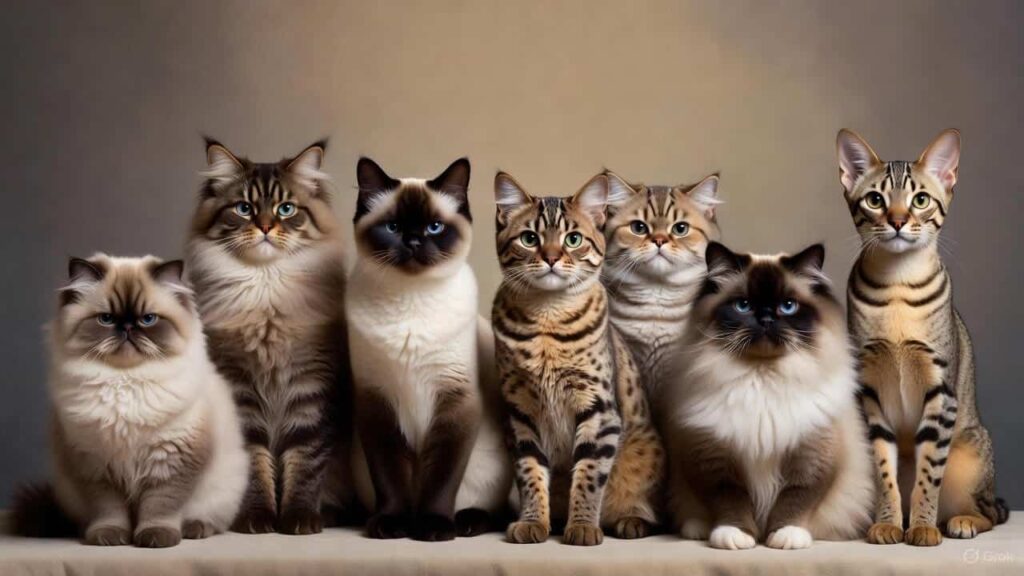
Now, you might wonder about age differences. Kittens display boundless energy as a healthy cat sign, while senior cats might show it through consistent napping patterns without lethargy. Understanding these nuances ensures you’re not misinterpreting normal aging for health decline. Furthermore, breed-specific traits matter—think of the sleek fur on a Siamese versus the fluffy coat of a Persian. Each has unique healthy cat signs tailored to their genetics.
Delving deeper, let’s talk about the science behind it. Hormones like cortisol (stress) and endorphins (happiness) influence visible health markers. A balanced diet rich in taurine supports heart and eye health, contributing to those bright, alert eyes we’ll discuss later. In fact, studies from veterinary journals highlight how omega-3 fatty acids promote skin health, another key healthy cat sign.
But what if your cat is hiding something? Cats are pros at compensation—limping less if they’re in pain to avoid predators in the wild. That’s why proactive monitoring is key. Start a simple journal: note daily eating habits, playtime, and litter box use. Over time, patterns emerge, making healthy cat signs easier to identify.
As we move forward, remember that these signs aren’t isolated. They interconnect, painting a holistic picture of your cat’s well-being. For example, a shiny coat often correlates with good digestion, which ties into appetite. So, while we’ll break them down individually, think of them as pieces of a puzzle.
In summary, embracing healthy cat signs isn’t about paranoia; it’s about celebration. When your cat exhibits these traits, it’s a pat on the back for your caregiving. Now, let’s transition to the first proven sign: a shiny coat and healthy skin.
Sign 1: Shiny Coat and Healthy Skin
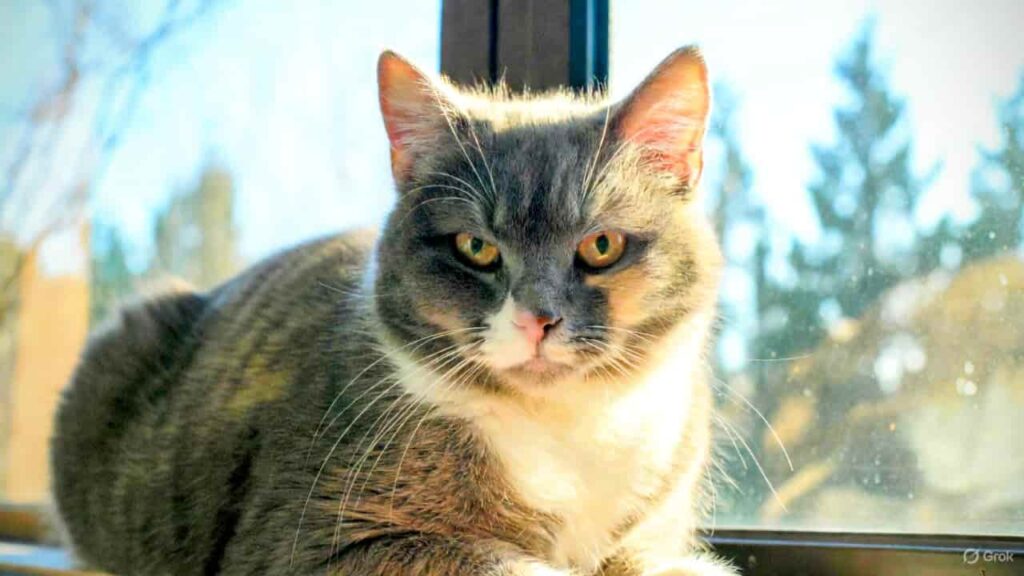
One of the most immediate healthy cat signs is a lustrous coat paired with supple skin. Imagine running your fingers through fur that’s soft, vibrant, and free of mats—it’s like petting a living silk scarf. This isn’t just aesthetic; it’s a window into your cat’s internal health.
Why does a shiny coat matter? The fur acts as a barrier against elements, regulates temperature, and even communicates mood through piloerection (when hairs stand up). A healthy coat reflects proper sebum production from sebaceous glands, which waterproofs and conditions the fur. If your cat’s coat lacks shine, it could signal nutritional deficiencies or parasites, but when it’s glossy, you’re likely on the right track.
To spot this healthy cat sign, observe during grooming. Does the fur bounce back when brushed? Is there minimal shedding outside seasonal changes? Healthy skin underneath should be pinkish (or pigmented appropriately for the breed) without redness, flakes, or bald spots. Moreover, no excessive scratching or biting indicates comfort.
Transitioning to causes, diet is paramount. High-quality cat food with balanced proteins, fats, and vitamins like biotin and zinc promotes coat health. For instance, incorporating wet food can boost hydration, preventing dry skin. Additionally, regular brushing removes dead hair and distributes natural oils, enhancing that shine.
But what about external factors? Environmental allergens like dust or pollen can dull a coat, so keeping your home clean helps. Furthermore, parasites such as fleas disrupt skin integrity, leading to itchiness. A healthy cat sign here is the absence of flea dirt (black specks) in the fur.
Let’s explore breed variations. Short-haired cats like Abyssinians show shine more readily, while long-haired breeds like Maine Coons require more maintenance to avoid mats, which can hide healthy cat signs. In kittens, a plush coat indicates good maternal care and nutrition during weaning.
On a deeper level, hormonal balance affects this sign. Hyperthyroidism, common in older cats, can cause greasy fur, contrasting with the desired shine. Conversely, a balanced thyroid supports vibrant coats. Veterinary check-ups, including blood tests, can confirm this.
Tips for maintenance: Introduce fish oil supplements (vet-approved) for omega-3s. Brush daily for bonding and health checks. If you notice changes, like sudden dullness, consult a vet— it might be allergies or kidney issues.
Personal anecdote: My own cat, Whiskers, had a coat that dulled during a food switch. Switching back to a grain-free option restored the gloss, reinforcing how diet ties into healthy cat signs.
In essence, a shiny coat isn’t vanity; it’s vitality. As we shift to the next sign, remember how skin health links to overall sensory functions, like those bright eyes we’ll discuss.
Sign 2: Bright Eyes and Clear Nose
Moving on, another unmistakable healthy cat sign is bright, clear eyes coupled with a moist, clean nose. Eyes are often called windows to the soul, and for cats, they’re windows to health. A healthy cat’s eyes sparkle with curiosity, free from discharge or cloudiness.
What makes eyes bright? It’s the clarity of the cornea and lens, supported by adequate tear production. This prevents dryness and infections. A clear nose, meanwhile, indicates unobstructed respiratory passages, essential for scent detection—cats rely on smell for 70% of their environmental interaction.
To check this healthy cat sign, gently part the eyelids. The whites (sclera) should be white, not yellow or red. Pupils should dilate evenly in light changes. The nose should be cool and damp, without crust or excessive sneezing. If your cat blinks slowly at you, that’s not just affection; it’s a sign of relaxed, healthy eyes.
Diet plays a role here too. Vitamin A from liver or carrots (in moderation) supports retinal health. Hydration keeps mucous membranes moist, preventing dry nose syndrome. Additionally, vaccinations against viruses like feline herpes protect against eye infections.
Environmental considerations: Dust-free litter reduces irritants. Humidifiers in dry climates maintain nose moisture. Furthermore, avoiding smoke or strong scents preserves this healthy cat sign.
Age factors: Kittens’ eyes change color around 6-8 weeks, settling into vibrant hues. Seniors might develop minor lens opacity, but clarity remains a key healthy cat sign unless progressive.
Scientifically, eye health ties to systemic conditions. Diabetes can cause cataracts, dulling brightness. Regular glucose checks in at-risk cats help. Moreover, third eyelid protrusion (nictitating membrane) shouldn’t be visible constantly—that’s a red flag.
Maintenance tips: Wipe eyes with a damp cloth if needed. Use vet-recommended eye drops for dryness. Observe for squinting, which could indicate pain.
In my experience, cats with outdoor access sometimes get minor scratches, but quick vet intervention keeps eyes bright. This sign connects seamlessly to appetite, as we’ll see next, since sensory health influences eating.
Sign 3: Good Appetite and Weight
Now, let’s discuss a healthy cat sign that’s easy to monitor daily: a consistent appetite and stable weight. A cat who eagerly approaches their bowl and maintains an ideal body condition score is likely thriving internally.
Why is this important? Appetite reflects digestive health, hormone balance, and even mood. Cats need about 200-300 calories daily, depending on size, and consistent intake ensures nutrient absorption. Weight stability prevents obesity or emaciation, both linked to diseases.
Spotting it: Does your cat eat steadily without begging excessively? Can you feel ribs without seeing them? That’s the gold standard for healthy cat signs in this category. Use a scale weekly for precision.
Nutrition breakdown: High-protein diets mimic wild eating, supporting muscle mass. Wet food aids hydration, crucial for kidney health. Transition words like moreover highlight how treats should be limited to 10% of calories to avoid weight gain.
Factors influencing: Stress from changes like moving can suppress appetite temporarily. However, persistent issues warrant vet visits. Parasites like worms steal nutrients, disrupting this sign.
Breed notes: Active breeds like Bengals need more calories, showing appetite as a healthy cat sign through play post-meal. Lazier Persians might eat less but maintain weight.
Deeper insights: Thyroid function regulates metabolism; hyperthyroidism causes weight loss despite good appetite. Blood panels detect this early.
Tips: Portion control with measured feeders. Encourage foraging toys for mental stimulation. If appetite drops, try warming food to enhance aroma.
Linking ahead, good digestion leads to energy, our next sign.
RELATED
Sign 4: Playful Behavior and Energy
Shifting focus, playful behavior and appropriate energy levels are vibrant healthy cat signs. A cat zooming around, batting toys, or curiously exploring screams good health.
Significance: Play mimics hunting, keeping muscles toned and mind sharp. Energy balance prevents lethargy from illnesses like anemia.
Observation: Kittens play nonstop; adults have bursts. Seniors nap more but still engage. Lack of play could signal arthritis.
Support: Interactive toys like laser pointers. Enriched environments with cat trees.
Influences: Diet fuels energy; deficiencies cause fatigue. Spaying/neutering stabilizes behavior.
Science: Endorphins from play reduce stress, boosting immunity.
Tips: Schedule playtime. Watch for overexertion in heat.
This ties to litter habits, as energy affects routine.
Sign 5: Regular Litter Box Habits
Finally, regular litter box use is a discreet yet crucial healthy cat sign. Consistent urination and defecation indicate kidney, bladder, and gut health.
Details: 2-4 urinations daily, soft but formed stools. No straining or accidents.
Why? Hydration and fiber prevent constipation. Infections alter patterns.
Monitoring: Clean box daily to note changes.
Diet role: Wet food promotes urine volume.
Issues: Crystals in urine for males; vet checks needed.
Tips: Multiple boxes in multi-cat homes.
Beyond the Signs: Tips for Long-Term Health
To sustain these healthy cat signs, consider holistic approaches. Regular vet visits, vaccinations, and parasite prevention are foundational. Nutrition tailored to life stage—kitten, adult, senior—ensures balance.
Exercise: Indoor cats need stimulation to avoid boredom-induced issues.
Grooming: Regular sessions spot problems early.
Mental health: Pheromone diffusers for anxiety.
Common myths: Debunking “cats have nine lives” – they need care.
For in-depth vet advice, check the American Veterinary Medical Association’s pet health resources here.
Frequently Asked Questions About Cat Health
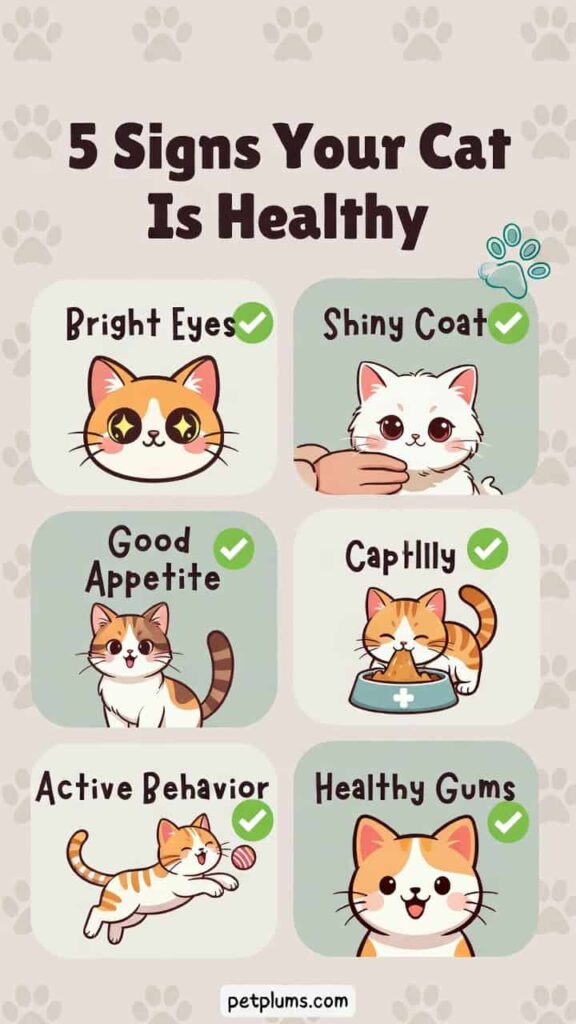
The 5 proven signs your cat is healthy include: 1) Shiny, smooth coat, 2) Bright, clear eyes, 3) Good appetite and stable weight, 4) Playful and energetic behavior, 5) Regular, normal litter box habits.
A healthy cat coat is shiny, smooth, free of dandruff, mats, or bald patches. It should feel soft and look glossy when light hits it — this is one of the most visible signs your cat is healthy.
Bright, clear eyes with no discharge, cloudiness, or redness are a strong sign your cat is healthy. The eyes should look alert and sparkle with curiosity.
Yes — a consistent, healthy appetite and stable body weight (not too thin or overweight) are important signs your cat is healthy. Sudden changes in eating habits need attention.
Regular play, zoomies, hunting toys, and curious exploration are excellent signs your cat is healthy — especially in younger and middle-aged cats.
A healthy cat usually urinates 2–4 times and poops 1–2 times daily. Stool should be well-formed, and there should be no straining, blood, or accidents outside the box.
Yes! Senior cats may be calmer, but they can still show a shiny coat, bright eyes, good appetite, interest in gentle play, and normal litter habits — just at a more relaxed pace.
Observe daily during petting, feeding, and playtime. Do a quick full-body check weekly. Any sudden change in these 5 proven signs your cat is healthy deserves a vet visit.
Absolutely. High-quality protein-rich food, proper hydration, and essential fatty acids (omega-3s) directly improve coat shine, energy, eye health, and digestion.
Even if your cat shows most of the 5 proven signs your cat is healthy, sudden weight loss, increased thirst, vomiting, or behavior changes mean you should see a vet — cats hide illness very well.
Mostly yes. However, outdoor cats may have slightly more wear on their coat and claws, but the core 5 proven signs your cat is healthy remain the same.
Conclusion
In wrapping up, recognizing these five proven healthy cat signs empowers you as a cat owner. From shiny coats to regular routines, each indicator weaves into a tapestry of well-being. Stay observant, provide love, and your cat will thank you with years of companionship. Remember, if doubts arise, a vet is your best ally. Here’s to many happy, healthy days with your feline friend!