
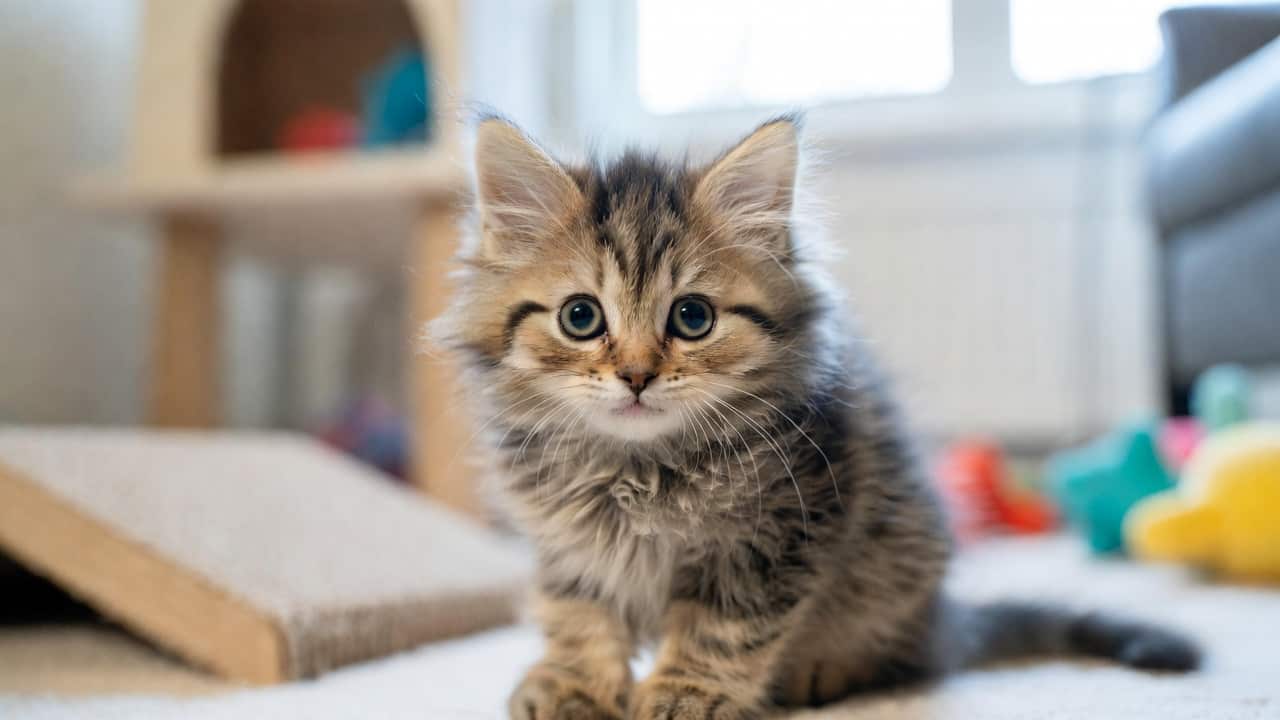
Understanding Your Kit: Important Signs Every Owner Should Know
Learn how to understand your kitten’s behavior, body language, and health signals. Discover the most important signs every kitten owner should know to keep their pet happy, healthy, and stress-free.
I am sharing my personal experience here only for educational purposes so that my esteemed readers can stay connected and benefit greatly from the insights from these experiences.As a cat owner who’s raised a few litters of kittens over the years, I’ve learned that these little furballs are full of surprises. They’re not just cute—they’re complex little creatures with their own ways of communicating. Watching for important kit signs can make all the difference in catching issues early or simply enjoying their quirky personalities. In my experience, ignoring subtle cues led to a couple of unnecessary vet trips, but paying attention turned me into a more confident pet parent.
Kittens grow so fast, from wobbly newborns to adventurous explorers in just weeks. Understanding what their bodies and behaviors are telling you isn’t about being paranoid; it’s about building that bond. Many cat parents notice changes but aren’t sure what they mean—I’ve been there with my first rescue kitten, Whiskers, who taught me a ton just by being his mischievous self.
Spotting Physical Health Clues in Your Kitten
Kittens are resilient, but their tiny bodies can show distress in ways that aren’t always obvious. One key area is their eyes and nose—clear indicators of overall wellness. For instance, if you see excessive tearing or a runny nose, it might not just be dust; it could signal an upper respiratory infection, common in young cats from shelters.
Think about why this happens: Kittens’ immune systems are still developing, making them prone to viruses like feline herpesvirus. In my home, when one of my kittens started sneezing with goopy eyes, a quick vet check confirmed it was a mild case. We treated it with supportive care, like keeping the area humid, and she bounced back in days.
Checking Coat and Skin for Hidden Issues
A kitten’s fur should feel soft and look shiny—any dullness or flakiness might point to nutritional gaps or parasites. Fleas are a big culprit; they thrive in warm environments and cause itching that leads to hair loss. I’ve dealt with this when adopting street kittens—scratching behind the ears or along the back is a red flag.
Why does the coat matter so much? It’s their first line of defense against the elements and reflects internal health. Poor grooming could mean pain or lethargy, so always feel for lumps or hot spots during playtime.
- Bald patches: Often from over-grooming due to stress or allergies.
- Oily fur: Might indicate a diet low in essential fatty acids.
- Dandruff: Could be dehydration or a skin infection brewing.
Ears and Mouth: Overlooked Windows to Wellness
Don’t forget the ears—clean and pink inside is ideal. Dark wax or a bad smell? That screams ear mites, tiny pests that irritate and cause head shaking. My tabby kitten once tilted her head oddly; turns out, mites were the issue, easily fixed with vet-prescribed drops.
Mouth checks are trickier with squirmy kits, but bad breath beyond normal “kitten breath” hints at dental problems or even gastrointestinal upset. Gums should be pink, not pale or inflamed, as pale ones suggest anemia from worms or poor nutrition.
Decoding Behavioral Signals from Your Little Explorer
Behavior is where kittens really shine—or signal trouble. They’re playful by nature, but shifts in energy can tell a story. A normally zoomie kitten suddenly hiding under the bed? That was my clue with a foster kit who had a urinary tract issue; pain made him withdraw.
Why do they hide? It’s an instinct from wild ancestors to avoid predators when vulnerable. In domestic life, it often means discomfort, fear, or illness. Observing patterns helps—note if it’s after meals or during litter box time.
Playtime Patterns and What They Reveal
Kittens love to pounce and chase, burning off that endless energy. If play turns aggressive, like biting hard instead of gentle nips, it might stem from teething pain or lack of socialization. I remember my black kitten, Shadow, who swatted at everything until I introduced more interactive toys; it channeled his frustration.
Excessive sleeping isn’t always laziness—newborns sleep up to 20 hours, but older kits should have active periods. Lethargy could link to low blood sugar or infections. Balance is key; too hyper might mean boredom or even hyperthyroidism, though rare in young ones.
- Tail language: A quivering tail shows excitement, while a puffed one signals fear.
- Purring variations: Content purring is steady; rapid or with other signs might indicate pain.
- Kneading habits: Comfort from nursing days, but excessive could mean anxiety.
Social Interactions and Bonding Cues
How your kitten interacts with you or other pets is telling. A kit that rubs against your legs is marking you as family—scent glands at work. But avoidance or hissing? Could be from past trauma or current stress. With my multi-cat household, introducing a new kitten slowly prevented territorial spats.
Why the rubbing? It’s pheromones building security. If they knead and purr on your lap, that’s trust earned. Watch for isolation; kittens are social, so sudden solitude might need a vet’s input to rule out issues like fever.
Monitoring Eating and Drinking Habits Closely
Food and water intake are straightforward yet crucial signs. A kitten chowing down eagerly is usually fine, but picky eating hit home when my calico refused kibble—it was early worms sapping her appetite.
Dehydration shows in sunken eyes or skin that doesn’t snap back when pinched. Why monitor closely? Kittens dehydrate fast due to high metabolism; even a day without enough water risks organ strain.
Appetite Changes and Nutritional Needs
Sudden voracious hunger might seem cute, but it can point to diabetes or hyperthyroidism. More common is loss of interest, often from dental pain or nausea. I switched foods gradually for my picky eater, adding wet options to entice her.
Kittens need calorie-dense meals for growth—aim for kitten-specific formulas. Watch portions; obesity starts young if overfed.
- Vomiting frequency: Occasional hairballs are normal; daily means diet or health review.
- Diarrhea clues: Soft stools from food changes; bloody ones warrant immediate vet care.
- Water bowl checks: Increased drinking could signal kidney issues or diabetes.
Litter Box Behaviors as Health Barometers
Litter habits are gold for insights. Straining or crying during use? That’s a urinary blockage risk, especially in males. My neutered tom once paced the box—quick action prevented a crisis.
Why the drama? Crystals or infections irritate the tract. Clean boxes encourage use; avoidance might mean pain or substrate dislike.
Recognizing Emotional and Stress-Related Indicators
Kittens feel stress too, from moves or loud noises. Excessive meowing isn’t just chatter; it can be loneliness or hunger. My apartment kitten yowled at night until I added a companion toy.
Grooming obsessively? That’s displacement behavior for anxiety. Understanding why helps—new environments overwhelm their senses.
Fear Responses and How to Soothe Them
A flattened ear or arched back during vet visits is fear-based. Gradual exposure builds confidence. I’ve used treats to associate carriers with positives.
Why the arch? It’s a defense posture to look bigger. Patience turns scaredy-cats into cuddlers.
- Hiding spots: Provide safe zones to reduce stress.
- Nighttime activity: Normal for crepuscular creatures, but extremes need routine tweaks.
- Affection seeking: Lap time increases bond and reveals mood.
Age-Specific Milestones and Red Flags
Newborns rely on mom for warmth; orphans need bottle-feeding. By 8 weeks, they should wean and play independently. Delays might indicate vision issues or malnutrition.
Teens (3-6 months) test boundaries—scratching furniture signals need for posts. Seniors (over 1 year, but still young) settle, but sudden changes revisit health checks.
RELATED
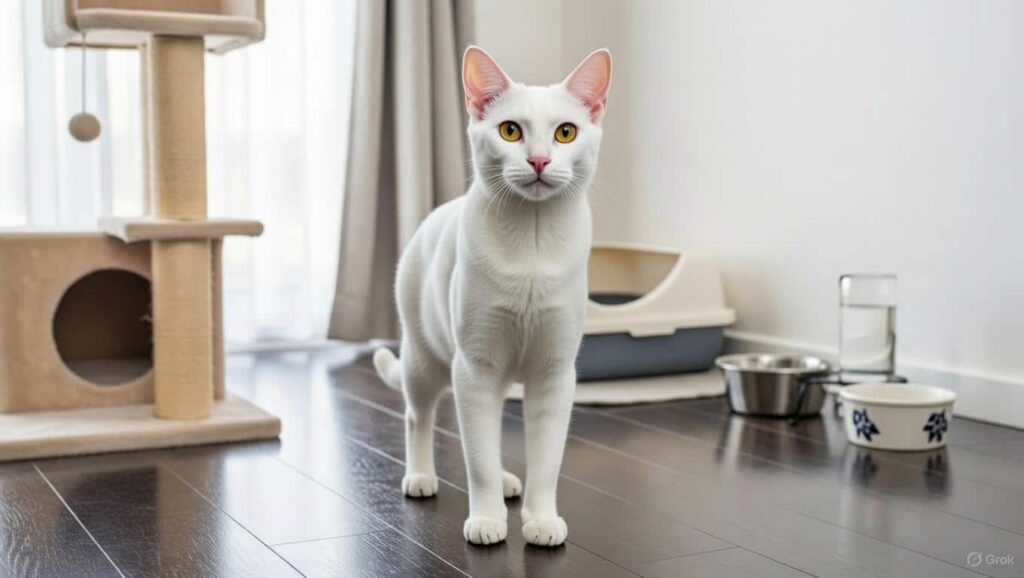
When Subtle Signs Escalate: Knowing When to Act
Not all signs scream emergency, but combinations do. Weight loss with lethargy? Get to the vet. In my experience, early intervention saved a kitten from severe dehydration.
Why act fast? Kittens mask illness until advanced. Vets recommend annual check-ups, more for rescues.
Health & General Care
For detailed kitten health and basic care guidelines, it’s important to follow advice from trusted animal welfare organizations.
Behavior & Communication
Learning about understanding kitten behavior and body language can help cat owners respond better to emotional and physical signs.
Common Illnesses and Preventive Tips
Feline leukemia spreads via saliva—test before mixing cats. Vaccinations prevent many woes. Parasite control is monthly; I’ve seen untreated worms cause bloating.
Hydration aids like fountains encourage drinking. Balanced diets ward off deficiencies.
- Fever signs: Hot ears, lethargy—use a pet thermometer if suspected.
- Breathing issues: Rapid panting post-play is ok; labored needs attention.
- Mobility clues: Limping from jumps; persistent means sprain or worse.
Building a Routine for Observation
Daily checks during feeding or play make spotting changes easy. Journaling helps track patterns. My log caught a recurring cough early.
Involve family—kids notice oddities adults miss. Consistency builds healthier, happier kittens.
Integrating Professional Advice into Your Care
While home observations are key, vets are allies. They explain bloodwork or ultrasounds in context. I’ve consulted for behavioral quirks that turned out medical.
Why blend both? Expertise fills gaps in our knowledge. Annual wellness exams catch silent issues like heart murmurs.
Nutrition’s Role in Long-Term Health
Quality food supports immunity. Avoid cheap fillers; opt for meat-based. Supplements like omega-3s helped my kitten’s coat shine.
Transitions slowly prevent tummy upsets. Hydrated food suits seniors or picky ones.
Nurturing Growth Through Play and Environment
Enriched spaces prevent boredom signs like destructive chewing. Toys mimic hunting, satisfying instincts.
Why play matters? It builds muscles and confidence. Rotate toys to keep interest.
Socialization Strategies for Well-Adjusted Kittens
Expose to people, sounds early. Positive reinforcement curbs bad habits.
Multi-pet homes need supervised intros. Patience pays off in harmonious living.
- Window perches: For bird-watching stimulation.
- Scratching options: Variety prevents furniture damage.
- Quiet zones: For recharge after play.
Handling Common Mishaps with Calm
Accidents like falls happen—monitor for limps. Poisonous plants? Remove lilies immediately.
First-aid kits with bandages help minor scrapes. Know your emergency vet’s number.
Deep Dive into Sensory Signals
Ears perk for interest; back for threats. Whiskers forward in curiosity.
Why sensitive? Survival tools. Twitching might mean irritation or dreams.
Vocalizations Beyond Meows
Chirps greet; growls warn. My kitten trilled during hunts—pure joy.
Purring heals with vibrations; listen for context.
Advanced Care for Special Needs Kittens
Blind kits navigate by sound; provide consistent layouts.
Allergic owners? Hypoallergenic breeds exist, but management works.
Rescue-Specific Challenges
Street kits carry baggage—patience heals. Socialize gently.
Nutritional catch-up vital; vets guide.
Holistic Approaches to Kitten Wellness
Herbal calming aids like chamomile soothe. Always vet-approved.
Massage relaxes; builds trust.
Exercise Regimens for Energy Balance
Laser pointers engage; avoid overstimulating.
Outdoor enclosures safe adventure.
Seasonal Considerations for Kitten Health
Winter dryness causes static fur; humidifiers help.
Summer heat risks dehydration; shade essential.
Holiday Hazards to Watch
Tinsel ingestion dangerous; secure decorations.
Guests stress; provide retreats.
Long-Term Bonding and Observation
Years in, signs evolve. Senior shifts need adjustments.
Cherish quirks; they define your kit.
Community Support for Cat Parents
Forums share experiences; validate concerns.
Local groups offer advice.
RELATED
Frequently Asked Questions About kitten signs
What if my kitten suddenly stops playing & Running?
It’s worrying, right? In my time with cats, this often ties to feeling under the weather—maybe a tummy bug or teething discomfort. Check for other signs like appetite loss, and if it persists beyond a day, chat with your vet. Sometimes, it’s just a growth spurt needing more rest.
How can I tell if my kitten’s purring means pain in short words?
Purring is usually bliss, but context matters. If it’s accompanied by hiding, not eating, or tense body language, it could be self-soothing from discomfort. I’ve seen this with a kitten who had a minor injury; a vet exam ruled out issues and gave peace of mind.
Is excessive grooming normal in kittens & other pets?
Young ones groom a lot to learn self-care, but overdoing it—leading to bald spots—might signal stress, allergies, or parasites. My rescue kit did this from flea irritation; treating the cause stopped it. Observe patterns and consult if it worsens.
Why does my kitten drink so much water in a day?
Could be normal if active or on dry food, but spikes might hint at diabetes or kidney concerns, especially in older kittens. Track intake; I use marked bowls. If paired with weight loss, get a vet check—early detection is key.
When should I worry about litter box avoidance?
If it’s sudden, pain or box dislike could be why. Straining or accidents elsewhere scream urinary issues. Cleanliness matters; I scoop daily. Vet advice helped my kit who avoided due to crystals—diet change fixed it.
Final Thoughts About kitten signs
At the end of this blog ! Turning on my own furry companions, remember that tuning into these important kit signs isn’t about perfection—it’s about love and attentiveness. Whiskers is now a chill adult cat, thanks to those early observations. You’ll get the hang of it, and your kitten will thank you with endless purrs and headbutts. Stay curious, stay connected, and enjoy the journey together.please share your personal thoughts and experience if you have also a pet owner and your kit is facing these signs.your little appreciate will love’s for us Thanks.