Complete Cat Eye Language Guide: Pupils, Blinking & Hidden Emotions
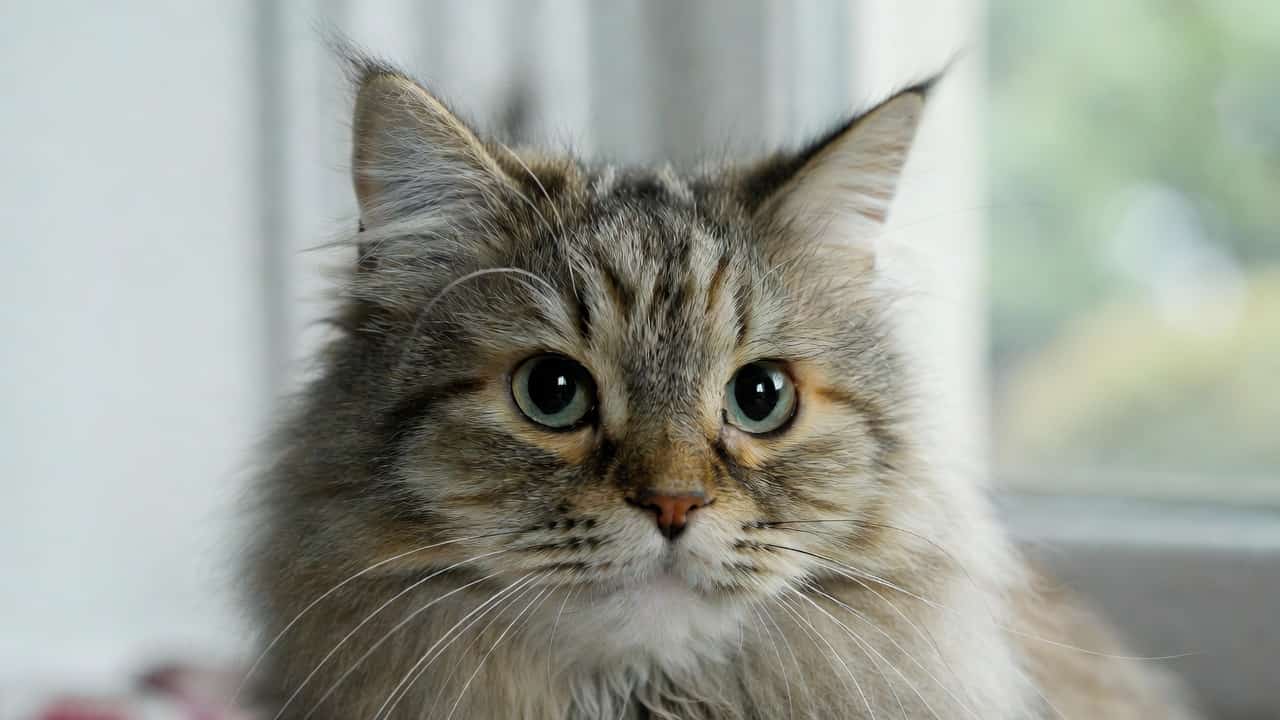
As a pet lover and a owner , I’ve learned their eyes speak volumes. Dilated pupils signal excitement or fear, slow blinks mean trust & love, while hard stares warn ‘back off’. Watch closely!
Here am sharing my personal experience for educational purpose and expect a good review from my pet lover’s fellows.As a cat owner who’s spent over a decade with my furry companions, I’ve learned that their eyes tell stories words never could. My tabby, Whiskers, has this way of locking gazes that melts my heart, while my rescue cat, Shadow, uses subtle pupil shifts to signal when she’s had enough playtime. This cat eye language guide draws from those everyday moments, helping you tune into what your feline friend might be feeling without a single meow.
Eyes are more than just windows to the soul for cats—they’re survival tools honed by evolution. In the wild, quick eye changes helped ancestors spot prey or threats in dim light. At home, those same instincts reveal emotions we might miss otherwise.
Getting Started with Feline Eye Signals
Many cat parents overlook how eyes communicate because it’s so subtle compared to a wagging tail on a dog. But once you start paying attention, it’s like unlocking a secret code. Think about it: your cat’s eyes adapt to light, mood, and even health in ways that speak volumes.
In my experience, kittens learn eye language early on. My youngest, a playful Siamese mix named Luna, started with wide-eyed stares during her first weeks, signaling curiosity about everything from toys to my shoelaces. As she grew, those looks evolved into more nuanced expressions.
Cats don’t make direct eye contact like humans do for affection. Instead, prolonged stares can feel confrontational to them, rooted in their territorial nature. That’s why understanding context matters— is your cat relaxed on the couch or tensed up in a new environment?
The Master Role of Pupils in Expressing Feelings
Pupils are the black centers of the eyes that expand or shrink based on light and emotion. They’re controlled by the autonomic nervous system, which reacts involuntarily to stimuli. This means pupils give honest clues about what’s going on inside your cat’s head.
When light is low, pupils dilate to let in more rays, improving night vision—a trait from their crepuscular hunting roots. But emotions amplify this: excitement or fear can make them balloon even in bright rooms.
Narrow pupils, like slits, often appear in well-lit areas to protect sensitive retinas. Yet, they can also indicate focus or irritation, as if your cat is laser-locked on something intriguing or annoying.
RELATED
What Wide Pupils Exactly Tell You
Dilated pupils look like big, round saucers and usually mean arousal of some kind. Not always bad—my Whiskers’ eyes go huge when he’s chasing a laser pointer, pure joy in motion. It’s the adrenaline kicking in, preparing him for “the hunt.”
But watch for context. If your cat’s pupils stay wide in a calm, lit room with flattened ears, it might signal fear. I remember when fireworks startled Shadow; her eyes expanded instantly, a clear sign to scoop her up and head to a quiet spot.
In kittens, wide pupils during play are normal, reflecting their high energy. Older cats might show this less, but if it happens suddenly, it could hint at pain—always check with a vet if other symptoms like hiding appear.
Narrowed Pupils and Focused Intent
Slit-like pupils in daylight help cats judge distances accurately, essential for pouncing. Emotionally, they can mean contentment, like when Luna suns herself with half-closed eyes and tiny slits—utter relaxation.
On the flip side, narrow pupils with a hard stare might warn of aggression. My neighbor’s cat once narrowed his eyes at Whiskers through the window, a territorial standoff that ended in hisses. It’s their way of saying, “Back off.”
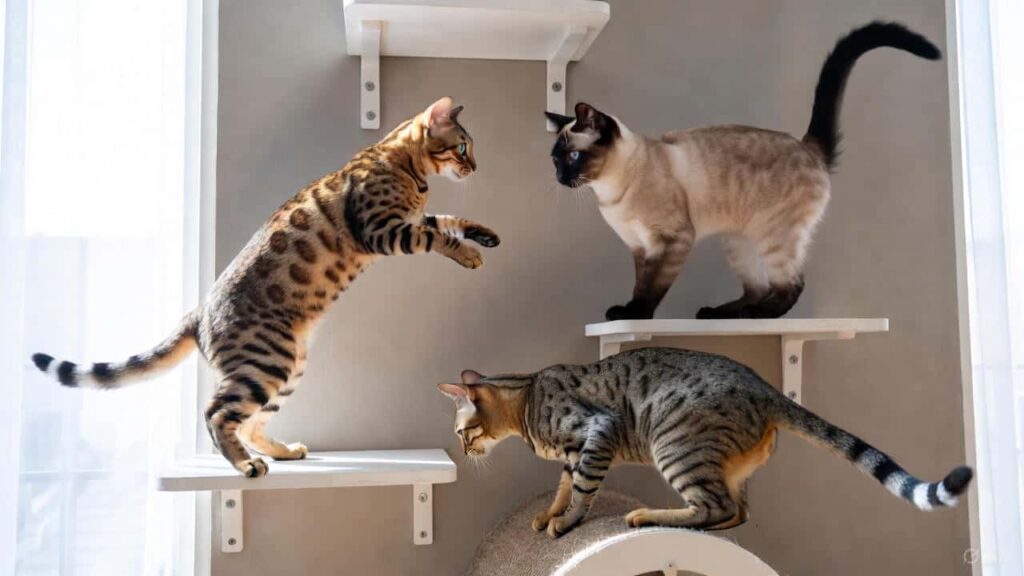
In multi-cat homes, observe pupil changes during interactions. If one cat’s pupils constrict while approaching food, it could show determination or mild annoyance—time to separate bowls.
Real Scenarios Where Pupils Speak Loudest
Picture this: you’re introducing a new toy, and your cat’s pupils dilate wildly as they bat it around. That’s excitement, dopamine flooding their system like a kid on Christmas.
Or, during vet visits, many cats show constricted pupils from stress, even in waiting rooms. In my experience, offering a familiar blanket helps, as it calms the nervous system and might soften those eye signals.
At night, wide pupils are standard for prowling, but if your indoor cat’s eyes stay dilated during daytime naps, it could indicate vision issues—I’ve seen this in senior cats with cataracts.
Mastering the Slow Blink: A Cat’s Kiss
Slow blinking is like a feline smile, a deliberate closing and opening of eyes that builds trust. It’s not random; cats use it to show they’re not a threat, echoing behaviors from their wild cousins who avoid direct stares.
Why does it work? Blinking breaks eye contact, signaling safety. In my house, I slow-blink at Shadow when she’s wary after a bath, and she often returns it, easing tension.
Kittens might not master this right away—Luna took months to respond. Patience pays off; it’s a bonding ritual that strengthens your relationship over time.
How to Spot and Return a Slow Blink
Look for eyelids drooping slowly, often with a relaxed body. My Whiskers does this from across the room, inviting interaction without demanding it.
To respond, mimic the motion: close your eyes halfway for a second or two, then open. Avoid staring; it’s about mutual vulnerability. Many cat parents notice their pets purring more after these exchanges.
In group settings, like with visitors, a slow blink can reassure your cat. I use it when friends come over, helping Shadow feel secure amid new smells.
Building Deeper Connections Through Blinks
Consistent slow blinking fosters emotional security. Studies on feline behavior (backed by vet observations) show it reduces stress hormones, making cats more affectionate.
With my rescues, who’ve had rough starts, this has been key. Shadow, once skittish, now initiates blinks during cuddle time—a win for trust-building.
Try it during grooming; if your cat blinks back, they’re likely comfortable. If not, give space—pushing can backfire.
When Blinking Patterns Change
Sudden rapid blinking might indicate irritation, like dust in the eye. Whiskers once blinked frantically after rolling in grass; a gentle wipe fixed it.
If blinking asymmetry appears—one eye slower—consult a vet. It could signal neurological issues, though rare in healthy cats.
In elderly felines, less frequent blinking might tie to dry eyes, common in breeds like Persians. Regular check-ups catch these early.
Uncovering Hidden Emotions in the Eyes
Cats hide feelings well, but eyes betray subtleties. Half-closed lids often mean contentment, a sign of feeling safe enough to lower defenses.
Wide-open eyes without dilation can show surprise. Luna’s eyes popped when she first saw snow—pure wonder, no fear.
Squinting might indicate pain; if persistent, it’s vet time. Explaining why: eyes are sensitive, and discomfort shows there first.
RELATED
Fear and Anxiety Indicators
Pinned-back ears with dilated pupils scream fear. During thunderstorms, Shadow’s eyes widen, pupils huge, as her fight-or-flight kicks in.
Subtle signs include averted gazes—cats avoid eye contact when anxious, preserving energy for escape.
In new homes, watch for this. My friend’s adopted cat stared at walls with wide eyes initially, adjusting to sounds; time and gentle exposure helped.
Happiness Cues You Might Miss
Relaxed, almond-shaped eyes signal joy. Whiskers’ eyes soften when kneading blankets, a throwback to nursing contentment.
Combined with slow blinks, it’s peak happiness. Many cat parents describe this as their pet’s “love eyes.”
During play, sparkling eyes (slight shine from moisture) show engagement—healthy tear production aids this.
Warning Signals of Aggression
Hard stares with constricted pupils warn of impending swats. I’ve learned to back off when Luna fixes me with that look during over-petting.
Why? It’s territorial instinct; eyes focus intent before action.
In cat-cat conflicts, the aggressor often stares unblinking. Intervene early to prevent fights.
Beyond Basics: Other Eye Behaviors
Staring isn’t always bad—sometimes it’s curiosity. Whiskers stares at birds outside, pupils adjusting to movement.
Half-closed eyes during rest mean trust; cats won’t partially shut eyes if threatened.
Rapid eye movements under lids during sleep indicate dreaming—likely chasing dream mice.
The Staring Contest Dilemma
Direct stares challenge cats. In my experience, averting your gaze diffuses tension.
With kittens, stares during training teach boundaries. Luna learned “no” through gentle eye aversion.
Prolonged mutual stares can bond, but only if relaxed—force it, and you’ll stress them.
Half-Closed Eyes: Relaxation or More?
Often called “cat smiles,” these show vulnerability. Shadow does this on my lap, purring softly.
But if accompanied by discharge, it might be infection—vets recommend saline rinses for mild cases.
In sunny spots, half-eyes protect from glare, a natural adaptation.
Rapid Blinking: Stress or Play?
Quick blinks can release tension. During vet exams, cats blink rapidly to self-soothe.
In play, it’s excitement overflow. Whiskers blinks fast when teasing with feathers.
If excessive, check for allergies—irritants cause this.
Eye Health and Its Impact on Communication
Healthy eyes ensure clear signals. Cloudy eyes distort pupils, confusing readings.
Regular vet visits spot issues like hypertension, which dilates pupils unevenly.
Diet plays a role; taurine deficiency affects vision, altering behaviors.
Understanding Cat Body Language and Eye SignalsWhen Eye Changes Warrant a Vet Visit
Sudden pupil asymmetry? Could be injury. I rushed Luna once for this—turned out a minor scratch.
Persistent dilation in light might indicate glaucoma; early treatment saves sight.
Behavioral shifts, like avoiding light, signal pain—don’t delay.
Common Eye Problems in Cats
Conjunctivitis causes redness, affecting blinks. Antibiotics clear it, per vet advice.
Cataracts in seniors cloud lenses, widening pupils compensatorily.
Breed-specific issues: Persians prone to tear duct problems, leading to watery eyes.
Preventing Eye Issues at Home
Gentle cleaning with damp cloths prevents buildup. I do this weekly for my crew.
Avoid smoke or chemicals; they irritate, changing eye expressions.
UV protection? Indoor cats need it less, but window films help.
Integrating Eye Language into Daily Care
Observing eyes enhances feeding times. Dilated pupils at mealtime? Hunger excitement.
During grooming, slow blinks confirm enjoyment—stop if eyes narrow.
Travel prep: Anxious eyes mean calming aids like pheromone collars.
Training with Eye Cues
Use slow blinks to reinforce commands. Whiskers associates them with treats now.
Avoid punishment stares; they erode trust.
Positive reinforcement: Blink during praise for better bonds.
Multi-Pet Households and Eye Dynamics
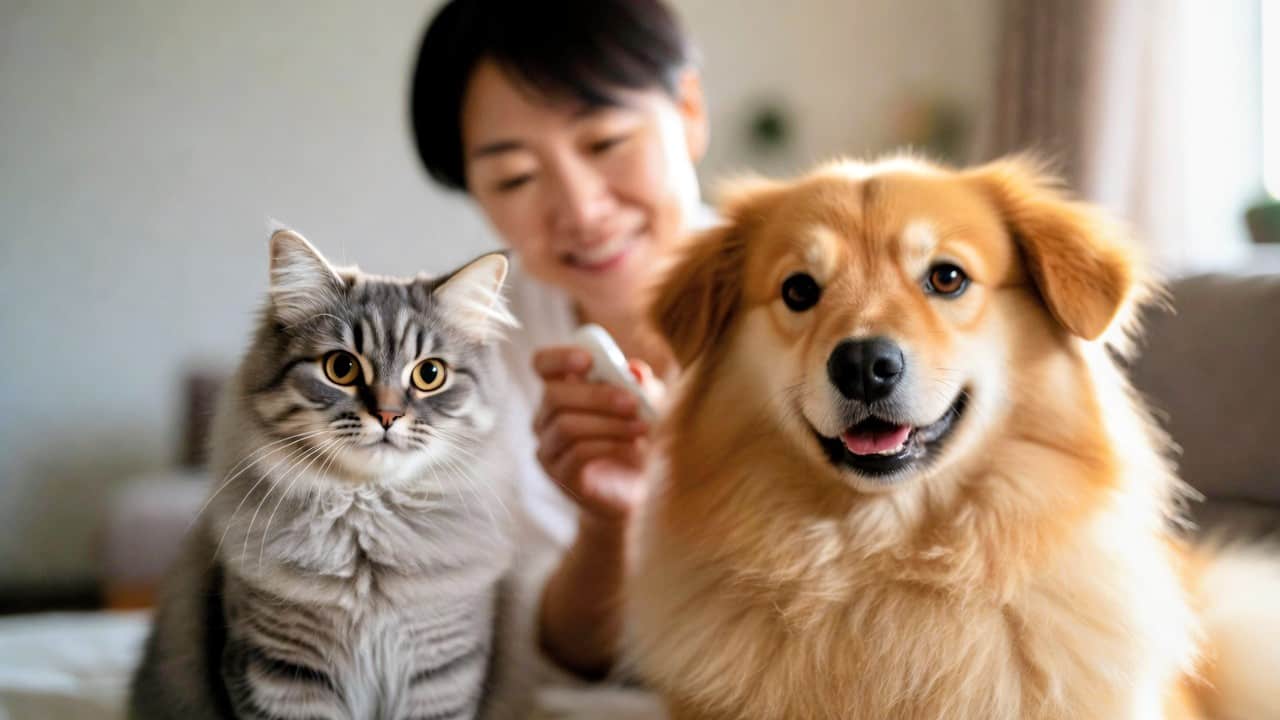
In homes with dogs, cats use eyes to establish hierarchy. Shadow narrows hers at our pup when he’s too bouncy.
Monitor for stress; wide eyes mean intervention.
Harmony tip: Separate spaces reduce stare-downs.
Seasonal Changes Affecting Eyes
Winter dryness causes more blinking. Humidifiers help.
Summer glare narrows pupils more—shades on windows ease this.
Holiday chaos? Eyes reveal overload; provide quiet retreats.
Advanced Insights: Breed Differences in Eye Language
Siamese cats, like parts of Luna, have more expressive eyes due to color contrasts.
Persians’ flat faces make pupil changes harder to spot—look closer.
Maine Coons’ large eyes amplify signals; dilated pupils seem enormous.
Understanding Cat Body Language and Eye Signals
Siamese and Oriental Breeds
Their almond eyes slow-blink dramatically. Shadow’s mix shows this, conveying affection clearly.
Blue eyes sensitize to light, dilating quicker.
Vocal breeds pair eye talk with meows for emphasis.
Flat-Faced Breeds Like Persians
Brachycephalic structure leads to prominent eyes, prone to issues.
Half-closed looks are common from anatomy, not always emotion.
Vet checks crucial; tears often overflow, mimicking sadness.
Large Breeds and Wild Hybrids
Bengals’ wild heritage means intense stares during play—mimicking hunts.
Their pupils shift rapidly, reflecting high energy.
Socialization tempers aggressive eye signals.
Myth-Busting Common Eye Misconceptions
Myth: All wide pupils mean anger. Reality: Often play or low light.
Myth: Cats hate eye contact. Truth: Slow blinks make it positive.
Myth: Glowing eyes are supernatural. Fact: Tapetum lucidum reflects light for night vision.
Debunking Pupil Myths
Narrow pupils don’t always equal happiness—context matters.
Dilation isn’t just fear; arousal covers joy too.
Age affects myths: Kittens’ eyes change more fluidly.
Blinking Fallacies
Rapid blinks aren’t flirting—usually discomfort.
No blinking doesn’t mean disinterest; cats conserve energy.
Cultural myths: In some folklore, cat eyes predict weather—pure superstition.
Health-Related Misunderstandings
Watery eyes always allergies? Not necessarily; could be blockages.
Cloudy eyes only in old cats? Kittens can have congenital issues.
Vet myth: Home remedies suffice—no, professionals know best.
Practical Tips for Reading Your Cat’s Eyes
Start daily observations: Note eye changes during routines.
Journal patterns: Helps spot anomalies early.
Combine with body language: Tail and ears complete the picture.
Daily Observation Routines
Morning check: Pupils normal in light?
Playtime watch: Dilation levels.
Evening wind-down: Slow blinks present?
Journaling for Better Understanding
Track dates, moods, eye states.
Share with vet for informed visits.
Personalize: My journal revealed Whiskers’ allergy triggers.
Holistic Reading: Eyes Plus Body
Fluffed tail with wide eyes? Fear.
Purring with soft eyes? Content.
Ears forward, pupils narrow? Curiosity.
The Emotional Rewards of Eye Communication
Tuning in deepens bonds. My cats seem happier, more interactive.
Reduces misunderstandings: Fewer scratches from ignored warnings.
Enriches ownership: Feels like true conversation.
Strengthening Human-Cat Relationships
Shared blinks create rituals.
Eye-aware play avoids overstimulation.
Empathy grows: Understanding hidden emotions.
Reducing Behavioral Issues
Spot anxiety early via eyes, prevent destructive habits.
Address aggression pre-escalation.
Vet visits become proactive.
Personal Joy from Feline Connections
Nothing beats a returned slow blink.
Watching eyes light up during treats.
Knowing your cat feels seen—literally.
Cat Eye Language: What Pupils and Blinking Really MeanFAQ: Common Questions About Cat Eye Language
What is the Complete Cat Eye Language Guide: Pupils, Blinking & Hidden Emotions?
What do dilated pupils mean in cat eye language?
Why do cats slowly blink at their owners?
Are narrow or constricted pupils a warning sign?
What does direct staring mean in cat eye language?
Can cat eye language indicate health problems?
How is cat blinking different from human blinking?
Do kittens and adult cats show eye language differently?
How can I respond to my cat’s slow blink?
Is cat eye language enough to understand emotions?
Conclusion
At the end of this blog i hope this cat eye language guide, remember that every cat is unique, just like my trio with their quirky gazes. Paying attention to pupils, blinks, and those hidden cues has made me a better pet parent, catching issues early and sharing deeper moments. Give it a try with your own feline— you’ll be amazed at the conversations that unfold. Your cat’s eyes are waiting to tell their tale; all you need is to look a little closer.Now it’s totally depends upon you how can you train and understand your odourable cat.