2 Proven Hunting Dog Breeds That Excel in the Wild
From water retrieves to open-field tracking, these two proven Hunting Dog Breeds breeds shine in the wild with strength, instinct, and loyalty.
Here am sharing my personal experience for educational purpose only.I hope you will get more benefits from my thoughts.As a longtime dog owner who’s spent countless weekends in the woods with my furry companions, I’ve seen firsthand how the right breed can turn a simple hike into an epic adventure. Hunting dog breeds aren’t just about the chase—they’re partners that thrive on instinct, energy, and that unbreakable bond with their humans. In my experience, picking a breed that matches your outdoor lifestyle makes all the difference, whether you’re tracking game or just enjoying nature. Today, I’ll share insights on two standout ones that have proven themselves time and again in rugged terrains.
Why These Breeds Stand Out for Hunting Enthusiasts
Hunting dogs need more than stamina; they require sharp senses, trainability, and a natural drive to work. From my own outings, I’ve noticed that breeds with a history in fieldwork adapt quickly to wild environments, sniffing out trails or retrieving with precision. It’s not just genetics—proper training and socialization play a huge role. Vets often emphasize health checks early on to ensure joints and hearts can handle the demands, preventing issues like hip dysplasia down the line.
These picks excel because they’re versatile, handling everything from dense forests to open fields. They’re not one-trick ponies; they balance hunting prowess with family-friendly temperaments. Let’s dive into the first one.
Meet the Labrador Retriever: A Reliable All-Rounder
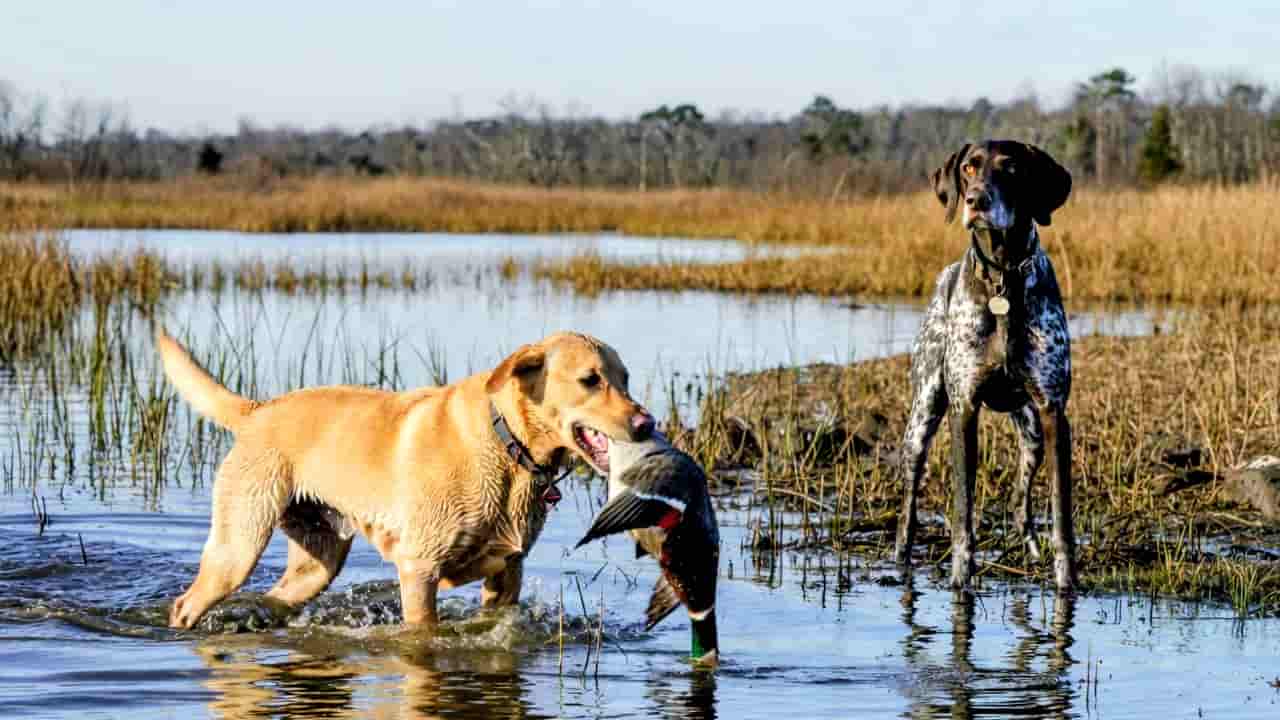
Labradors have been my go-to for years, ever since I adopted my first one, Max, as a pup. He was a chocolate Lab who could spot a pheasant from yards away, his tail wagging like a metronome. What makes Labs shine in the wild is their webbed feet and water-resistant coat, perfect for retrieving in marshes or lakes—evolution at its best, stemming from their Newfoundland fishing roots.
Origins and Instincts That Drive Them
Labs trace back to 19th-century Canada, bred for hauling nets and fetching waterfowl. In my experience, this background explains their love for water; Max would plunge into any pond without hesitation, emerging with a duck in his gentle mouth. It’s their soft bite that prevents damaging game, a trait honed over generations.
RELATED
Training Tips from Real Hunts
Start young—puppies like my current Lab, Bella, at 6 months, responded best to positive reinforcement with treats and praise. We practiced recall in open fields to build trust. Vets recommend annual check-ups for ear infections, common in swimmers, because moisture traps bacteria, leading to discomfort that could sidetrack a hunt.
- Scent Work Drills: Use hidden toys to sharpen their nose.
- Endurance Building: Gradual hikes to condition muscles without strain.
- Socialization: Expose them to gunfire sounds early to avoid fear responses.
A Day in the Field with a Lab
Picture this: Dawn breaks over misty meadows, and your Lab bounds ahead, nose to the ground. Last fall, Bella flushed a covey of quail, her energy unflagging after hours. Labs tire slower thanks to efficient oxygen use, but always watch for overheating—panting signals a break. It’s these moments that remind me why they’re family favorites too, curling up by the fire post-hunt.
According to the American Kennel Club’s guide to sporting and hunting dog breeds, breeds like the Labrador Retriever and German Shorthaired Pointer are purpose-bred for endurance, scent work, and cooperation in the field, making them proven performers in real hunting environments.
The German Shorthaired Pointer: Speed and Stamina Personified
Switching gears, the German Shorthaired Pointer (GSP) captured my heart when I fostered one named Scout during a rescue stint. These dogs are like athletes on four legs, pointing instinctively at game with that classic frozen stance. Their short coat and lean build make them agile in brushy wilds, where thicker fur might snag.
Historical Background and Natural Talents
Developed in 19th-century Germany for all-purpose hunting, GSPs combine pointer precision with retriever reliability. Scout would lock onto a scent trail, his body rigid, signaling birds ahead—it’s an innate behavior from selective breeding for versatile gundogs. This explains their high energy; without outlets, they can get restless at home.
Health and Care Insights for Peak Performance
In my chats with vets, they’ve stressed joint supplements for GSPs, as their speed can stress hips over time. Regular exercise prevents obesity, which burdens the frame and reduces agility. Scout thrived on a diet rich in proteins, mirroring wild prey needs, to fuel those marathon runs.
Practical Scenarios in the Outdoors
Imagine trekking through hilly terrain—my GSP pal once covered miles without faltering, pointing at a rabbit burrow. They’re great for upland birds, using wind currents to detect scents from afar. But they’re sensitive souls; harsh training backfires, so gentle methods build confidence.
- Pointing Practice: Hide decoys in varied spots to hone instincts.
- Swim Sessions: Many love water, aiding in duck hunts.
- Rest Routines: Post-activity massages ease muscle tension.
Living with a GSP Beyond the Hunt
These dogs aren’t just workers; they’re affectionate goofballs. Scout would nudge me for pets after a successful outing, his eyes sparkling. They adapt well to family life if exercised daily, but boredom leads to chewed shoes—channel that drive productively.
Comparing the Two for Your Hunting Style
Labs bring a steady, eager vibe, ideal for waterfowl in wetlands, while GSPs dominate in open lands with their burst speed. In my mixed pack days, the Lab’s calm demeanor balanced the Pointer’s zest. Choose based on terrain: swampy? Go Lab. Uplands? Pointer. Both need mental stimulation to avoid destructive habits, as idle minds wander.
RELATED
FAQ: Common Questions About Hunting Dog Breeds
What are the 2 Proven Hunting Dog Breeds That Excel in the Wild?
The Labrador Retriever and German Shorthaired Pointer are the 2 Proven Hunting Dog Breeds That Excel in the Wild due to their instincts, stamina, and versatility.
Why are Labrador Retrievers considered elite hunting dogs?
Labrador Retrievers excel in hunting because of their strong scenting ability, soft bite for retrieving game, and water-resistant coat.
What makes German Shorthaired Pointers ideal for wild terrain hunting?
German Shorthaired Pointers are fast, agile, and naturally skilled at pointing game, making them perfect for open fields and rugged landscapes.
Are the 2 Proven Hunting Dog Breeds That Excel in the Wild beginner-friendly?
Labradors are beginner-friendly due to their trainability, while German Shorthaired Pointers suit experienced owners who can meet their energy needs.
Which hunting dog breed is better for waterfowl hunting?
Labrador Retrievers are superior for waterfowl hunting thanks to their webbed feet and strong swimming ability.
Which breed performs better in upland and open-field hunting?
German Shorthaired Pointers dominate upland hunting due to their speed, endurance, and precise pointing instincts.
How much exercise do these hunting dog breeds require?
Both breeds need daily physical and mental exercise, with German Shorthaired Pointers requiring more intense activity.
Are these hunting dogs good family pets?
Yes, both breeds are affectionate and family-friendly when properly trained and exercised.
At what age should training start for hunting dogs?
Basic training can begin at 8–12 weeks, while intensive hunting work should start after physical maturity.
Can the 2 Proven Hunting Dog Breeds That Excel in the Wild live in apartments?
Apartment living is challenging for both breeds unless owners provide consistent outdoor exercise and stimulation.
What health checks are important for hunting dogs?
Regular vet checks for joints, ears, heart health, and tick prevention are essential for active hunting dogs.
Conclusion
In wrapping up, reflecting on my years with these incredible breeds, I can say they’re more than hunters; they’re companions that enrich every wild escapade. If you’re considering one, visit shelters or breeders thoughtfully—it’s a partnership that lasts a lifetime. Trust me, the joy of watching them in their element is unmatched.