Meet the 7 Smartest Talking Birds That Love to Chat
As a birds keeper and after spending many years of life with these pet animals, one thing is learned with great difficulty: understanding animal intelligence is not only about watching tricks, but also about paying attention to daily routine matters and understanding their health and behavior. This point becomes even more interesting in the case of talking birds.
In the case of talking birds, it is not enough to simply repeat words. Understanding timing and routine is also very important for them. Some mornings, your parrot may greet you before your alarm rings, and on other days, it may loudly remind you that you are late in serving breakfast.
These birds do not just create noise; they bring personality and beautiful, loving colors of life into the home. If you want to know which birds truly lead in conversation and can fill your life with peaceful and surprising moments, then this article is very important for you to read.
Below, I’ll walk you through the smartest talking birds, based on real-life ownership experiences, behavioral research, and practical veterinary guidance—not hype.
Why Some Birds Learn to Talk Better Than Others
Many pet bird owners think that birds only copy others in order to talk and that they understand the conversation. But if we look at it from the perspective of reality, there are many layers and fine details in this matter, and the truth is quite the opposite.
The birds that talk have strong reasons behind their ability. According to experts, small parrots and other small talking birds have very fast and highly developed vocal-learning brains. Inside them, a strong social bonding instinct is found. In addition to this, they have a very strong ability to connect sound with outcomes — meaning they understand which words to say at what time, and they can link speech with specific situations and results.
Moreover, in the wild, these birds use sound when they need to find members of their flock, warn their flock about danger, or strengthen social relationships with birds of their own kind. But when they live with humans, we become their flock. With us, they try to strengthen social bonds, and with us, they build and reinforce their relationships and daily interactions.
Therefore, it is very important to understand how we can facilitate these birds, how we can give them time, how we can observe their behavior and their way of speaking, and learn how they prefer to communicate with us.
What Actually Encourages Speech at Home
Here we will talk about how you can make your bird’s conversation better at home. For this, it is necessary that your bird’s age is between 6 to 12 months so that you can teach it speaking more easily.
In addition to this, you must make it a rule that whenever you say any words, you should connect them with practical actions. For example, if you are giving food, you should say the word at the same time. If you are greeting, say it along with the action. If it is bedtime, say “good night” or “khuda hafiz” calmly and consistently. All these things should be done in a peaceful and consistent manner.
One of my birds learned “good night” because every night while covering the cage, I used to say “good night.” Because of this repetition, he quickly learned the phrase and understood that “good night” means it is now time to sleep.
In addition, if you want to teach any other words, try to connect them as much as possible with practical actions, so that your bird can learn those words better and more quickly.
Read Also : 20 Amazing cat facts you didn’t Know
African Grey Parrots: The Benchmark for Bird Intelligence
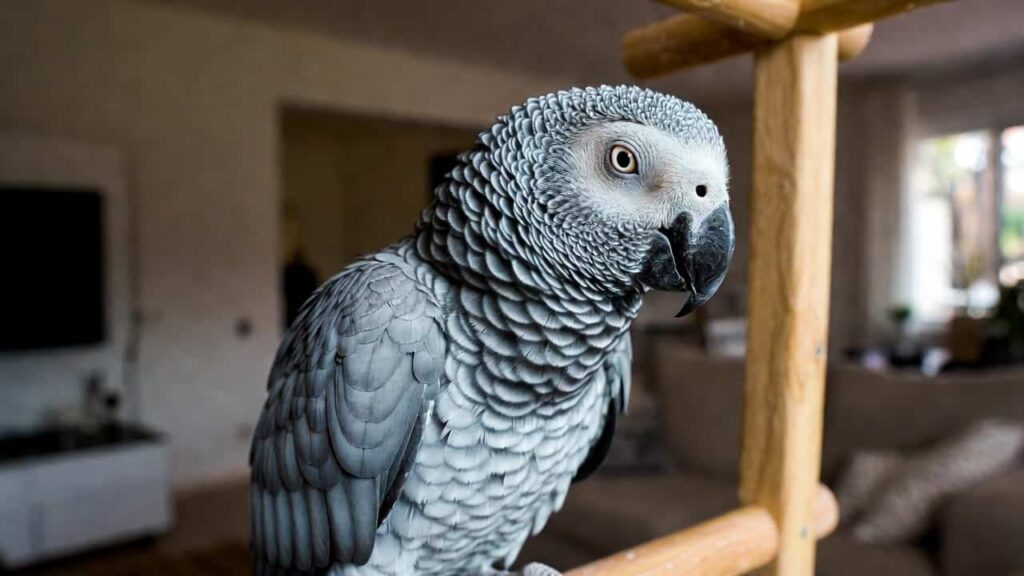
From the perspective of intelligence, if someone wants to find the best example or a true gold standard, then African Greys are the rightful holders of that crown. The question is why they are so intelligent. The reason for their intelligence is that they can recognize colors and shapes in an excellent way, count small numbers, and use words appropriately according to the situation.
Many owners have seen that they ask for specific food or comment on daily routines. This is the reality of African Grey parrots — they ask for food at their proper time, they respond to what you are doing, and they also talk with you.
If we talk about a real example, one African Grey says “lights off” when the sun is setting. It understands that it is Maghrib time and night is about to come. According to the situation, it says “lights off” even before someone presses the button. This is not just imitation, but also pattern recognition.
So what is necessary if you want to develop this kind of habit in your parrot like an African Grey? The important thing is that it should have daily exercise, a fixed routine, and vet-approved feeding and enrichment activities. If you do not provide these activities, problems can develop, such as feather plucking, which can certainly affect their beauty and overall condition.
Amazon Parrots: Bold, Loud, and Emotionally Aware
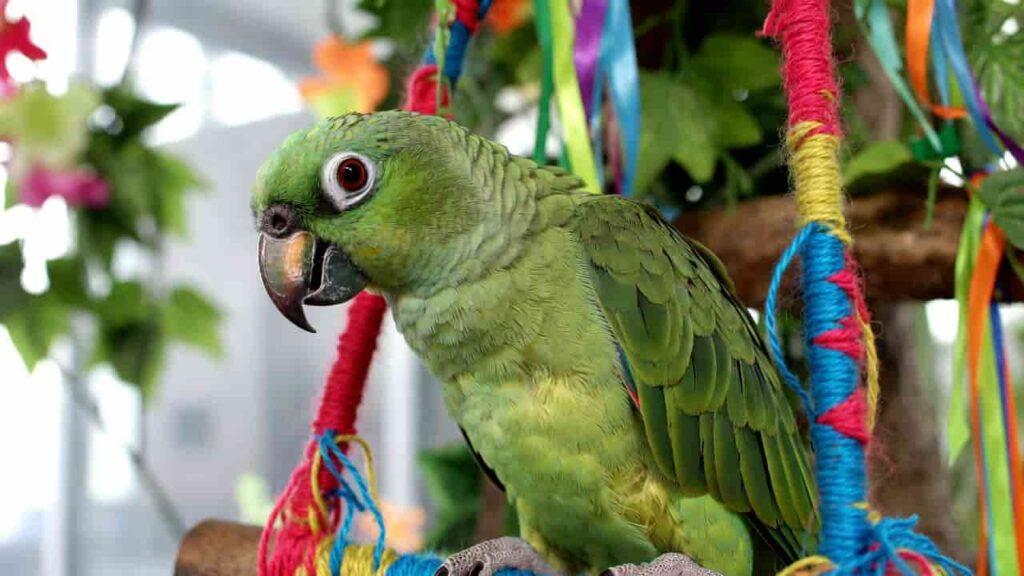
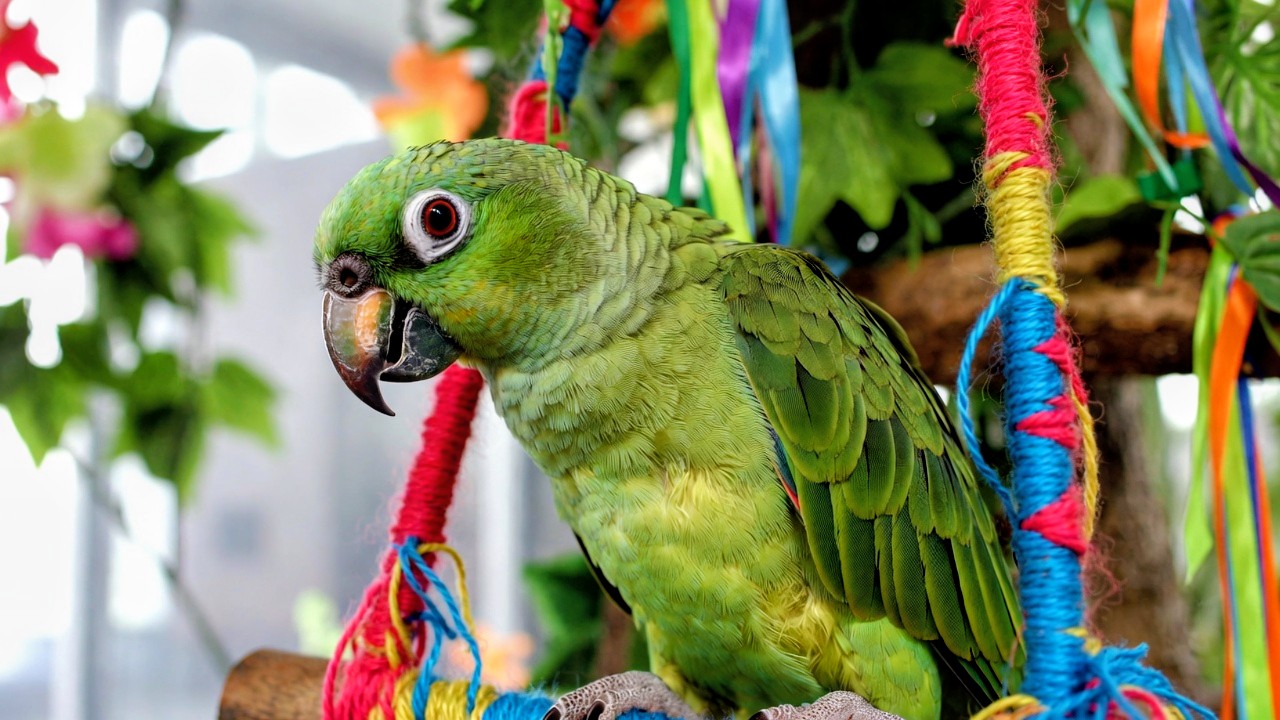
Amazon parrots are naturally energetic and emotional. If they are kept, raised, or placed in rooms, they fill the room with a special kind of energy and life.
If we talk about their qualities, they have an emotional tone in their words. They are fond of singing and music, and they have the ability to remember phrases. And remember, they do not just speak — they also perform. Whatever you teach them, they give you practical expression along with it.
If we talk about care, they have a high noise tolerance. They also have hormonal behaviors, so managing their hormonal tendencies is important. Regarding sleep, they need a proper and structured sleep routine.
In the end, they are definitely wonderful birds, but they are not suitable for quiet households. This is because they prefer lively and noisy environments, and they themselves talk a lot and create more noise.
Budgerigars (Budgies): Tiny Birds, Massive Potential
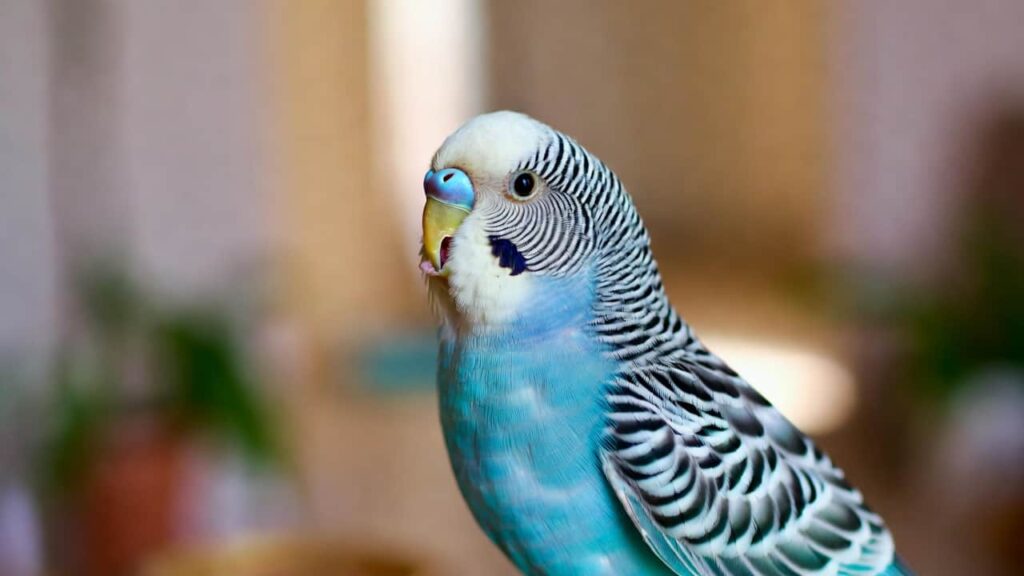
Budgerigars, also called budgie, is a small bird but is very famous because of its big abilities, and it has the ability to surprise many people. If we talk about its qualities, it is a small and innocent bird that learns and understands words very quickly. It also benefits from repetition and is very sharp in observing and interacting.
If we compare male and female, male budgies usually speak earlier and more than females. The best way to teach them is to talk in short sessions and avoid keeping them in isolation. They should not be raised in loneliness. They should be kept in a lively and social environment as much as possible.
A lonely budgie often stops speaking. When it faces isolation, meaning when it feels alone without you, it becomes emotionally affected. If it becomes a victim of loneliness, it chooses silence.
Therefore, it is necessary that you do not leave it alone, but instead make it habitual of an environment where there is always liveliness and activity around it.
Interesting topics: 3 Best Premier Cat breeds
Cockatoos: Emotionally Intelligent Conversationalists
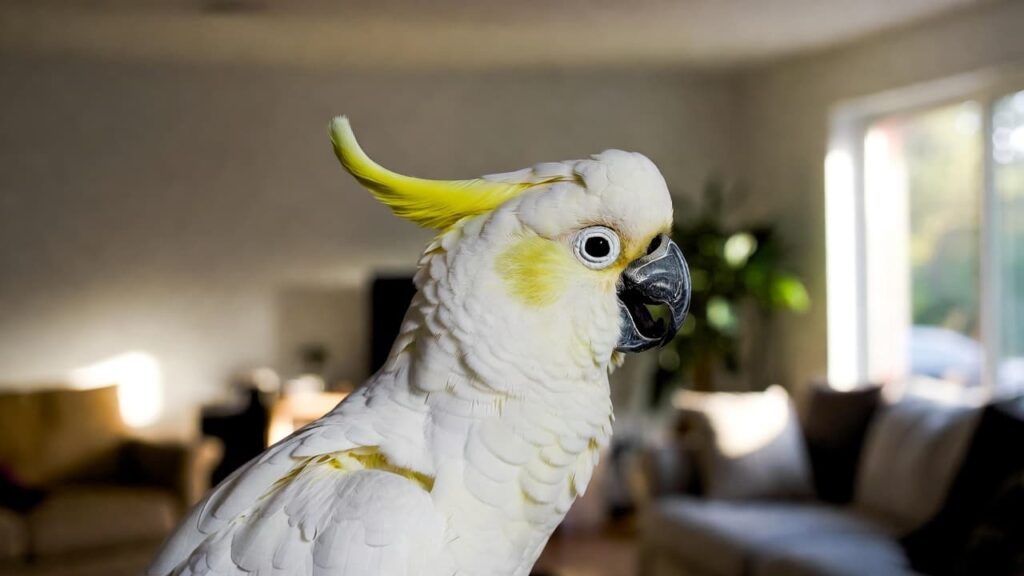
Friends, if we talk about cockatoos, cockatoos are emotionally very intelligent, and remember, a cockatoo is not an ordinary pet bird like the small talking birds we keep in our homes. They are completely different from common birds.
In terms of behavior, they imitate human emotions, understand them, and use words for attention. They are emotionally experienced and remember if you have treated them well — they will also remember that. If your behavior or actions toward them have not been good, they will remember that as well.
In reality, they require many hours of attention daily, meaning you must be deeply and consistently involved with them. Even small carelessness can have a negative impact. Therefore, it is important to set a strict routine for them, dedicate time to them daily, and maintain a good relationship with them consistently.
Eclectus Parrots: Calm, Clear, and Observant
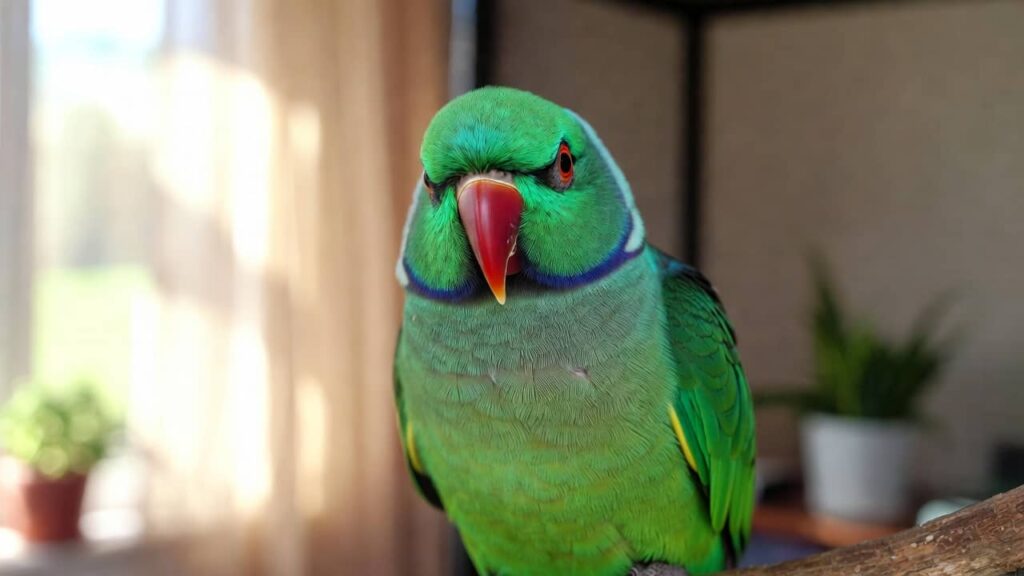
If we talk about Eclectus parrots, they are basically calm and visually attractive birds. Their voices are very clear, and you can consider them to be very expressive. They laugh more than younger birds and can sometimes be a little annoying, but only those who understand them can handle them.
They are accustomed to routine, meaning they prefer a regular daily schedule. Whenever they speak, they do so with meaning. They do not speak without purpose. They are used to a peaceful, clean, and well-maintained environment.
Quaker Parrots (Monk Parakeets): Social and Constantly Chatty
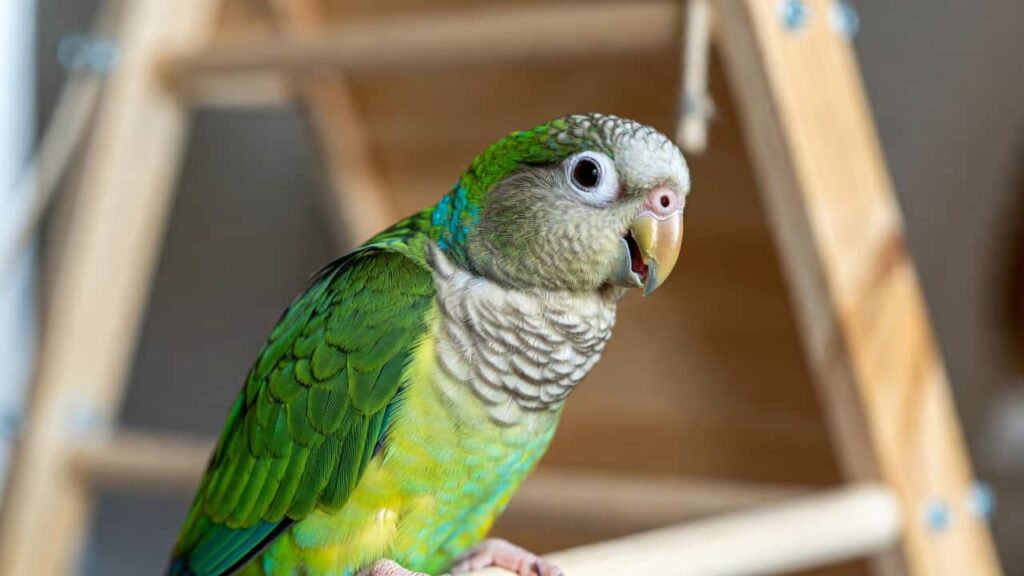
If we talk about Quaker (Monk Parakeets), they are intelligent and social birds. They do not speak unnecessarily. If we describe their speech, they speak when they feel the need to communicate, so they talk at the time it is necessary.
In addition, they are very social and maintain interaction among themselves. Regarding their daily life, they express their everyday life inside their flocks, repeat daily routine matters, and also teach each other.
Indian Ringneck Parakeets: Clever Mimics With Independence
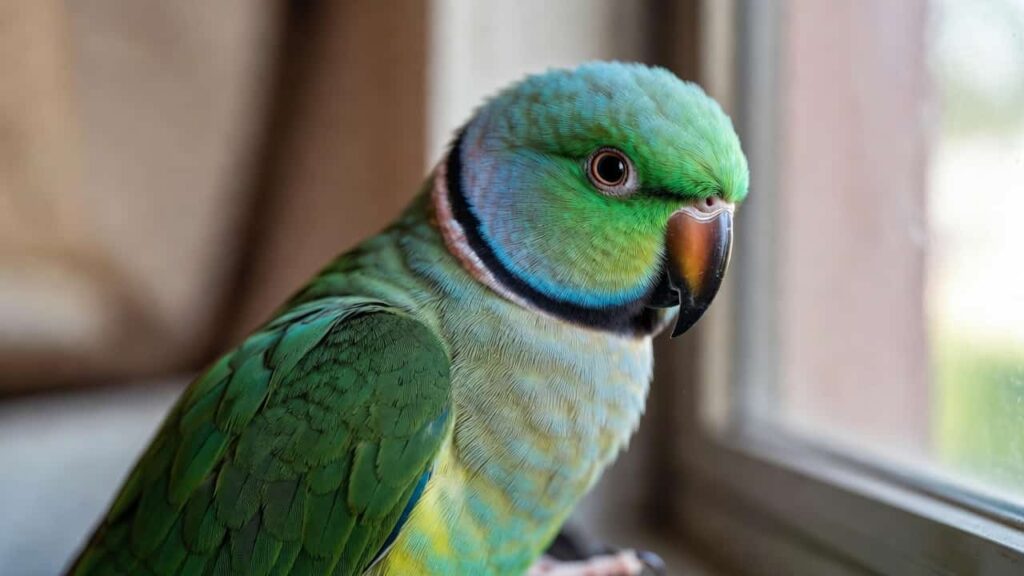
Friends, if we talk about Indian Ringneck parrots, they are intelligent but independent. Another thing is that they are not birds that just try to make you happy; rather, they are thoughtful. This means that instead of simply trying to please you, they think according to their environment and surroundings.
They imitate speech, meaning they repeat what they hear in their environment or in your presence. Along with this, remembering long phrases is their specialty. They have independent personalities.One issue is that they start speaking late, but another thing is that once they learn to speak, they do not stop speaking.
Helpful Key points
Many talking bird parents notice that speech improves when birds are mentally stimulated and emotionally secure. Veterinary care guides stress that diet, routine, and enrichment play a huge role in vocal development. This guide on proper care and enrichment for talking birds helped me understand why bored birds go quiet—and why simple changes like foraging toys and daily interaction make such a big difference.
Final Thoughts: Choosing the Right Talking Bird for Your Life
If we close our article and make your selection easier, then friends, if you want to raise a talking bird, raising it is just like living with a companion who can speak. Remember, for them, just you alone are not enough — your interaction, daily routine, and conversation with them are very important.
If you are ready to listen as well, then a talking bird can become one of the best companions in your life. If you respect it, understand its temperament, spend time with it, and take care of it properly, then these birds are only for you.