
10 Signs of Heart Disease in Cats: What Every Cat Owner Should Know (Complete Guide)
Nothing feels urgent in the beginning. That’s why early signs are the easiest—and costliest—to ignore.
Hello fellow cat lovers! I’m sharing some experienced tips, a practical care guide, and solid info based on real research to help keep our beloved pets healthy and happy. Let’s dive in with real-life examples and useful details. As a cat owner who’s gone through the ups and downs with several furry companions over the years, I know just how sneaky health problems can be in cats. Our feline friends are experts at hiding when something’s not right, and heart disease is one of those silent threats. My old tabby, Whiskers, seemed totally normal until suddenly he lost his playful spark one day. It turned out to be early heart trouble, and spotting it quickly changed everything for the better. In this guide, I’ll pass on what I’ve picked up from my own experiences and talks with vets, zeroing in on those quiet signs that could save your cat’s life. Just a reminder—I’m not a vet, but I’ve done my research to help other cat parents catch issues early. Prevention is always better than treatment, as the saying goes, so let’s stay prepared and proactive.
Understanding Heart Disease in Cats
Heart disease in cats often sneaks up with little warning. The most common form is hypertrophic cardiomyopathy (HCM), where the heart muscle thickens and makes it harder for the heart to pump blood properly. This can cause fluid to build up in the lungs or belly, or lead to dangerous blood clots that strike suddenly. Genetics are a major factor, especially in breeds like Maine Coons or Ragdolls, but things like age, diet, and high blood pressure can play a role too. From what I’ve seen, cats over 10 are at higher risk, though younger ones aren’t immune.
Unlike in dogs, coughing isn’t usually the big giveaway in cats. Instead, they might just slow down or breathe in unusual ways. Vets say feline hearts adapt quietly for a long time before things go wrong. A heart murmur caught during a routine exam is often the first hint—though not every murmur signals real disease. I hope this info guides you well. Let’s move on to the other possible signs.
RELATED
Why Recognizing Signs Early Is Crucial
Why is it so important to spot these signs quickly? The answer becomes clear once you read on. Catching heart problems early can turn a scary situation into something manageable. With Whiskers, I noticed he was sleeping more and skipping his favorite windowsill spot. A fast vet trip led to medications that kept him comfortable for years. Waiting too long risks full-blown congestive heart failure, where fluid overwhelms the body, or a clot causing sudden paralysis. Studies show many cats enjoy longer, better lives with prompt changes like special diets or heart-supporting meds. As cat parents, we have to stay alert—regular vet visits, especially for older cats, make a huge difference.
The 10 Signs to Look Out For
After reading these, you’ll know exactly when to take action. Drawing from vet insights and my own observations, here are the key signs. I’ll explain each with real examples so you can relate, and tie them to how heart inefficiency impacts the body—like cutting oxygen supply or building up fluid.
1. Lethargy
Lethargy kicks in when the heart can’t deliver enough oxygenated blood, making your cat feel exhausted. It’s more than just being lazy; it’s their body trying to save energy. Whiskers began napping in weird places instead of racing around as usual. Lots of cat owners see their energetic kitty suddenly ignoring toys or hiding away. If your 8-year-old suddenly skips play sessions, take note—it’s often one of the first clues vets mention, easily confused with just getting older.
Watch for little shifts like reduced grooming or sluggish moves.
2. Appetite Loss
As the heart struggles, blood flow to the stomach slows, so digestion lags. Your cat might sniff food then walk off, leading to slow weight loss. I still remember my rescue Luna refusing her beloved tuna treats—it broke my heart. This shows up more in middle-aged cats (5-7 years), especially picky ones.
Nausea from fluid buildup adds to it. If it lasts days, see the vet—blood tests help rule out things like kidney trouble.
3. Weight Loss
Unexplained slimming happens as the body starts using muscle for fuel when eating drops and metabolism changes. It’s sneaky; you notice only when ribs feel prominent. One of my outdoor cats thinned out even though he ate somewhat normally at first. Vets connect this to cachexia from long-term illness.
Weigh your cat monthly. Quick drops, even with okay eating, need checking—heart issues accelerate it.
4. Coughing
Coughing is rarer in cats than dogs but can mean lung fluid from heart failure. It often sounds dry and hacking, worse at night. A foster cat of mine had what I thought were hairball coughs, but they got worse. The cause? Heart failure pushes fluid into breathing passages.
Don’t brush it off as allergies. Pair it with other signs? Vets suggest x-rays.
5. Weakness
Poor circulation drains muscle power, so your cat wobbles on jumps or seems unsteady. I’ve noticed this in seniors where low blood pressure from heart strain makes legs heavy. A friend’s agile cat suddenly struggled with stairs—very out of character.
It links to general tiredness. Pale gums with it might hint at anemia; vet blood tests clarify.
6. Paralysis of Rear Limbs
This alarming sign usually stems from a blood clot (thromboembolism) breaking free from the heart and blocking leg arteries. Cats cry out in pain, drag hind legs, and have cold paws. A neighbor’s cat went from fine to paralyzed in minutes. Irregular heartbeats in cardiomyopathy encourage clots.
Emergency—get to the vet fast for pain control and clot treatment. At-risk cats may get preventive meds.
7. Difficulty Breathing
Labored breaths come from fluid in or around lungs, making every inhale tough. Cats often sit with elbows flared and neck stretched. Whiskers did this during bad spells—it was frightening. The left heart side failing forces fluid back into lung vessels.
Count resting breaths—over 30 per minute worries vets. Open-mouth breathing is urgent.
8. Swollen Abdomen
Fluid buildup (ascites) in the belly happens when the right heart weakens and leaks fluid. It mimics quick weight gain but feels soft and squishy. An older rescue of mine started waddling awkwardly. Poor heart function raises pressure in vessels.
Vets may drain severe cases but focus on heart treatment with diuretics.
9. Rapid Breathing
Fast breathing at rest (tachypnea) compensates for low oxygen, sometimes over 40 breaths a minute. I timed Luna’s in calm moments and knew trouble was brewing. Inefficient circulation triggers faster breathing.
Check during sleep. Persistent? An echocardiogram checks heart structure.
10. Fainting or Collapse
Fainting hits from irregular rhythms or low blood output starving the brain. Cats stagger, fall, then bounce back fast. Whiskers had one after play—it terrified us. Heart muscle electrical glitches cause it.
Any collapse demands immediate vet care—EKGs spot rhythm issues.
What to Do If You Spot These Signs
Act fast—schedule a vet visit immediately. They’ll check for murmurs, run x-rays, or do an ultrasound. Blood pressure and NT-proBNP tests screen well. In my experiences, early meds like beta-blockers or ACE inhibitors stabilized things. Stick to vet advice; never self-medicate.
Preventing Heart Disease in Your Cat
Some cases are genetic, but you can support with yearly checkups, low-sodium heart-friendly diets, and weight management. At-risk breeds gain from screening ultrasounds. I’ve switched my cats to vet-approved foods, and they stay lively.
In closing, paying attention to these signs has made me a more attentive cat parent. It’s comforting to know that with vigilance and vet help, our cats can do well even with heart issues. If your kitty seems off, trust your instincts—better to check early. Wishing you and your furballs many more joyful, purring years ahead!
As a long-time cat owner who’s dealt with a few health scares over the years, I can tell you that when your kitty starts showing those subtle signs of heart trouble—like the ones we talked about before—getting a proper diagnosis is the next big step. It’s not always straightforward because cats are so good at masking issues, but vets have a solid toolkit to figure out what’s going on. In my experience, catching things early through the right tests has made all the difference for my cats.
I’ve sat through plenty of vet visits, asked a ton of questions, and learned that diagnosis usually starts simple and ramps up if needed. Here’s a breakdown of the main diagnostic tests vets use for heart disease in cats, based on what I’ve seen firsthand and what reliable sources confirm. I’ll explain each one, why it’s useful, and when it might come into play.
Starting with the Basics: Physical Exam and History
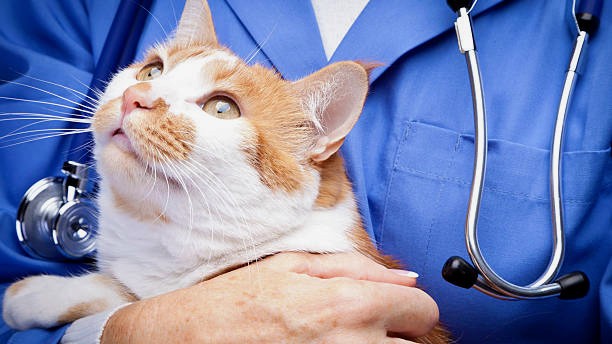
Everything begins with your vet listening closely. They’ll use a stethoscope to check for heart murmurs (that whooshing sound from turbulent blood flow), irregular rhythms, gallop sounds, or muffled heart tones. They’ll also feel your cat’s pulse, check breathing, and look for signs like pale gums or fluid buildup.
Why this matters: Many heart issues show up here first, but not always—only about half of cats with heart disease have an audible murmur. In my case with Whiskers, his murmur was faint at first, but the vet caught it during a routine checkup. They’ll ask about your observations too: changes in energy, breathing, or appetite. This step is free or low-cost and guides what comes next.after reading this article many things will be clear in your mind and you can also concerned with your vaternian.
RELATED
Blood Tests, Including Cardiac Biomarkers
A simple blood draw can reveal a lot. Vets often run general panels to check overall health, rule out things like anemia, kidney issues, or hyperthyroidism (which can mimic or worsen heart problems). But the star for heart-specific screening is the NT-proBNP test (sometimes called proBNP or Cardiopet proBNP).
This measures a hormone released when heart muscle is stretched or stressed. Elevated levels suggest heart trouble, with good sensitivity (around 85% in many studies). It’s a quick, in-clinic or lab test that’s great for screening apparently healthy cats or deciding if more advanced imaging is needed.
From my experience: When Luna had borderline appetite loss, her vet did this test—it came back mildly elevated, prompting further checks. It’s not definitive on its own (other conditions like high blood pressure can raise it), but it’s a helpful flag. Many vets use it before recommending pricier tests.
Chest X-Rays (Radiographs)
These are quick, non-invasive, and available at most clinics. Vets take views of the chest to assess heart size and shape, look for enlargement (especially left atrium), and check lungs for fluid buildup from congestive heart failure.
Why they’re useful: They help spot complications like pulmonary edema but aren’t perfect for early hypertrophic cardiomyopathy (the walls thicken inside without always making the heart look bigger overall). In one of my foster cats, x-rays showed clear lung changes that explained her rapid breathing—super helpful for immediate management.
Vets measure things like vertebral heart score (VHS) to quantify size. It’s a solid next step after a murmur or abnormal exam.
Electrocardiogram (ECG or EKG)
This records the heart’s electrical activity using electrodes on the skin—quick and painless. It detects arrhythmias (irregular beats), which are common in heart disease and can cause fainting or clots.
In practice: It’s especially useful if your cat has collapses or an irregular rhythm heard on exam. Whiskers had occasional skipped beats picked up this way, which helped guide his meds. It’s not the best for structural issues but shines for rhythm problems.
Echocardiogram (Heart Ultrasound) – The Gold Standard
This is the big one—an ultrasound of the heart done by a vet (often a boarded cardiologist for the best accuracy). Your cat lies awake on a table while a probe scans the chest, showing detailed views of walls, chambers, valves, blood flow (with Doppler), pressures, and clots.
Why it’s essential: It confirms the type of heart disease (like hypertrophic cardiomyopathy), measures wall thickness, assesses function, and rules out innocent murmurs. Many sources call it the definitive test because nothing else visualizes the heart this clearly.
I’ve had cats go through this—it’s non-invasive, takes 20-45 minutes, and sedation is rare unless they’re super wiggly. Cost varies, but it’s worth it for peace of mind or precise treatment planning. If screening tests like NT-proBNP or x-rays raise concerns, this is usually the recommendation.
Other Supporting Tests
- Blood Pressure Measurement: High pressure can cause or worsen heart issues, so vets check this routinely.
- Thyroid and Other Blood Checks: To exclude secondary causes.
- Rarely, more advanced stuff like cardiac catheterization (invasive, for complex cases).
In real life, not every cat needs every test. A young cat with a new murmur might start with NT-proBNP and x-rays; an older one with breathing trouble could jump to echo plus x-rays.
RELATED
What to Expect and Tips from Experience
Bring notes on symptoms and any videos (like of labored breathing). Most tests are low-stress—many cats handle them calmly with treats and gentle handling. If your vet suspects heart disease, they might refer you to a cardiologist for the echo.many veterinary Doctor’s suggest in there condition’s.
Costs add up (blood tests cheapest, echo most expensive), but early diagnosis often means simpler, cheaper long-term management. I’ve seen cats bounce back beautifully once on the right plan.if you want to save your money and time then take care of your valuable pet and it’s diet plan.i ofenly said that care is better than cure so please take important signs in your mind before reaching like that situations.
In the end, trust your instincts—if something feels off, push for testing. Our cats can’t tell us what’s wrong, so these tools bridge that gap. With the right diagnosis, many heart conditions are manageable, giving us more quality time with our furry buddies. Hang in there, and give your cat an extra scratch from me!
Remember, this article shares personal experiences and general info—not a diagnosis or product promotion. If you see any concerning signs, consult your veterinary doctor right away for proper care and caution. Stay safe and loving with your pets!