Which Large Dog Breed is Most Protective? Expert Guide(Boxer&Great Dane)
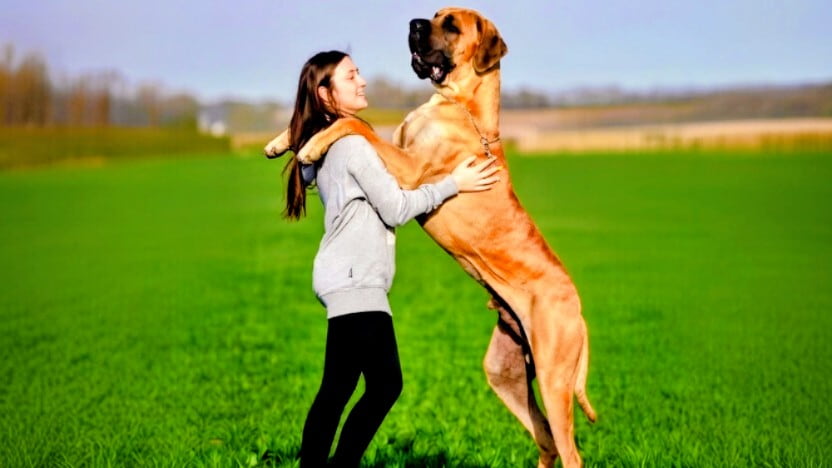
Great Dane just stood there like a statue staring down the delivery guy. Didn’t even bark. Size really does the talking sometimes.
Hey there, fellow dog lovers! Here am sharing my personal research experience with my loving pet fellow’s.As a longtime dog owner who’s shared my home with everything from rambunctious pups to wise old seniors, I’ve spent years diving into what makes certain breeds stand out—especially when it comes to that instinctual drive to keep their families safe. I’ve had my fair share of late-night walks where a protective bark made all the difference, and I’ve chatted with vets and other pet parents about breeds like the Boxer and Great Dane. Today, let’s break down the Boxer vs Great Dane debate on protectiveness. It’s not just about size; it’s about personality, training, and how they fit into real-life family dynamics.
In my experience, choosing a protective large breed isn’t a one-size-fits-all decision. I’ve seen how a dog’s background and upbringing play huge roles. For instance, my own Boxer mix once alerted me to a stranger lingering too long near our fence, not with aggression but with that steady, watchful presence that says, “I’ve got this.” Great Danes, on the other hand, bring a whole different vibe—think gentle giant with a surprising edge when needed. We’ll explore both sides here, drawing from what I’ve observed and learned over the years.
Understanding Protectiveness in Large Dog Breeds
Protectiveness isn’t just barking at every squirrel—it’s a mix of loyalty, alertness, and sometimes a bit of territorial instinct. As dog owners, we often notice this trait kicking in around 6 to 18 months old, when pups start maturing and bonding deeply with their pack (that’s us!). Vets I’ve spoken with explain that it’s rooted in genetics; breeds historically used for guarding or hunting develop sharper senses for potential threats.
Take large breeds in general—they’re imposing just by their stature, which can deter intruders without a sound. But why does this happen? It’s evolutionary: bigger dogs were bred for roles like protecting livestock or estates, so their brains are wired to scan environments constantly. In my home, I’ve watched how this plays out differently across breeds, influenced by everything from early socialization to daily exercise routines.
RELATED
Boxer: The Energetic Guardian with Heart
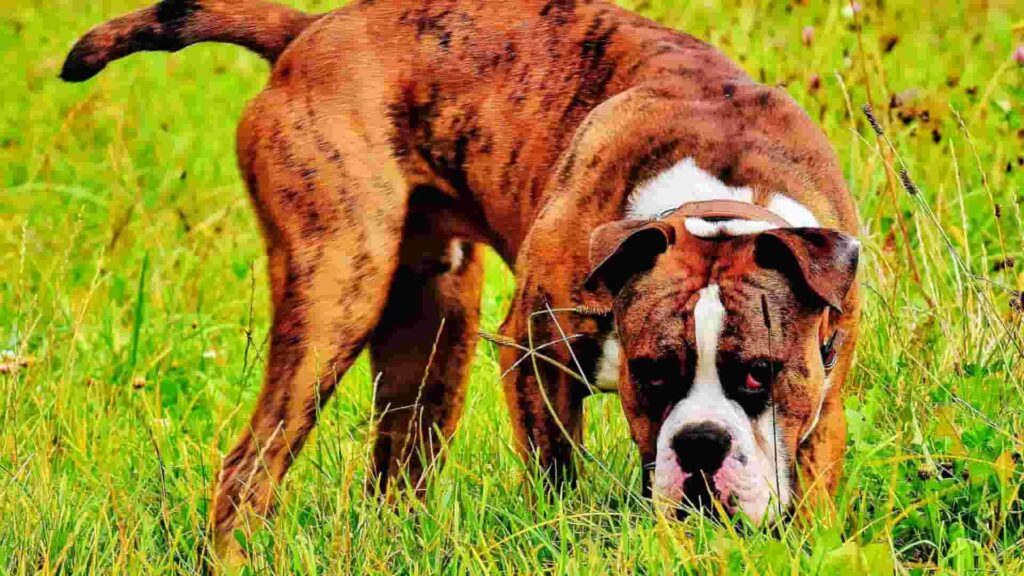
Boxers have always struck me as the ultimate family protectors—playful yet fiercely devoted. I remember adopting a 2-year-old Boxer named Max from a shelter; he was all wiggles and jumps at first, but within weeks, he positioned himself by the door during evenings, ears perked for any unusual noise. That’s classic Boxer behavior: they’re not overly aggressive, but their muscular build and quick reflexes make them natural watchdogs.
What sets Boxers apart in the protectiveness department? It’s their high energy combined with intelligence. Vets point out that Boxers descend from hunting and guarding lines, so they have an innate alertness to changes in their surroundings. For example, if a delivery person approaches too quickly, a Boxer might let out a deep woof as a warning, not to attack but to alert you. In my experience, this makes them ideal for active households where kids are running around—they protect without overwhelming the chaos.
Boxer’s Protective Traits in Action
- Alertness Without Overreaction: Many dog parents I’ve met describe how their Boxers differentiate between friends and strangers. Mine once ignored the mail carrier after a few introductions but stood firm when an unfamiliar jogger cut through our yard.
- Bonding and Loyalty: Boxers form tight bonds early on. If you start training at 8 weeks with positive reinforcement, they learn to channel protectiveness productively. Why? Their brains thrive on routine, reducing false alarms.
- Physical Deterrent: At 50-80 pounds, they’re not the biggest, but their athleticism shines. I’ve seen Boxers leap to attention faster than larger breeds, making them great for urban living where quick responses matter.
Short training sessions helped Max become more discerning—he’d bark once, then look to me for cues. This isn’t just luck; it’s because Boxers are eager learners, responding well to commands like “watch” or “quiet.”
Potential Drawbacks for Protectiveness
No breed is perfect, right? Boxers can be a bit clownish, which might dilute their guard dog image if not guided. In scenarios like family gatherings, an untrained Boxer might jump excitedly on guests, mistaking play for protection. Vets advise early obedience classes to balance this, explaining that without structure, their energy can lead to overprotectiveness around food or toys.
I’ve noticed this in puppy playdates: a 6-month-old Boxer pup I fostered was all bark toward new dogs until we socialized him properly. The key? Consistency—why it works is that it builds confidence, preventing fear-based reactions that could escalate.
Great Dane: The Gentle Giant with a Watchful Eye
Switching gears to Great Danes, these guys are like living statues—massive, calm, and surprisingly protective in subtle ways. I once house-sat for a friend with a 3-year-old Great Dane named Luna, and her sheer size was enough to make me feel secure. She didn’t bark much, but her low rumble when a car pulled up late at night was intimidating without effort.
Great Danes’ protectiveness stems from their mastiff heritage, bred for estate guarding. Vets I’ve consulted note that their size (up to 200 pounds!) acts as a visual deterrent, but it’s their calm demeanor that amplifies it. They don’t waste energy on every little thing; instead, they reserve it for real threats, which is why they’re often called “gentle guardians.”
Everyday Scenarios Where Great Danes Shine
Picture this: You’re home alone, and there’s a knock at the door. A Great Dane like Luna would amble over, standing tall with that deep gaze that says, “State your business.” In my time with her, she never lunged but positioned herself between me and the entrance—a natural instinct explained by their territorial breeding.
- Subtle Intimidation: Their height (up to 32 inches at the shoulder) means they don’t need to be vocal. Friends with Danes tell stories of solicitors backing off just from seeing them through a window.
- Family Integration: Great Danes bond slowly but deeply, especially with patient training from 12 weeks onward. Why this enhances protectiveness? It creates a strong pack mentality, where they view family as worth defending.
- Low-Energy Vigilance: Unlike high-strung breeds, Danes conserve energy, making them reliable for long-term watchfulness. I’ve observed this in rural settings, where they patrol yards methodically.
Luna’s routine included daily walks that built her confidence, reducing any anxiety that could misfire as aggression. Vets emphasize health checks for joints, as mobility issues can affect their ability to “protect” effectively.
Challenges with Great Dane Protectiveness
That said, their size can be a double-edged sword. In tight spaces like apartments, a Great Dane might accidentally knock things over while trying to guard. I recall Luna bumping into furniture during a thunderstorm—her protectiveness heightened by the noise, but her bulk made it comical yet concerning.
Overprotectiveness can emerge if not socialized; vets explain this happens because isolation amplifies their guardian instincts without boundaries. Regular exposure to new people from puppyhood helps, turning potential wariness into calm assurance.
Boxer vs Great Dane: Head-to-Head on Protectiveness
Now, the big question in the Boxer vs Great Dane showdown: which is more protective? From what I’ve lived and researched, it’s not a clear winner— it depends on your lifestyle. Boxers bring active, vocal protection, perfect for families needing an alert companion. Great Danes offer passive, imposing deterrence, ideal for those wanting quiet strength.
In real terms, a Boxer might score higher on responsiveness; I’ve seen them react to subtle cues like a distant siren faster. Why? Their working dog background keeps them on high alert. Conversely, Great Danes excel in sheer presence—think of them as a living security system that doesn’t require batteries.
Factors Influencing Protectiveness
- Training Impact: Both breeds thrive with positive methods. My Boxer responded to clicker training for boundary setting, while Danes I’ve known need gentler approaches to avoid stubbornness.
- Health and Age Considerations: Protectiveness peaks in adulthood (2-5 years), but joint issues in Danes or heart conditions in Boxers can dim it. Vets recommend annual check-ups to maintain vitality.
- Environment Fit: Urban dwellers might prefer Boxers’ adaptability, while rural homes suit Danes’ roaming style. In my suburban setup, a Boxer fit seamlessly, barking at passersby without escalating.
Personal anecdote: During a neighborhood watch meeting, a fellow owner’s Boxer deterred a suspicious loiterer with a single bark, while another’s Dane just stood there, and the person left anyway. It shows how context matters.
Training Tips for Maximizing Protectiveness
As dog parents, we can nurture these traits without creating problems. Start young—puppies as young as 8 weeks can learn basic commands. For Boxers, incorporate play-based drills like fetch with “guard” cues to channel energy. Great Danes benefit from calm exposure walks, building confidence gradually.
Why does early training work? It wires their brains to associate protection with control, reducing liability risks. Vets I’ve talked to stress consistency: reward calm behavior around strangers to avoid overreactions.
Practical Exercises
- Desensitization Drills: Invite friends over regularly. For my Boxer, this turned greetings from chaotic to composed.
- Boundary Training: Use leashes indoors to teach “place” commands. Danes pick this up quickly due to their laid-back nature.
- Professional Help: If protectiveness borders on aggression, consult a behaviorist. In one case I know, a Great Dane’s growling at kids was fixed with counter-conditioning.
Remember, protectiveness should enhance safety, not create fear. I’ve always aimed for balance in my dogs.
Health Considerations Affecting Protective Abilities
Health plays a underrated role in how protective a dog can be. Boxers are prone to cardiomyopathy, which might sap their energy for vigilance. Vets advise regular heart screens starting at age 2, explaining that early detection keeps them active guardians.
Great Danes face bloat and hip dysplasia—conditions that could limit mobility. Why monitor? Pain can make them irritable, misdirecting protectiveness. In my fostering days, a Dane with early hip issues became less alert until treated with supplements and physio.
Preventive Measures
- Diet and Exercise: High-quality food supports joint health in Danes and cardiac function in Boxers. Daily walks keep them fit without strain.
- Vet Visits: Annual exams catch issues early. One vet tip: Watch for lethargy as a sign of underlying problems affecting behavior.
By staying proactive, we ensure our dogs remain the protectors we love.
Living with a Protective Large Breed: Daily Realities
Day-to-day life with these breeds is rewarding but requires prep. Boxers need outlets for energy—think agility games in the backyard. I recall Max zooming around, burning off steam so he’d settle into watchdog mode evenings.
Great Danes crave space; Luna lounged on oversized beds, conserving energy for those watchful moments. Families with kids benefit from both, but supervision is key—Boxers’ playfulness can overwhelm toddlers, while Danes’ tails might accidentally swipe.
Home Setup Ideas
- Secure Fencing: Essential for both to prevent wandering while allowing patrol duties.
- Comfort Zones: Designated spots near entrances encourage natural guarding.
In mixed-pet homes, like mine with cats, Boxers adapt faster due to their sociable side, but Danes learn with time.
Myths vs Reality in Dog Protectiveness
Let’s debunk some myths. Not all large dogs are inherently aggressive—protectiveness is about discernment. Boxers aren’t “hyper guard dogs”; they’re balanced with proper upbringing. Great Danes aren’t lazy; their calm is strategic.
From experience, the reality is nuanced: A well-trained Boxer or Dane protects without issues, backed by vet insights on breed-specific temperaments.
Choosing Between Boxer and Great Dane for Your Family
Weighing Boxer vs Great Dane? If you want an energetic partner who’s vocal about threats, go Boxer. For a stoic sentinel whose presence alone suffices, choose Dane.
Consider your space, activity level, and family dynamics. I leaned toward Boxers for my active lifestyle, but admire Danes for calmer homes.
RELATED
FAQ
Is a Boxer more protective than a Great Dane in urban settings?
Absolutely, in my view—Boxers’ agility and alertness suit city life better, reacting quickly to noises like traffic or crowds. Great Danes might feel cramped, but their size still deters effectively if space allows.
How do I train my Great Dane to be less aloof and more protective?
Start with bonding activities like daily walks and obedience games. Vets suggest positive reinforcement to build trust; over time, they’ll naturally step up as guardians without forcing it.
Can Boxers be good protectors for families with small children?
Yes, with supervision—they’re loving and playful, but their energy needs channeling. Many parents notice Boxers becoming gentle shadows to kids, alerting to dangers like open gates.
What’s the lifespan impact on protectiveness for these breeds?
Boxers live 10-12 years, Danes 7-10; protectiveness often peaks mid-life but wanes with age-related health. Regular vet care keeps them vigilant longer.
Are there gender differences in protectiveness between Boxers and Great Danes?
Females can be more territorial in both, but it’s individual. In my experience, neutering/spaying evens things out, focusing instincts on family rather than hormones.
Conclusion
In wrapping up, picking between a Boxer and Great Dane for protection boils down to what feels right for your world. Both have won my heart through the years—Max’s spirited watchfulness and Luna’s quiet strength remind me why large breeds make such incredible companions. If you’re thoughtful about training and health, either can be that reassuring presence every dog owner cherishes. Trust your gut, chat with a vet, and enjoy the journey!