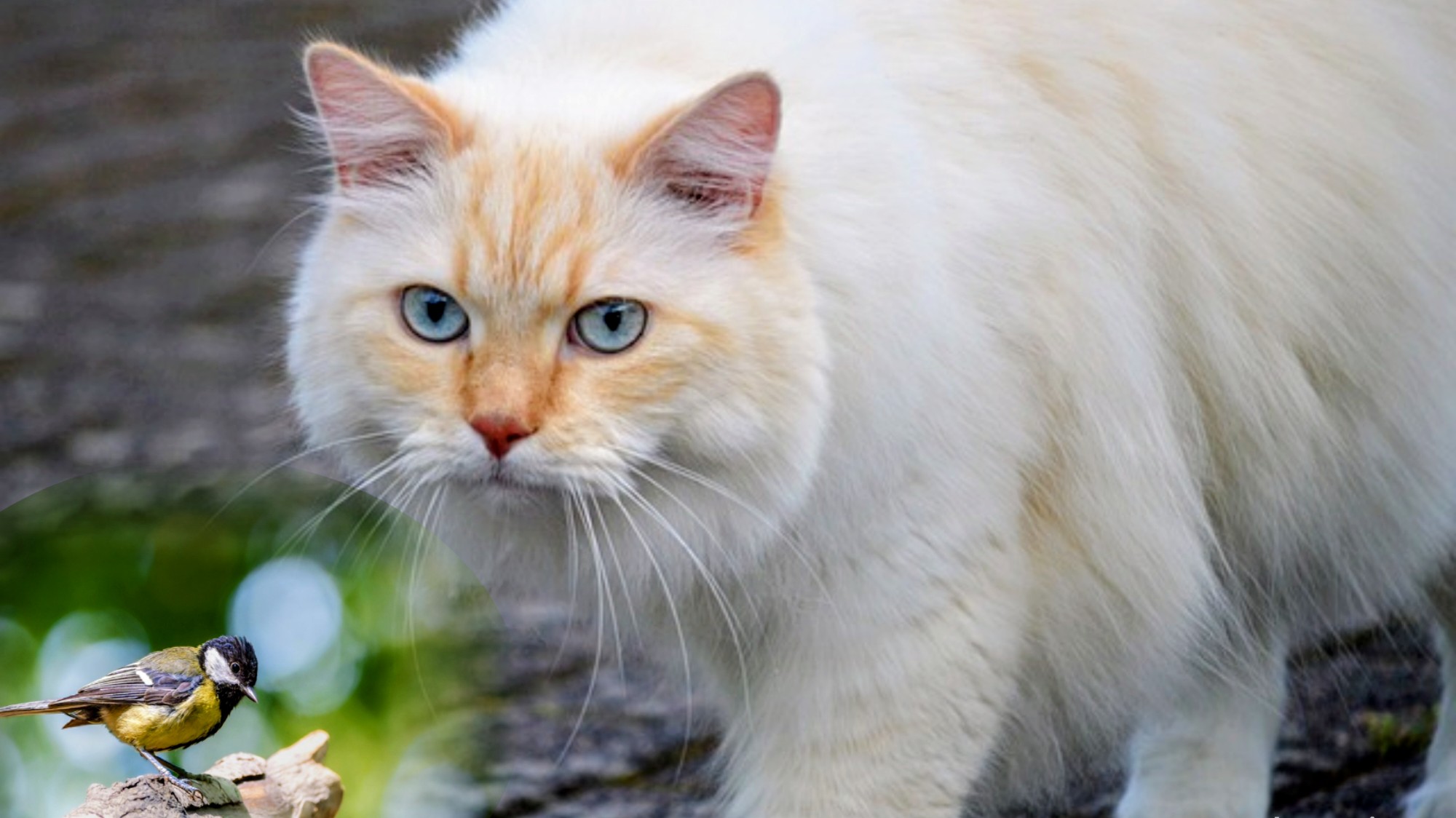
What Does It Mean When a Cat Chirps at You? (Complete Guide 2026)
Cats chirp for excitement, hunting instinct, and communication. Learn about Cat Chirps and what this cute sound really means and when you should pay attention.
Hey! My loving pet fellow’s if you’ve ever caught your cat staring out the window making this odd little “chirp-chirp-chirp” noise, you know exactly what I mean. It’s not quite a meow, not a purr, and definitely not the angry chattering some cats do when they’re really worked up. It’s this quick, high-pitched, almost bird-like sound that makes you stop and smile (or wonder if something’s wrong).
As someone who’s lived with cats for more than fifteen years—right now I have three: a chatty tabby named Luna, a quiet rescue named Milo, and a senior void named Shadow—I’ve heard every version of this sound. Sometimes it’s directed at me, sometimes at a leaf blowing past the window, and sometimes it feels like my cat is having a full conversation with a pigeon she’ll never catch.
In this guide I’m sharing everything I’ve learned from my own cats, from talking to other cat parents, and from what vets have explained to me over the years. No fluff, just real-life observations and the actual reasons behind that adorable (and sometimes hilarious) chirp.
RELATED

What Exactly Is Cat Chirping?
Let’s clear this up right away because even experienced cat people mix these terms.
A chirp is usually a short, bright, rising “ek-ek-ek” or “chirp-chirp” sound. Mouth is often slightly open. It sounds a bit like a bird or a squeaky toy.
A trill (or chirrup) is more musical—a rolling “brrrp” or “mrrp” with the mouth closed. It’s the sound a mother cat makes to call her kittens, and many adult cats use it as a friendly “hi!” or “follow me.”
Chattering is the one where the jaw vibrates rapidly and you see teeth clicking together. Often happens at the same time as chirping when the cat is super excited or frustrated.
In everyday life, people use “chirping” as a catch-all for all three, and that’s fine. The important thing is the context and the cat’s body language.
My Luna does the classic chirp when she sees birds. Milo does a soft trill when I walk into the room after work. Shadow almost never vocalizes unless she’s really happy, and then it’s this tiny, rusty trill that melts my heart.
Why Do Cats Chirp at Birds and Small Animals?
This is the classic scenario. You’ve seen it: cat on the windowsill, tail twitching, pupils huge, making that rapid-fire chirping noise at a squirrel or a flock of sparrows.
It’s a mix of pure excitement and low-key frustration. They want that prey so badly, but they can’t get to it. The chirp seems to be an outlet for all that pent-up hunting energy.
Some behaviorists think cats are actually trying to mimic the sound of their prey—almost like they’re practicing or even trying to lure the bird closer. I’ve watched Luna do it so intensely that she sounds exactly like the little chickadees she’s staring at. It’s wild.
Other times it’s just pure frustration. Milo once chirped nonstop for twenty minutes at a chipmunk on the deck. When I finally opened the door he bolted out, missed completely, and came back in looking embarrassed.
This sound is often linked to prey drive and window hunting — as explained in this detailed guide on cat hunting behavior explained.
Is Chirping a Hunting Instinct?
Absolutely. Even indoor-only cats still have the same wiring as their wild ancestors.
Kittens learn to chirp from their mothers when they’re learning to hunt. Mother cats make chirping sounds to get the kittens’ attention during play-hunting sessions. So when your adult cat chirps at a toy mouse or a laser dot, they’re basically reliving those kittenhood lessons.
There’s also the “practice kill bite” theory. When cats chatter/chirp, their jaw is moving in the exact motion they’d use to deliver a fatal bite to the neck of prey. It’s like their body is rehearsing even when the prey is safely on the other side of the glass.
I’ve noticed my cats chirp way more in spring and fall when there are more birds around. It’s almost seasonal for them.
Do Cats Chirp When They’re Excited?
Yes—and not just about prey.
Watch your cat when you pull out a new wand toy or open a box. Many cats will chirp or trill with excitement. Luna does this little happy chirp-run when I shake the treat bag. It’s her way of saying “YES! THIS IS HAPPENING!”
Fast movement triggers it too—zoomies, laser pointers, even the vacuum sometimes (though that’s more anxiety-excitement).
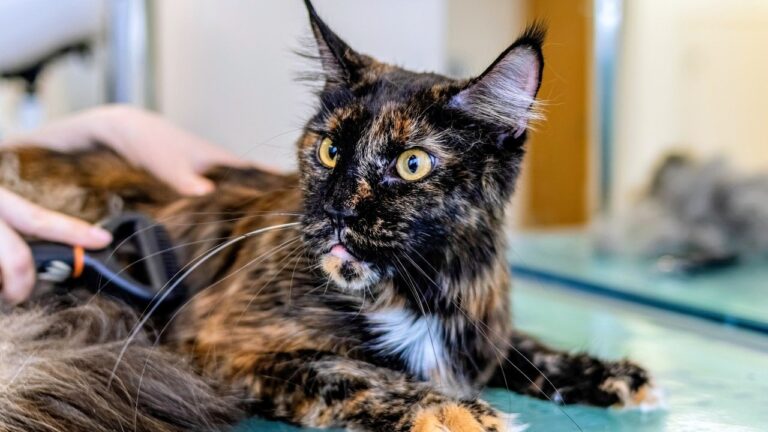
Shadow, my 14-year-old, only chirps when I’m brushing her in her favorite spot. It’s this soft, contented chirp that tells me she’s in pure bliss.
Can Cat Chirping Be a Way of Communication?
This is where it gets really sweet.
Cats don’t meow much to each other as adults, but they’ve learned we respond to sounds. So chirps and trills directed at humans are basically them talking to us.
Common meanings I’ve observed:
- “Hello!” (especially first thing in the morning)
- “Come see this!” (they’ll chirp and then walk away expecting you to follow)
- “I’m happy you’re home”
- “Feed me… but politely”
- “Play with me right now”
Milo has a specific trill he only uses when he wants me to follow him to his food bowl. It’s adorable and extremely effective.
Many cat parents notice their cats chirp more when they’re feeling affectionate or when they want attention without being demanding.
Should You Worry If Your Cat Chirps a Lot?
Usually, no. It’s a normal, happy sound.
But there are a few times I’d pay extra attention:
- Sudden increase in chirping + other changes (hiding, not eating, litter box issues)
- Chirping that sounds hoarse or painful
- Excessive chirping at night that seems distressed
- Any vocalization paired with open-mouth breathing or coughing
I once had a foster cat who started chirping constantly and it turned out she had a mild upper respiratory infection. The chirps sounded different—more raspy. A quick vet visit fixed it.
If your cat has always been quiet and suddenly becomes very vocal, it’s worth mentioning at the next check-up. But most of the time, lots of chirping just means you have a very expressive, happy cat.
How Should You Respond When Your Cat Chirps?
Acknowledge them! That’s what they want.
Simple things that work:
- Answer back with a soft “brrp” or “mrrp” of your own
- Go see what they’re showing you
- Get out a toy if they’re chirping at the window
- Give a gentle head boop or chin scratch
For window chirping, I’ve found that interactive play afterward helps release that hunting frustration. A good 10-15 minute session with a wand toy usually calms them right down.
Enrichment ideas that reduce excessive window frustration:
- Bird feeders placed where your cat can watch safely
- Puzzle feeders
- Window perches with suction cups
- Cat TV videos (there are some great free ones on YouTube)
- Rotating toys so they don’t get bored
Cat Chirping vs Other Cat Sounds
Let’s compare the big ones so you can tell them apart:
Meow – Usually directed at humans, can mean anything from “hi” to “I’m starving” to “let me out now.” Very flexible.
Purr – Mostly contentment, but cats also purr when they’re in pain or stressed (self-soothing).
Trill/Chirrup – Friendly greeting, affection, “follow me.”
Chirp – Excitement, hunting drive, attention-seeking.
Chatter – Intense prey frustration, often with jaw clicking.
Yowl/Howl – Usually pain, fear, mating, or territory disputes. Much louder and more drawn out.
My cats have very distinct vocabularies. Luna is the chirper/chatterer. Milo is the triller. Shadow mostly meows softly when she wants something.
If you want to compare chirping with other sounds, this resource on understanding cat vocalizations is very helpful.
Final Thoughts — It’s Usually a Cute, Normal Behavior
If your cat chirps at you, take it as the compliment it is. They’re choosing to communicate with you in their special way. They trust you enough to show excitement, frustration, affection, and playfulness—all wrapped up in one adorable sound.
After years of living with chirpy cats, I’ve come to see it as one of the sweetest parts of sharing life with them. It’s a reminder that even though they’re independent little creatures, they still want to connect with us.
So next time you hear that “ek-ek-ek” from the windowsill or that happy trill when you walk through the door, smile. Your cat is talking to you—and they’re probably saying they love having you around.
FAQ
Why does my cat chirp at me when I’m just sitting on the couch?
She’s probably saying hello or inviting you to play. Many cats use chirps as a polite way to get your attention without full-on meowing.
Is chirping more common in certain breeds?
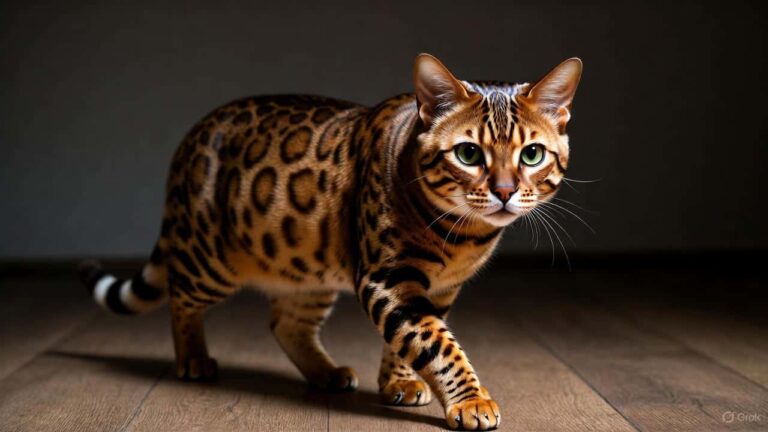
Oriental breeds (Siamese, Oriental Shorthair, Bengals) tend to be extra vocal, including more chirping. But I’ve met plenty of chatty domestic shorthairs too—personality matters more than breed.
My cat only chirps at night—should I be worried?
If it’s the happy, excited kind, it’s usually just zoomies or “the 3 a.m. crazies.” If it sounds distressed or she seems restless, check for medical issues or environmental stressors (new smells, neighborhood cats outside, etc.).
Can older cats lose their chirp?
Yes, some seniors become quieter overall. If your chatty cat suddenly goes silent, mention it to your vet—it can sometimes signal discomfort or cognitive changes.
How do I get my cat to chirp more?
You can’t really force it, but interactive play, new toys, and responding positively when they do chirp will encourage more communication. Some cats are just naturally quieter, and that’s okay too.
If your cat chirps, you’re doing something right. They feel safe, loved, and comfortable enough to be their silly, vocal selves around you. That’s a pretty special bond.
Keep listening to them—they’ve got a lot to say. 🐱💛