How to Take Care of a Lovebird Properly (Step-by-Step Guide)
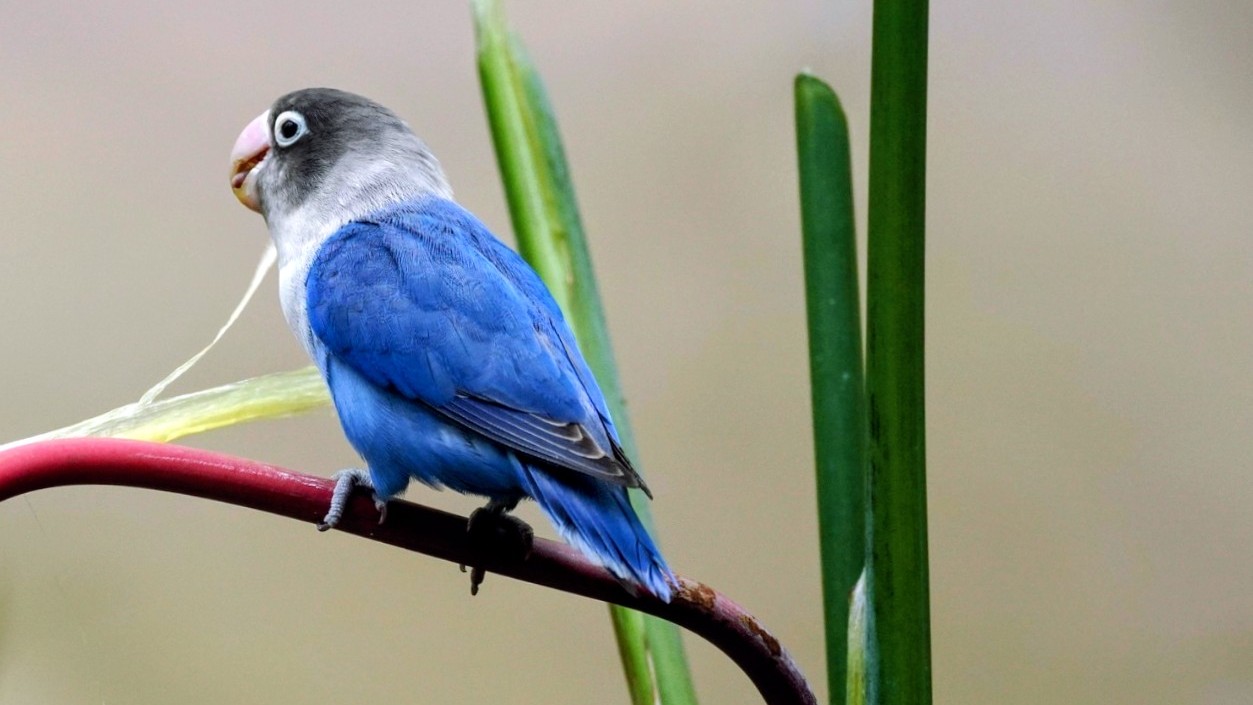
Lovebird is a so cute pet birds for every home beauty.Lovebirds are famous for their cute charming habbits.Here is the complete Guide for my loving pet fellow’s if they are things to adopt a lovely lovebirds.this is complete Guide for my personal experience and authentic research.I still remember the day I brought home my first lovebird, a feisty little peach-faced guy I named Mango. He was barely bigger than my palm, full of attitude, and within hours he had me wrapped around his tiny claw. That was over eight years and four lovebirds ago. What started as “just a small bird” quickly became a daily lesson in patience, observation, and real commitment. Lovebirds aren’t low-maintenance pets—they’re tiny parrots with big personalities and even bigger needs.
If you’re thinking about getting one (or already have onestaring at you from the cage), this guide is written from the trenches. No fluff, no generic lists—just what actually works when you live with these little clowns every single day.
Spacious Housing for Lovebirds
Lovebirds may be small, but they are incredibly active. They fly horizontally more than vertically, climb like monkeys, and need room to stretch their wings without feeling like they’re in a phone booth.
You can check general bird cage size recommendations and care basics from veterinary pet care resources.
Minimum Cage Size for Lovebirds
The absolute bare-minimum size most experts (and my own experience) agree on for a single lovebird is around 18″ × 18″ × 18″. But honestly? That’s the equivalent of you living in a studio apartment with no hallway. I upgraded my first bird from a 20″ cube to a 32″ × 21″ flight cage and the difference in his mood was night and day. He went from screaming for attention to happily playing by himself for stretches of time.
For a pair, look at 32″ × 20″ × 20″ minimum, but bigger is always better. I now keep my bonded pair in a 48″ × 30″ × 30″ aviary-style cage and they still use every inch.
Best Perches and Natural Wood Branches
All the same-diameter wooden dowels that come with cheap cages? Throw them out. They cause pressure sores on the feet over time. I use a mix of:
- Natural manzanita or java wood branches (different diameters so their feet get a workout)
- Rope perches (great for grip but wash them often)
- Concrete perches near food bowls to keep nails trimmed naturally
My birds love chewing the bark off fresh branches—I replace them every couple of months.
Nest Box and Sleeping Space
Even if you’re not breeding, many lovebirds love a cozy sleeping spot. I offer a small nest box (about 8″ × 8″ × 8″) stuffed with shredded paper or coconut fiber. They don’t always sleep in it, but it gives them a sense of security. Some of my birds prefer a covered corner of the cage with a fleece snuggle hut—whatever makes them feel safe at night.
Safe Toys for Lovebirds
Lovebirds are destroyers. They will reduce a toy to splinters in a week and love every second of it. Rotate toys weekly so they stay interested. Favorites in my house:
- Foraging toys (stuff with pellets or small treats)
- Shreddable paper toys
- Bells they can ring (make sure the clapper can’t be removed)
- Swings and ladders
Never leave them with anything that has small metal parts they could swallow.
Balanced Diet Plan for Lovebirds
This is where most new owners go wrong—and where I went wrong at first.
For detailed avian bird diet guidelines, you can also review expert recommendations from professional avian veterinarians.
Pellet vs Seed Diet for Lovebirds
Seeds look cute in those colorful bags, but they’re basically junk food for birds: high fat, low nutrition, and birds pick out only what they like. After Mango developed fatty liver signs at age four, I switched everyone to a pellet base.
Pellets should make up 70-80% of the diet. I use Harrison’s or Lafeber’s small bird formulas. Yes, the transition can take weeks (I mixed pellets with seeds and slowly reduced the seeds), but it’s worth it. My birds now live on pellets + fresh food and look healthier at eight years old than they did at two.
Fresh Vegetables Lovebirds Can Eat
Offer a big variety every single day. My birds go crazy for:
- Broccoli (including stems)
- Carrots (shredded or whole)
- Bell peppers (all colors)
- Kale, spinach, Swiss chard
- Cucumber, zucchini
- Snap peas, green beans
Chop them small or hang them in the cage—they love the challenge.
Safe Fruits for Lovebirds
Fruit is dessert, not the main course. A few bites, 2-3 times a week max because of the sugar.
Favorites: apple (no seeds), banana, berries, melon, papaya, mango (ironic, right?), pear.
Always wash thoroughly and remove pits/seeds.
Foods to Avoid for Lovebirds
This list is non-negotiable:
- Avocado (toxic)
- Chocolate, caffeine
- Onion, garlic, leeks
- Rhubarb
- Fruit pits/seeds (apple seeds, cherry pits, etc.)
- Salty, fried, or processed human food
- Dairy (they’re lactose intolerant)
I once gave a tiny piece of avocado skin by accident—thankfully spotted it immediately and the bird was fine, but I still feel guilty years later.
Clean Water Requirements
Fresh water twice a day minimum. I use bottled or filtered water. Many lovebirds love bathing, so I offer a shallow dish or mist them gently a few times a week—they go absolutely wild for it.
Lovebird Social Needs and Enrichment
Lovebirds are called “lovebirds” for a reason—they crave connection.
Should Lovebirds Be Kept in Pairs?
This is the biggest myth in the lovebird world. A single, well-socialized lovebird can be incredibly bonded to its human and make a wonderful pet. My first bird, Mango, lived happily alone for years and still begs for head scratches every morning.
A pair will often bond to each other instead of you, which is fine if that’s what you want to observe—but don’t expect cuddles from both. I now have one single and one bonded pair, and both setups work beautifully when the human time is right.
Daily Interaction with Your Lovebird
Minimum one solid hour out of the cage every day, preferably more. They need to fly, explore, and interact. I let mine out while I’m working from home—they perch on my shoulder, steal my pen, and chatter in my ear.
Best Enrichment Toys
Beyond the usual, try:
- Puzzle toys that make them work for treats
- Shredding boxes
- Mirrors (some lovebirds adore them, others get territorial—test carefully)
- Training sessions (target training is incredibly rewarding)
Foraging Activities for Mental Stimulation
Hide pellets in crumpled paper, stuff them in paper towel rolls, scatter them in a foraging tray with safe leaves. My birds spend hours “hunting” and it keeps them from getting bored and plucking feathers.
Lovebird Health and Wellness Care
How Often to Visit an Avian Vet
Annual wellness exams are the gold standard. Bloodwork, gram stain, and a physical once a year catches things early. I take mine every 12 months even when they look perfect—better safe than sorry with these small creatures.
Signs of a Healthy Lovebird
- Bright, clear eyes
- Smooth, shiny feathers
- Active, curious, vocal
- Solid droppings (white urates, green/brown feces, clear urine)
- Good appetite
- Plays, preens, bathes enthusiastically
Common Lovebird Illness Symptoms
Watch for:
- Fluffed up and sleepy all day
- Tail bobbing when breathing
- Watery or discolored droppings
- Sneezing, wheezing, nasal discharge
- Loss of appetite or sudden weight loss
- Feather plucking (can be behavioral or medical)
If you see any of these, get to an avian vet the same day. Lovebirds hide illness until they’re really sick.
Cage Cleaning and Hygiene Routine
Daily: spot-clean papers, change water, wash food bowls.
Weekly: full cage scrub with bird-safe cleaner, wash perches/toys.
Monthly: deep clean everything, including the grate and tray.
Creating a Safe Environment
- No non-stick cookware (fumes are deadly)
- No candles, air fresheners, incense
- No open windows without screens
- Keep them away from other pets during out time
- Cover the cage at night for 10-12 hours of darkness
Final Thoughts from Someone Who’s Been There
Caring for a lovebird isn’t about having the perfect cage or the fanciest toys—it’s about showing up every day and learning who your bird really is. Some days they’ll be cuddly little angels; other days they’ll scream at you for closing the fridge too loudly. That’s just part of the package.
If you give them space, good food, real interaction, and respect their wild little souls, they will give you back years of laughter, loyalty, and those unforgettable moments when they tuck their head under your chin and fall asleep.
You’ve got this. And if you ever feel overwhelmed, just remember: even the most experienced lovebird owners are still figuring it out one day at a time. That’s what makes it so rewarding.
Welcome to the lovebird club. You’re going to love it here.