Top 3 Rugged Dog Breeds That Thrive in the Wilderness
Rugged dog breeds are built for tough terrain and harsh weather — discover the top 3 dogs that truly thrive in wilderness adventures.Here am sharing a useful and authentic research and experience with my loving pet fellow’s for educational purpose Only.As a Dog owner who’s spent the last decade and a half sharing my home with three very opinionated felines, I’ve learned one thing for sure: Dogs and wilderness adventures are usually two separate worlds. My loving puppy prefers sunbeams and cardboard boxes over muddy trails and sub-zero nights. But I’ve hiked enough backcountry routes with friends and their dogs to see the other side of the pet world—and it’s fascinating. Some rugged dog breeds don’t just survive the wild; they come alive in it. They were literally shaped by centuries of harsh conditions, and watching them work is like seeing a living piece of history in action.
Here are the three rugged dog breeds that consistently impress me (and every experienced hiker I know) when the trail gets remote, the weather turns nasty, and the pack needs a true partner.Many of these tough wilderness-ready breeds come from long lines of sledding, guarding, and hauling roles — traits commonly seen in working dog breed characteristics.
The Alaskan Malamute: Built Like a Freight Train for Frozen Wilds
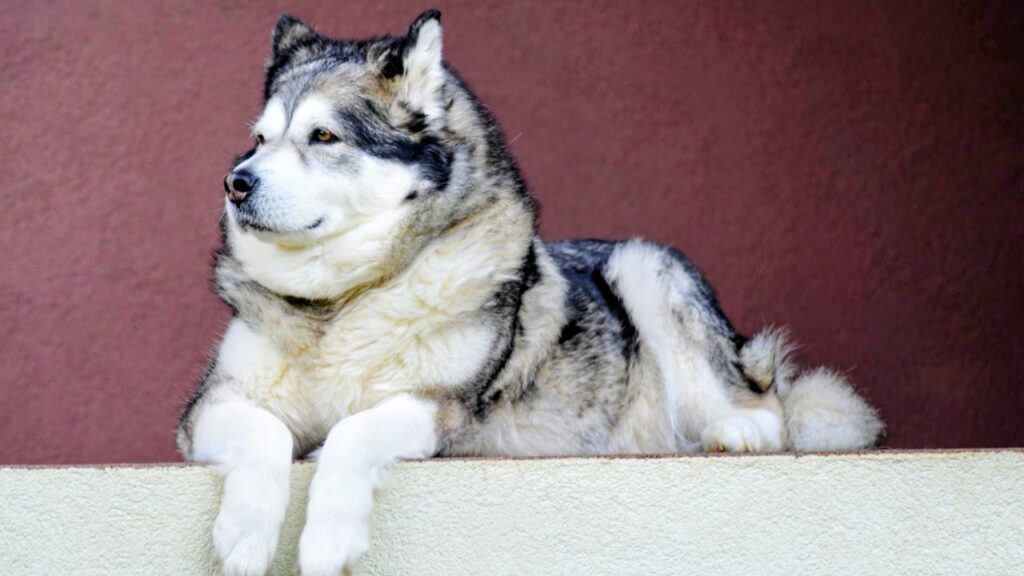
If there’s one breed that looks like it was carved out of the Arctic itself, it’s the Malamute. These big, wolfy-looking dogs were developed by the Mahlemiut people of Alaska to haul heavy sleds over hundreds of miles of ice and snow. Their sheer power is no accident—the broad chest, thick bone structure, and massive paws act like snowshoes and shock absorbers on uneven, frozen ground.
What really sets them apart in the wilderness is that dense double coat. The undercoat is soft and woolly, trapping a layer of warm air right against the skin; the outer guard hairs shed snow and water like a rain jacket. Vets see fewer cases of hypothermia in these dogs than almost any other breed when temperatures drop below zero, precisely because of this built-in insulation system.
In my experience, a well-conditioned Malamute will happily carry its own saddlebags full of gear and still have energy to spare at camp. I once watched my friend’s eight-year-old Malamute named Kodiak pull a small sled loaded with tents and food up a steep, snowy ridge in the Cascades while my own cats were probably curled up on the heated blanket back home. The dog never complained, never slowed down, and still wanted to play fetch with a snowball at the summit.
Key traits that make them wilderness legends:
- Incredible pulling strength (they can haul more than their own body weight)
- Calm, steady temperament even when exhausted
- Natural pack instinct that translates to loyalty on long expeditions
- Thickly padded feet that resist cracking in cold or rough terrain
They do need experienced owners—Malamutes are smart but independent, and boredom leads to creative destruction (ask anyone whose couch has met an under-stimulated Malamute).
The Siberian Husky: The Ultimate Endurance Athlete with a Smile
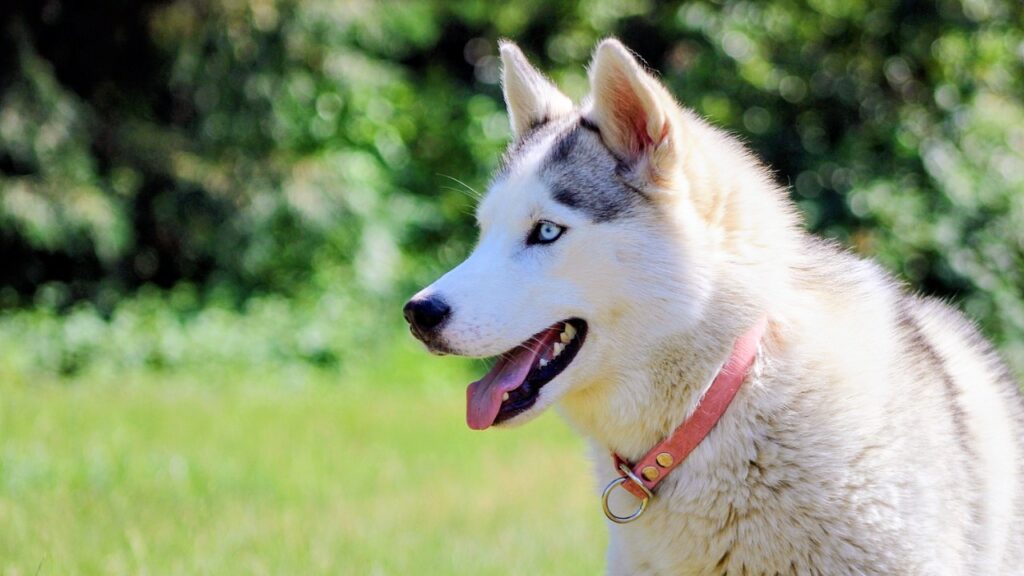
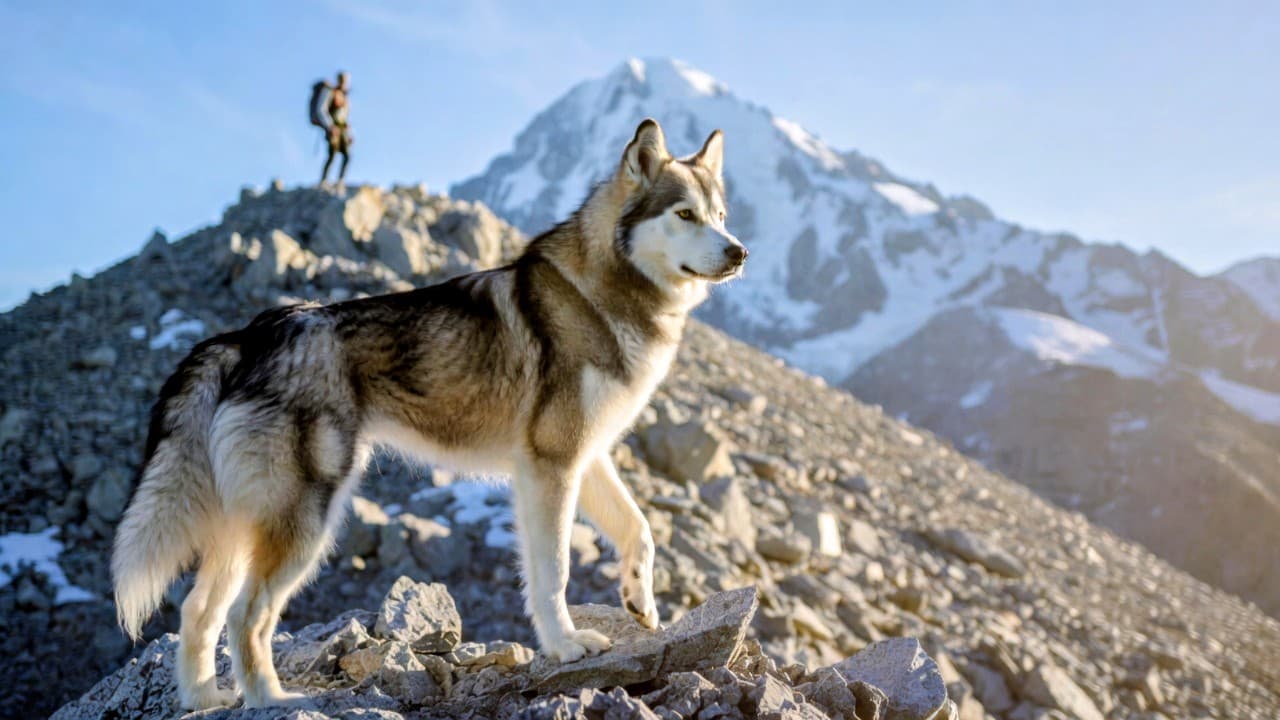
Huskies are the marathon runners of the dog world. Their ancestors were bred by the Chukchi people of Siberia to cover vast distances in sub-zero temperatures with minimal food. That history shows up in their lightweight but powerful build, efficient gait, and those famous “ice-blue” or parti-colored eyes that seem to take in the whole landscape at once.
What surprises most people is how well they handle heat compared to other northern breeds—thanks to their ability to pant efficiently and a coat that actually insulates against both cold and moderate warmth. Their feet have snowshoe-like webbing between the toes, which helps them float over deep powder and gives better traction on rocky trails in summer.
One of the most endearing things I’ve noticed on group hikes is how Huskies stay happy even after 15-mile days. My friend’s Husky Luna once ran alongside us for an entire 20-mile loop in the Olympics, swam in every creek we crossed, and still greeted every new hiker we met with that classic Husky grin. Compare that to my indoor cats who consider a trip to the vet a major expedition.
Standout wilderness advantages:
- Exceptional aerobic capacity—bred for 100+ mile days
- Strong prey drive balanced by excellent recall when trained properly
- Natural “voice” (they talk more than bark) that can alert you to wildlife
- Remarkably efficient metabolism that lets them thrive on less food during multi-day trips
Huskies are escape artists, though. If you camp in the wilderness, double-check tent zippers and stake lines—they’ve been known to unzip doors just to go explore.
The Australian Cattle Dog: The Tough, Agile All-Terrain Companion
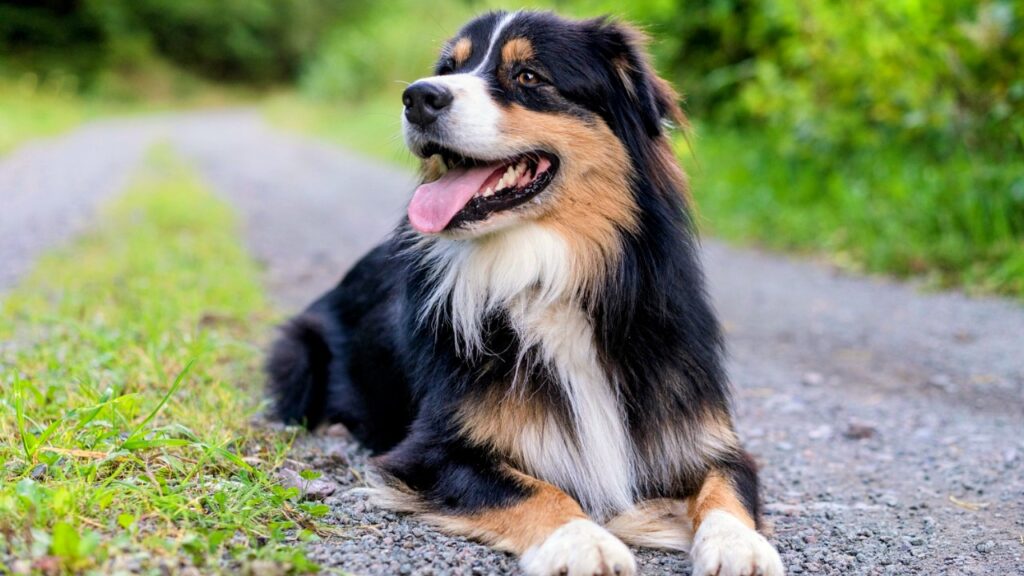
While the first two are cold-weather specialists, the Australian Cattle Dog (often called a Blue or Red Heeler) was forged in the brutal heat, dust, and vast distances of the Australian outback. These dogs were created to drive cattle hundreds of miles across unforgiving terrain, and they bring that same grit to modern wilderness adventures.
What makes them so capable is their compact, muscular frame combined with cat-like agility (yes, even I have to admit it). They can leap over logs, pivot on a dime, and keep going long after bigger breeds have tapped out. Their short, weather-resistant coat sheds dirt and water easily, and their high pain tolerance—bred from dingo ancestry—means they’ll keep working even with minor injuries that would sideline other dogs.
I’ve seen Heelers out-hike Labs twice their size on rocky desert trails in Utah. One friend’s Heeler named Jax once spent an entire week backpacking the John Muir Trail with us, carrying his own little pack and still finding the energy to chase ground squirrels at 11,000 feet. The dog slept like a rock at night and was ready to go again at dawn.
Why they thrive off-grid:
- Insane work ethic and mental toughness
- Natural herding instinct that translates to staying close and checking in
- Excellent heat tolerance and quick recovery between efforts
- Strong protective instinct without being overly aggressive toward people
They’re intense, though. Cattle Dogs need a job or they’ll invent one—usually involving your hiking boots or camp chairs.
Picking the Right Rugged Dog Breed for Your Lifestyle
Not every rugged dog breed fits every person. Malamutes and Huskies need cold or at least temperate climates and serious exercise; Cattle Dogs can handle heat but demand mental stimulation. All three benefit from early socialization, positive training, and regular vet checks for hips, elbows, and eyes—issues that can sneak up on working breeds.
Many cat parents (including me) worry about introducing one of these energetic dogs to a household with cats. With slow, supervised introductions and a dog who has a proven low prey drive, it can work beautifully. I’ve seen Huskies and Heelers become gentle giants around feline housemates.
FAQ
Can these rugged dog breeds really live outdoors full-time?
Not ideally. They’re bred to work with humans, not be left alone 24/7. They thrive with shelter, regular interaction, and a pack (even if that pack is just you).
Which one is best if I already have cats?
In my experience, a well-bred Siberian Husky often has the lowest prey drive of the three. Cattle Dogs can be more intense around small animals, so choose carefully.
How much exercise do they actually need?
Think “job,” not “walk.” These dogs were built for 10–20 miles a day of purposeful activity. A couple of short neighborhood strolls won’t cut it.
Are they good guard dogs in the backcountry?
Malamutes and Cattle Dogs have strong protective instincts; Huskies are more likely to greet a bear with curiosity than aggression. None replace proper bear spray and awareness.
What’s the biggest mistake first-time owners make?
Underestimating the mental stimulation requirement. A tired body but bored mind equals destructive behavior fast.
Final Thoughts from One Cat Mom to Another
There’s something deeply satisfying about sharing the wilderness with a dog who was born for it. These rugged dog breeds remind me that different animals bring different gifts—and sometimes the best adventures happen when we step outside our usual comfort zones (or litter boxes).Before heading into remote terrain, it’s smart to review expert advice on hiking safely with your dog so you can avoid preventable injuries and exhaustion.
If you decide one of these incredible dogs is in your future, do your homework, meet breeders or rescues, and commit to the lifestyle. The payoff? Sunrises on remote ridges, campfires with a warm, loyal friend at your feet, and memories you’ll cherish long after the trails fade.If you have already this incredible dog breed then please share a good experience with us for all pet fellow’s.For more info about best dog breeds follow us please.